

Settler activist calls for Israeli wastewater control to protect key water source
In new report, Green Now’s Barak Verker says Palestinian Authority ‘too weak, inefficient, corrupt’ to stop sewage contaminating mountain aquifer, critical for drinking water
 Add ToI as a Preferred Source on Google
Sue Surkes is The Times of Israel's environment reporter
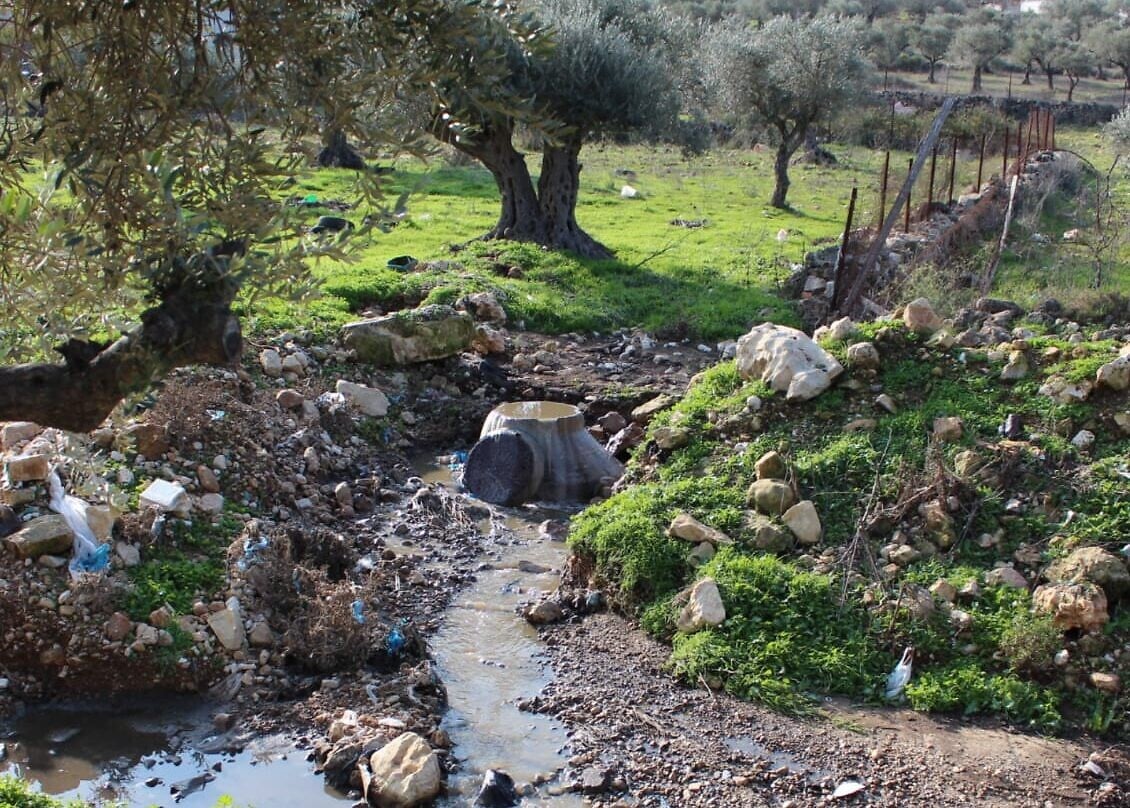
A West Bank-based Israeli environmental organization published a report Monday calling for a radical overhaul of water management in the territory to safeguard the mountain aquifer, one of Israel’s most strategic water reservoirs.
The report comes after the dramatic shutdown of five of six desalination stations earlier this month because of marine algae, forcing water authorities to scramble for alternative potable sources.
As of Monday, only one station, in central Hadera, was fully operational.
The 112-page report, “Murky Waters,” was published by Green Now, run by West Bank settler and environmental activist Barak Verker.
Verker cited figures from the IDF’s West Bank arm, the Civil Administration, and the Israel Water Authority, showing that the West Bank generates around 124 million cubic meters of wastewater annually.
Palestinians generate roughly 100 million cubic meters of this total.
While around 35 percent of Palestinian homes connect to sewage networks, most lack links to treatment plants, leaving roughly 80% of their wastewater as raw sewage that percolates into groundwater or contaminates streams.
Additional pollution stems from stone-cutting sawmills, olive oil presses, and untreated sewage from IDF military camps.
Israeli settlers produce the remaining 24 million cubic meters. While mostly treated, some settler treatment plants suffer from poor maintenance or bureaucratic hurdles, Verker reported.
Estimating environmental and public health damage at NIS 127 million ($41.5 million) yearly, Verker argues that the aquifer should supply an average of 600 million cubic meters of fresh water annually — about a third of Israel’s current consumption.
He blamed weak and inefficient governance by the Palestinian Authority for failing to build wastewater infrastructure. “After all, since its establishment, it has enjoyed very generous international support,” he wrote, noting OECD data ranking the PA as a global leader in per-capita foreign aid.
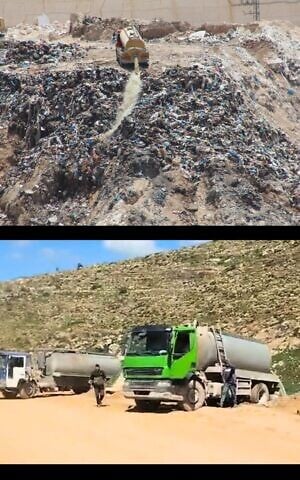
Concurrently, Verker criticized Israeli governance for “internal bureaucratic anarchy,” saying agencies such as the Water Authority, Environmental Protection Ministry, and Defense Ministry entrench themselves without assuming overall responsibility.
He called for the Israel Water Authority to take charge on both sides of the Green Line, prioritizing basin-level planning over political boundaries.
While noting a positive shift toward unilateral engineering solutions by the Water Authority and Civil Administration, he warned that current master plans still leave internal Palestinian sewage unaddressed and lack budgets and timelines.
Gidon Bromberg, Israel director of EcoPeace, a left-wing organization favoring cross-border cooperation, warned that unilateral Israeli moves would breach existing agreements that require each side to treat its own sewage.
He said, “From a practical standpoint, it would mean that Israel takes full control of all Palestinian cities and towns,” questioning whether Israeli taxpayers would foot the bill for Palestinian sanitation infrastructure or, conversely, whether the PA should take over failing treatment systems in Israeli settlements such as Ariel and Gush Etzion.










The Times of Israel Community.