

High Court okays home demolitions for suspected killer of Israeli teen
Judges reject family petition to freeze destruction of two apartments used by Arafat Irfaiya, who was charged in the rape and murder of 19-year-old Ori Ansbacher in February
 Add ToI as a Preferred Source on Google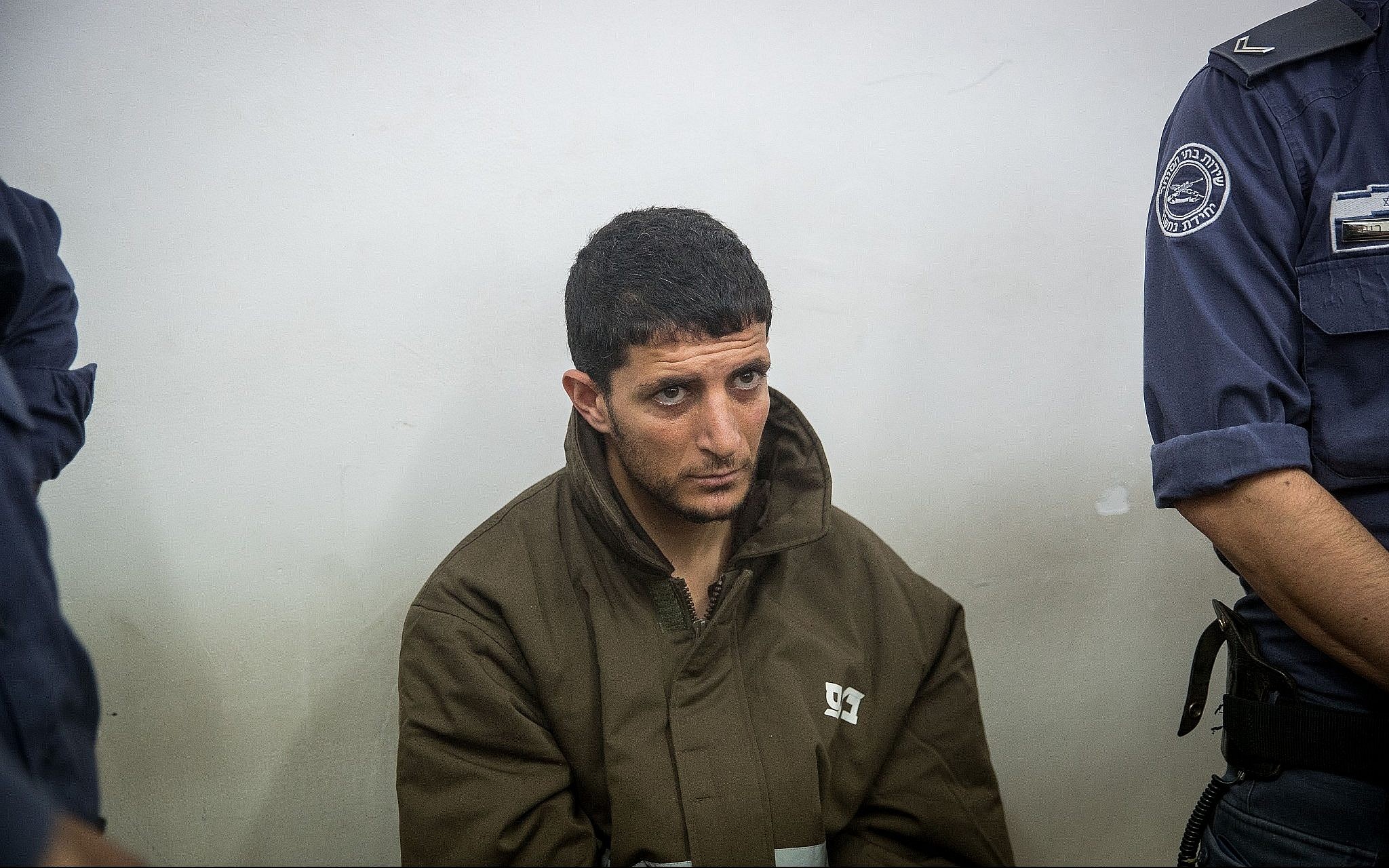
The High Court of Justice on Thursday green-lighted the demolition of the homes of Palestinian Arafat Irfaiya, charged in the rape and murder of Israeli teenager Ori Ansbacher in February.
The court approved the state’s request to destroy two apartments used by Irfaiya, one of which was also used by his parents.
The court rejected a petition to prevent the demolition that was submitted by Irfaiya’s family. The Israel Defense Forces informed the family of the plan to demolish their home on March 6.
The Supreme Court froze the plan on April 1 as it reviewed the family’s petition.
Prosecutors have charged Irfaiya, a 29-year-old resident of Hebron, with rape and murder in the context of a terrorist act, for killing 19-year-old Ansbacher in a Jerusalem forest on the evening of February 7.
According to last month’s indictment, Irfaiya entered Israel from the West Bank illegally in early February and was armed with a knife.
“He came across Ansbacher and decided to kill her because she was Jewish,” the charge sheet said. “He attacked Ori with violent cruelty, and though she tried to fight him off, he overpowered her. He stabbed her with a knife multiple times throughout her body, causing her death.”

On the day of the killing, Ansbacher, who was a volunteer at a youth center in the capital, went for a walk in the woodland of Ein Yael to the south of Jerusalem, encountering Irfaiya by chance.
During the hearing, state prosecutors presented the court with evidence against Irfaiya, including his DNA that was found on the murder weapon and at the crime scene. Prosecutors also told the court that during his interrogation, Irfaiya revealed details about Ansbacher that implicated him in her murder.
The case sparked outrage across the country and prompted the government to approve implementing a law under which Israel would deduct from tax revenues it collects on behalf of Palestinians the amount that the Palestinian Authority pays out to Palestinian attackers and their families.
Israel says the practice of demolishing terrorists’ homes is an effective means of discouraging future attacks, though it has been criticized by human rights groups as a form of collective punishment and by some analysts as an ineffective deterrent measure.









The Times of Israel Community.