

High Court temporarily freezes ban on foreign aid organizations operating in Gaza
Court halts ban against 37 NGOs, which failed to comply with new rules on identifying Palestinian staff, until it can issue a ruling
 Add ToI as a Preferred Source on Google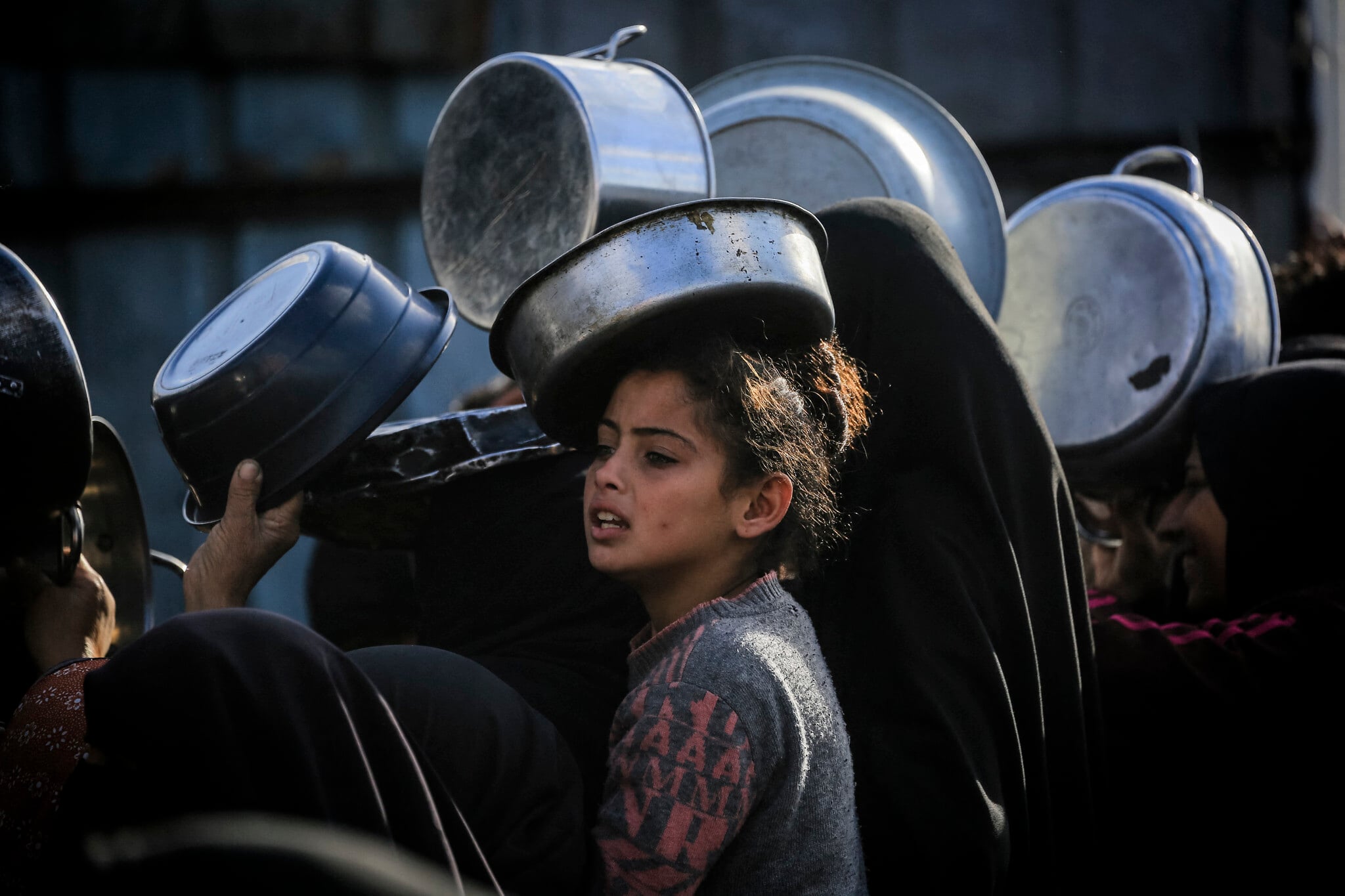
The High Court of Justice on Friday temporarily blocked the government from shuttering the Gaza operations of dozens of aid organizations that petitioned the court in a dispute over new Israeli rules requiring them to name Palestinian staff.
The court’s order, which followed a petition from 17 aid groups, effectively halted an earlier Israeli government decision that barred aid groups for refusing to comply with Israel’s new rules.
“Without taking any position, a temporary interim order is hereby issued,” the court said in the ruling.
Israel had announced it would ban 37 aid groups by March 1 for not abiding by rules introduced last year that require aid groups to register names and contact information of employees, and provide details about their funding and operations.
The licenses of the 37 nonprofits, including some of the petitioning groups, expired on January 1. The organizations were given 60 days to wind down their operations before a March 1 deadline.
The Diaspora Affairs Ministry, which oversees the licensing, said the groups did not comply with stringent new requirements to register with the government. The ministry demanded that the groups file a raft of documentation about their organizations and operations, including a list of all foreign and Palestinian employees, as well as those workers’ passports and personal identification numbers.
The Defense Ministry has said the expiration of the licenses will not affect aid provision in Gaza. The Diaspora Ministry described the new rules, instituted last March, as a safety measure meant to weed out NGO workers with ties to terror groups.
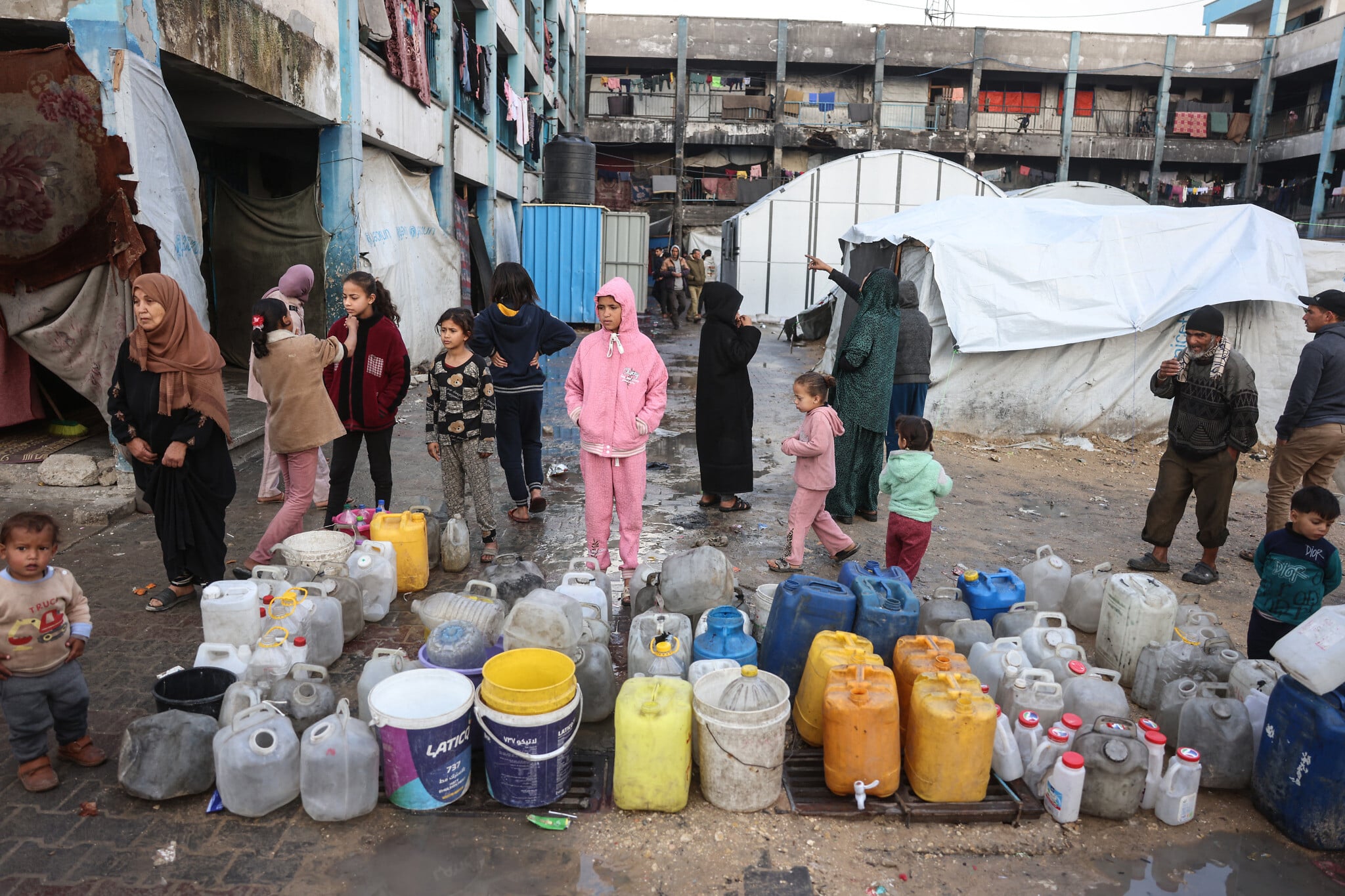
However, the groups view the rules as invasive and arbitrary, and say the ban would hinder critical assistance.
A US-brokered ceasefire reached in October has halted major military operations. But the two-year war triggered by Hamas’s October 7, 2023, massacre has left much of the territory in ruins and most of Gaza’s 2 million Palestinians reliant on international aid.
Friday’s order was a temporary injunction while the court considers the case. There was no timeline for a final decision.
“This is, however, a step in the right direction — with a long, long way still to go. We will keep fighting to be able to do our jobs and deliver life-saving assistance to Palestinians in need,” said Athena Rayburn, the executive director of AIDA, an umbrella organization representing over 100 groups operating in Gaza and the West Bank.
Lawyers representing the aid groups said the decision has given Palestinians in Gaza and the West Bank some “breathing room.”
The petition said the new rules violate international law, and that Israel, as an occupying power, has the obligation to ensure food and medicine reach people. It also says Israel does not have the authority to shutter organizations in areas under the nominal control of the Palestinian Authority.
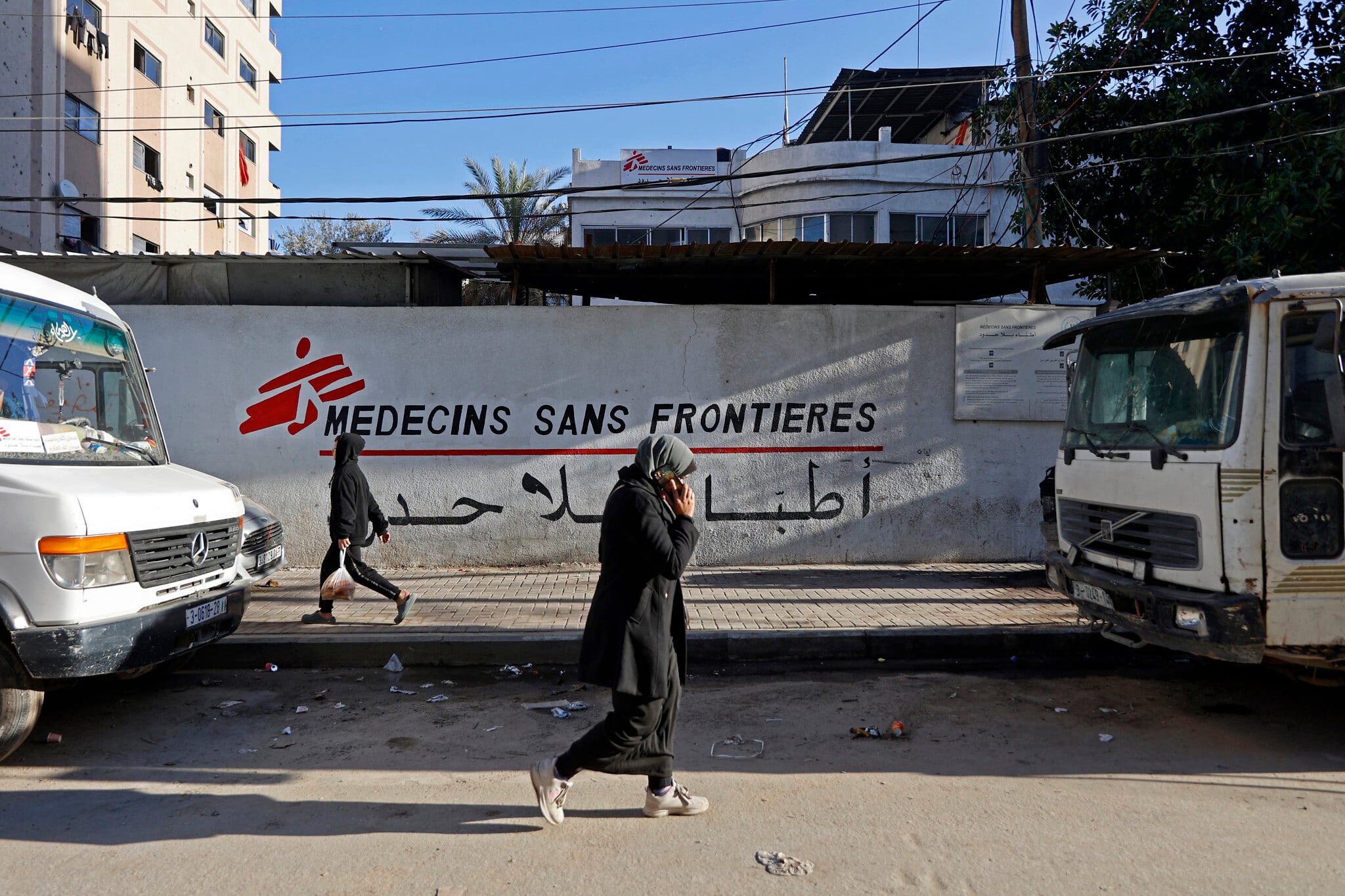
The list of 37 groups includes multiple branches of Doctors Without Borders and Oxfam, the Danish and Norwegian Refugee Councils, Caritas Internationalis, an umbrella for Catholic charities, the Quaker-founded American Friends Service Committee and the International Rescue Committee.
COGAT, the Israeli military body overseeing civilian affairs in Gaza, has said that the organizations whose licenses are to be revoked contribute less than 1% of the total aid going into the territory. More than 20 organizations will continue to operate after complying with the new regulations, it said.
COGAT has previously asserted that the registration process is designed “to prevent the exploitation of aid by Hamas,” which it says has worked under the cover of international aid organizations for “the diversion of aid, the use of local employees for terrorist purposes, and the transfer of funds from terror-linked sources.”
Last year, Israel imposed a ban, as well as other measures, limiting the operations of UNRWA, the UN agency for Palestinian refugees and their descendants, and the largest aid provider in Gaza. Israel accused UNRWA employees of participating in the October 7 attack and said the group has allowed itself to be infiltrated by Hamas, allegations the agency denies.








The Times of Israel Community.