

Houthis threaten to join Mideast war, raising specter of renewed Red Sea attacks
Iran-backed group in Yemen could target shipping in Bab el-Mandeb Strait, a key chokepoint en route to Suez that is especially crucial with Strait of Hormuz effectively closed
 Add ToI as a Preferred Source on Google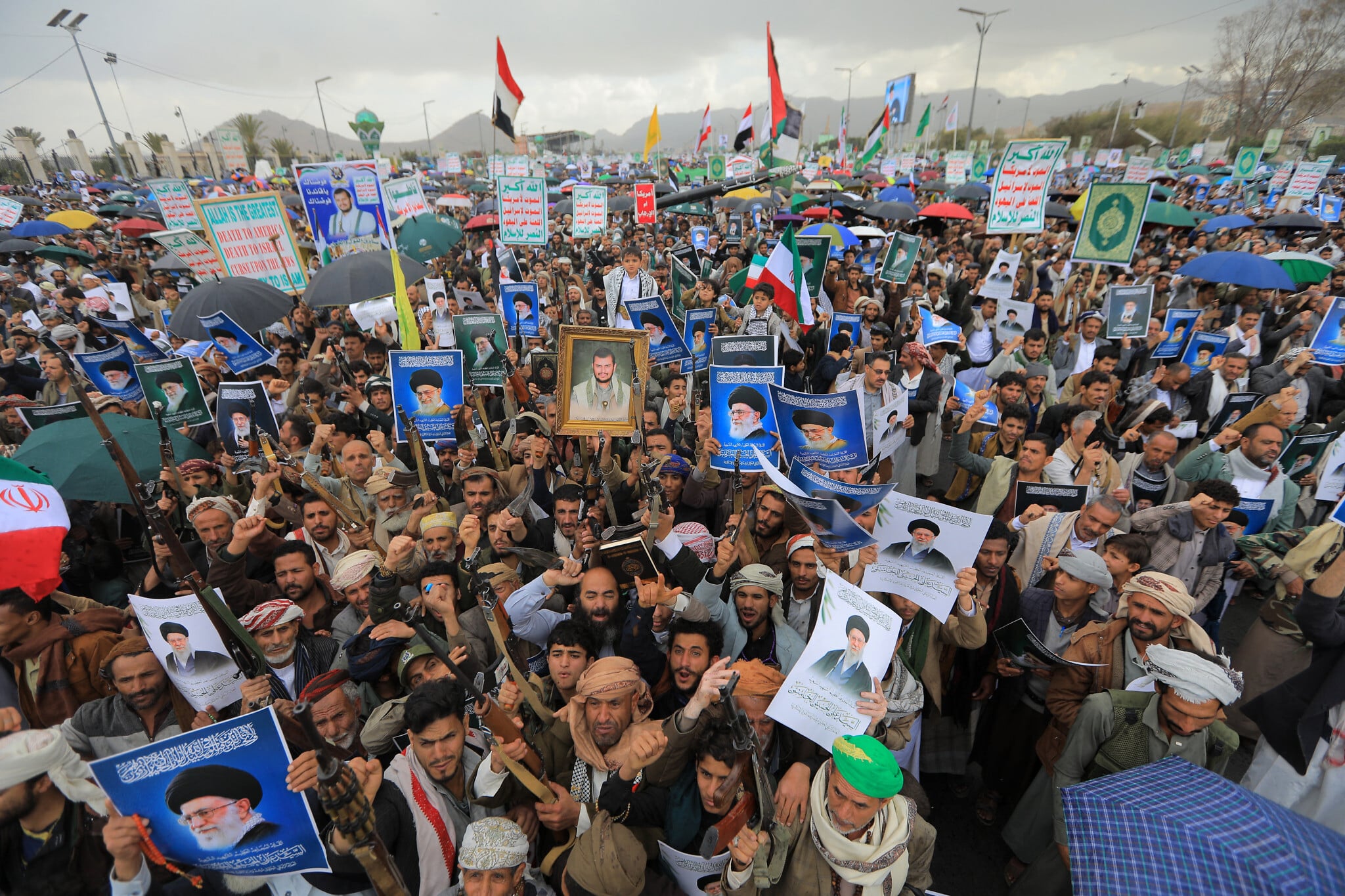
Abdulmalik al-Houthi, the leader of Yemen’s Iran-backed Houthi group, warned on Thursday of a “military response” should the Middle East war require it.
The Houthis, a key part of Iran’s so-called “Axis of Resistance,” have so far refrained from joining the war sparked by US-Israeli strikes on Iran, which has engulfed much of the region.
“As the people of Yemen, we repay loyalty with loyalty,” the Houthi leader said. “Any development in the battle that requires a military response, we will promptly undertake it… just as we did in previous rounds.”
Earlier, a Houthi official told Reuters that the group, whose attacks on the Red Sea caused international shipping and trade chaos during the Israel-Hamas war in Gaza, stood ready to strike the key waterway again in solidarity with Tehran.
If the Houthis open a new front in the conflict, one obvious target would be the Bab el-Mandeb Strait off the coast of Yemen, a key shipping chokepoint and narrow passageway that controls sea traffic toward the Suez Canal, after Iran effectively shut the critical Strait of Hormuz.
“We stand fully militarily ready with all options. As for other details having to do with determining zero hour, they are left to leadership and we are monitoring and following up with the developments and will know when is the suitable time to move,” said the Houthi source, who requested anonymity due to the sensitivity of the topic.

“Until now Iran is doing well and is defeating the enemy every day and the battle is going in its direction. If anything contrary to this happens, then we can assess.”
Some diplomats and analysts say the Houthis are awaiting an opportune moment to enter the conflict, in coordination with Iran, in order to exert maximum pressure.
The effective closure of the Strait of Hormuz to Gulf Arab hydrocarbon exports and a shift to heavy reliance on the Red Sea might provide such an opportunity.
Iran could open a new front in the Bab el-Mandeb Strait if attacks are carried out on Iranian territory or its islands, Iran’s semi-official Tasnim cited an unnamed Iranian military source as saying on Wednesday.
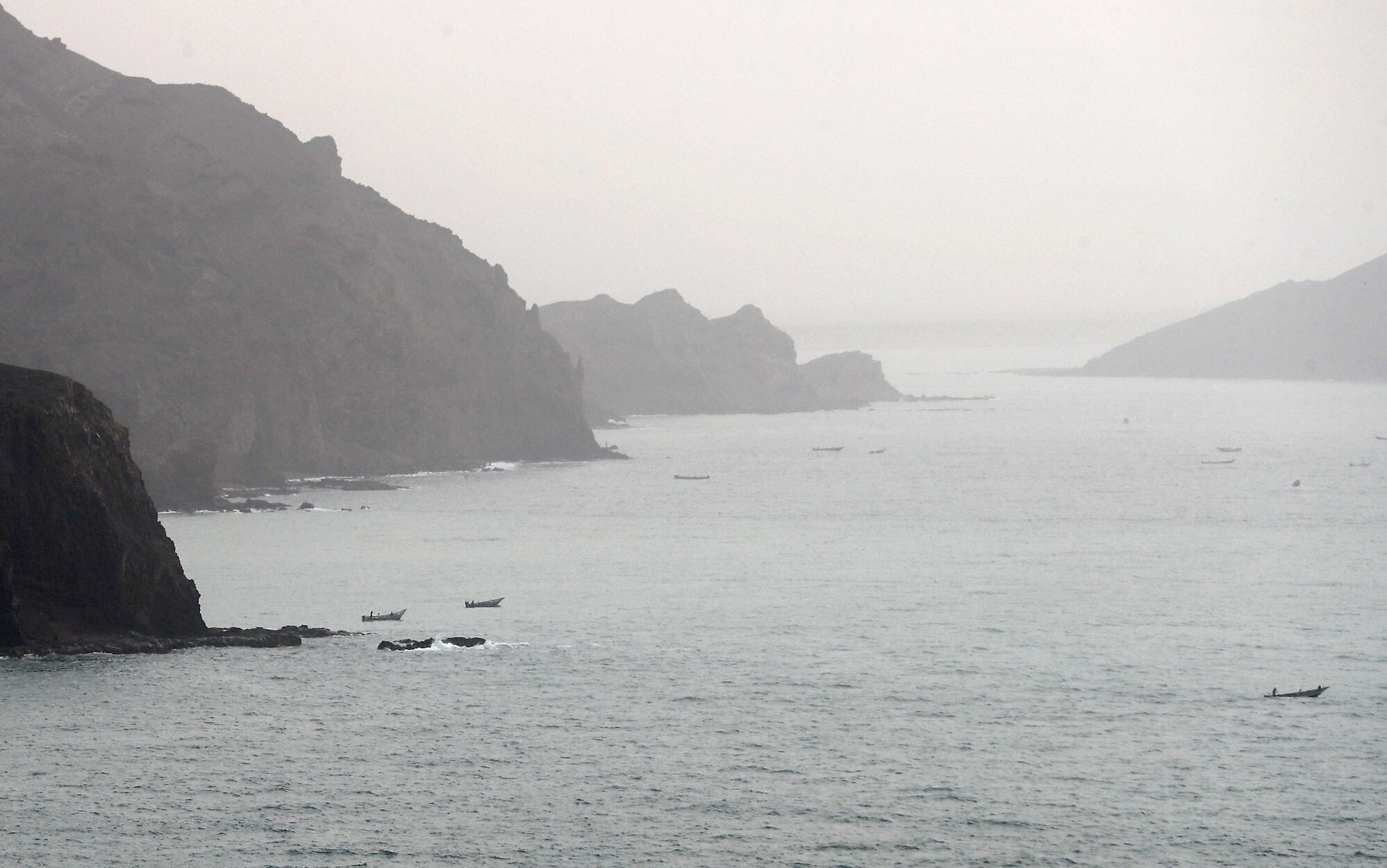
The Houthis previously launched attacks in the region. Bab el-Mandeb, or the Gate of Tears, named for its perilous navigation conditions, is the southern outlet of the Red Sea, situated between Yemen on the Arabian Peninsula and Djibouti and Eritrea on the African coast.
It is one of the world’s most important routes for global seaborne commodity shipments, particularly crude oil and fuel from the Gulf bound for the Mediterranean via the Suez Canal or the SUMED pipeline on Egypt’s Red Sea coast, as well as commodities bound for Asia, including Russian oil.
The Bab el-Mandab is 18 miles (29 km) wide at its narrowest point, limiting traffic to two channels for inbound and outbound shipments.
“When they see Iran is needing them the most, then they will move,” Amr Al-Bidh, a member of Yemen’s separatist Southern Transitional Council’s senior leadership, told Reuters in Geneva.
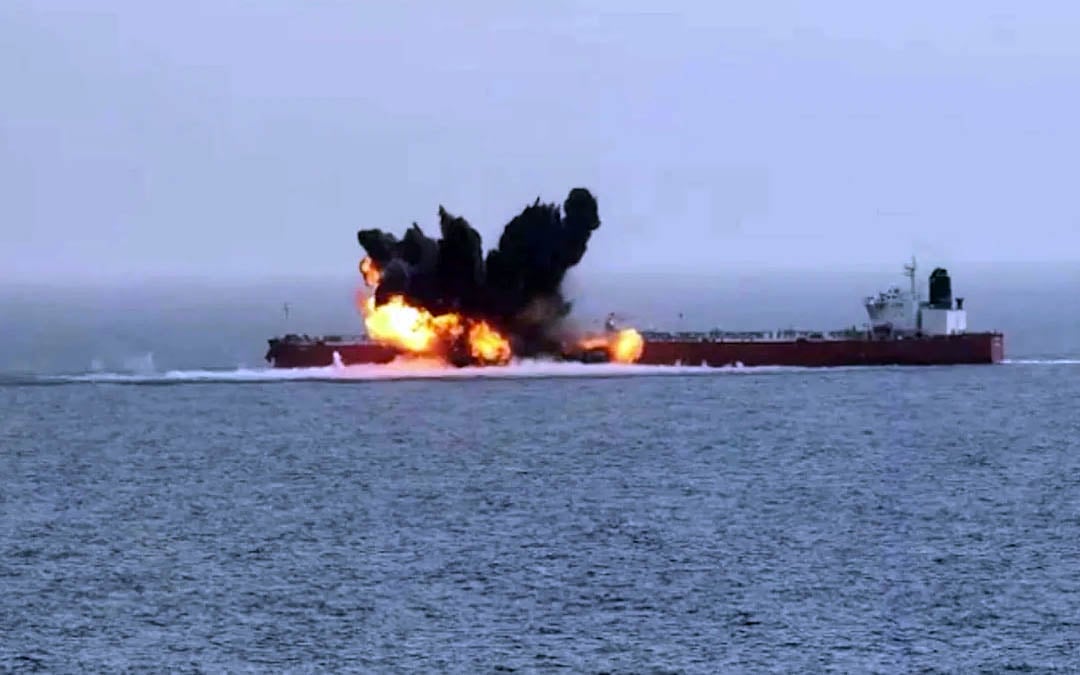
The Houthis — whose slogan calls for “Death to America, Death to Israel, [and] a Curse on the Jews” — began attacking Israel and maritime traffic in November 2023, a month after the October 7 Hamas massacre.
Amid ceasefires between Israel and Hamas — one in January-March 2025, and another since October 2025 — the Houthis held their fire.
In all, the Houthis launched over 130 ballistic missiles and dozens of explosive-laden drones at Israel, including one that killed a civilian and wounded several others in Tel Aviv in July 2024, prompting Israel’s first strike in Yemen.
Since then, Israel attacked the Houthis in Yemen, located some 1,800 kilometers (1,100 miles) away, 19 times with the Israeli Air Force and Israeli Navy.









The Times of Israel Community.