

IDF pushes deeper into south Lebanon as Hezbollah keeps up fire at northern Israel
No Israeli injuries; Lebanese state media reports overnight strikes in southern Beirut and raids and shelling on southern towns, as authorities say 1 million displaced
 Add ToI as a Preferred Source on Google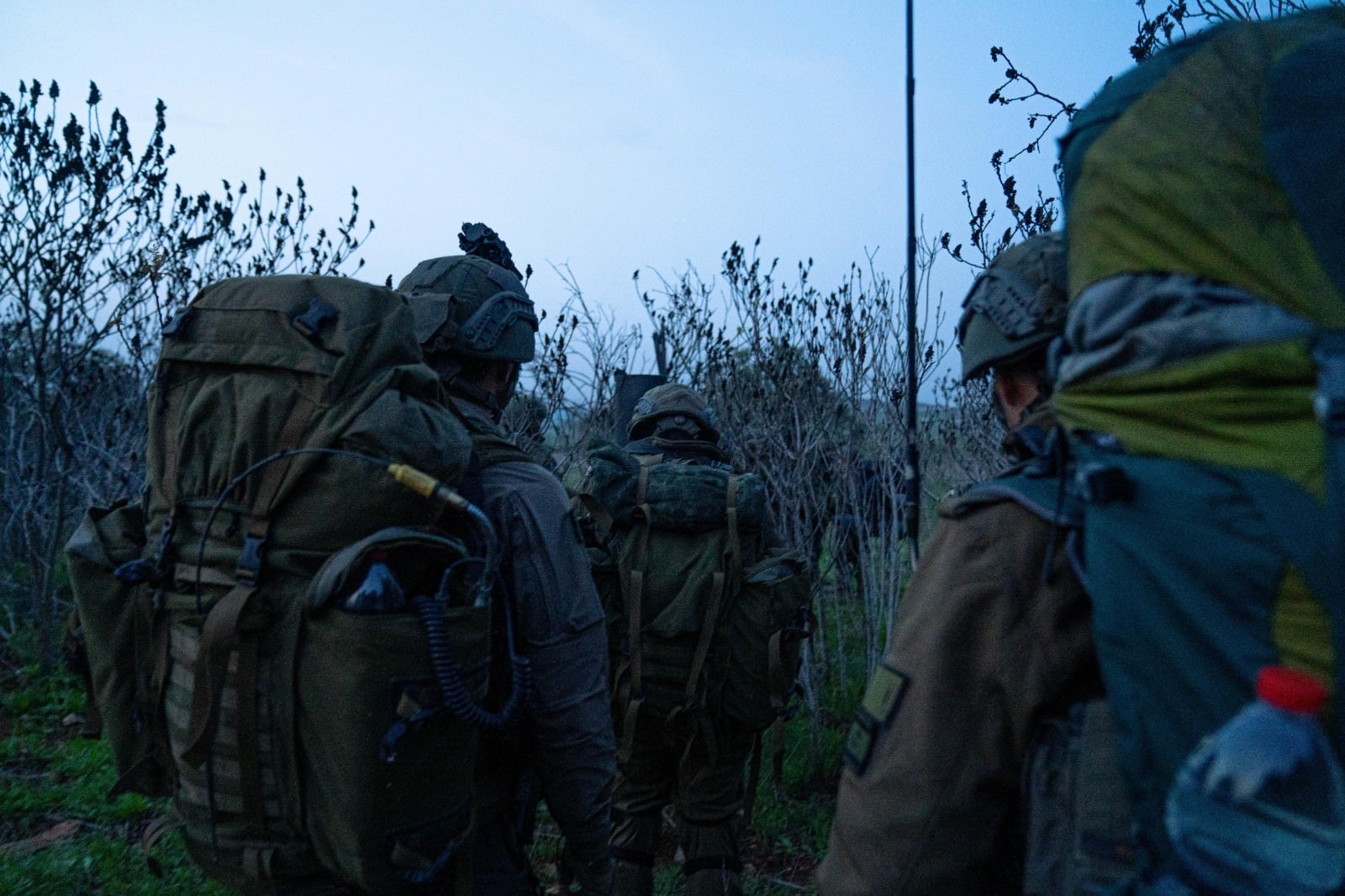
The Israel Defense Forces said Tuesday that it has pushed even more forces deeper into southern Lebanon to create an expanded buffer zone, as Hezbollah attacked towns in northern Israel with rockets and drones.
The buffer zone was established after the Iran-backed Lebanese terror group began attacking Israel earlier this month, shortly after the US and Israel launched strikes on the Iranian regime.
The IDF said that troops of the 36th Division had begun a new “targeted ground operation toward an additional objective” in south Lebanon in recent days, aimed at expanding “the forward defense area.”
The military said it carried out massive airstrikes and artillery shelling before troops moved into the area.
A day earlier, the IDF announced that troops of the 91st “Galilee” Regional Division were conducting a “targeted ground operation” in the eastern sector of southern Lebanon, while a third division, the 146th, remained deployed defensively to the western sector of southern Lebanon.
In Beirut, Lebanese state media said, Israel carried out dawn airstrikes on three locations in the Dahiyeh, a Hezbollah stronghold in the south of the city. The IDF issued an evacuation warning prior to the strikes.
“Israeli warplanes carried out two airstrikes targeting the Kafaat and Haret Hreik areas. In another raid, the aircraft struck a residential apartment on the upper floors of a building located at the end of Venice Street in the Doha Aramoun area,” Lebanon’s national news agency reported.
The Israeli Air Force has struck dozens of Hezbollah targets in the Dahiyeh in the past week, and the military has repeatedly called on Lebanese civilians to evacuate the area.
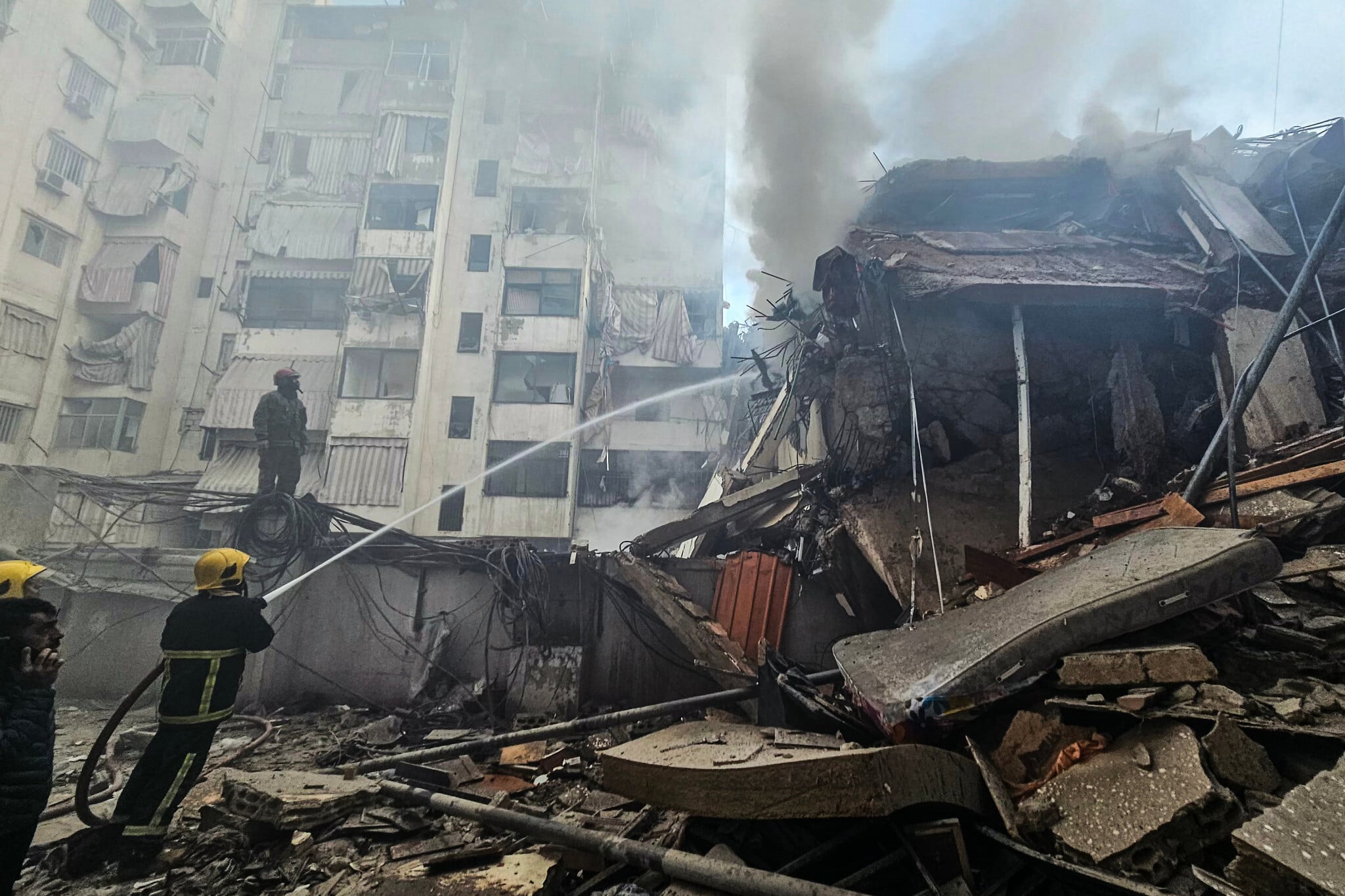
Lebanon’s national news agency also said the IDF carried out “a series of raids and artillery shelling targeted southern towns at dawn.”
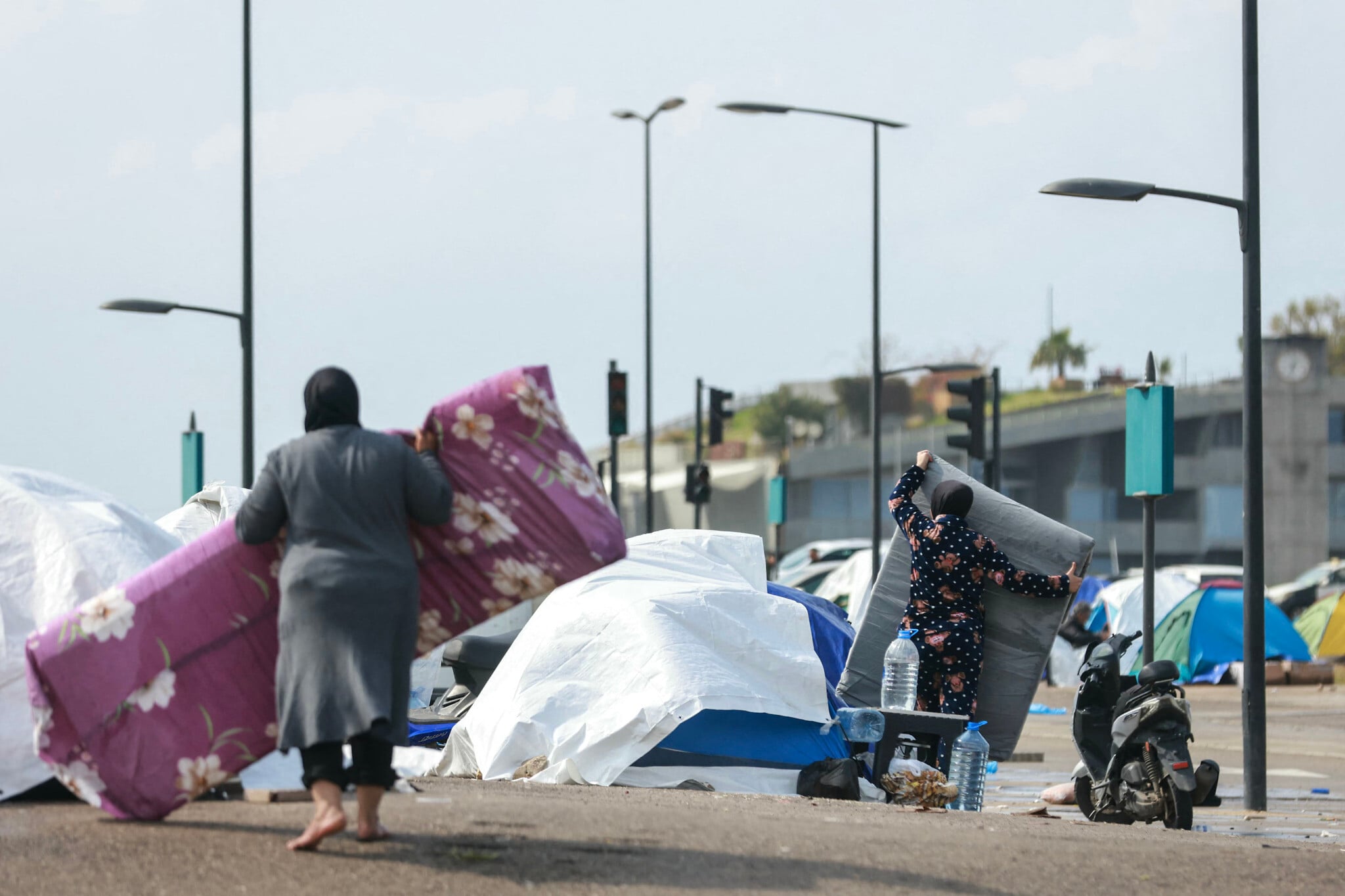
On Tuesday morning, the IDF repeated its wide-scale evacuation warning of southern Lebanon, telling civilians they should move to the north of the Zahrani River. The warning was first issued on Thursday.
Lebanese authorities said Monday evening that more than a million people had registered as displaced amid the fighting.
The IDF has been preparing to deploy even more forces in southern Lebanon and further expand its buffer zone to push away the threat of Hezbollah from the border.
However, the IDF has said that the terror group is launching most of its attacks from even deeper within southern Lebanon, and not from areas close to the border.
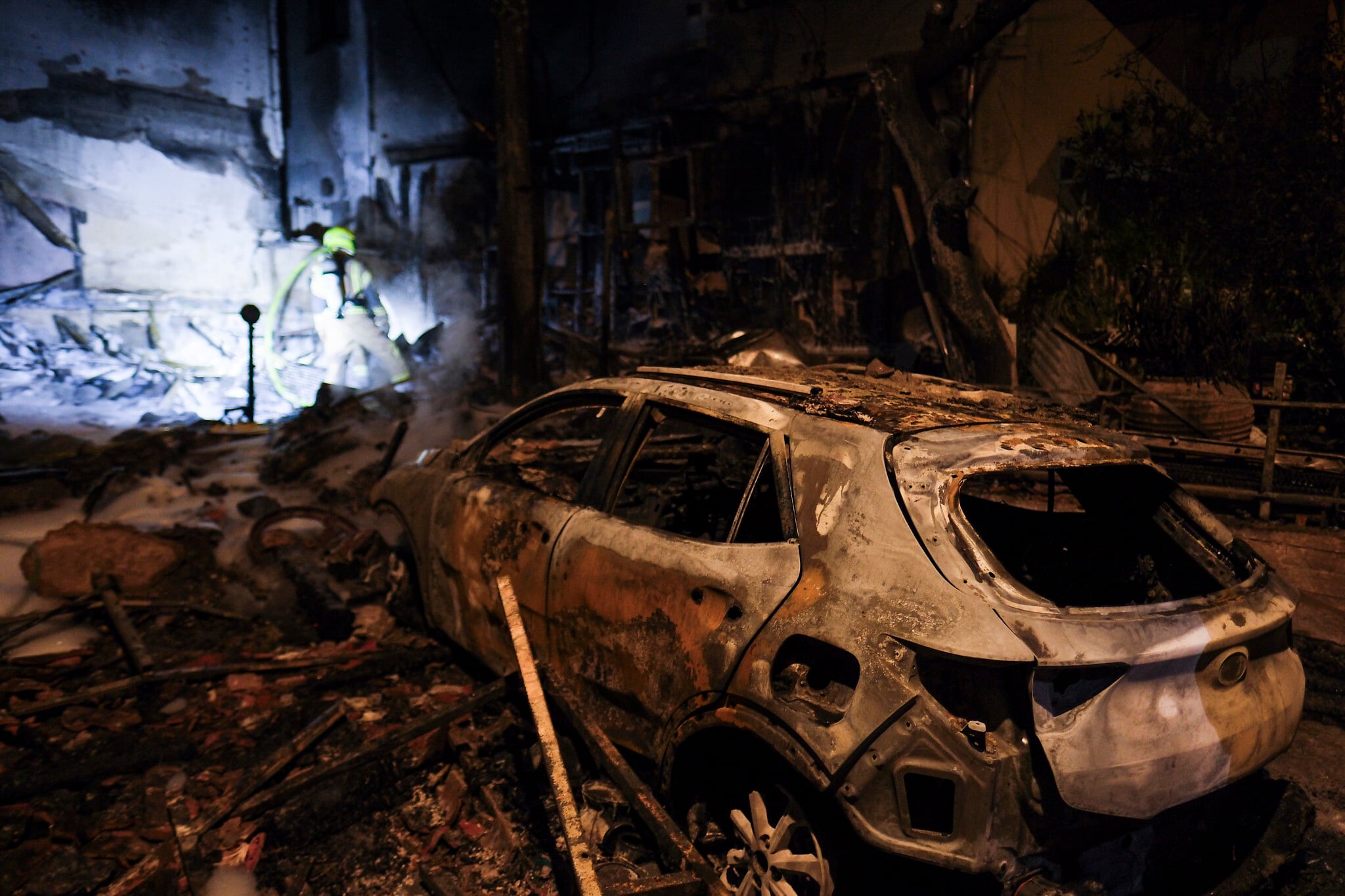
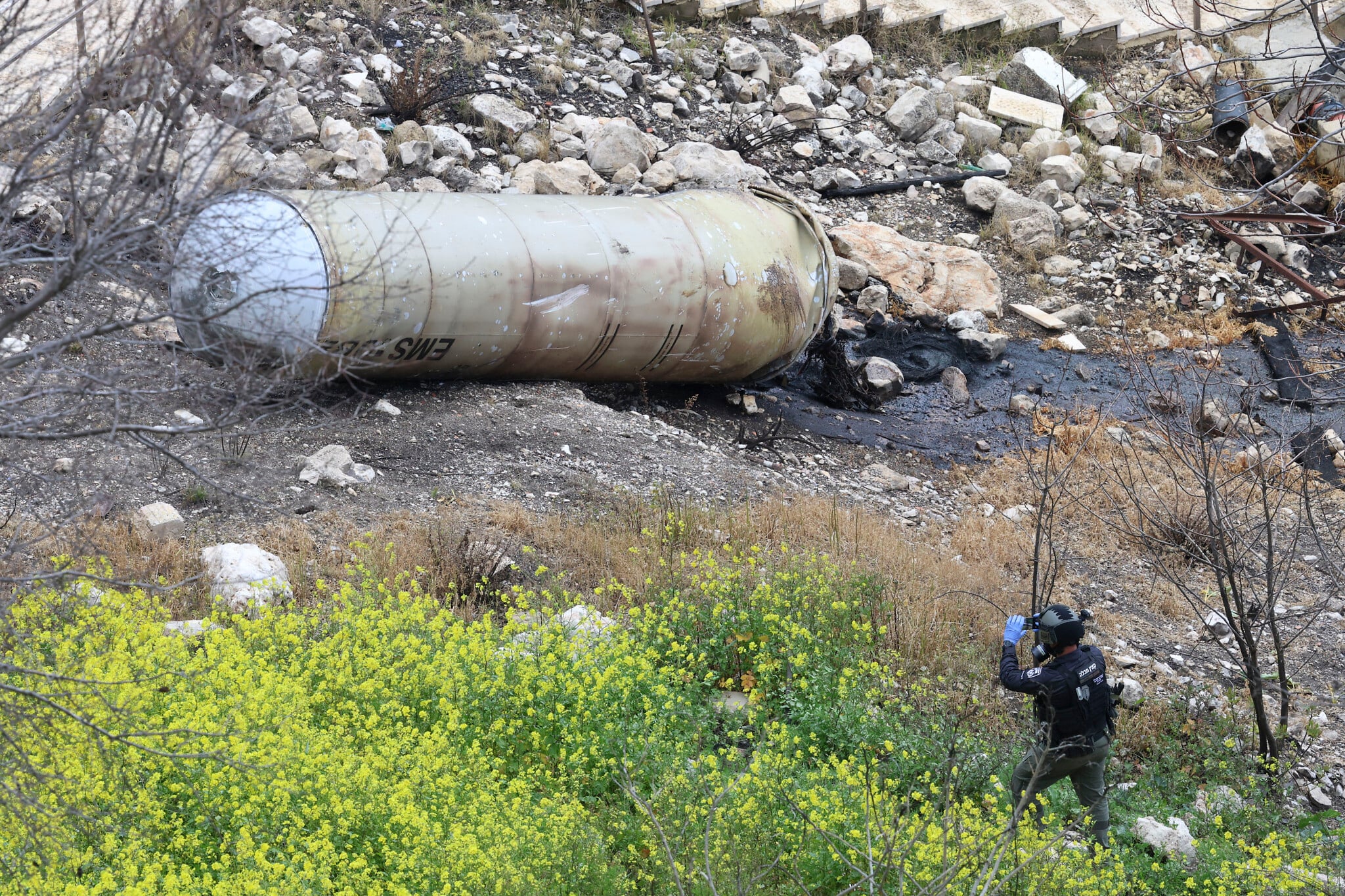
Overnight and into Tuesday morning, sirens sounded in multiple towns and communities in northern Israel warning of incoming rocket fire and drone attacks from Lebanon.
There were no reports of injuries. On Monday evening, six people were wounded when a rocket hit the northern town of Nahariya.
Amid the fighting, IDF Chief of Staff Lt. Gen. Eyal Zamir said the “shockwaves” of Israel’s strikes in Iran were being felt by Hezbollah.
“Iran is the main arena. Weakening the regime and its capabilities will weaken the entire radical axis and, within that, the Hezbollah terror organization,” Zamir said during a Monday evening visit to the Lebanon border with Northern Command chief Maj. Gen. Rafi Milo.
“The campaign against Hezbollah is another central front. Any damage to the military buildup capabilities of Iran and the Revolutionary Guards also harms Hezbollah’s arming and financing capabilities. The shockwave of the strikes and the weakening of the radical regime in Iran are also felt in the campaign against Hezbollah,” he said, according to remarks published by the IDF.
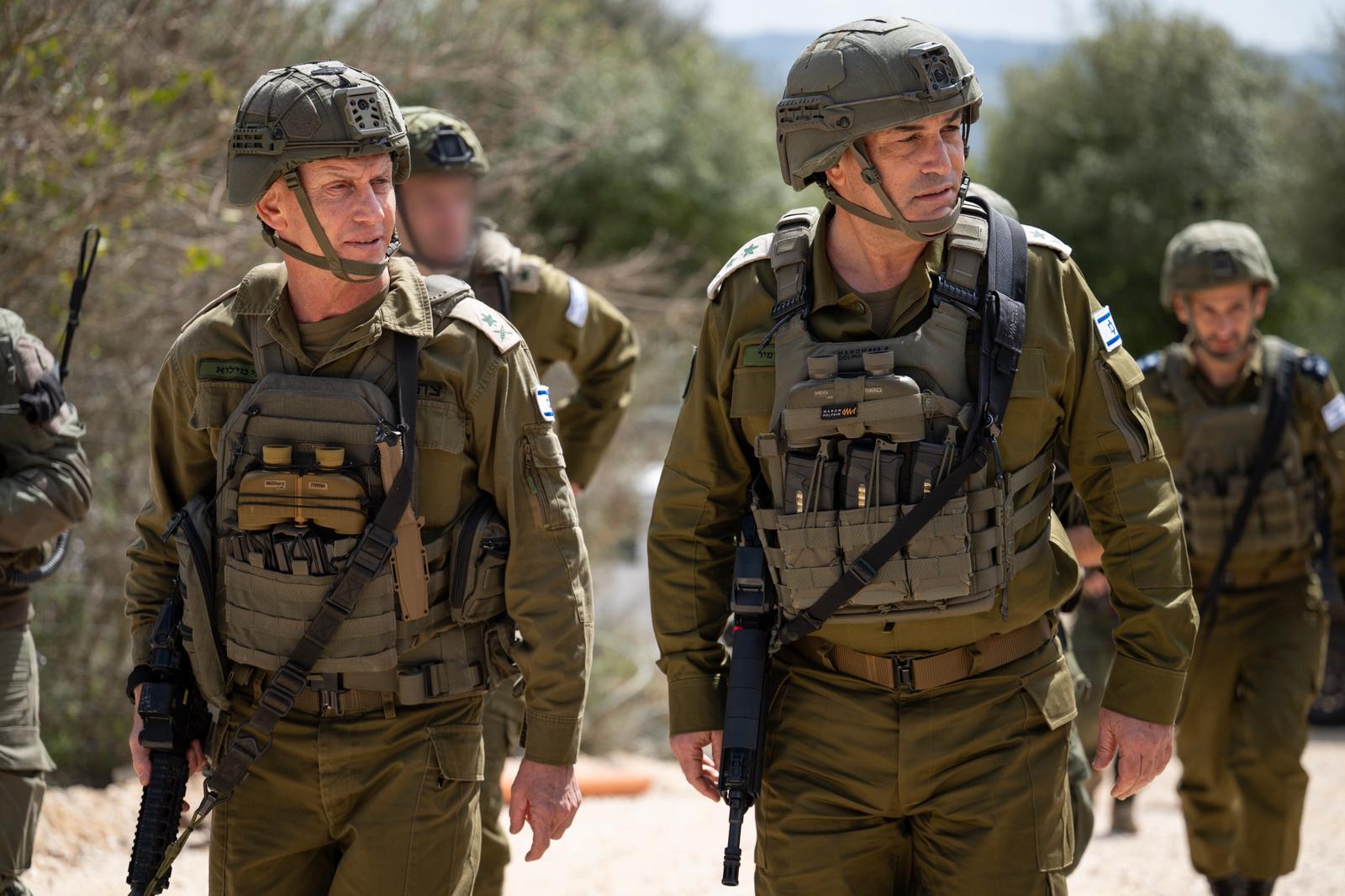
Zamir said that since Hezbollah began attacking Israel amid the war with its sponsor Iran, over 400 members of the terror group have been killed, including top officers.
At least 886 people have been killed in Israeli strikes since the start of the current round of conflict, Lebanese authorities said Monday evening. The World Health Organization said at least 98 of those killed were children.
Multiple recent reports have indicated that Israel is planning a large-scale ground operation in southern Lebanon aimed at uprooting Hezbollah. Defense Minister Israel Katz has even threatened to seize territory there.
In recent days, there have also been several reports of plans for direct talks between Israel and the Lebanese national government, which has previously pledged to crack down on the terror group. Foreign Minister Gideon Sa’ar has denied such plans, despite reports citing Israeli officials.
Since March 2, when Hezbollah began attacking Israel in response to the killing of Iran’s supreme leader Ali Khamenei, the terror group has launched around 100 rockets a day, according to the IDF, as well as more than 100 drones over the entire period.
The attacks came following a period of relative quiet after a November 2024 truce agreement mostly ended a previous round of fighting, which had begun when Hezbollah attacked Israel on October 8, 2023, one day after the Hamas-led invasion of southern Israel.





The Times of Israel Community.