

IDF swerves away from Chinese cars, driven by worries of spies lurking in everyday tech
Army bans China-made autos from bases and reportedly recalls electric vehicles leased to senior officers, which experts warn are a nearly ‘perfect platform’ for espionage

 Add ToI as a Preferred Source on Google
Stav Levaton is a military reporter for The Times of Israel

Israel’s military has reportedly begun phasing out leases of Chinese-made electric vehicles used by senior officers, responding to growing unease over the possibility of the cars’ sensors and other software offering Beijing a window into Israel’s most sensitive military routines.
The reported move came after the Israel Defense Forces banned all Chinese cars from entering military bases earlier this year, citing concerns that their cameras and connected systems could be used for intelligence gathering.
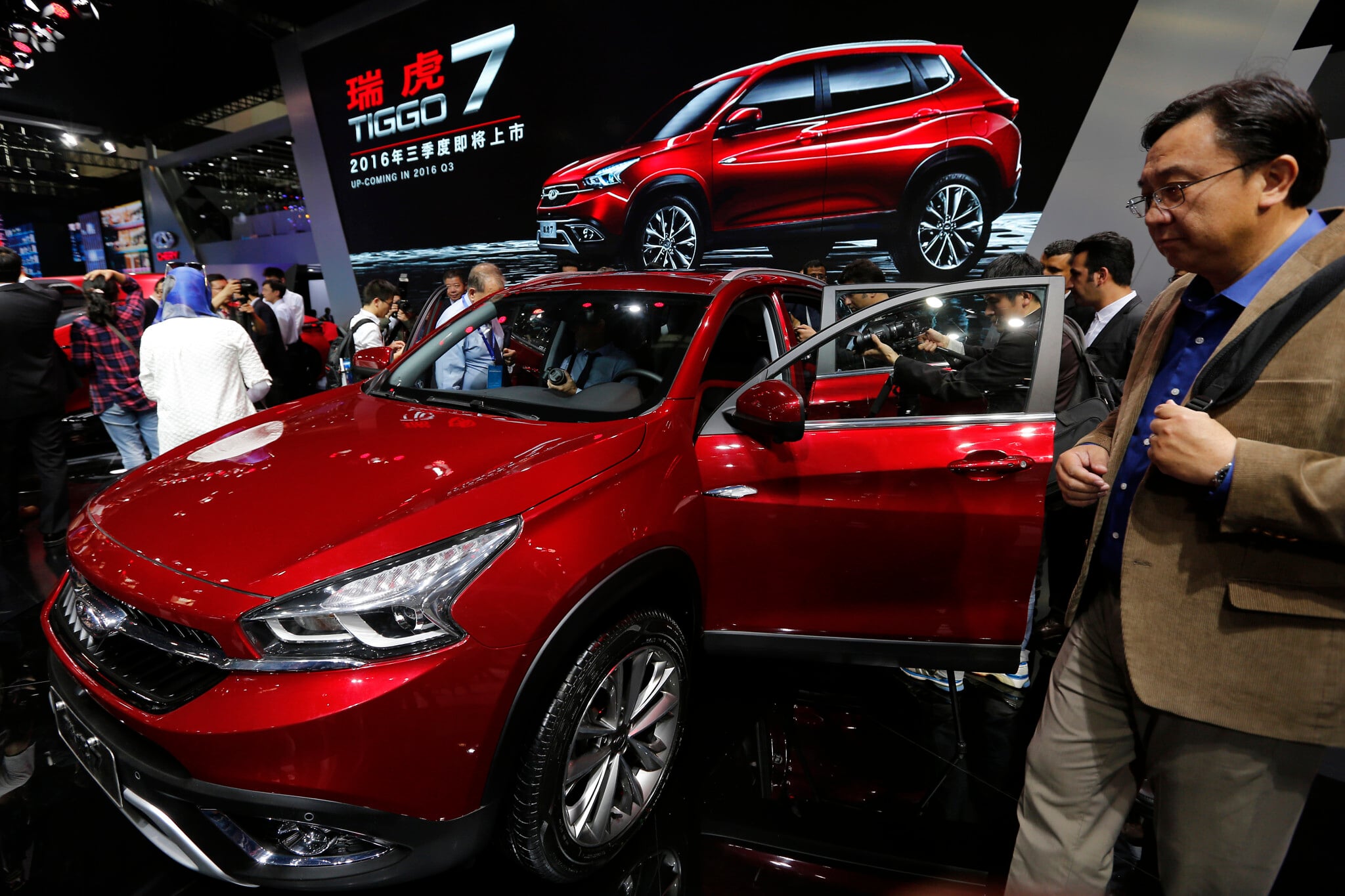
According to reports in the Calcalist financial publication and the Israel Hayom daily earlier this month, the military has now also recalled approximately 700 vehicles, mostly the Chinese Chery Tiggo 8 Pro plug-in hybrid, that were allocated to lieutenant colonels and colonels with large families since 2022.
The army has declined to comment on the reported recall.
The army’s steps to distance itself from Chinese-made cars, which have become prevalent on Israeli streets over the last decade, underline rampant worries in the West that tech embedded in cars and other devices could be used to transmit sensitive data to Beijing, or could include secret mechanisms giving Chinese operators control of the device from afar.
“Every Internet of Things item, especially EVs, is potentially a collection platform that can be guided and used by the Chinese government,” warned Assaf Orion, a senior researcher at the Institute for National Security Studies who specializes in China. Internet of Things, or IoT, refers to the rapidly expanding roster of “smart” devices that now have online connections, from speakers to refrigerators.
The reported recall affects vehicles distributed through the IDF’s centralized leasing system, overseen by the Technology and Logistics Directorate, which issues public tenders every few years to determine which models are assigned to officers of different ranks.
Since the last tender in 2023, company commanders have typically received compact crossovers like the Peugeot 2008, while lieutenant colonels and colonels have been assigned various types of plug-in hybrids, such as the Kia Niro or the Chery Tiggo 8 Pro. Brigadier generals have long received higher-end models like the Czech-made Škoda Superb.

Officers do not own the vehicles, which are periodically replaced by the army, but are able to use them for both military and personal needs.
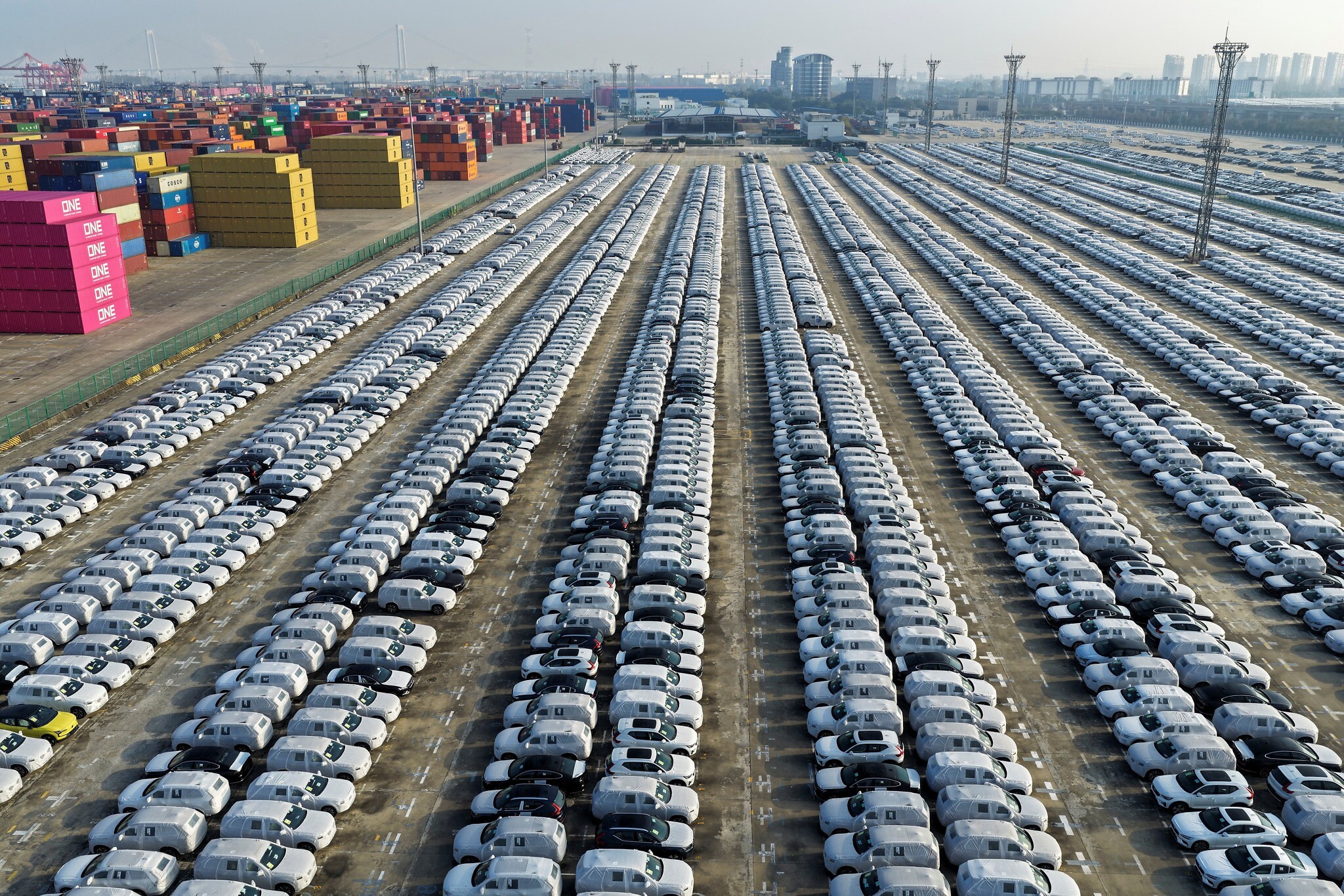
Chery, among China’s largest auto exporters, entered the Israeli market in 2022 as part of an aggressive worldwide expansion. Together with other Chinese automakers like BYD, Geely and Xpeng, Chery has rapidly reshaped Israel’s civilian auto market, with China overtaking Europe this year as the leading source of new passenger vehicles.
Data from the Israel Imported Vehicles Association released in November shows China accounting for 34.1 percent of all new passenger car registrations in the third quarter of 2025, up from 28.7% in Q2 and 22.8% in the same quarter last year. Chinese cars in particular dominate in the EV sector.
Beijing backdoor
The rapid rise of Chinese EVs in Israel mirrors broader economic trends, said Orion, who directs the INSS’s Israel-China Policy Center.
Since the two countries established diplomatic ties in 1992, Israel-China trade has expanded significantly, particularly in technology-related sectors.
“Since then, you can see growth… trade volume is generally on the rise, including electric vehicles,” he told The Times of Israel. “That is to say, China is an important trade partner, especially as an exporter.”
China is now one of Israel’s largest sources of imports, with trade peaking at $16.3 billion in 2023. Vehicles, electrical equipment, machinery, and plastics are among the top imports.
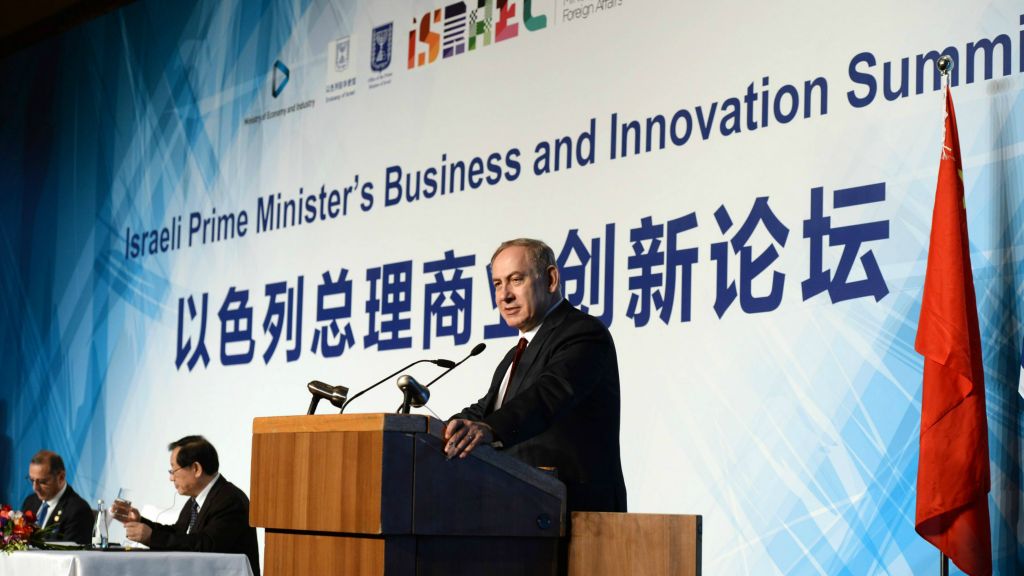
Though involved in major Israeli infrastructure projects, such as the Tel Aviv light rail, most Chinese investments and acquisitions in Israel between 2002 and 2020 were in the tech sphere, Orion said. In 2017, Prime Minister Benjamin Netanyahu visited China and his government signed the China-Israel Innovative Comprehensive Partnership, which prioritized cooperation in innovation and science between the two countries.
But despite the commercial bonhomie, the expert stressed that Israel’s expanding tech exposure to China comes with real risks. Beijing’s growing footprint in Israel’s civilian tech market, he noted, is not merely economic. For China, data-rich technologies are strategic assets, not just commercial goods.
“The legislation in China, by various laws, instructs and obliges Chinese companies to share with the state whatever data is available to them,” Orion said.
That’s why, he argued, Israel should consider recalling “every electrical vehicle, which is actually a multi-sensor computerized platform, that links back [to China].”

“Think about it not as a car taking you from point A to point B, but as a phone,” he urged.
Glenn Chafetz, director of the 2430 Group — a nonprofit that researches state-sponsored espionage against the US private sector — echoed that assessment, warning that the scope of China’s intelligence activity is unlike anything seen before.
“Generally, worldwide, China’s scale of commercial and overall espionage is unprecedented in history,” he said. “It’s got the greatest capacity, the most resources, the greatest commercial penetration of any country that has pursued espionage.”
“China is utterly rapacious in its collection efforts. I don’t think it really spares any country in its record of collection,” Chafetz added. “Israel would be as much of a target as anyone.”
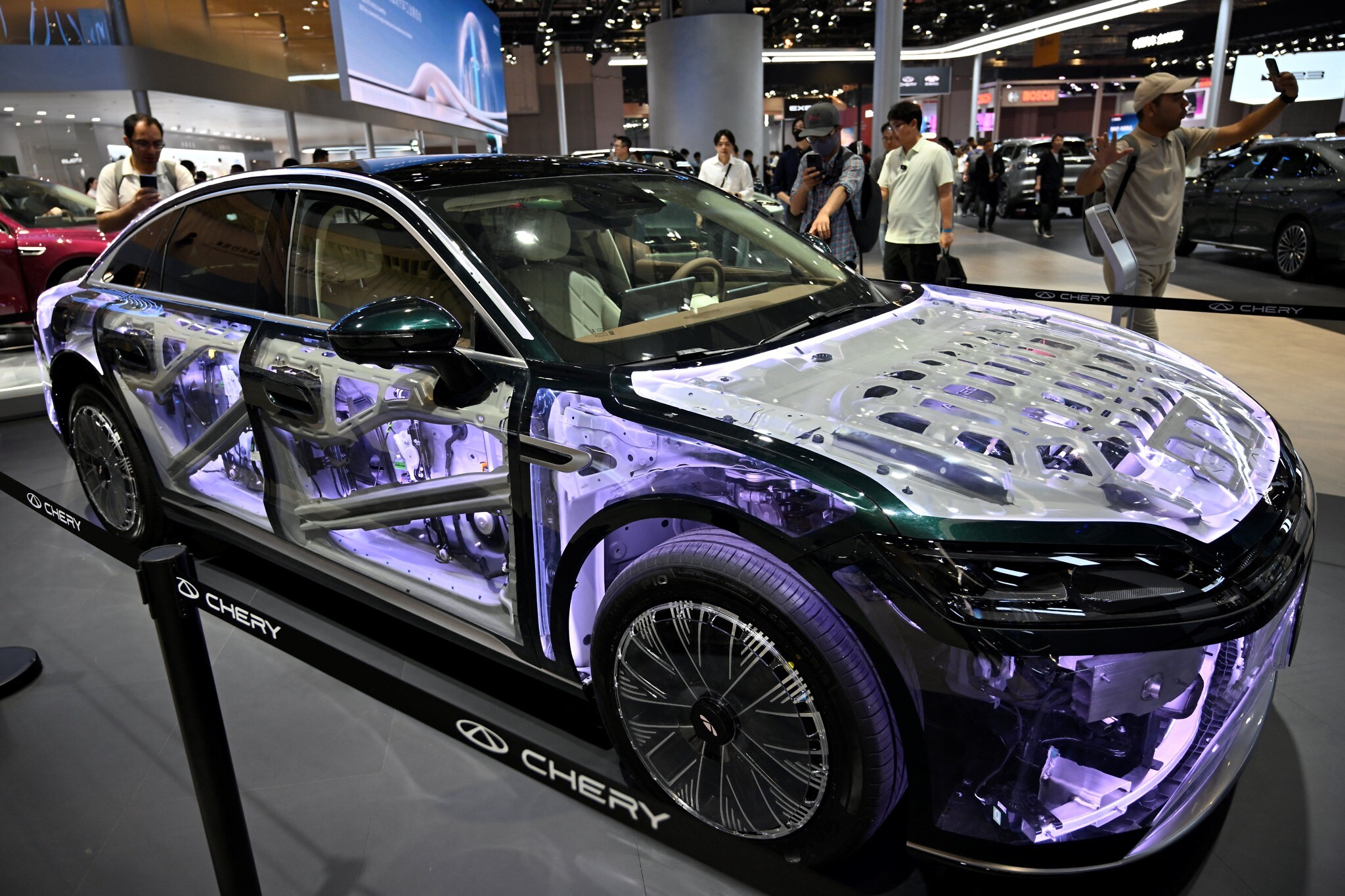
EVs, he added, are “almost a perfect collection platform” because of their mobility, sensors, and data-gathering capabilities.
“With the IDF, you have known identities in the cars and every place those people have traveled — that’s extremely useful intelligence,” he said. “To know where top military officers are at any given time is gold for intelligence collection.”
He also warned about audio and video recordings of sensitive conversations inside the vehicles.

Israel’s small size “makes it easier” to conduct espionage compared with larger countries. “When you look at the United States versus Israel in terms of the scale, you just have smaller numbers and easier collection over a smaller [geographical area].”
Beyond sensitive military secrets, there is also the risk of exposing secretive patented technologies or intellectual property to a country regularly accused of coopting advanced innovations from elsewhere.
Israel is “an attractive source of technologies needed in China,” former Defense Ministry security chief Nir Ben Moshe warned in 2022, saying the defense establishment and the IDF are “likely a target” for Chinese intelligence efforts.
He noted that China’s five-year plan for 2021-2025 and its Made in China 2025 initiative emphasize technological independence and global leadership in sectors including information technology, 5G networks, EVs, green energy, and robotics.
Israel’s advanced capabilities across technology, cyber, medicine, agriculture, and other fields, he wrote, have positioned it as a valuable source of innovation for China, making both the defense establishment and the IDF likely targets, including via commercial trade or tech partnerships.
“All countries in the world must ask themselves how to trade with China while maintaining their national security interests,” Orion said.
Charged threat
Israel is hardly alone in reassessing its exposure to Chinese-made technologies. Across the West, governments are moving to restrict Chinese EVs, connected devices, and other data-rich systems amid concerns that Beijing could use them to harvest sensitive information or gain strategic leverage.
In February, the US under former president Joe Biden’s administration launched a sweeping effort to curb the national security risks posed by Chinese-made connected vehicles. The White House announced plans to develop regulations that would effectively bar Chinese EVs, describing concerns that connected vehicle systems “enable the capture of information about geographic areas or critical infrastructure.”
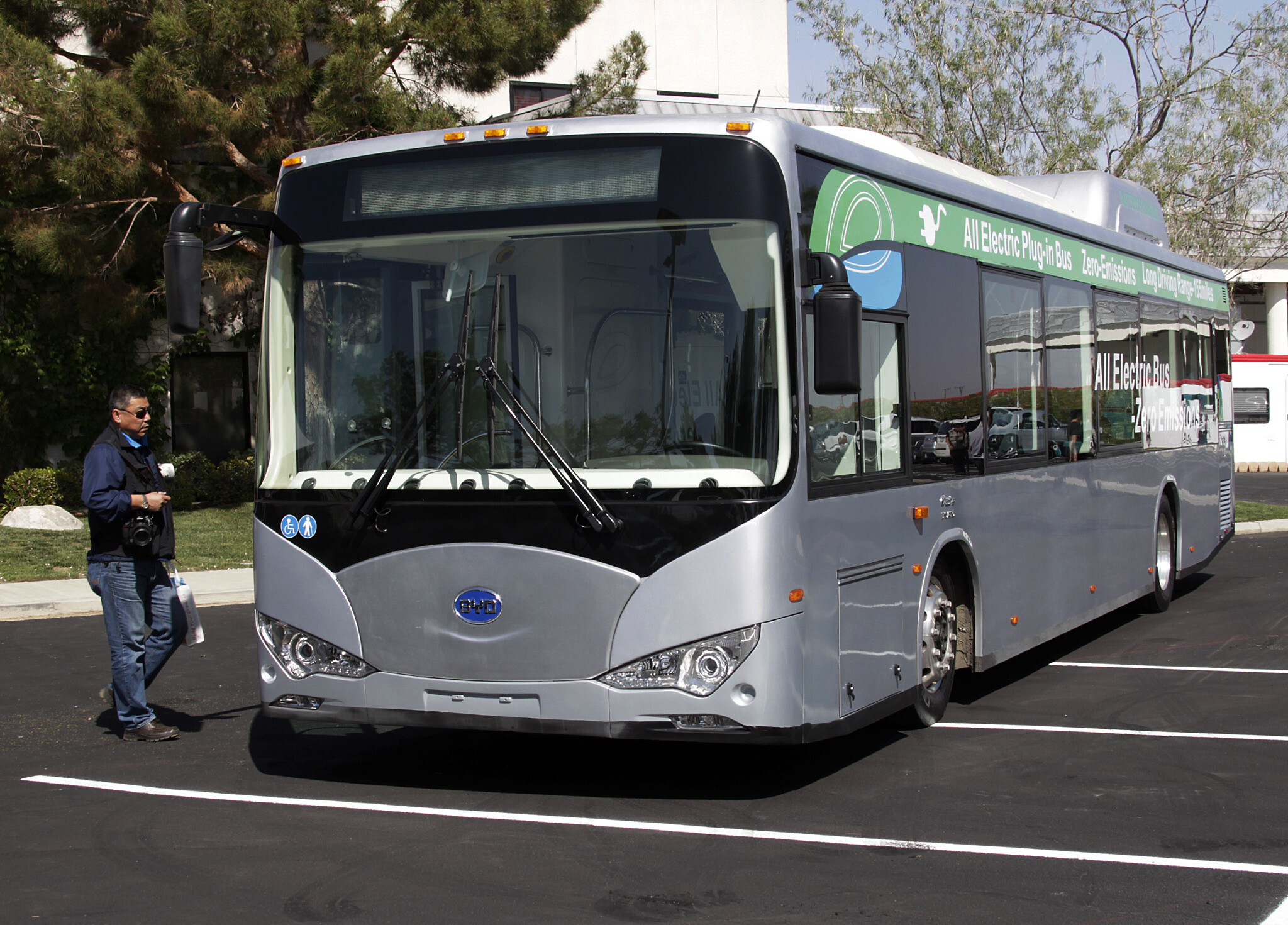
Europe is confronting similar concerns. Denmark and Norway, for instance, have recently faced scrutiny over a loophole that allowed Chinese-made electric buses into their public transportation fleets despite broader restrictions on Chinese participation in critical infrastructure.
National security officials in both countries acknowledged that the buses — packed with surveillance cameras, GPS modules, and telematics systems — could theoretically transmit operational data back to Chinese companies bound by Beijing’s intelligence laws. The controversy has fueled calls across Scandinavia for harmonized guidelines on Chinese technology procurement.
In Oslo, the independent Project Lion Cage has spent two years probing how connected vehicles — especially those made in China — could be exploited for espionage or covert operations.
Led by cybersecurity specialist Tor Indstoy, the project centers on penetration testing of his own Chinese-made family car. Indstoy found that roughly 90% of the data generated by Chinese EVs is transmitted back to servers in China, regardless of where the cars are operating — a finding that has alarmed European security experts and highlights the threat of uncontrolled data flows.
China itself has taken restrictive measures against foreign-made connected cars. In 2021, American Tesla vehicles were barred from entering Chinese military compounds and residential facilities over fears that their onboard cameras could gather sensitive information.
Since then, an increasing number of Chinese government-linked organizations, local authorities, highway operators and exhibition centers have quietly restricted Teslas from certain areas.
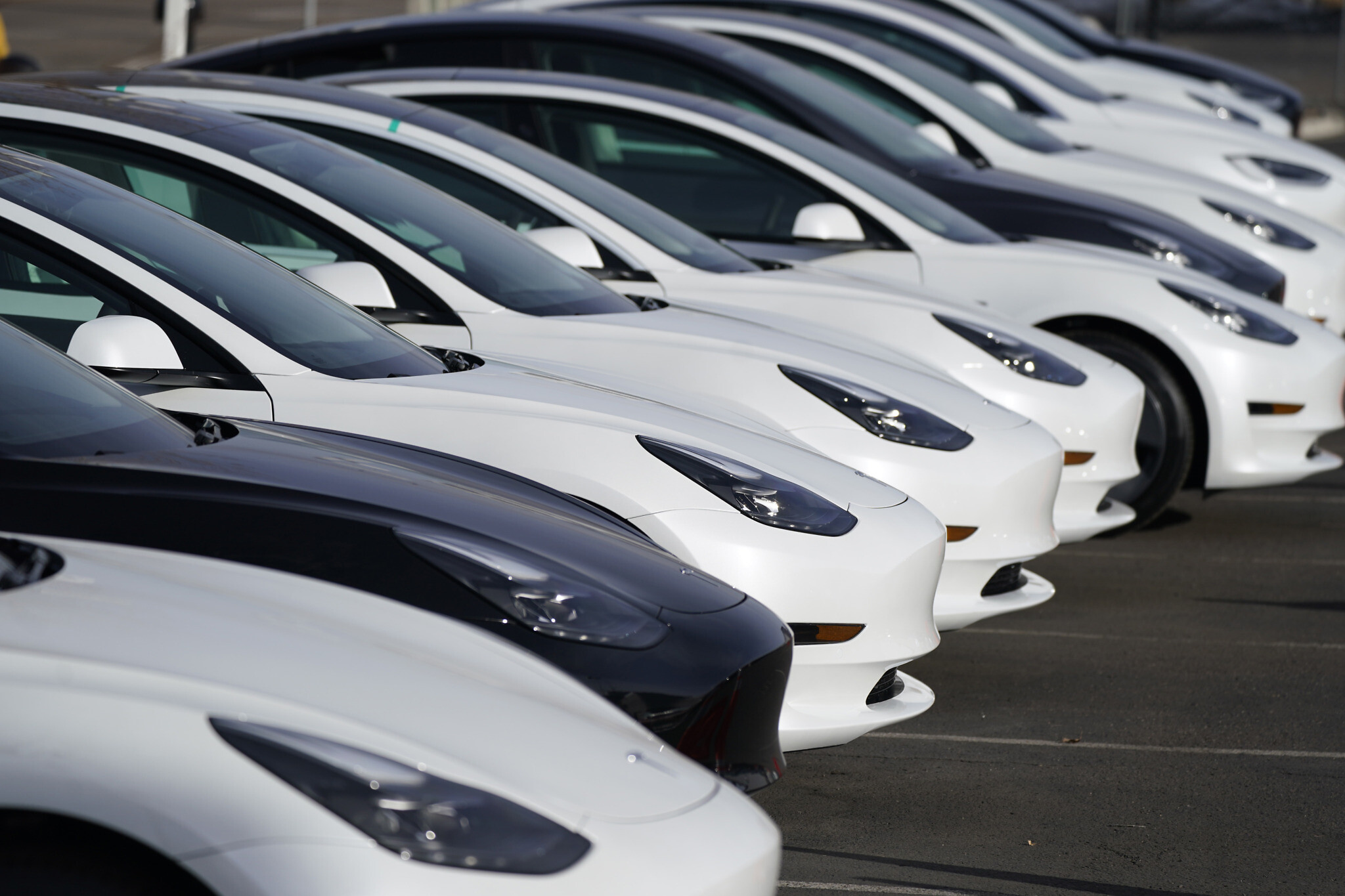
For Orion, China’s own behavior is a revealing indicator of what these systems are capable of.
“It reflects what [China] knows can be exploited,” he said, adding that the restrictions show “not only what they think of Tesla and what it can do to their security, but also what [China] can infer from what they [themselves] are doing with other people’s cars.”
Killing machines
While much of the conversation around Chinese-made EVs centers on data harvesting, experts warn that the physical capabilities of connected cars may pose an even more alarming set of threats due to the ability to control them remotely.
Chafetz stressed that the idea of weaponized EVs is no longer the realm of science fiction but a realistic scenario enabled by existing technology.
“It’s not fantasy — a lot of people have a hard time believing it, but the technology is there,” he said.
In theory, you have remote-control incendiary devices throughout a country that you might be engaged in hostilities with.
According to Chafetz, if a hostile actor were able to remotely access or control a fleet of vehicles, the consequences could be sweeping. EVs could be repurposed as mobile communication relays, enabling covert networks inside a rival state; they could be commandeered to block essential transportation junctions, paralyzing emergency response or supply routes; and, in the most extreme case, their lithium-ion batteries could be triggered to ignite.
“In theory, you have remote-control incendiary devices throughout a country that you might be engaged in hostilities with,” he predicted.
Orion agreed that the threat of remote physical attacks — from igniting a battery to orchestrating mass disruption — is not hypothetical but technologically feasible.
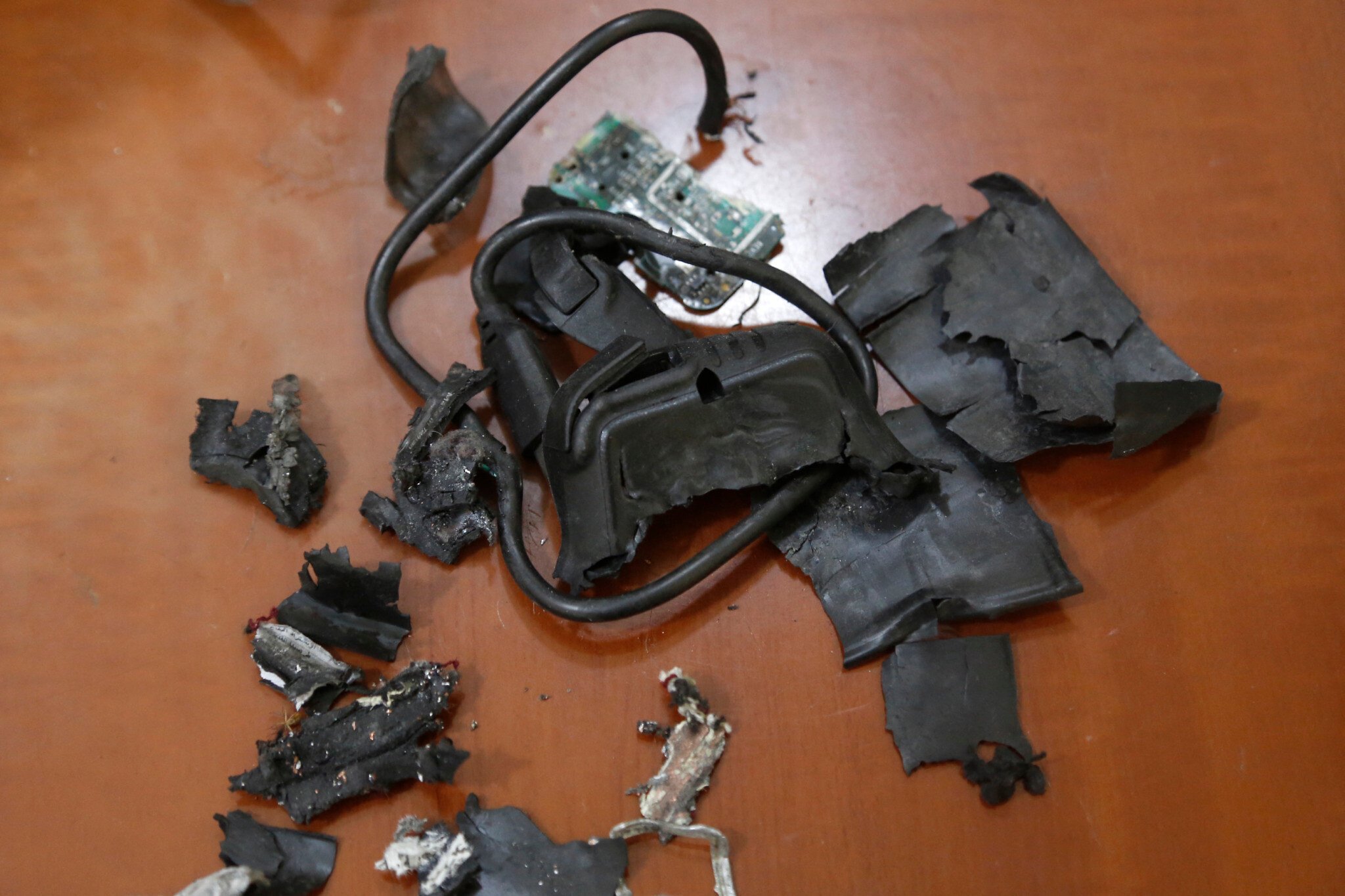
Israel proved this — albeit with more primitive means — with its September 2024 beeper and walkie-attack attack on Hezbollah in Lebanon, in which Jerusalem simultaneously remotely detonated thousands of small bombs hidden in otherwise benign devices, wreaking widespread havoc across the terror group’s ranks.
“These threats are real… the question is what is the probability that it will be used in such a way,” he said. While he views Israel as a less likely target, he warned that other regions may be far more vulnerable.
“In this sense, I think Israel is not high on China’s hit list. I would guess Taiwan is a better place to test drive those theories,” he noted, referencing Beijing’s mounting military pressure on the island over recent months.
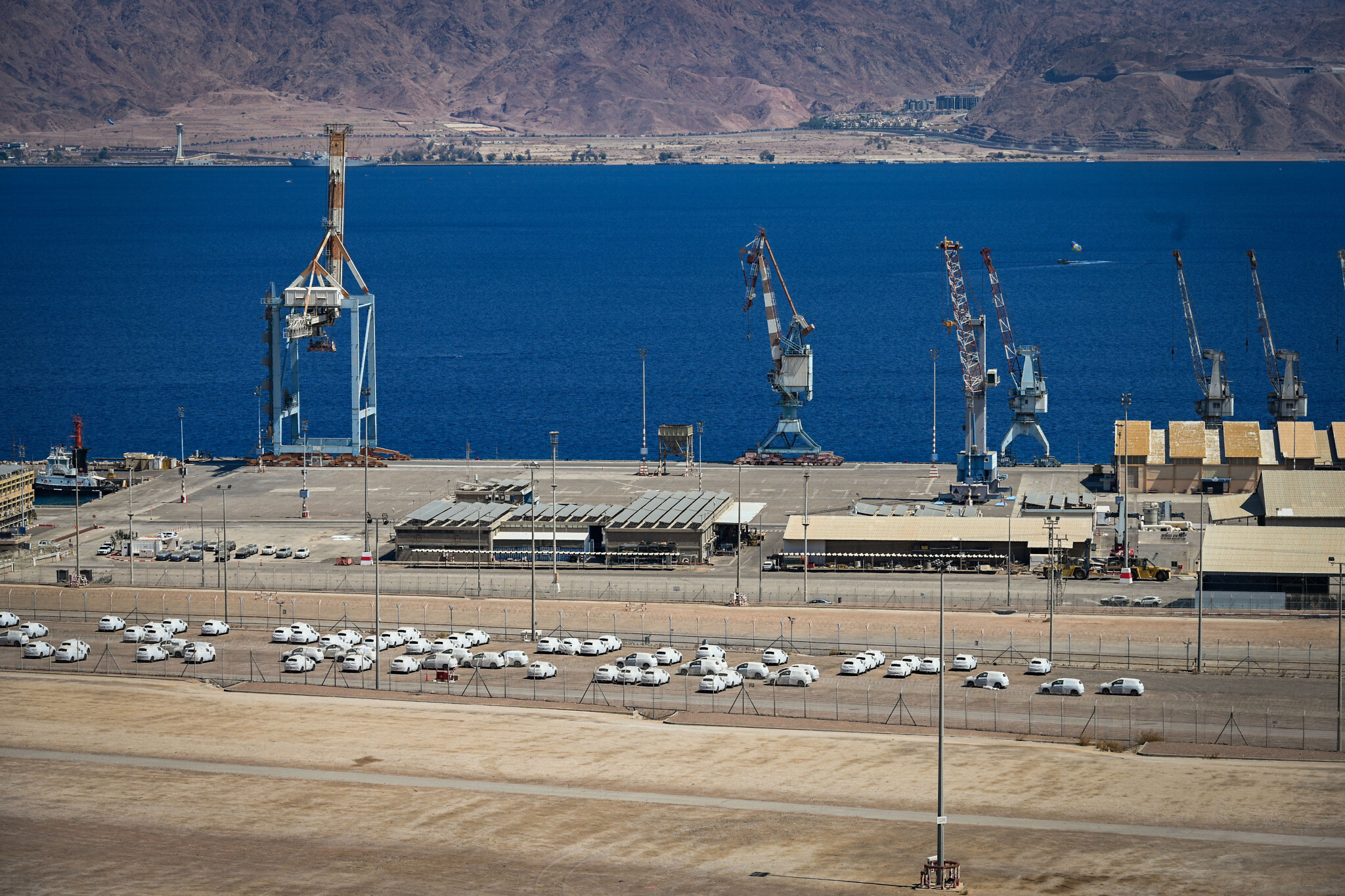
Despite generally friendly ties, Israelis remain cautious toward China. A 2024 INSS survey found that 54% view Beijing as unfriendly or hostile, and 26% say their perception has worsened since Hamas’s October 7, 2023, attack on Israel.
Many in Israel view China as informally aligned with Russia, Iran and other adversaries of the West.
Chinese President Xi Jinping called for a permanent ceasefire just two weeks after the October 7 Hamas assault and statements from Beijing have generally shown a preference for the Palestinian position, though China has maintained a relatively minor role in regional diplomacy.
So far, China’s activity in Israel has largely focused on aggressive data collection rather than disruptive operations, but some are wary that conditions could change.
“I wouldn’t buy any connected device that’s manufactured or controlled in China,” Chafetz warned bluntly. “To a degree, the data ship has sailed… but that doesn’t mean we just give up.”

Orion emphasized that Israel’s response to the potential Chinese threat has been measured thus far.
The IDF’s recall of Chinese vehicles was a targeted move aimed specifically at protecting military sites, not a broad US-style ban on Chinese EVs. He noted that Israel generally avoids sweeping restrictions, though it has limited defense exports to China since 2005 and more recently blocked Chinese involvement in 5G infrastructure.
But even if there is wariness, the two countries are not at the point of being adversarial.
“Israel has enough enemies already,” Orion quipped, “so hopefully China won’t become one.”









The Times of Israel Community.