

In granting a pardon, Herzog would validate PM’s narrative that only he can lead the country
An unequivocal pardon would effectively back Netanyahu’s assertion that he bears no responsibility for alleged crimes, or for October 7, and tear the public apart
 Add ToI as a Preferred Source on Google
Shalom Yerushalmi is the political analyst for Zman Israel, The Times of Israel’s Hebrew current affairs website
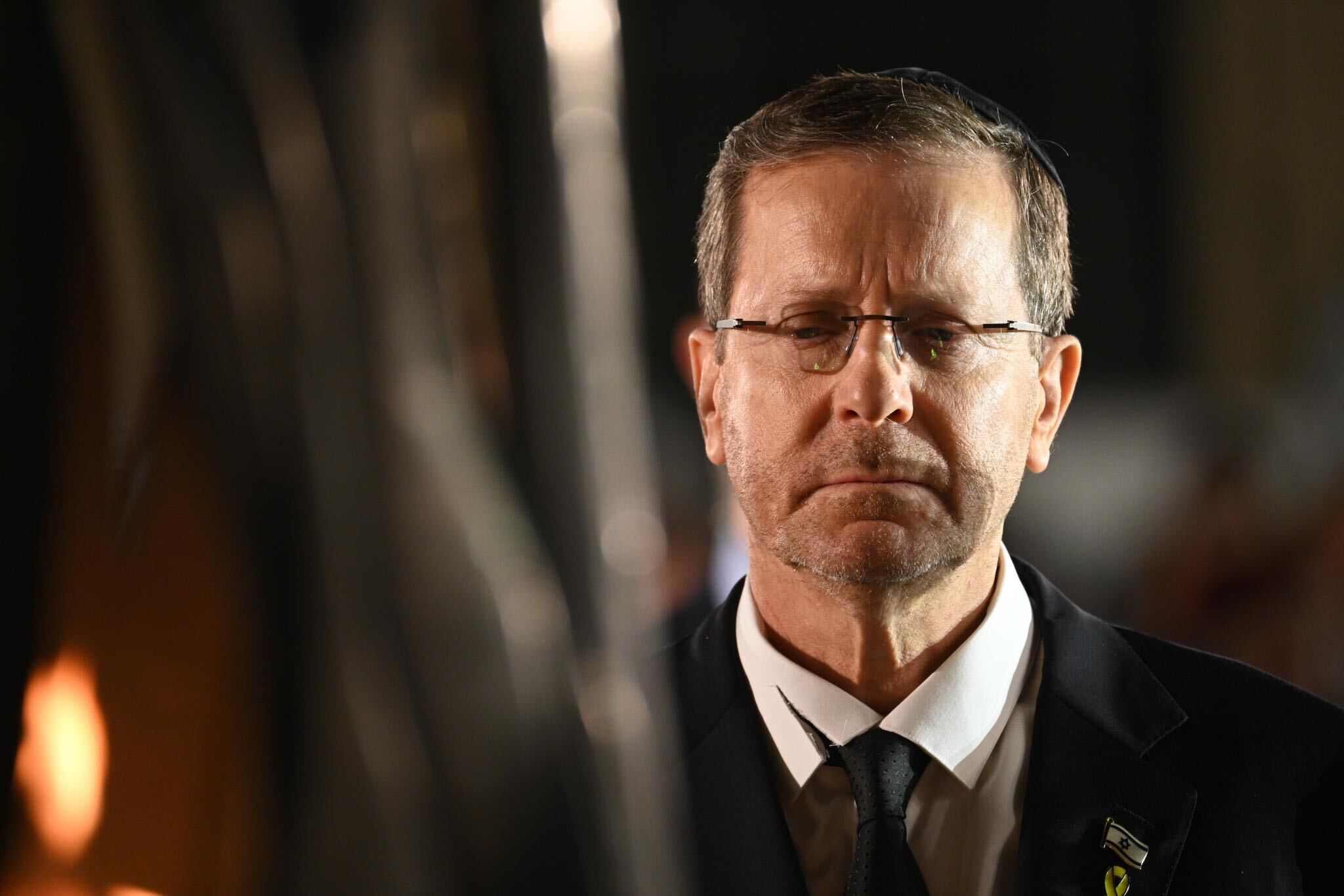
As he grapples with Prime Minister Benjamin Netanyahu’s request for a pardon without any admission of guilt, President Isaac Herzog is facing a political, national and leadership decision unlike any he has encountered in his largely ceremonial role.
Herzog once said that the most critical decision he ever made was as a member of the security cabinet that voted in September 2007 to bomb what Israeli intelligence had determined was a nascent Syrian nuclear facility near Deir Ezzor. Herzog recalled that his hands trembled at the time.
Those who know Herzog well believe he is not the sort of person to grant an unprecedented and unequivocal pardon to Netanyahu. Such a decision would tear the public apart rather than unite it, and it would impact Israeli society for many years to come.
Herzog is good, however, at holding talks and making attempts at conciliation and mediation, though they have not always been successful.
In 2023, as the contentious judicial overhaul advanced by Netanyahu’s coalition fractured the country, Herzog tried to resolve the crisis in meetings at his residence in Jerusalem. But it was precisely there, of all places, that the sides entrenched their positions, and the plan to hobble the judiciary remained in place. At a certain point, Herzog just gave up.
“What can I do, the country decided to go crazy,” Herzog said in despair on one occasion, after yet another round of mass demonstrations for and against the judicial overhaul filled the streets outside his official residence.

Herzog also tried to help behind the scenes of Netanyahu’s corruption case, working to stitch together a plea bargain for the premier that would have involved him admitting to certain charges and stepping away from political life. Sara Netanyahu was also involved in the conversations held by Herzog, one of them even as the couple vacationed in Hawaii.
If such a deal had been signed, Herzog would not have stood alone on the frontline of the momentous decision, but instead would have taken a step back and allowed the State Prosecutor’s office and Netanyahu’s lawyers to stand at the forefront.
However, that process failed because Netanyahu was not willing to retire from politics – not then, and not now.
I have a feeling that Herzog would be willing to waive this condition and leave Netanyahu as prime minister, but he does not have the courage to make such a move. Herzog has not forgotten that he serves as president only thanks to the quiet support Netanyahu gave him behind the scenes when he was elected by the Knesset in May 2021.
Was there a prior agreement between the two – support in exchange for clemency? Herzog denies it.
Will the president break expectations this time, make a decisive move, and grant Netanyahu the most problematic pardon in Israel’s history?
It is too big a step for him to take. Rather, he will look for a middle ground: a conditional pardon or a return to discussions on a plea bargain, this time in the framework of the prime minister’s official request.
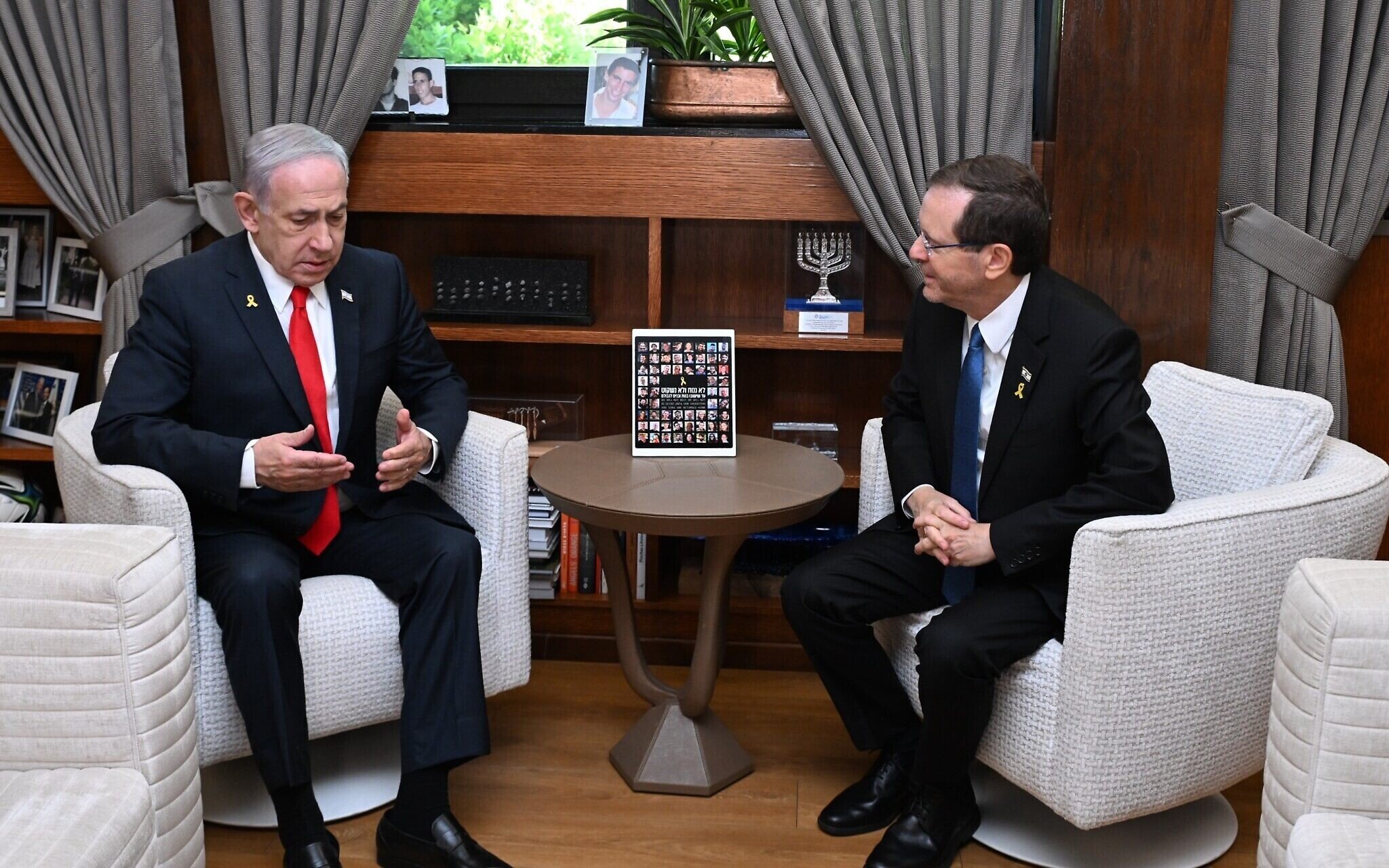
The weight Herzog carries on his shoulders is particularly heavy. He must understand, for example, that a pardon for Netanyahu effectively means dismantling the demand to establish a state commission of inquiry into October 7.
Granting the premier clemency would mean a stamp of approval from the president that Netanyahu is worthy of continuing to lead the country, even after the October 7 disaster, which unsurprisingly is not mentioned in the lawyers’ request or in Netanyahu’s personal letter to Herzog.
Netanyahu’s scandalous request also relies on what the prime minister described at length as huge successes in the diplomatic and defense fields. Granting a pardon, the request said, will allow Netanyahu to continue to lead the State of Israel into a prosperous and more secure future.
However, if Herzog accedes to this request, Netanyahu will not heal the rifts in the nation, as he promises. No one can change this prime minister at the age of 76.
Netanyahu is not a unifying figure, but rather someone who thrives on internal societal conflict and has long nurtured it, well before the saga of his criminal investigations began in 2016.
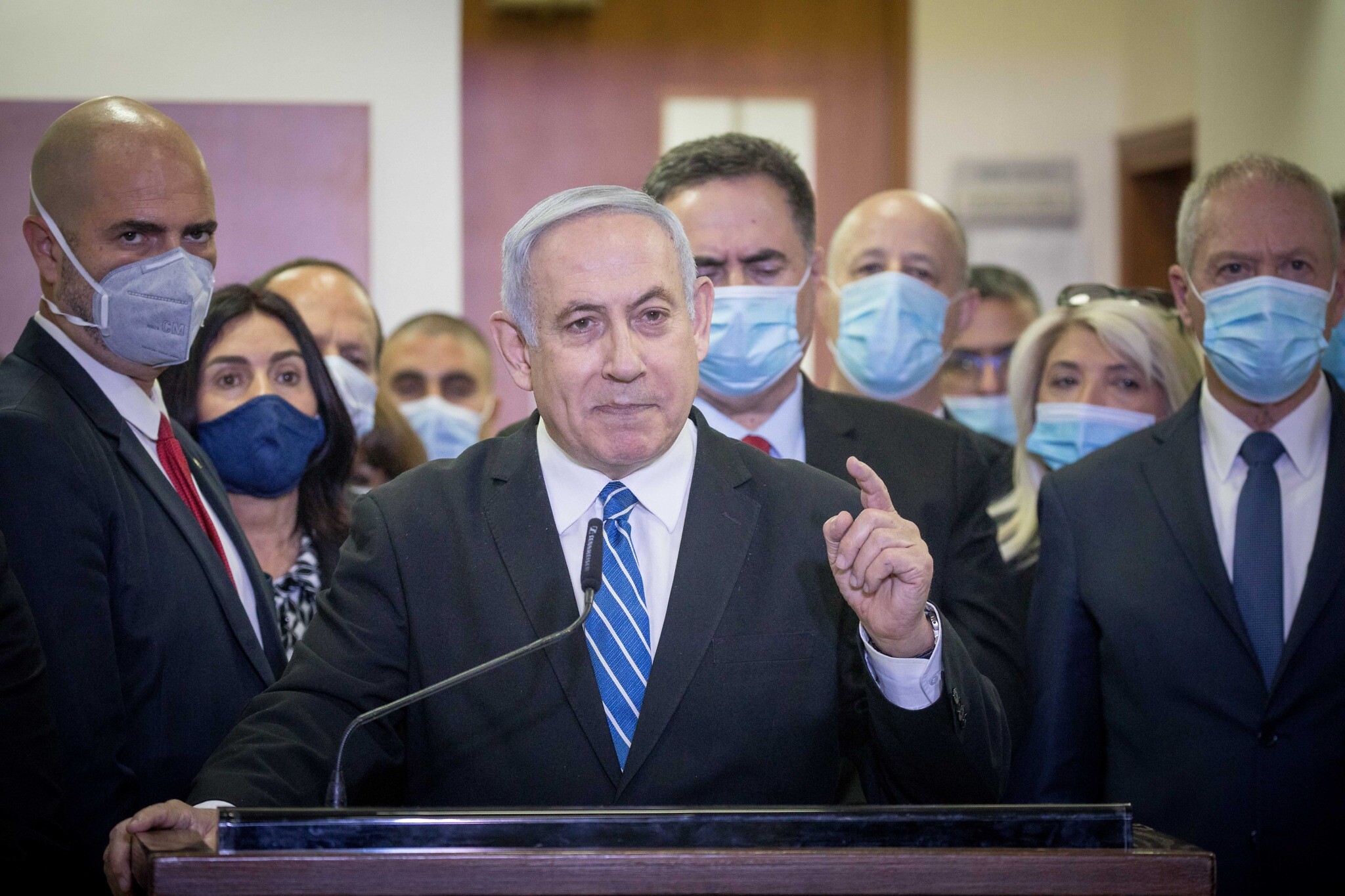
Netanyahu has promised reconciliation if he receives a pardon. The cynicism is glaring, coming from a man who is working to dismantle the country’s law enforcement institutions and judicial system.
If the evidence against him in the corruption trial is indeed collapsing, as Netanyahu has stated in his pardon request, then the prime minister should accelerate the pace of the hearings and beat down the charges against him as quickly as possible, once and for all.
But in practice, Netanyahu constantly complains that the trial is advancing too quickly, with too many hearings a week (three days!), as he tries to delay progress and the eventual judicial ruling.
And what about reconciliation? Netanyahu’s pardon request does not potentially reunite the fragmented nation, but instead only further rips it apart. Perhaps this is another political calculation by the prime minister.
The national discourse in the coming days, weeks and months will be about whether Netanyahu should be granted a pardon. The anti-government protest movement, which has somewhat calmed down with the ceasefire in Gaza, will reawaken in the face of the extreme drama dictated by the prime minister.
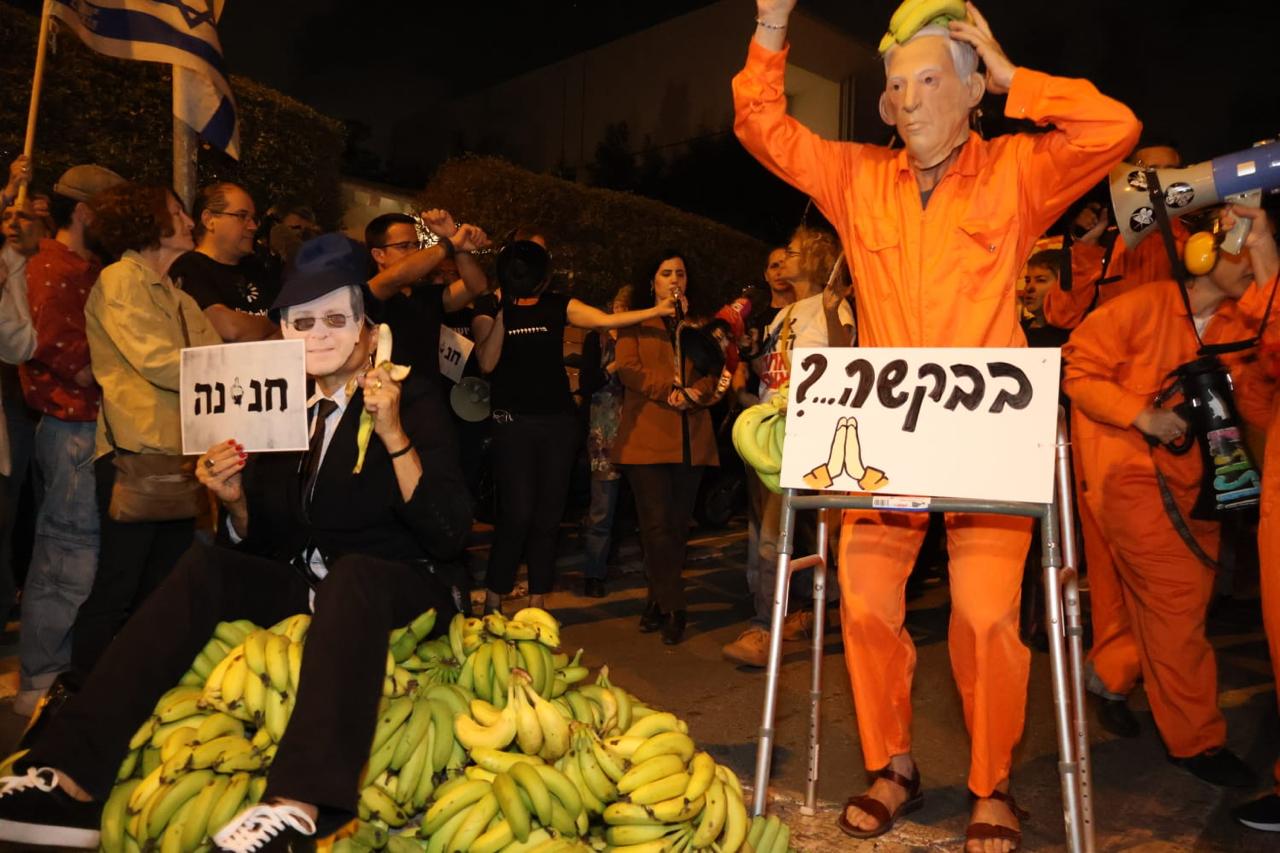
It is very possible that this is what Netanyahu wants: an election campaign that runs on the pardon request and a political campaign based on the messianic text he submitted on Sunday to the president.
Meanwhile, the request distracts from the controversial Haredi draft exemption bill revised by Likud MK Boaz Bismuth, which the Knesset’s Foreign Affairs and Defense Committee began discussing on Monday.
Indeed, according to the request, Netanyahu believes he is the absolute savior, the one who must lead the country, the one whose leadership Israel needs. In fact, it implies, Israel should be thankful that Netanyahu is willing to accept clemency and continue providing the country with his useful services.
“The good of the State of Israel and its citizens requires the termination of the criminal proceedings currently underway,” as it is written.
In other words: If Herzog grants a pardon to the prime minister, he is essentially supporting and backing Netanyahu’s words of self-praise, according to which he can from now on “dedicate his full strength, energy, and mind to leading the State of Israel in these historic days.”
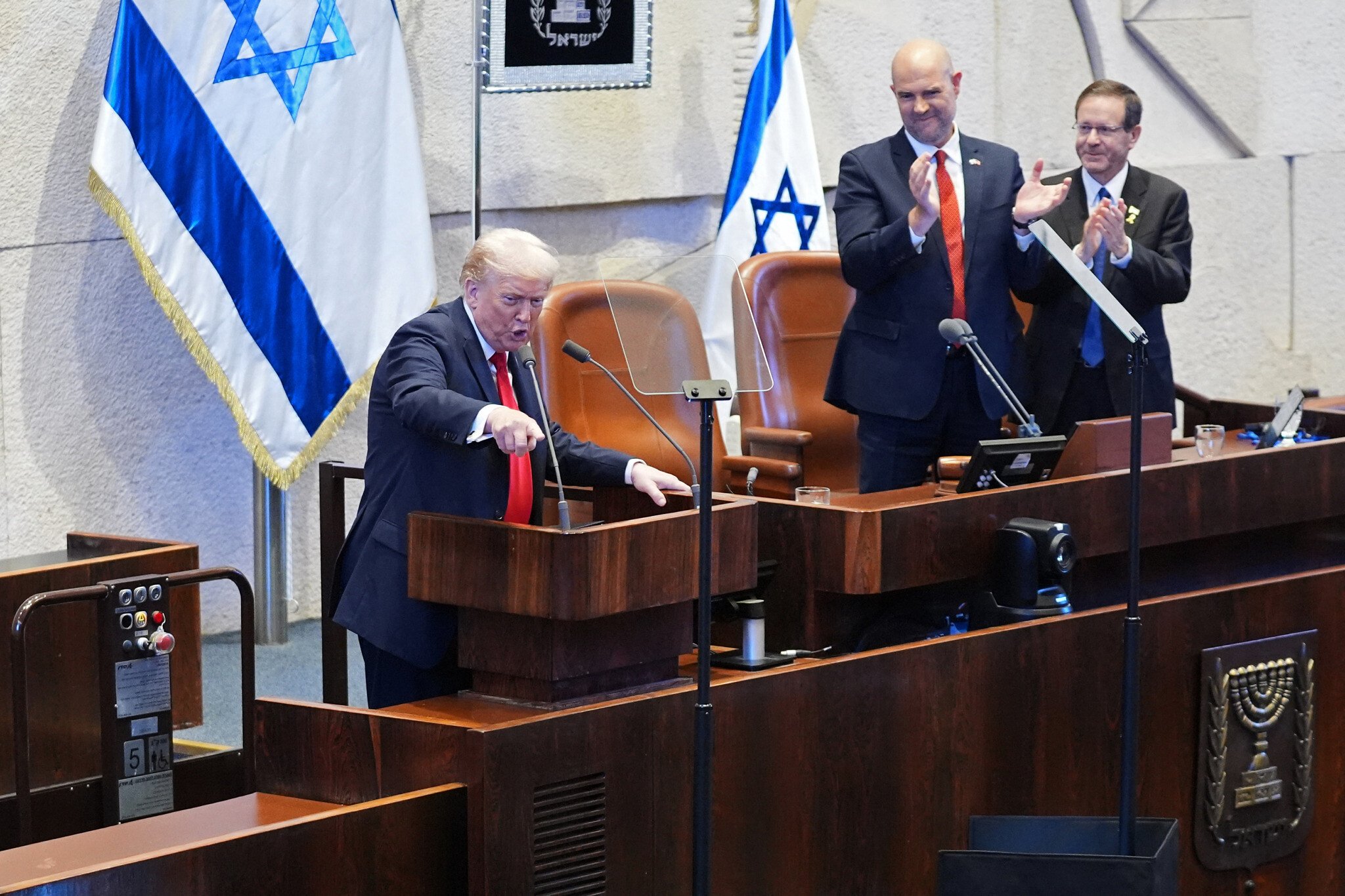
What is this if not a political alignment of Herzog alongside Netanyahu in an election year, for a president who is formally meant to stand above party politics, at a time when at least half the nation is convinced that Netanyahu is the person least worthy of leading the country in such critical days?
And finally: The intervention of US President Donald Trump – which the request also cites in the form of the personal letter Trump sent urging the president to pardon Netanyahu – should serve only to insult Herzog if he truly represents the sovereign State of Israel.
The US president essentially determined that Israel’s law enforcement authorities are “making trouble for Netanyahu” and therefore the premier is worthy of a pardon.
The Israel Police, the State Prosecutor and judges in various courts have determined that Netanyahu should stand trial for the acts he allegedly committed. The president must stand by these law enforcement agencies and require the conclusion of the trial, unless Netanyahu admits to the offenses and pays the price for them.
With all due respect to Trump’s requests, and whatever Herzog regards as his dilemma, this is what Israeli law requires.







The Times of Israel Community.