

Iran said to have relied on Russian satellites to carry out major strike on US base — report
A CNN investigation details how 14 Russian satellites flew over an American air base in Saudi Arabia days before March attack that destroyed vital US military assets
 Add ToI as a Preferred Source on Google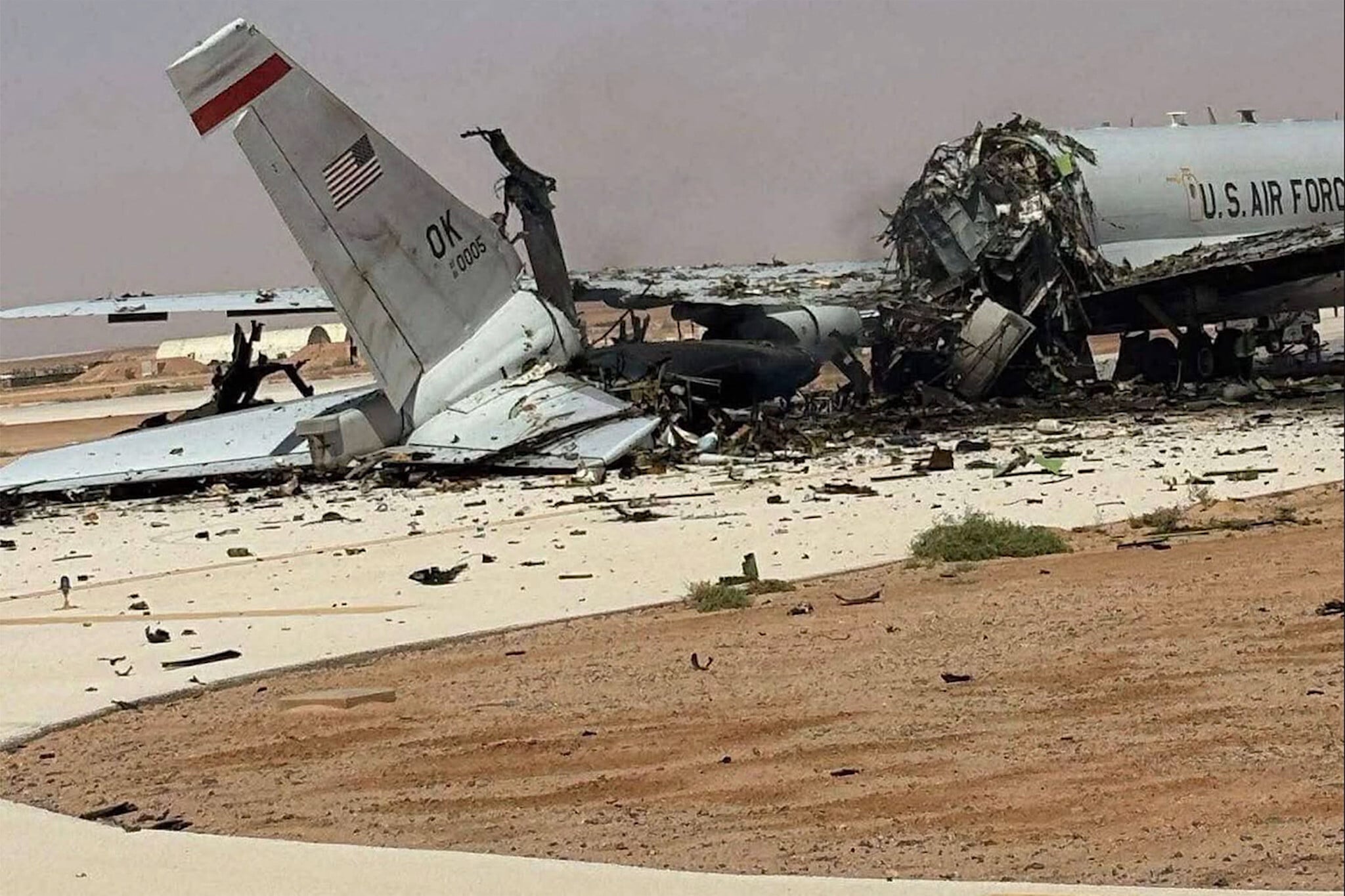
Fourteen Russian spy satellites flew above a US military base in Saudi Arabia in March, just days before a major Iranian strike during the US-Israeli war with the Islamic Republic, according to a CNN investigation broadcast on Wednesday.
The March 27 attack on the Prince Sultan Air Base, involving at least one missile and several drones, wounded 12 US service members and damaged or destroyed key US military equipment, including a Boeing E-3 Sentry, an Airborne Warning and Control System (AWACS) plane that can track aircraft and missiles from hundreds of kilometers away.
CNN cited unnamed US sources who said information from Russian satellites played an integral role in helping the Iranians carry out the high-precision strike.
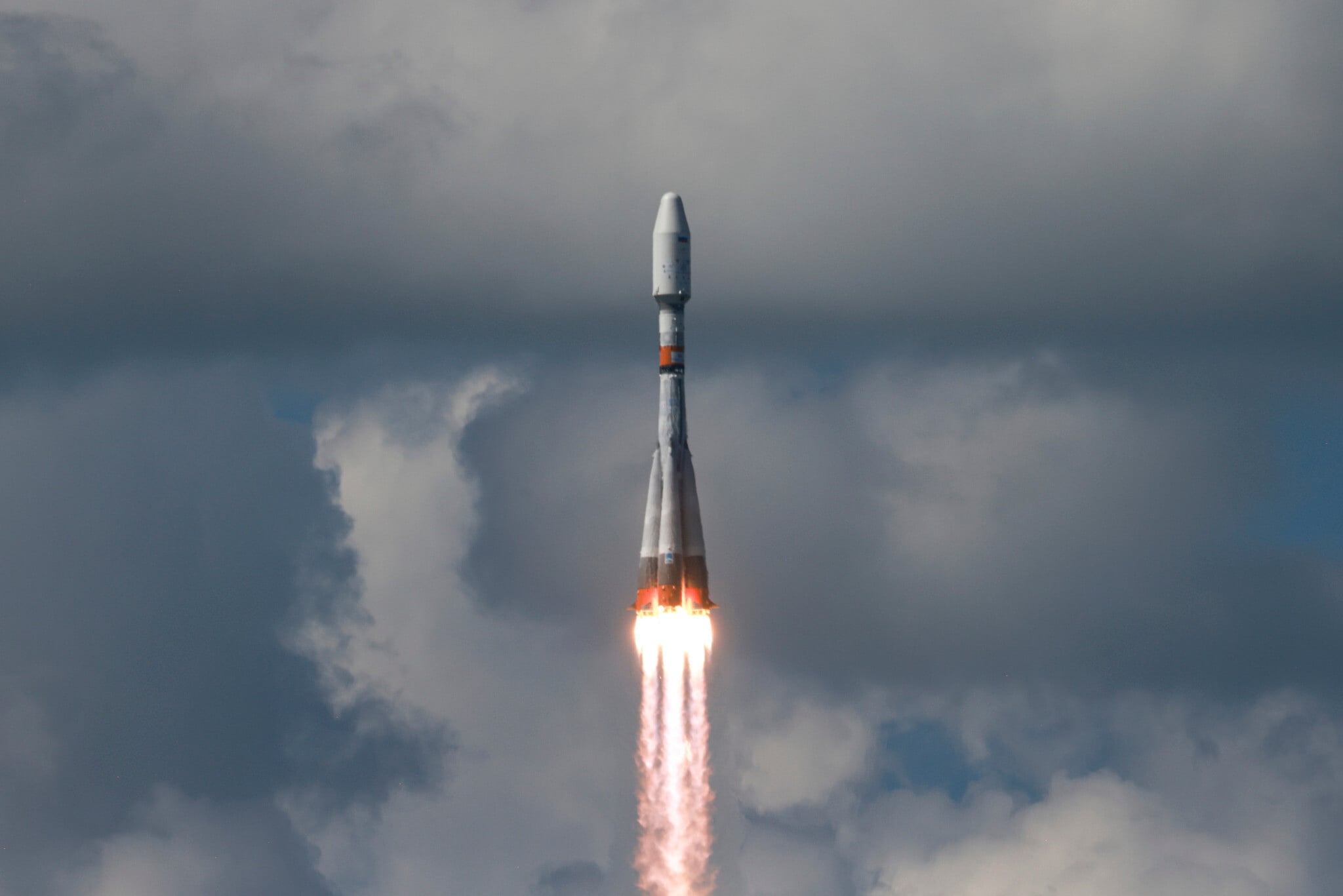
While the network did not get access to the Russian satellite images, it did use orbital data that track satellites, with help from the European Space Agency’s Aurora Program and the American company Kayhan Space. The network showed imagery of the Russian satellite Cosmos 2573 flying over the Prince Sultan Air Base, along with 13 other Russian spy satellites, two days before the attack.
The Cosmos 2573 has detailed imaging capabilities, including synthetic aperture radar, or SAR, that can gather information even in cloudy conditions or darkness and can detect physical changes to high-value assets, CNN said.
CNN noted that even though the AWACS plane was not parked in its prewar location, the Iranians managed to locate and destroy it.
CNN senior investigative reporter Tamara Qiblawi said sources told CNN that the satellites gave Iran targeting information a number of other times over the course of the war, including for a CIA facility in Riyadh, the Saudi capital, that was damaged.
“The war wouldn’t be where it is today if it wasn’t for the unique capabilities that the Russians gave to the Iranians,” Nawaf Obaid, a senior fellow at King’s College in London, told CNN.
The network said sources pointed to intelligence provided by the US to Ukraine in its strikes against Russia as a reason for Russia’s involvement in helping Iran.
“You have to see it this way: This is Russian payback with interest,” Obaid said. “It’s monumental in terms of the consequences of what this has done not just to the US standing in the region but to the security architecture of the region going forward.”
Ukrainian President Volodymyr Zelensky has previously said that Russia provided Iran with satellite images of the Prince Sultan Air Base.
“I think that it’s in Russia’s interest to help Iranians. And I don’t believe — I know — that they share information,” Zelensky said in an interview with NBC after the the attack.
Zelensky told NBC that he received daily presidential briefings from Ukraine’s spy agencies showing that Russian satellites took images of the airbase in Saudi Arabia on March 20, March 23 and March 25, implying an attack was being planned.
A Kremlin spokesperson has denied Russia’s role in providing satellite imagery to Iran.






The Times of Israel Community.