

Is Sobibor to be the new ‘Disneyland’ of Nazi death camps?
Without a fence or a guard, Polish visitors walk their pets and ride bikes while crunching human bones lying exposed on the grounds
 Add ToI as a Preferred Source on Google
Reporter at The Times of Israel
SOBIBOR, Poland – In the middle of Polish nowhere and just the size of a football field or two, the former Nazi death camp Sobibor is packed with action.
Three months ago, Polish and Israeli archeologists excavated the symbolic core of the one-time killing center, the Nazi-built gas chambers where 250,000 Jewish men, women and children from all over Europe were murdered during the Holocaust.
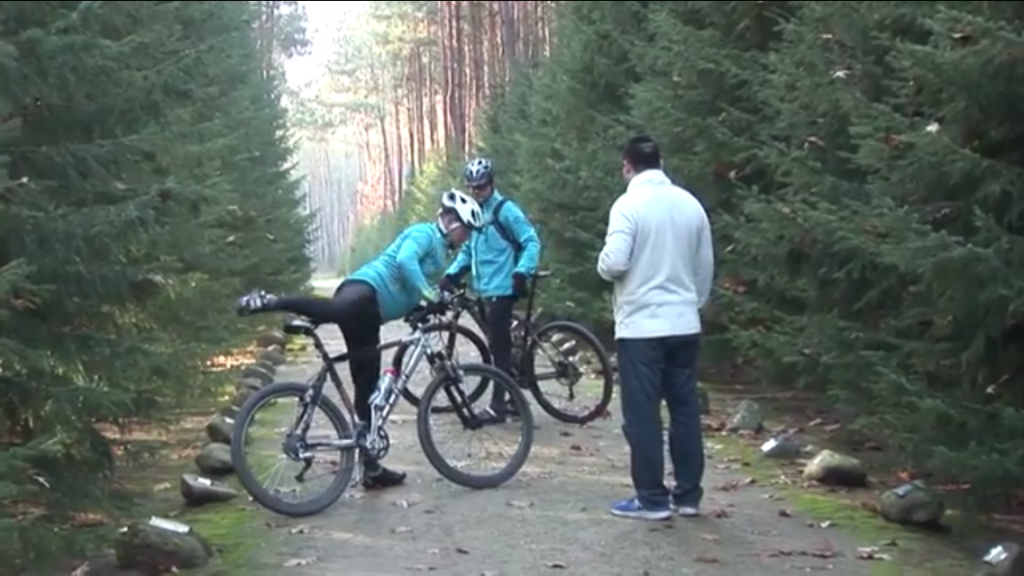
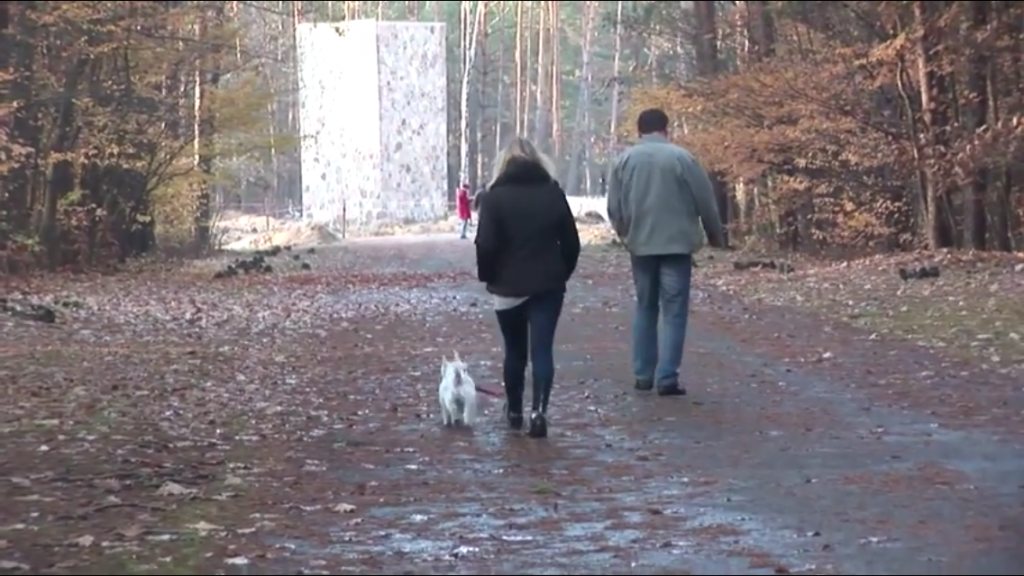
Above these sensitive Holocaust remains, as well as atop the adjacent area of mass graves, cyclists regularly weave their way through the former death camp, known among locals as a “shortcut” between roads. Sobibor also attracts numerous dog walkers — and even some cat walkers.
During The Times of Israel’s visit to Sobibor on November 11 – Poland’s National Day – several visitors were observed picking through the newly dug out gas chamber remains – mostly bricks – and poking around in the sand with their feet.
To say that oversight and maintenance at Sobibor are below that of most public parks would be an understatement.
Each spring thaw, like clockwork for three generations now, the grounds literally spit out the most sensitive evidence of the Holocaust – the remains of Sobibor’s victims, in the form of hundreds of bone fragments — some the size of coins — left over from the Nazis’ attempt to destroy the evidence.
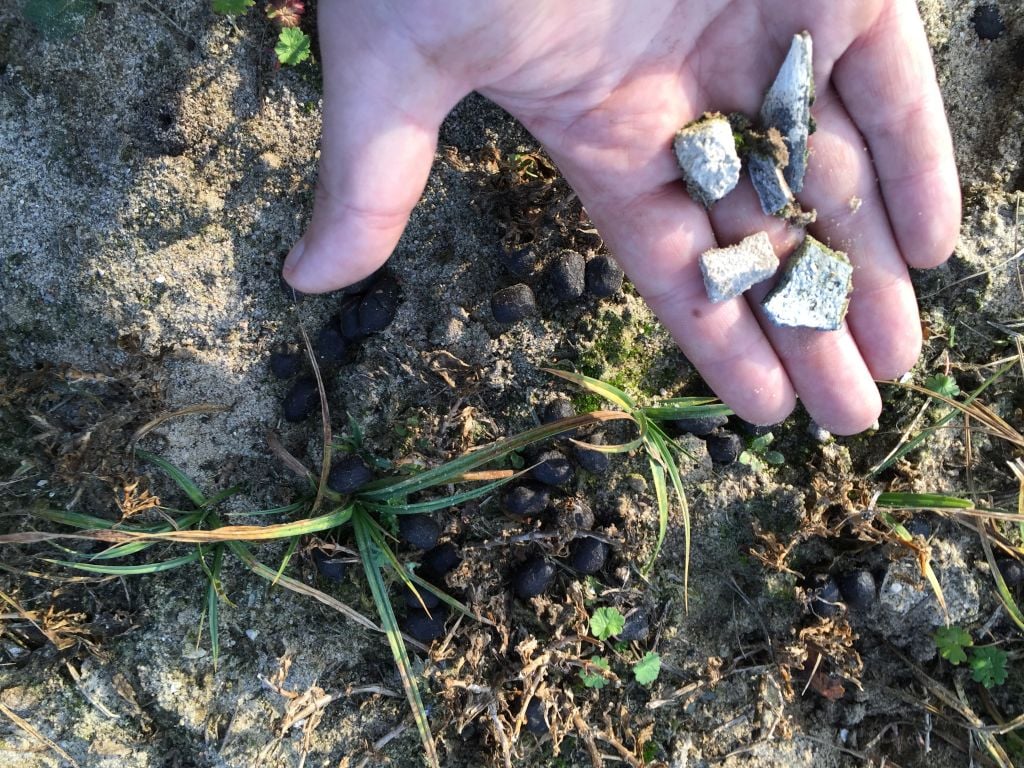
After victims’ bodies were burned in open-air crematorium, the remaining bones were ground down and tossed in with the ashes. New, often gleaming white bone fragments rise up each spring, easy to pick out among the incessant animal excrement and tire tracks.
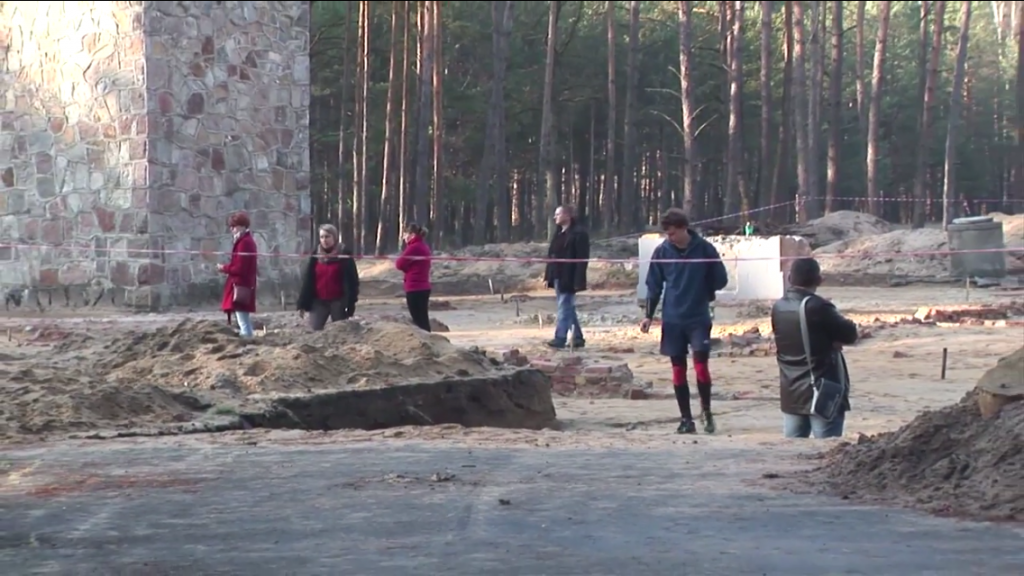
Without a fence, proper signs or a guard posted, people walk their pets on top of these human remains, literally crunching the bone fragments with their feet. Dogs and other animals relieve themselves here, and the muddy, leaf-crusted ground shows paw prints, fresh tire treads and cigarette butts everywhere.
With this combination of the world’s most inappropriate dog park and impending tourist infrastructure, some connected to Sobibor claim the site’s transformation is going too far. In the months ahead, large-scale construction will transform Sobibor forever, as authorities enact a long-incubated plan to build a museum, visitor center and various memorial structures throughout the camp.
“We don’t want this to become the Disneyland of death camps,” said Jonny Daniels, founder and executive director of the Poland-based From the Depths organization.

“The treatment of this place as one where pets relieve themselves, in addition to the construction of huge new buildings on top of camp remains, is very disturbing to many people,” Daniels said in an interview at Sobibor. “You can’t build in a death camp,” he said.
A 1987 television film called “Escape from Sobibor” — about the 1943 prisoner revolt — helped increase awareness of the camp, as have the past seven years of on-site excavations.
Now, Sobibor’s artistic development plans, approved by an international steering committee including Israel’s Yad Vashem, will permanently transform one of the least visited former Nazi death camps in Poland.
For more than a year, Daniels has engaged Poles in recovering a largely decimated Polish Jewish past. Much of the 28-year-old British-Israeli PR wiz’s attention has gone toward hunting down and recovering pre-Holocaust Jewish tombstones, many hundreds of thousands of which were used to lay roads, shore up riverbanks, and build houses all over Poland.
Like the multinational scientists who’ve dug at Sobibor, Daniels is systematically unearthing the traumatic Jewish past with his own hands.
The camp’s development authorities say new tourist infrastructure will greatly increase the public’s engagement with Sobibor. However, Holocaust history “purists” like Daniels and some of the site’s excavators have spoken out against new construction, claiming it hurts future research prospects and robs the site of authenticity.
“Sobibor is surrounded by many hundreds of kilometers of forest,” said Daniels. “No tourist will mind walking 100 yards to a museum that is outside the actual camp,” he said.
Where Jewish victims were unloaded from cattle cars on “the ramp,” an asphalt parking lot will soon be paved. Tourist facilities will rise on top of the “undressing” area, where victims were herded along the so-called “Road to Heaven” that led to the gas chambers. Construction workers will dig deeper than ever at Sobibor, likely turning up new artifacts and camp features under the watchful eye of archeologists.
In the days ahead, excavators will cover the gas chamber remains with sand, according to Polish archeologist Wojtek Mazurek, in an interview with the Times at his home in Wlodawa, the town next to Sobibor.
For seven years, Mazurek has partnered with Israeli archeologist Yoram Haimi to conduct unprecedented excavations at Sobibor. Thousands of artifacts belonging to Sobibor’s victims have been uncovered, culminating with work started at the gas chambers this fall. Here, for 71 years, the killing factory’s brick foundations and a trove of personal artifacts awaited discovery.
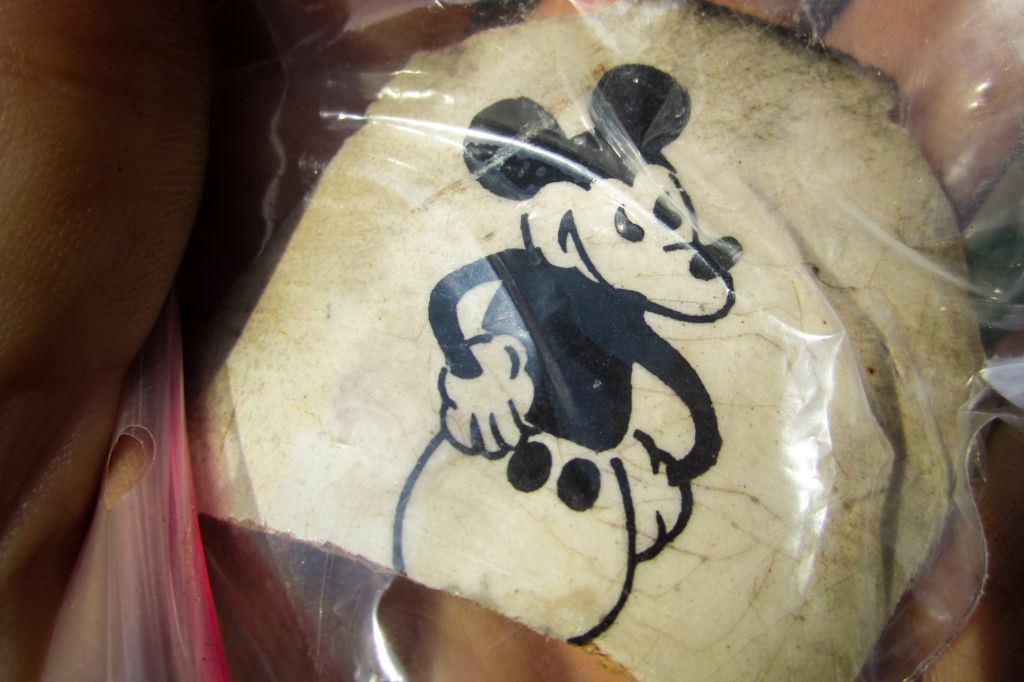
Published here for the first time, the team in September unearthed part of a ceramic cup bearing Mickey Mouse. Since 2007, several metal children’s nametags have also been discovered, which – like the Mickey Mouse cup – particularly resonate among the small circle of excavators because of the objects’ connection to Sobibor’s youngest victims.
‘If people are taking away the bricks, it means they know what we discovered there’
Within two weeks, Mazurek and team will coat the gas chamber foundation bricks with a special plastic to preserve them, at which point all the remains will be covered with sand. This will protect the bricks from both weather and vandals, said Mazurek.
Like Daniels, Mazurek is displeased by the ways in which human and pet visitors are interacting with the notorious death camp.
“It is not correct to come for a walk with your dog in this place,” said Mazurek. “If people are taking away the bricks, it means they know what we discovered there and they should be very ashamed,” Mazurek said.
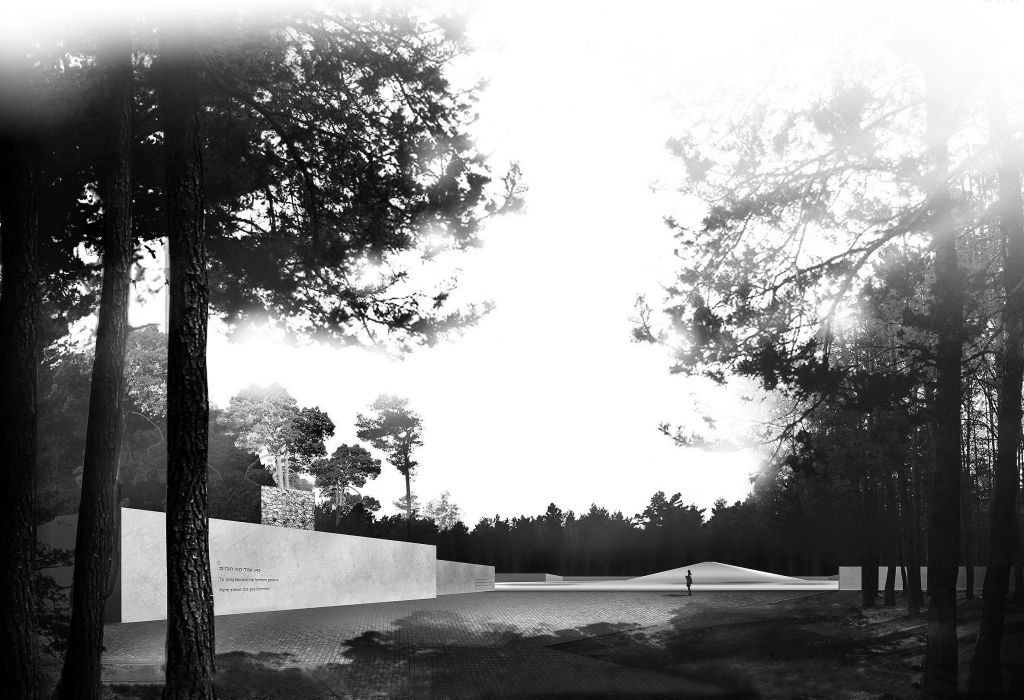
The museum and memorial construction plans for Sobibor — in the can for several years now — do not pay particular attention to the gas chambers area, largely because Soviet-era planners covered the area with asphalt half a century ago. Now that the gas chambers have been unearthed and dozens of vivid personal artifacts found there, Mazurek and others wonder what will become of this part of the camp during the overhaul.
‘When our children visit Sobibor, I hope they will not be subjected to a dog park with bikers unaware or not caring about this tiny piece of land, where a quarter of a million Jews were exterminated’
Alongside the spring’s imminent construction, Daniels hopes to lead From the Depths in staging one of its largest “actions” to date, with volunteers methodically gathering the bone fragments covering Sobibor for a proper Jewish burial. The project could be the group’s most high-profile action since January, when Daniels brought more than half of Israel’s Knesset members to Poland for a ceremony at Auschwitz-Birkenau.
Outraged by conditions at Sobibor, Daniels seeks to “restore dignity and respect” to the former death camp’s victims, regardless of how construction plans move forward.
“I hope that in the future, when our children visit Sobibor, they will not be subjected to a dog park with bikers unaware or not caring about this tiny piece of land, where a quarter of a million Jews were exterminated,” said Daniels.










The Times of Israel Community.