

ISIS, al-Qaeda have evolved in last decade, still pose global threat, say analysts
A decade after deadly jihadist attacks in Paris, terror groups have undergone reconfiguration, losing sanctuary in Syria and Iraq and becoming most active in Africa
 Add ToI as a Preferred Source on Google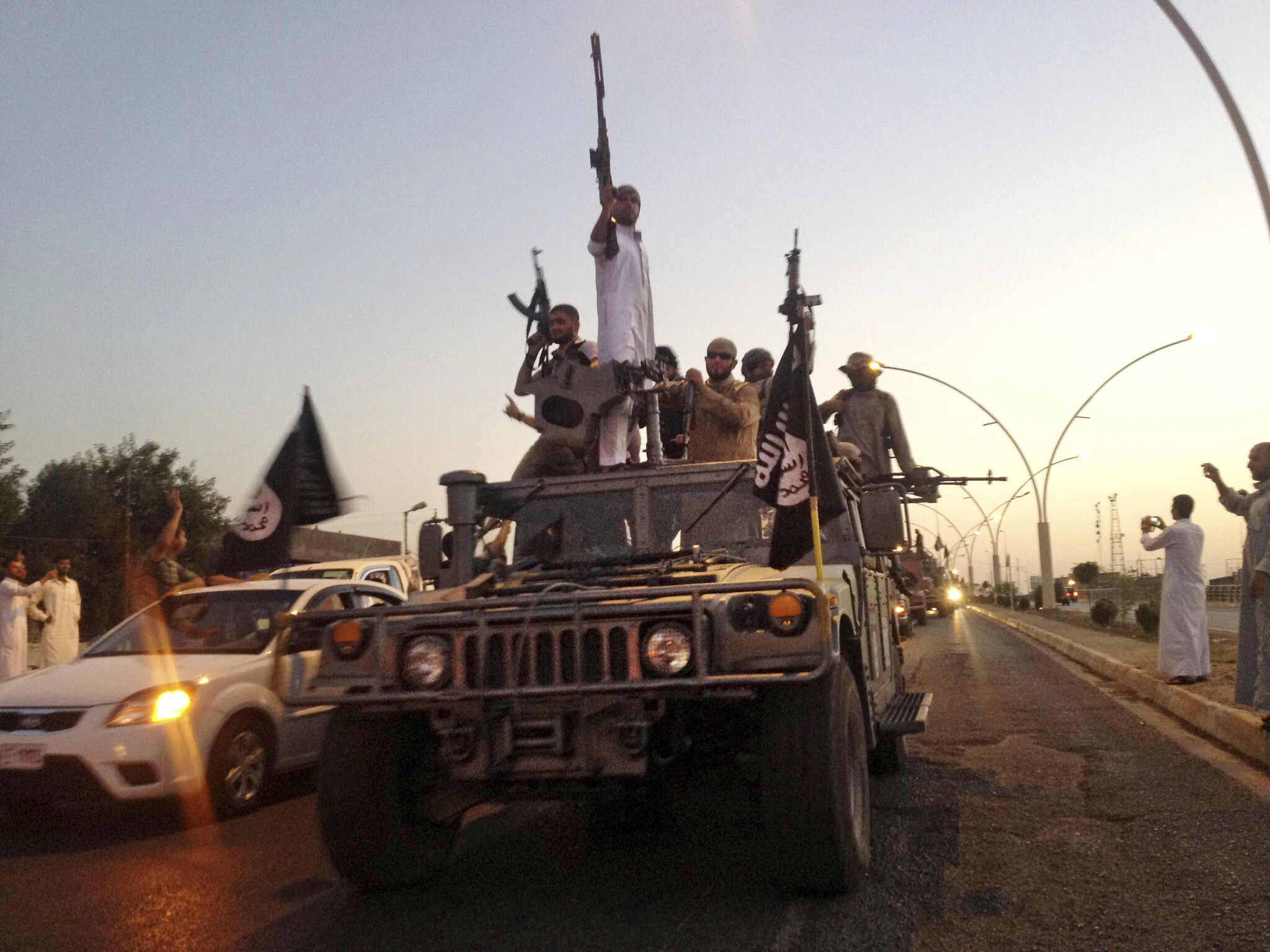
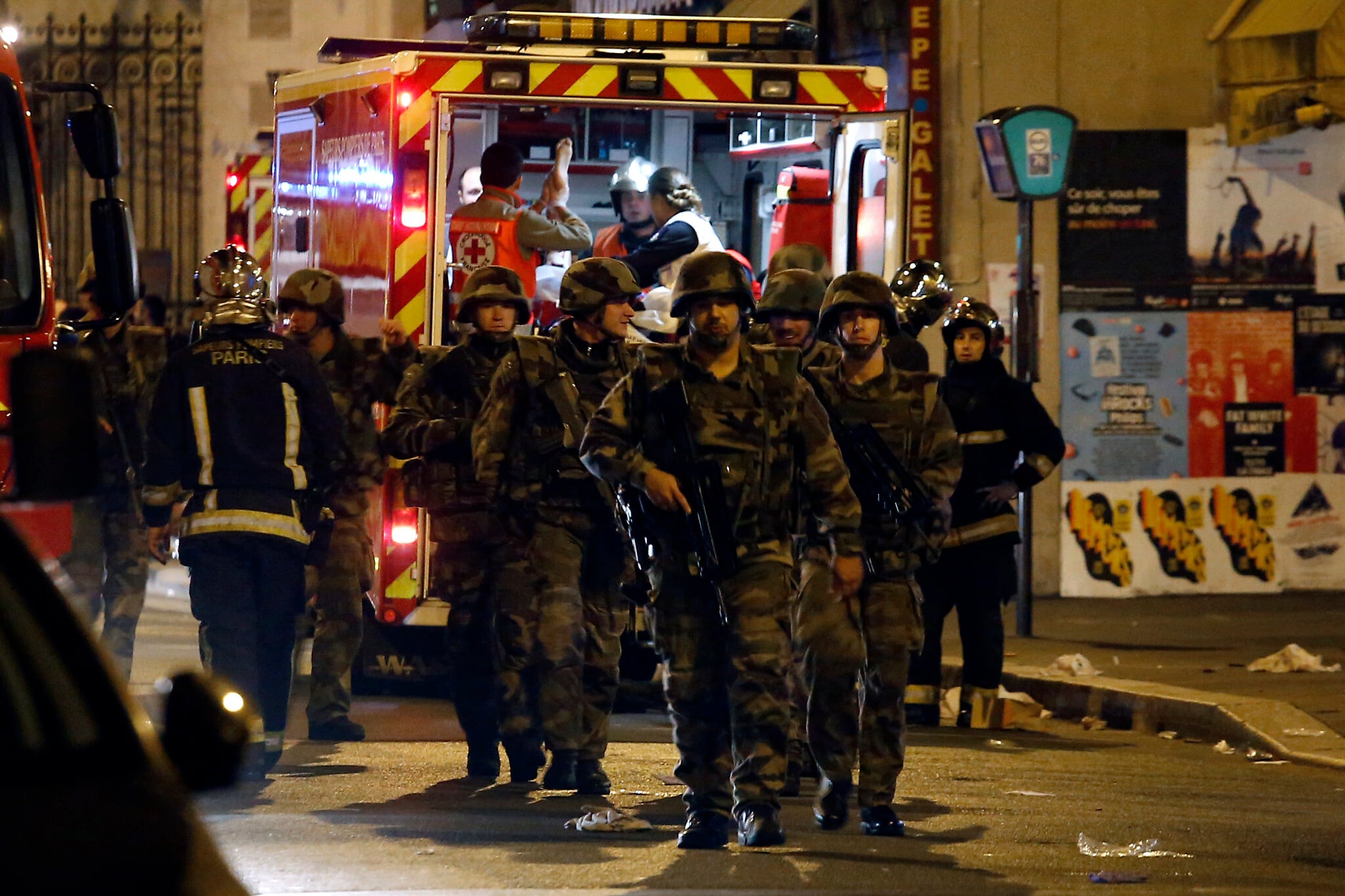
PARIS, France (AFP) — A decade on from deadly attacks in Paris, the world’s two most notorious jihadist groups, Islamic State and al-Qaeda, have significantly evolved, and their branches still pose a global security threat, especially from Africa, analysts say.
With strong central leadership, the groups were once able to train and then send commandos into Europe to carry out attacks such as the November 13, 2015 strikes in Paris that left 130 people dead.
But today, ISIS has lost the sanctuary it once enjoyed in Syria and Iraq.
The emblematic leaders of both groups, Abu Bakr al-Baghdadi for ISIS and Ayman al-Zawahiri for al-Qaeda, were killed in US strikes, respectively in 2019 in Syria and 2022 in Afghanistan.
Today, “the structure of the two major command centers is considerably weakened, the leaders are little known, and probably not very involved in the direct management of the threat” they pose, said a French security source, asking not to be named.
“We are seeing a reconfiguration of this jihadist movement, with certain fronts where the franchises remain particularly active,” Marc Hecker, executive director of French research center IFRI and co-author of “The Twenty Years’ War, Jihadism and Counterterrorism in the 21st Century,” told AFP.
But he added that “the ultimate strategic objective, for both al-Qaeda and Daesh [the Arabic acronym for ISIS], has not changed: the establishment of a global caliphate” of Islamist rule.
‘Domino effect’
The threat to European countries has also changed, with isolated attacks inspired by jihadist movements, rather than ordered by them, becoming the most common type of atrocity.
“We have moved from a so-called projected threat… to a threat that is now typically homegrown,” France’s national anti-terrorism prosecutor Olivier Christen told AFP.
He pointed in particular to “individuals who are on French soil, have never left, and do not necessarily have direct links with terrorist organizations” but are inspired by them.
The groups themselves are now most active in Africa as well as parts of Asia rather than Europe.
These groups “are far from the Western world. They operate primarily in Africa, the Middle East and Asia,” added Alexandre Rodde, of the National Gendarmerie Research Centre (CRGN) and a visiting fellow at Coventry University.
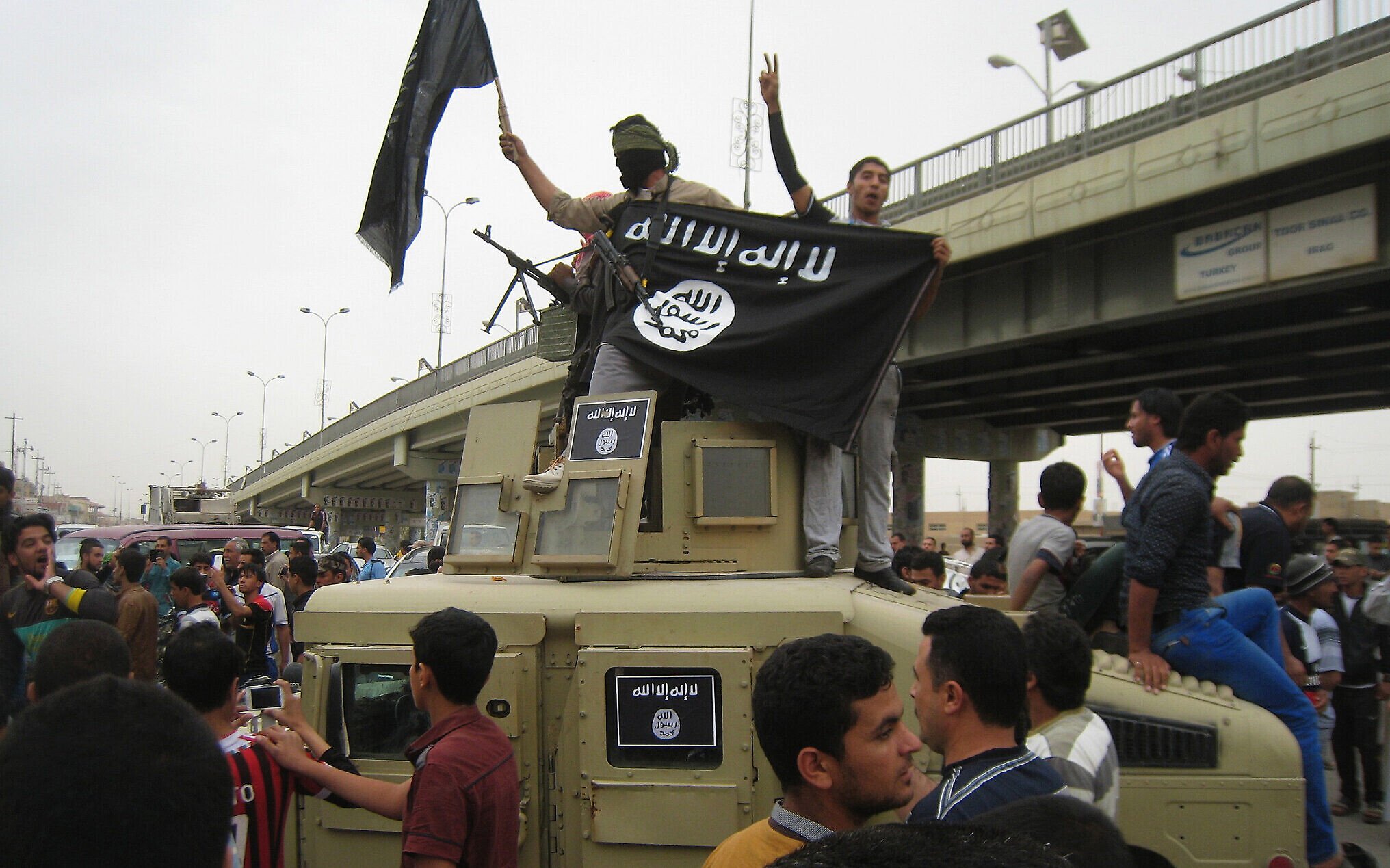
Whereas in 2015, the hub for jihadism was around Iraq and Syria, the estimated number of ISIS jihadists in Syria is now between 1,000 and 1,500, according to the French security source.
This is far lower than the numbers in West Africa, in the Lake Chad region and Nigeria — estimated at 6,000 to 7,000 — or in the Sahel region, where their numbers are put at 2,500.
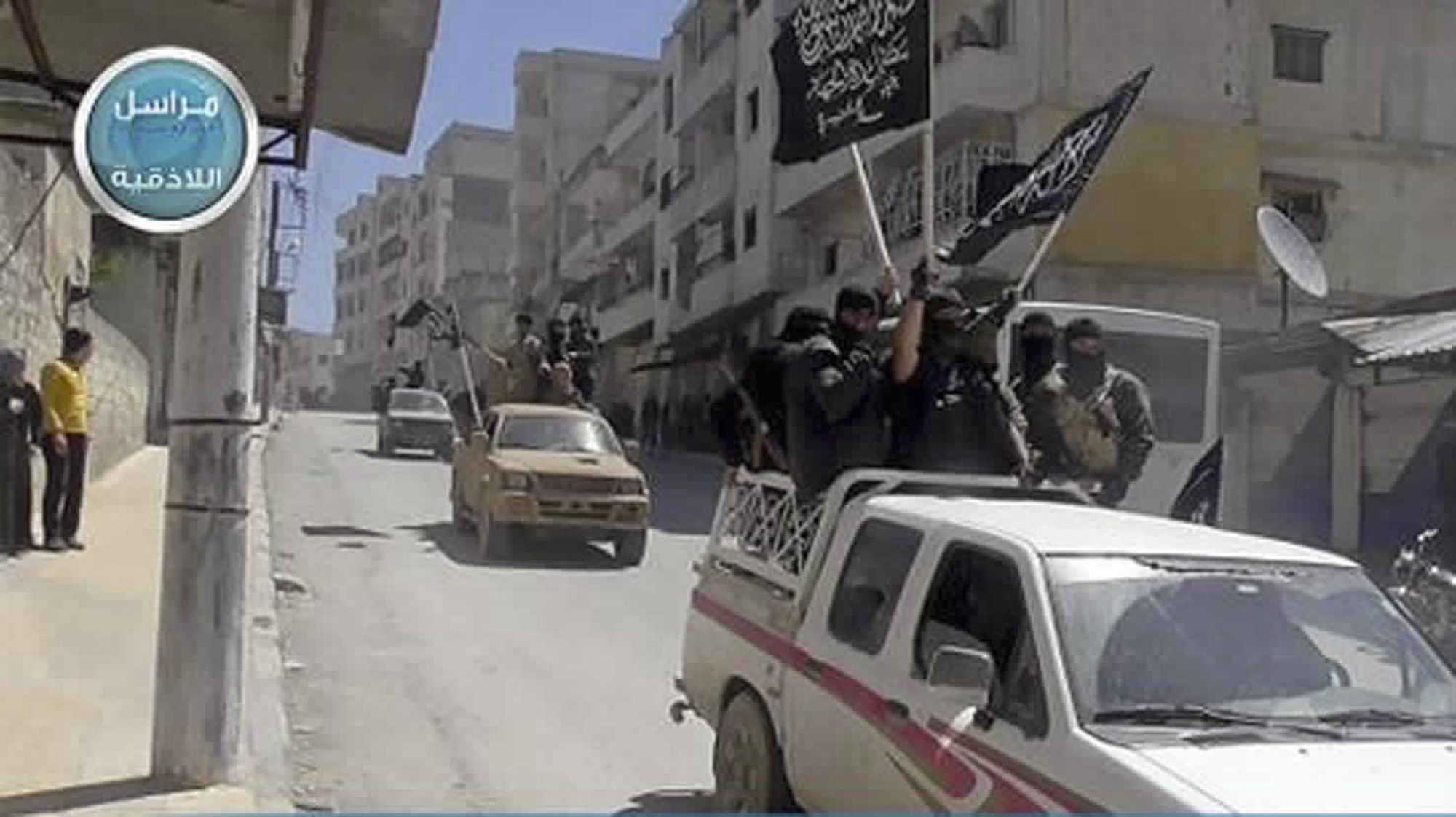
In the Sahel, al-Qaeda affiliate JNIM is rapidly expanding and currently threatens the survival of several regimes in the region, notably the Malian junta. It is currently suffocating the Malian economy with a blockade on fuel deliveries.
“There are increasing concerns that if Mali falls, there could be a domino effect with other governments in the region, including in Burkina Faso and/or Niger, and worries that momentum will propel the jihadists throughout coastal west Africa,” warned the Soufan Center, a US intelligence and security think tank.
Elsewhere on the continent, “Islamic State – West Africa Province (ISWAP) is a very active branch,” and in the Horn of Africa, “the main actor remains the al-Qaeda-linked Al-Shabaab,” said Hecker.
“Africa is now the epicenter of terrorism and directly threatens our interests,” France’s foreign intelligence chief Nicolas Lerner told French radio this week.
‘Capacity reduced’
The jihadists also benefited from the chaos following the fall last year of Syrian president Bashar al-Assad, a secular figure who was ousted by a group once affiliated with al-Qaeda.
“With the fall of Bashar al-Assad’s regime, the freedom of movement of jihadists increased,” said the French security source.
“And ISIS seized this opportunity,” said the source, while emphasizing there was little indication of the jihadists regaining their former supremacy in the region.
The ISIS branch in Khorasan, Afghanistan, now ruled by the Taliban, which once gave sanctuary to al-Qaeda under Osama bin Laden, “is the most active franchise,” said Rodde.
Dozens were killed in attacks by the group in the Iranian city of Kerman in January 2024 and on a concert hall outside Moscow that year.
“Its capacity to cause harm is considerably reduced,” added the French security source. “The Taliban are waging a fierce and effective war against them.”







The Times of Israel Community.