

Israel-Lebanon talks said to include request to relocate Jewish graves to Israel
Jerusalem reportedly noted graves in Beirut and Sidon belonging to people whose relatives are now in Israel; Lebanon’s Jewish community has shrunk to no more than a few dozen
 Add ToI as a Preferred Source on Google
Nurit Yohanan is The Times of Israel's Palestinian and Arab world correspondent
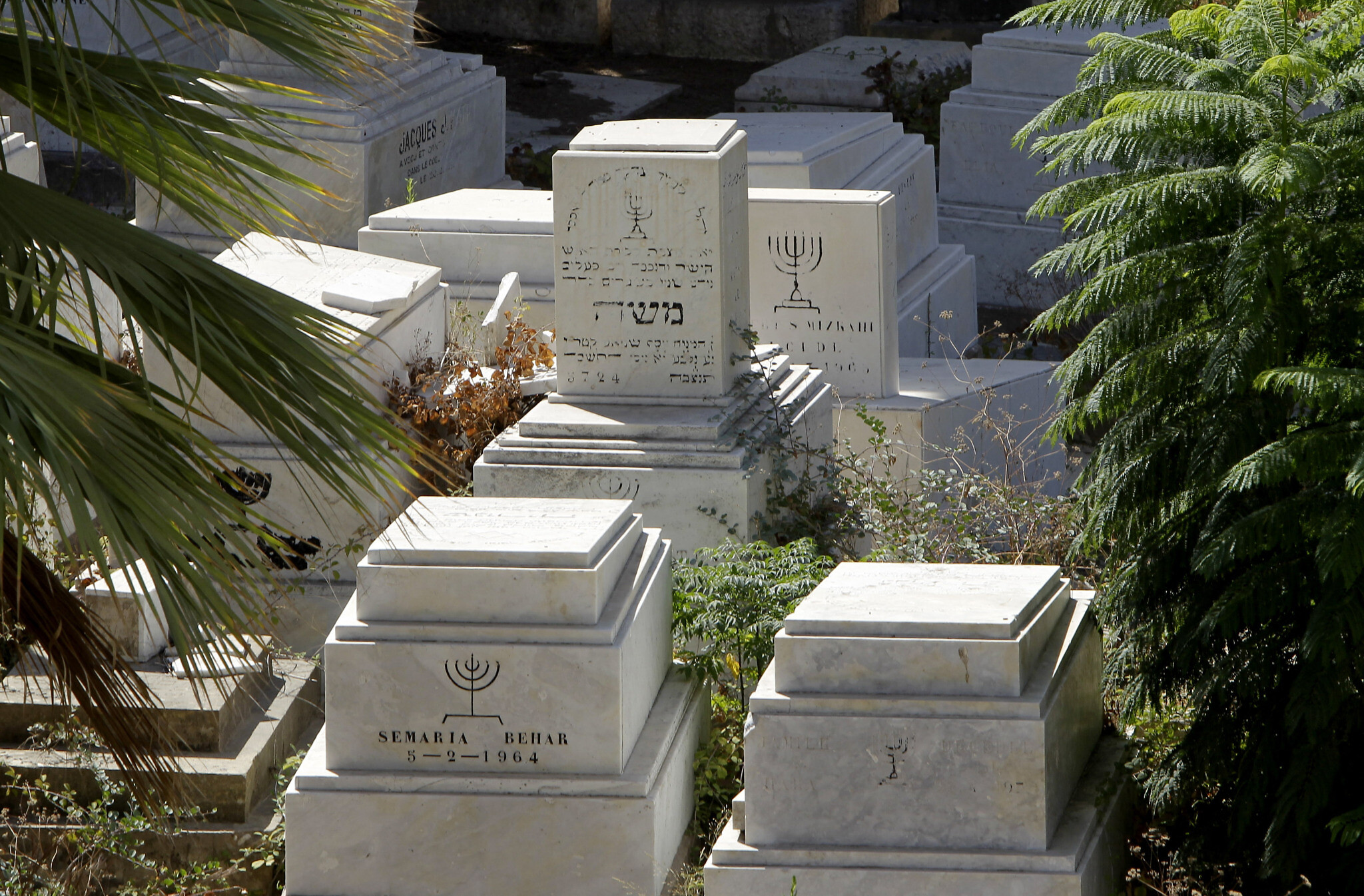
Israel has requested the transfer of the remains of Jews buried in cemeteries in Lebanon to Israel as part of negotiations between Jerusalem and Beirut over a permanent agreement, according to a report on Monday.
The Israeli side has pointed to a large number of Jewish graves in Beirut and Sidon which belong to people who have relatives currently living in Israel, Hezbollah-affiliated Lebanese newspaper Al-Akhbar reported.
Jews resided in Lebanon for centuries. Lebanon was the only Arab country whose Jewish population grew after the establishment of Israel in 1948, reaching around 10,000 people. But the community quickly dwindled after that, numbering in the low hundreds in the 1970s, and has since shrunk to just a few dozen at most today.
The issue was reportedly raised in the context of talks over Lebanese prisoners who were detained during the war in Lebanon and are being held in Israel, whose release Lebanon is demanding.
According to the report, Israel proposed transferring the remains from Lebanon as part of what it called a “civilian prisoner exchange deal,” which would include the transfer of the remains and the release of only some of the detained Lebanese, excluding Hezbollah operatives.
The Saudi Asharq News TV station reported last week that the talks in Rome included a “legal” track which dealt with Lebanese prisoners held by Israel — separate from detained Hezbollah operatives.
The channel called the atmosphere on the issue “positive.”
At negotiations in Washington in June, Israel and Lebanon agreed to a framework deal that involves the disarmament of Hezbollah, a gradual withdrawal of Israeli forces from Lebanon’s south and the deployment of the Lebanese army to the region, starting in test areas known as “pilot zones.”
Last week the sides met for the seventh round of Washington-mediated talks since Hezbollah drew Lebanon into the Middle East war in March with rocket fire at Israel in support of its backer Iran.
Two days after the US and Israel attacked Iran on February 28, Hezbollah fired at Israel in solidarity with Tehran. Israeli forces responded with aerial bombardments and a ground assault, seizing a strip of land extending about 10 km (6 miles) deep into southern Lebanon. More than a million Lebanese civilians were forced to flee their homes. Israel has been destroying significant terror infrastructure in the captured areas.
Times of Israel staff contributed to this report.






The Times of Israel Community.