

Gaza technocratic committee replaces its logo with the PA’s; Israel fumes
‘Israel will not accept use of Palestinian Authority’s symbol, and the PA will not be a partner in the administration of Gaza,’ Netanyahu’s office says
 Add ToI as a Preferred Source on Google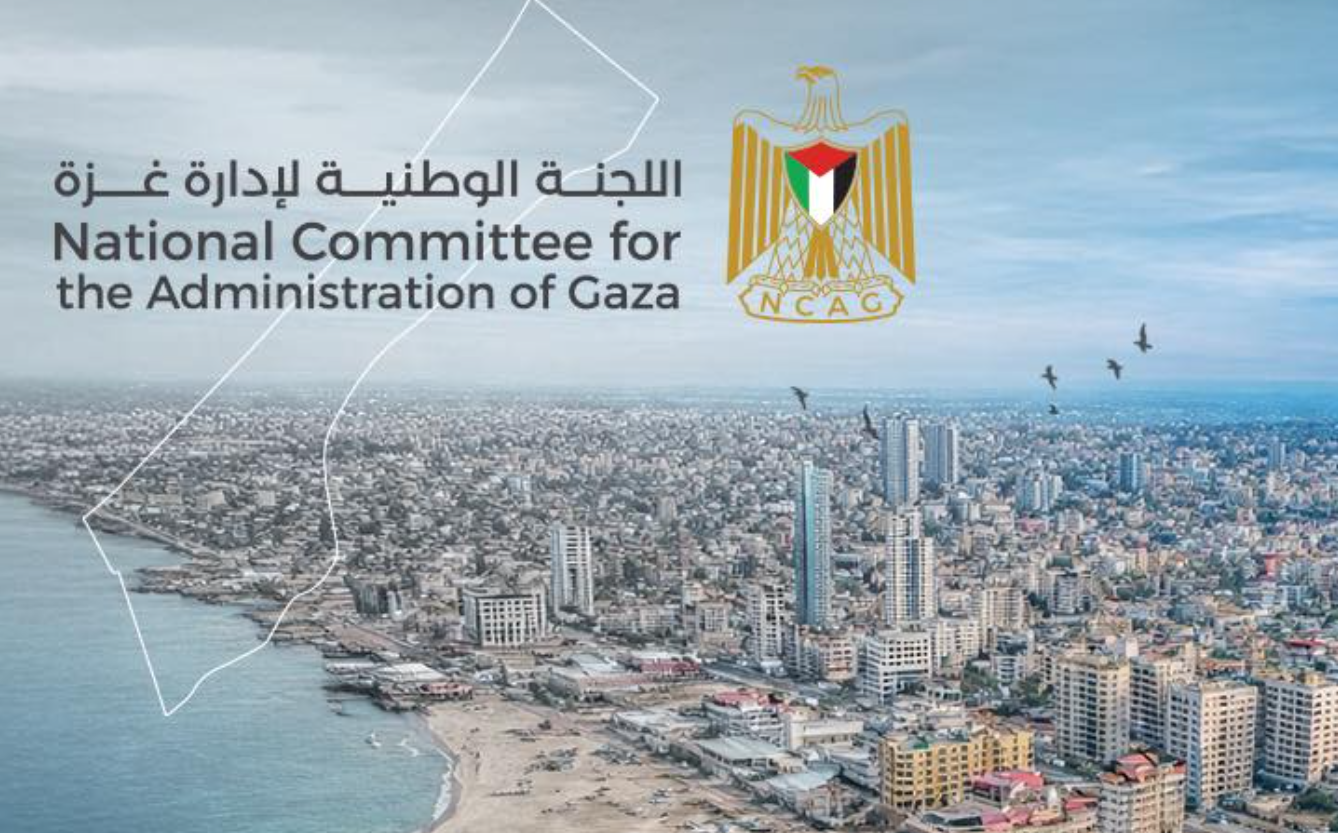
Israel reacted angrily Monday night after the Palestinian technocratic committee tasked with managing the daily affairs of postwar Gaza in place of Hamas replaced its logo with the one used by the Palestinian Authority.
“Israel will not accept the use of the Palestinian Authority’s symbol, and the PA will not be a partner in the administration of Gaza,” Prime Minister Benjamin Netanyahu’s office said.
“The logo of the National Committee for the Administration of Gaza (NCAG) presented to Israel was completely different from the one published this evening,” it added.
The National Committee for the Administration of Gaza (NCAG), established under the ceasefire deal, will be supervised by the so-called “Board of Peace” chaired by US President Donald Trump.
The 15-member panel, headed by former Palestinian Authority deputy minister Ali Shaath, has been holding meetings in Cairo after it was unveiled last month.
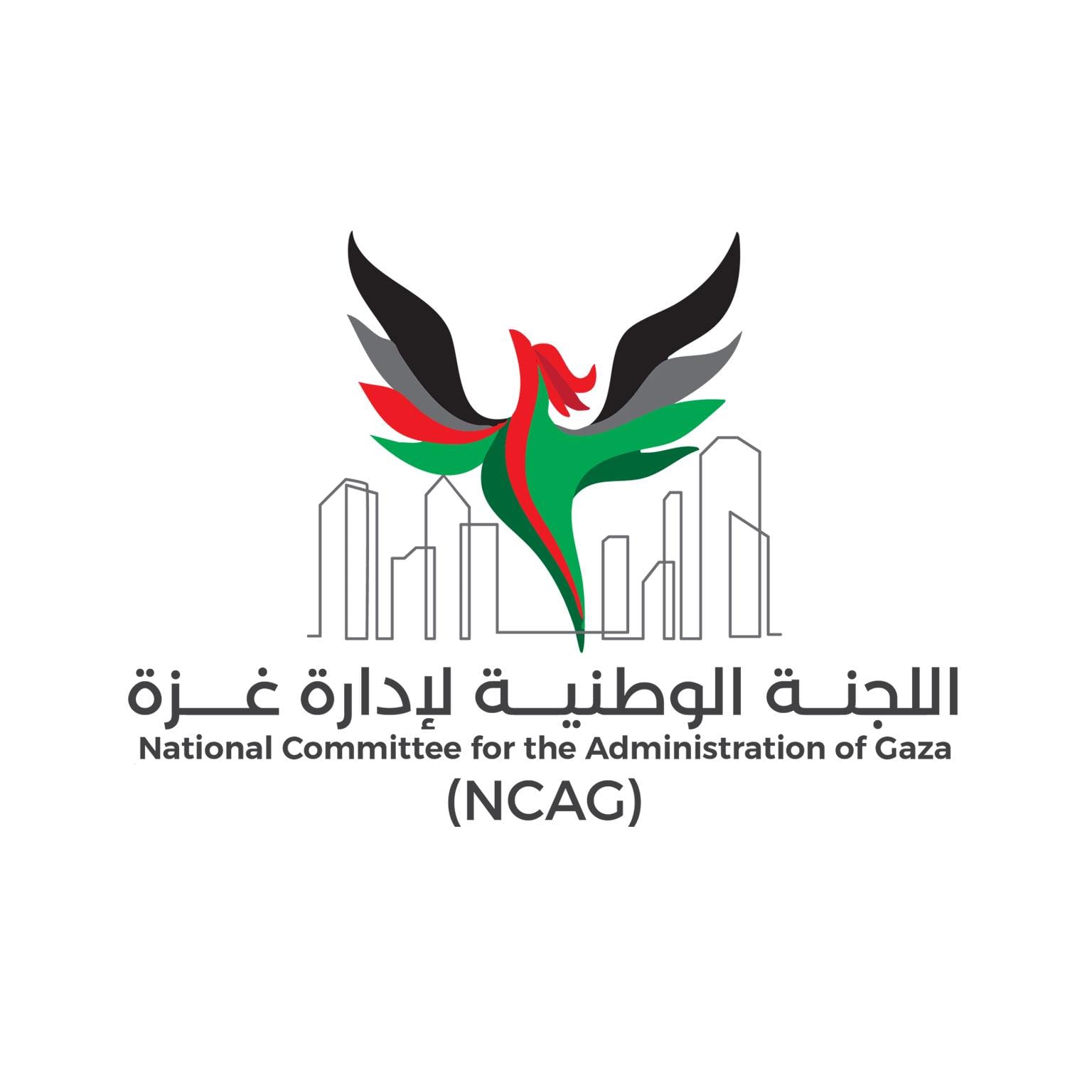
It originally came out with its own unique logo, featuring a bird in the colors of the Palestinian flag, when it was established.
But on Monday, the NCAG updated its social media accounts with a new logo that appeared to be identical to the one of the Palestinian Authority, which features a golden eagle looking to its right with a Palestinian flag on its chest.

The only difference between the new NCAG logo and that of the PA is that the shield below the eagle has the NCAG acronym, rather than the word Palestine.
The logo change appeared to be an attempt by the technocratic committee to attach itself to the PA, despite Israeli efforts to separate the two bodies completely.
The Palestinian Authority governs day-to-day affairs in parts of the West Bank. Netanyahu has vehemently opposed the PA having a role in governing postwar Gaza, but he did concede last week that PA representatives will be part of the operational mechanism at the Rafah Crossing between Gaza and Egypt.
Most of the NCAG’s members have ties to the PA, even if they are not current officials in the body. They are all originally from Gaza, though some have been residing outside the Strip in recent years.
A US official and an Arab diplomat told The Times of Israel on Monday that its members were aiming to enter the Strip via the Rafah Crossing next week.
A source familiar with the matter said the NCAG will be based west of the Yellow Line ceasefire demarcation — the side not controlled by Israel.
Following the backlash from Israel, the NCAG issued a statement indicating that it may change its logo again.
“The National Committee for the Administration of Gaza (NCAG) has been testing a range of visual concepts since its establishment,” the fledgling governing body said.
“Official branding will be released with the launch of the Committee’s website. Designs may evolve, but the decision is NCAG’s,” it adds, in an apparent acknowledgement of external pressures it is facing over the selection of a logo, while insisting that it won’t be influenced by it.
“Our focus is humanitarian relief, civilian administration, recovery, and a livable future for Gaza – with real security for all according to President Trump’s Comprehensive Plan to End the Gaza Conflict,” the NCAG statement continues. “That’s the conversation that matters.”
The committee’s mission statement says the panel is “dedicated to transforming the transitional period in Gaza into a foundation for lasting Palestinian prosperity” and “to rebuild the Gaza Strip not just in infrastructure but also in spirit.”
It goes on: “We are committed to establishing security, restoring the essential services that form the bedrock of human dignity, such as electricity, water, healthcare, and education, as well as cultivating a society rooted in peace, democracy, and justice. Operating with the highest standards of integrity and transparency, the NCAG will forge a productive economy capable of replacing unemployment with opportunity for all.
“We embrace peace, through which we strive to secure the path to true Palestinian rights and self-determination.”








The Times of Israel Community.