

Israel to send 2 delegations to UAE next week as ties strengthen amid Iran war
Unnamed official says delegations to include transport ministry team for trade talks; would be first official visit to UAE since war started, though PM has said he secretly went
 Add ToI as a Preferred Source on Google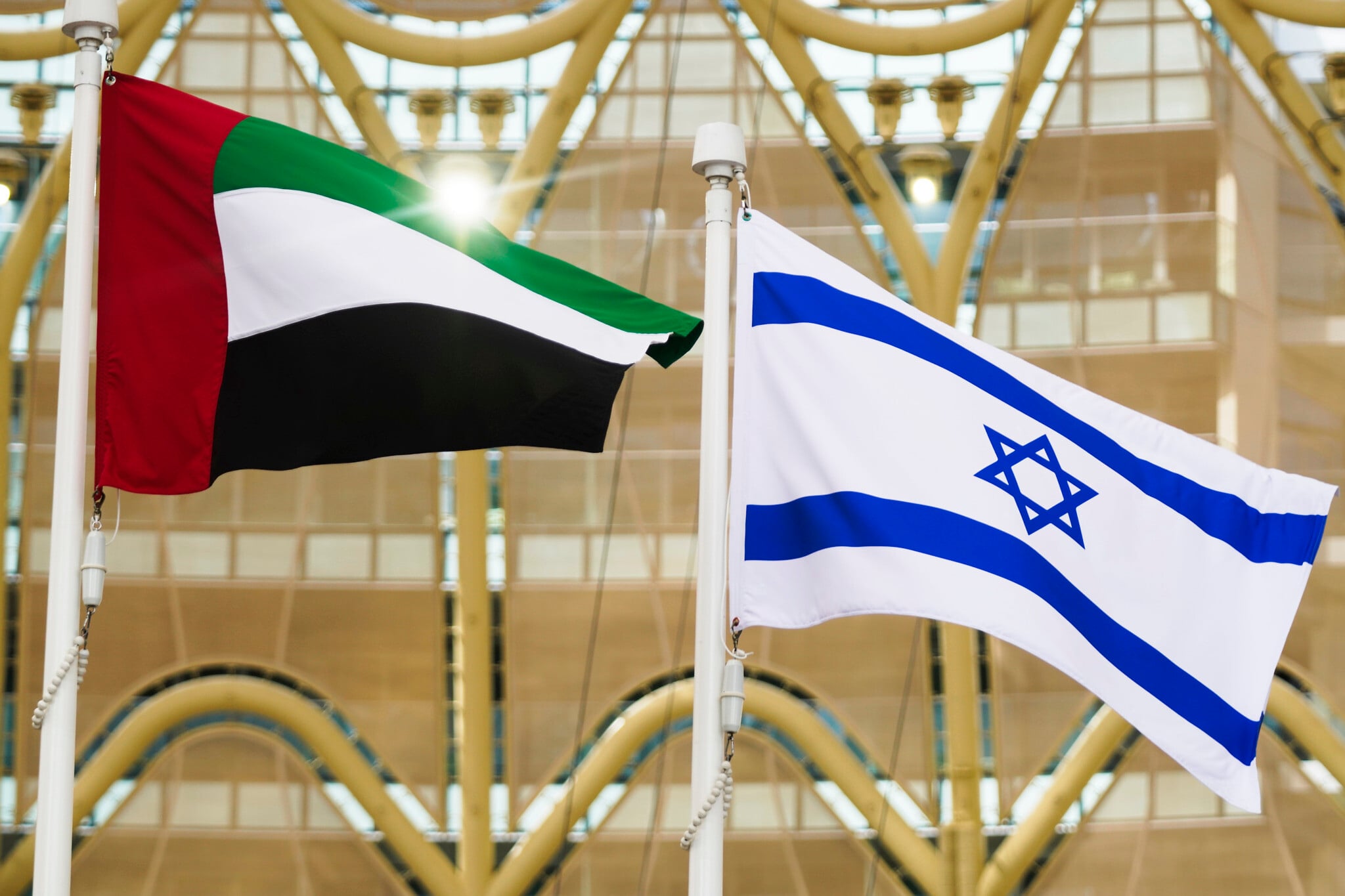
Two Israeli delegations will arrive in the United Arab Emirates next week, a senior Israeli official told AFP on Monday, adding that ties between the two countries are growing closer because of the war with Iran.
According to the Gulf-based official, who requested to remain anonymous, the Israeli delegations will include a transportation ministry team that will discuss a trade corridor linking India, the Middle East and Europe.
The visits will be the first official delegations since the war with Iran erupted on February 28, though Prime Minister Benjamin Netanyahu has said he secretly visited the UAE during the war, as did several top Israeli officials, according to reports. However, the UAE denied that Netanyahu visited, calling the statement from his office “entirely unfounded.”
Weeks of drone and missile bombardment from Iran drew a hawkish response from the oil-rich UAE, aligning it more closely with Israel. Cooperation between the countries during the war reportedly included coordinated attacks on Iran, intelligence sharing, detection and interception of Iranian missiles and drones, and selecting Iranian targets.
“This presents an opportunity to enhance ties. We believe in this market… We believe people should come. There’s a lot of opportunity for cooperation,” the Israeli official said. “The enhancement in cooperation will grow further, not only in military cooperation.”
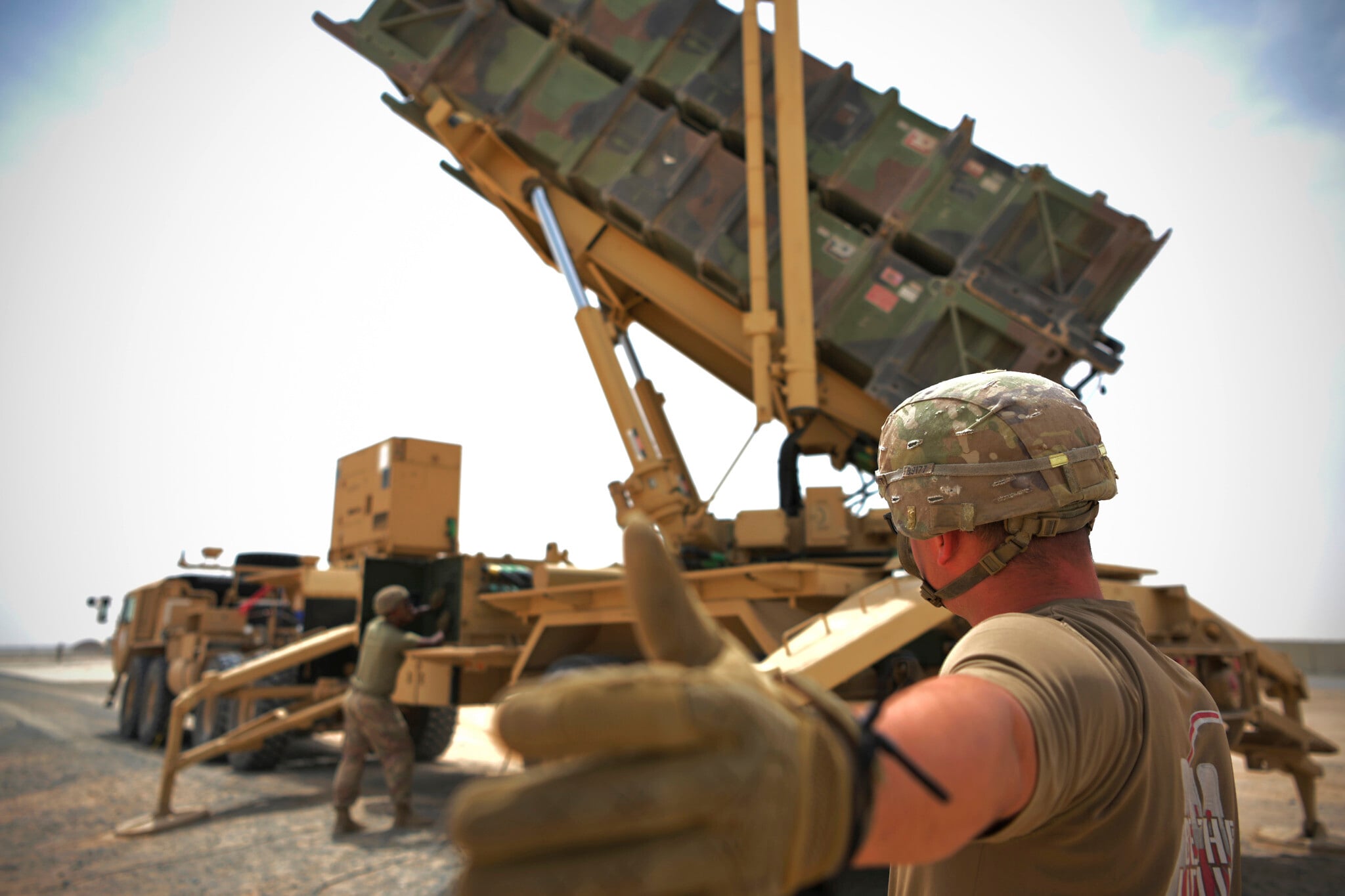
The official did not confirm US comments that Israel sent Iron Dome air defense batteries and personnel to the UAE. They also refused to comment on a recent Wall Street Journal report that the UAE carried out dozens of strikes on Iran during the war.
“Israel proved itself a true friend of the UAE when other countries didn’t. Israel came to stand side-by-side… in a country like the UAE, it matters,” the official said.
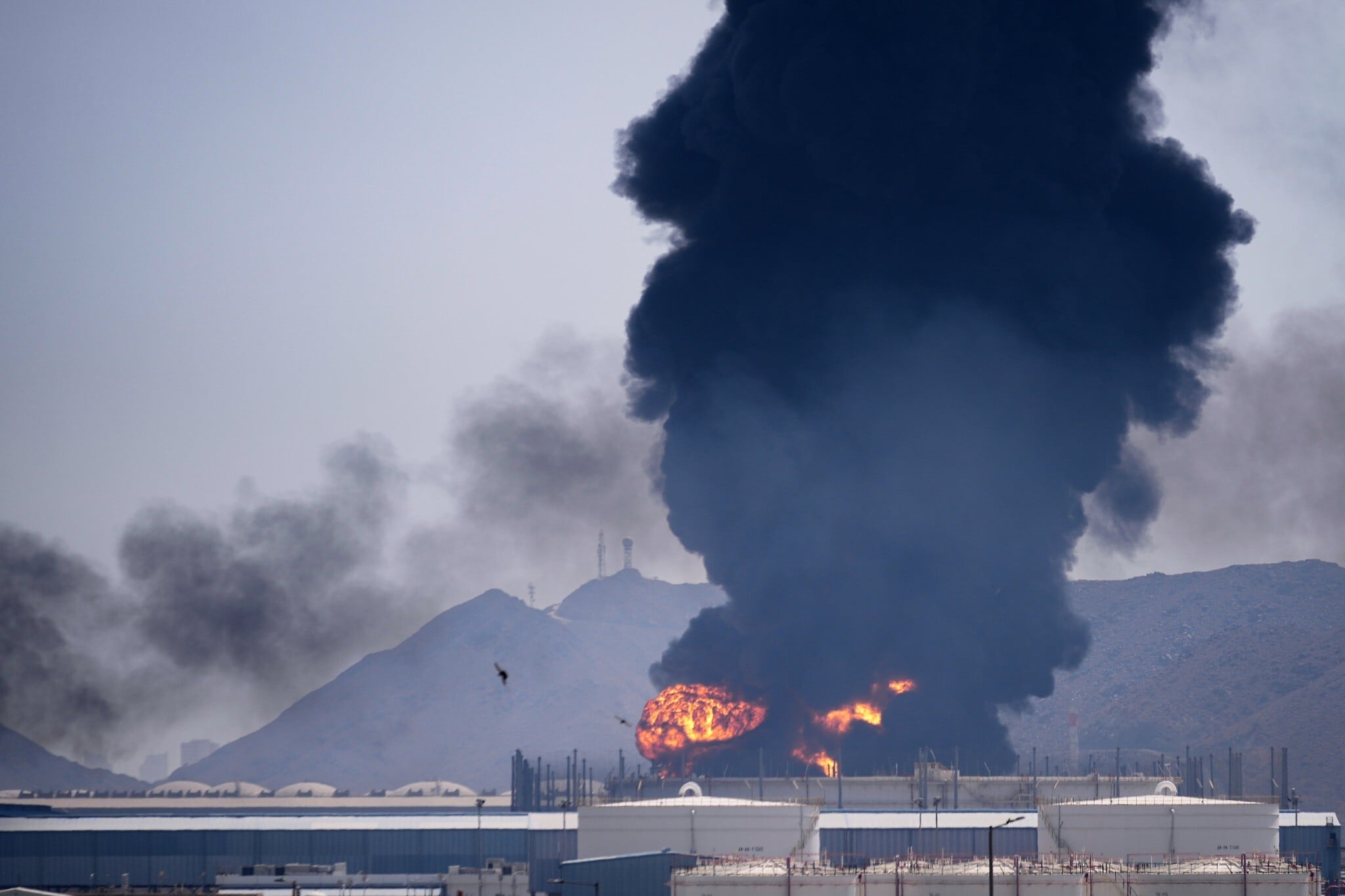
During the US-Israel war on Iran, Tehran launched sustained attacks on the UAE, firing some 550 ballistic and cruise missiles and more than 2,200 drones, according to the Emirati defense ministry, making it the most-targeted country in the region, including Israel. The UAE has also been targeted several times amid the truce, including an attack on a nuclear plant.
It has also paid a heavy economic price for the war, with tourism slumping and energy exports slashed as Iran blocks the key Strait of Hormuz. But rather than call for a ceasefire, it has insisted on a comprehensive solution that goes beyond a truce and extends to Iran’s missile program and support for regional proxies.
“They’re very brave with the position that they took. [Other countries] just want to bounce back to what was before they were attacked,” the official said. “I don’t say attack back, but don’t bury your heads in the sand.”
Israel and the UAE established diplomatic, economic and security ties in 2020 under the Abraham Accords, a deal motivated in part by the shared threat of Iran.
Last week, US President Donald Trump demanded that all regional countries involved in the Iran negotiations join the accords as part of a peace deal with Iran, though he faces an uphill battle, with Saudi Arabia reiterating its long-held position that it will only normalize relations with Israel if an “irreversible pathway” to Palestinian statehood is established, which Israel opposes.
For the Israeli official, closer Emirati ties will show “the strength of the Abraham Accords, which hopefully will be expanded and create a more peaceful region.”








The Times of Israel Community.