

Israel vows to enforce ban on 37 aid groups in Gaza as deadline passes
NGOs must cease operations by March 1 after declining to provide government details on their Palestinian and foreign employees by end of 2025, Diaspora Affairs Ministry announces
 Add ToI as a Preferred Source on Google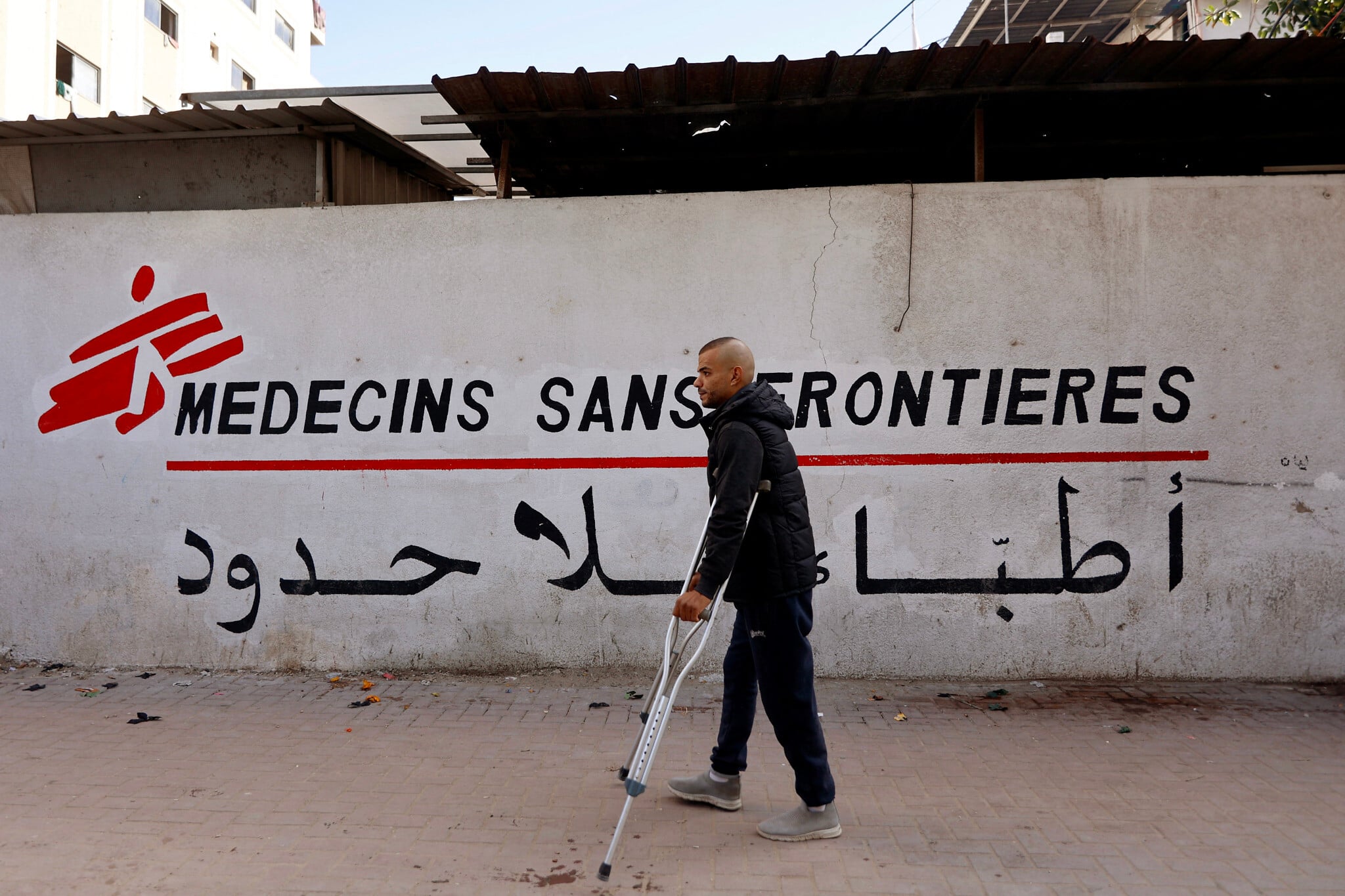
Israel vowed Thursday to enforce a ban on the activities of 37 international NGOs operating in Gaza over their failure to comply with stringent new “security and transparency” requirements concerning their employees.
“Organizations that have failed to meet required security and transparency standards will have their licenses suspended,” the Diaspora Affairs Ministry announced in a statement.
The groups will now be required to cease their operations by March 1, which the United Nations has warned will exacerbate the humanitarian crisis in the enclave.
The standards were put in place under a government resolution from March 1, 2025, requiring NGOs to submit a raft of documentation about their organization and identify all foreign and Palestinian employees, including their passports and personal identification numbers.
Some of the NGOs targeted have said the requirements flout, or at least erode, international humanitarian law, and Israel has faced international criticism in the run-up to the deadline.
Israel has bucked the criticism, arguing the new regulations aim to prevent bodies it accuses of supporting terrorism from operating in Gaza and the West Bank.
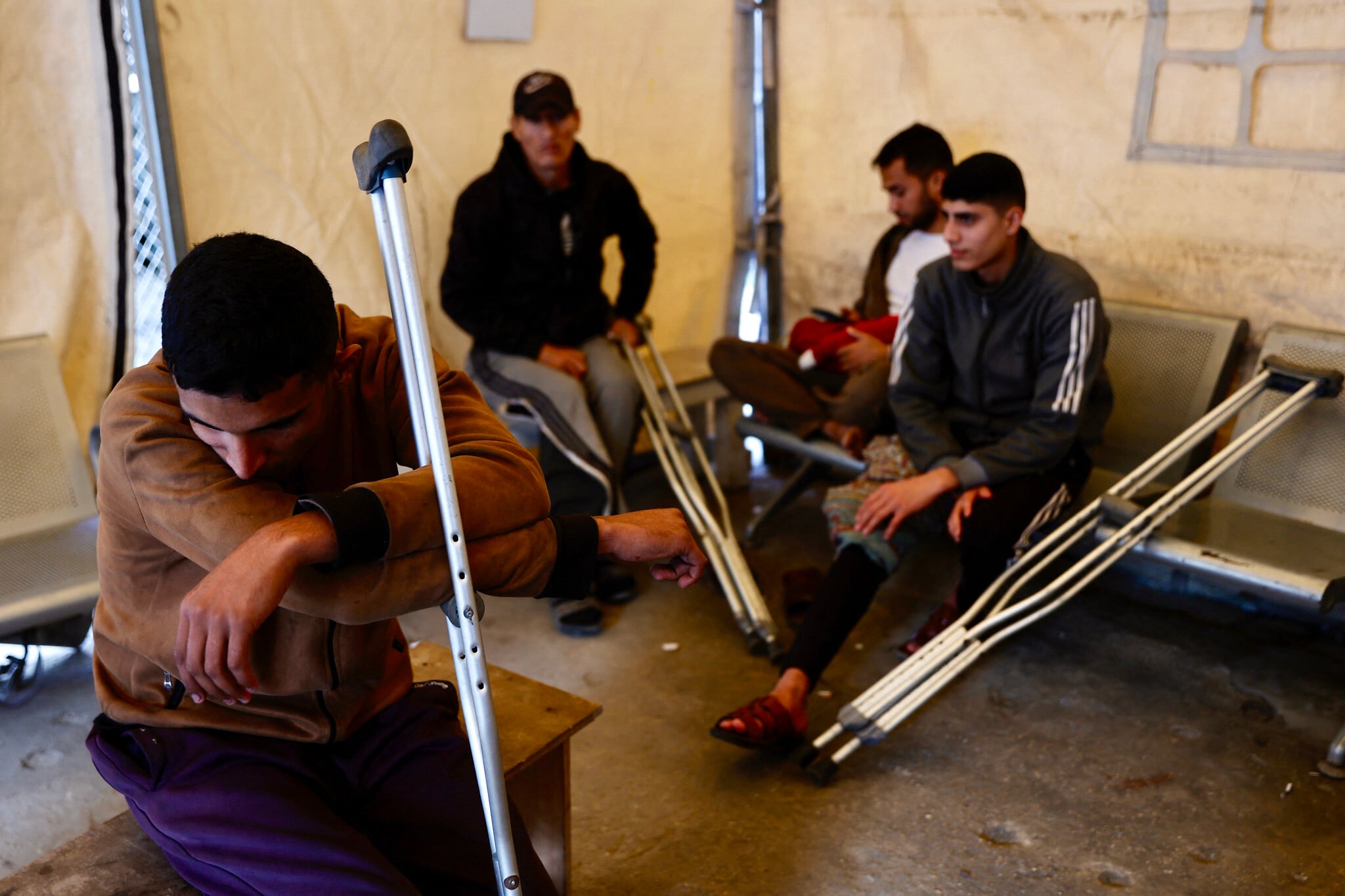
The Diaspora Affairs Ministry said the main reason for the ban’s enforcement was over the NGOs’ refusal to provide “complete and verifiable information regarding their employees.”
Such information is “a critical requirement designed to prevent the infiltration of terrorist operatives into humanitarian structures,” according to the ministry.
In March, Israel gave a 10-month deadline to NGOs to comply with the new rules, which demand the “full disclosure of personnel, funding sources, and operational structures.”
The deadline expired on Wednesday.
The 37 NGOs “were formally notified that their licenses would be revoked as of January 1, 2026, and that they must complete the cessation of their activities by March 1, 2026,” the ministry said.
‘Weaponization of bureaucracy’
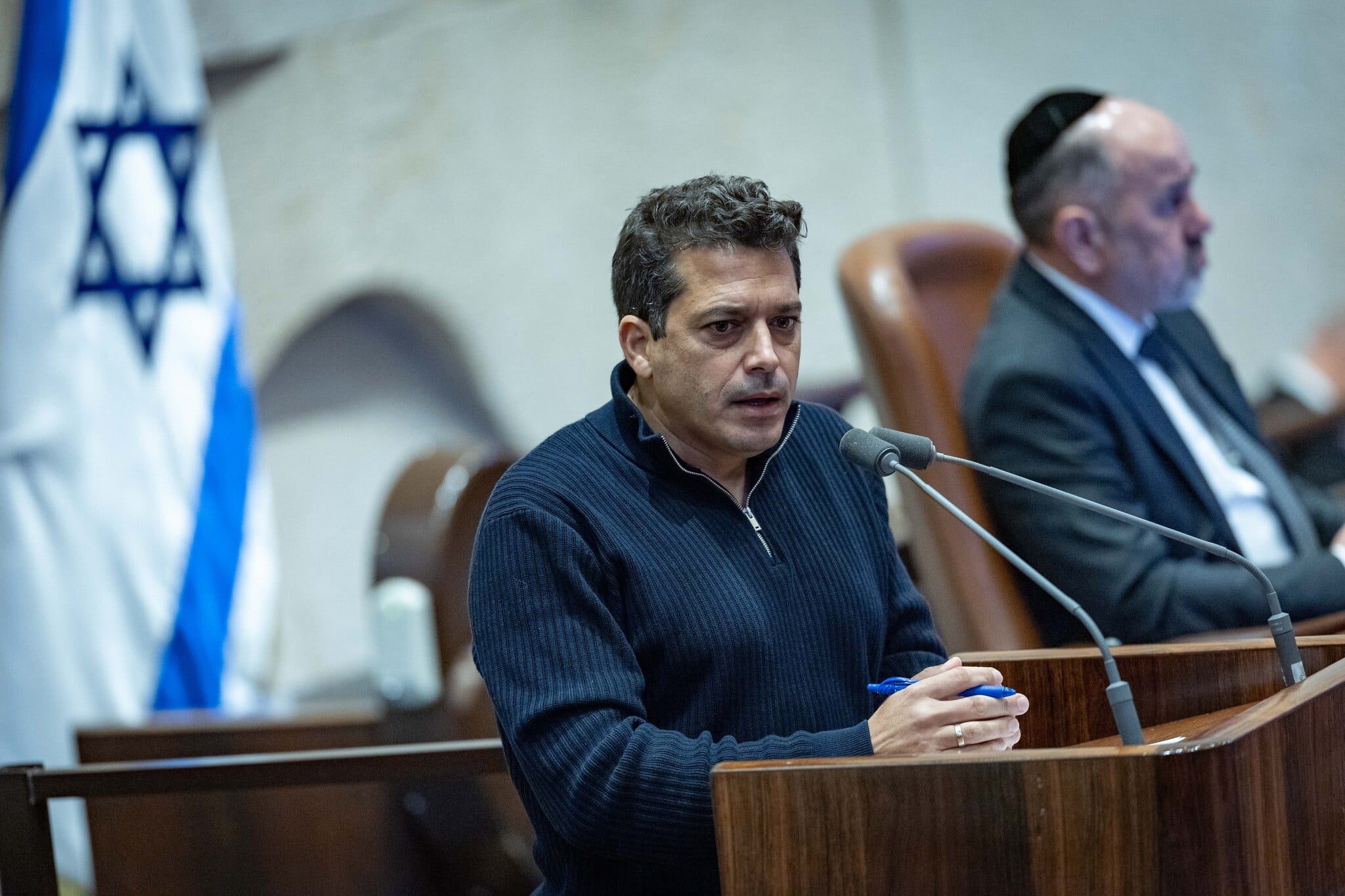
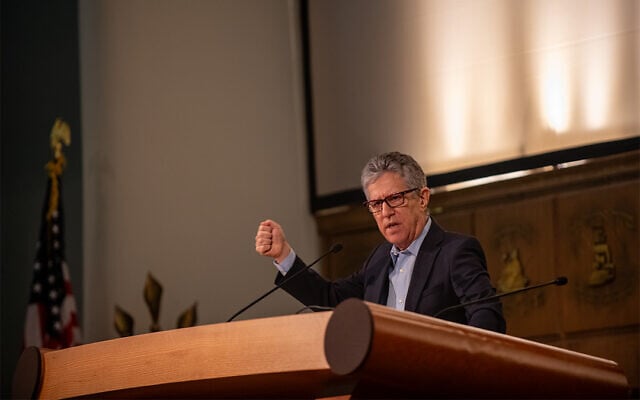
Diaspora Affairs Minister Amichai Chikli said that “the message is clear: humanitarian assistance is welcome — the exploitation of humanitarian frameworks for terrorism is not.”
Numerous prominent humanitarian organizations have been hit by the ban, including Doctors Without Borders (MSF), World Vision International and Oxfam, according to the list provided by the ministry.
In the case of MSF, Israel accused it of having two employees who held membership in the Palestinian Islamic Jihad and Hamas.
MSF said earlier this week that the request to share a list of its staff “may be in violation of Israel’s obligations under international humanitarian law” and said it “would never knowingly employ people engaging in military activity.”
Eighteen Israeli left-wing NGOs denounced the decision to ban their international peers, saying “the new registration framework violates core humanitarian principles of independence and neutrality.”
“This weaponization of bureaucracy institutionalizes barriers to aid and forces vital organizations to suspend operations,” they said.
On Wednesday, UN High Commissioner for Human Rights chief Volker Turk described Israel’s decision as “outrageous,” calling on states to pressure its politicians to shift course.
“Such arbitrary suspensions make an already intolerable situation even worse for the people of Gaza,” he said.
Likewise, UN Palestinian refugee agency chief Philippe Lazzarini said the move sets a “dangerous precedent.”
“Failing to push back against attempts to control the work of aid organizations will further undermine the basic humanitarian principles of neutrality, independence, impartiality and humanity underpinning aid work across the world,” he said on X.
Foreign ministers of 10 countries, including France and the United Kingdom, urged Israel to “guarantee access” to aid in the Gaza Strip, where they said the humanitarian situation remains “catastrophic.”
A fragile ceasefire has been in place in Gaza since October, following the war waged by Israel in response to the Hamas-led October 7, 2023, onslaught, in which terrorists killed some 1,200 people, most of them civilians.
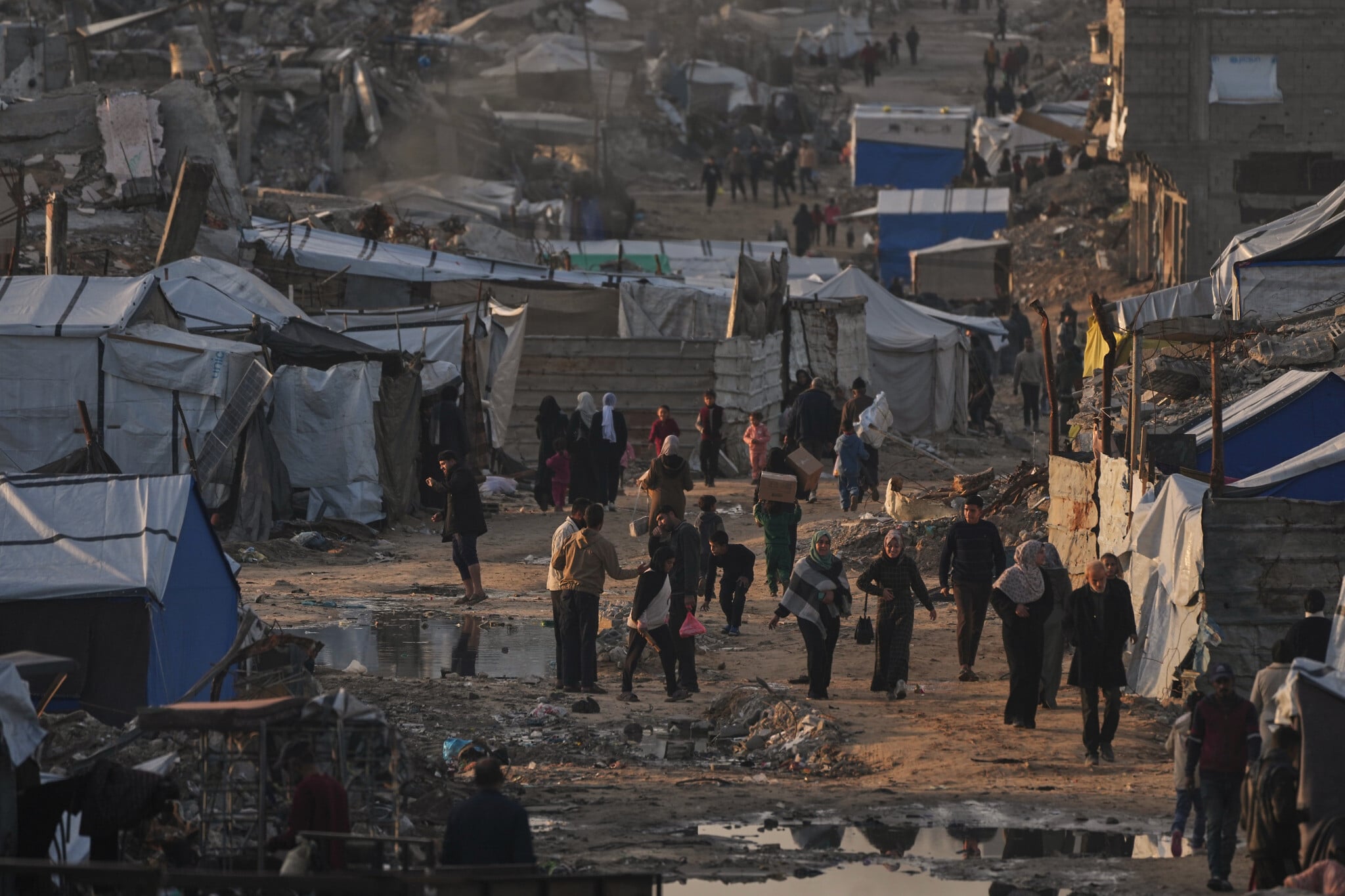
Conditions for the civilian population in the Gaza Strip remain dire, with nearly 80 percent of buildings destroyed or damaged by the war, according to UN data.
About 1.5 million of Gaza’s more than two million residents have lost their homes, said Amjad Al-Shawa, director of the Palestinian NGO Network in Gaza.







The Times of Israel Community.