

Israeli Kristallnacht survivors mark 87th anniversary amid rising global antisemitism
Survivors see parallels between today and period ahead of Holocaust: ‘We live in an era equivalent to 1938, where synagogues are burned, and people in the street are attacked’
 Add ToI as a Preferred Source on Google
Melanie Lidman is an AP reporter and former Times of Israel reporter
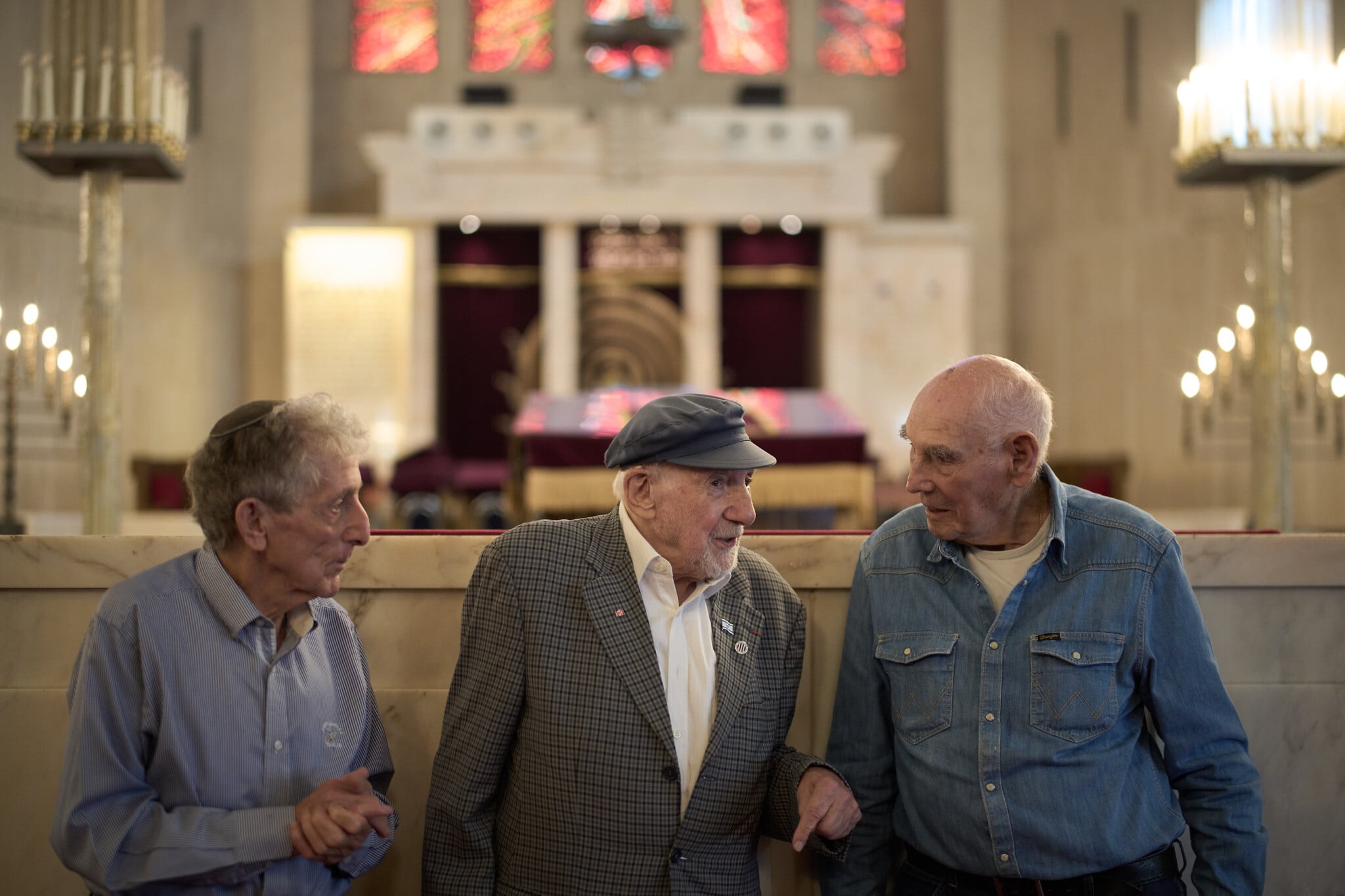
AP — Walter Bingham was 14 years old when Nazis plundered Jewish businesses and places of worship in a deadly rampage across Germany and Austria in what became known as Kristallnacht, or the “Night of Broken Glass.”
Bingham is among a dwindling number of Holocaust survivors marking the 87th anniversary of Kristallnacht on Sunday, at a time when antisemitism is on the rise, especially in the wake of the Israel-Hamas war.
The Nov. 9, 1938, attack was a stark turning point in the escalating persecution that led to the killing of 6 million European Jews by the Nazis and their supporters during the Holocaust.
The recent attacks against Jewish symbols across the world, including synagogues in Australia and Israeli sports teams in Europe, among others, worry the survivors.
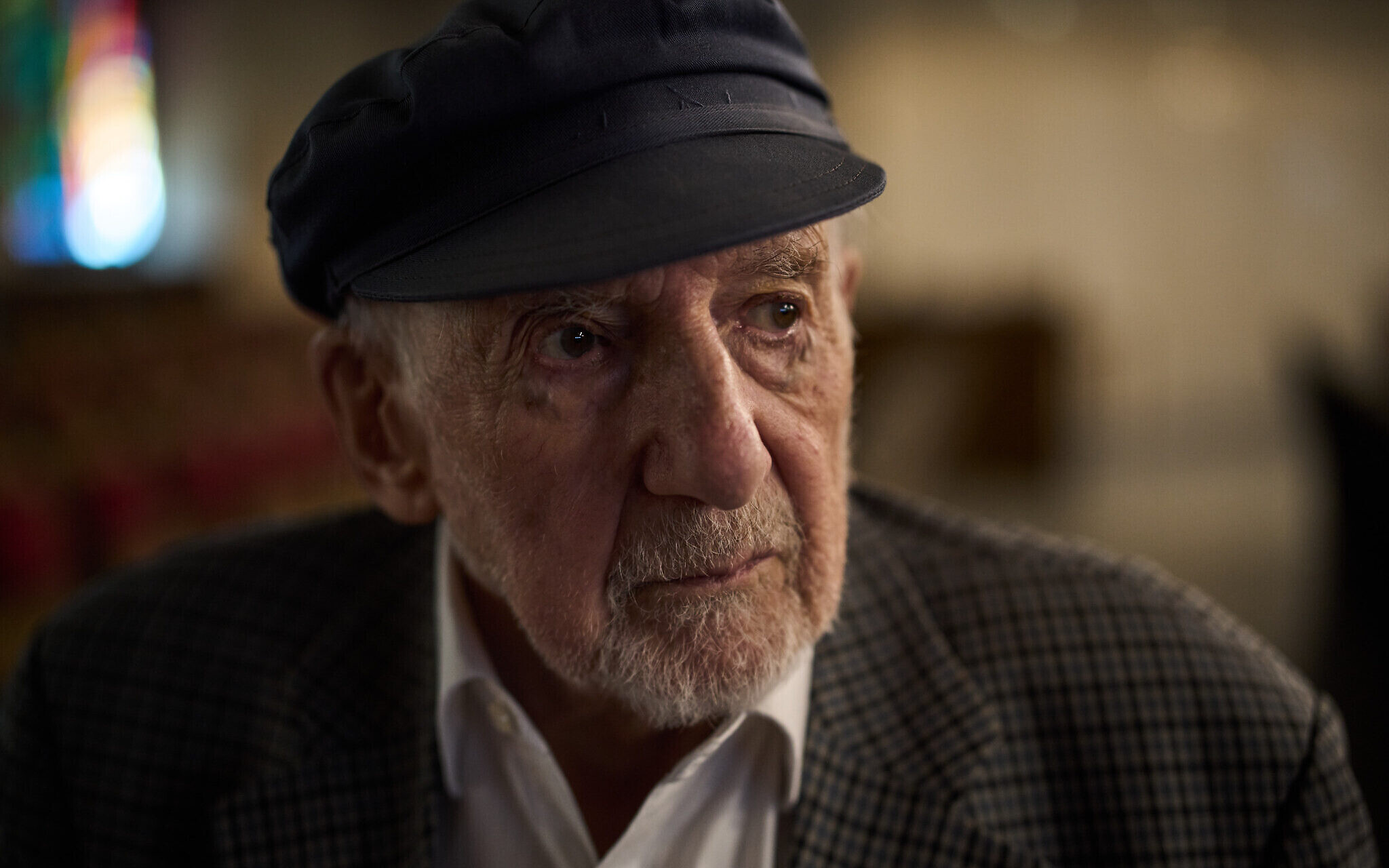
“We live in an era equivalent to 1938, where synagogues are burned, and people in the street are attacked,” said Bingham, now 101.
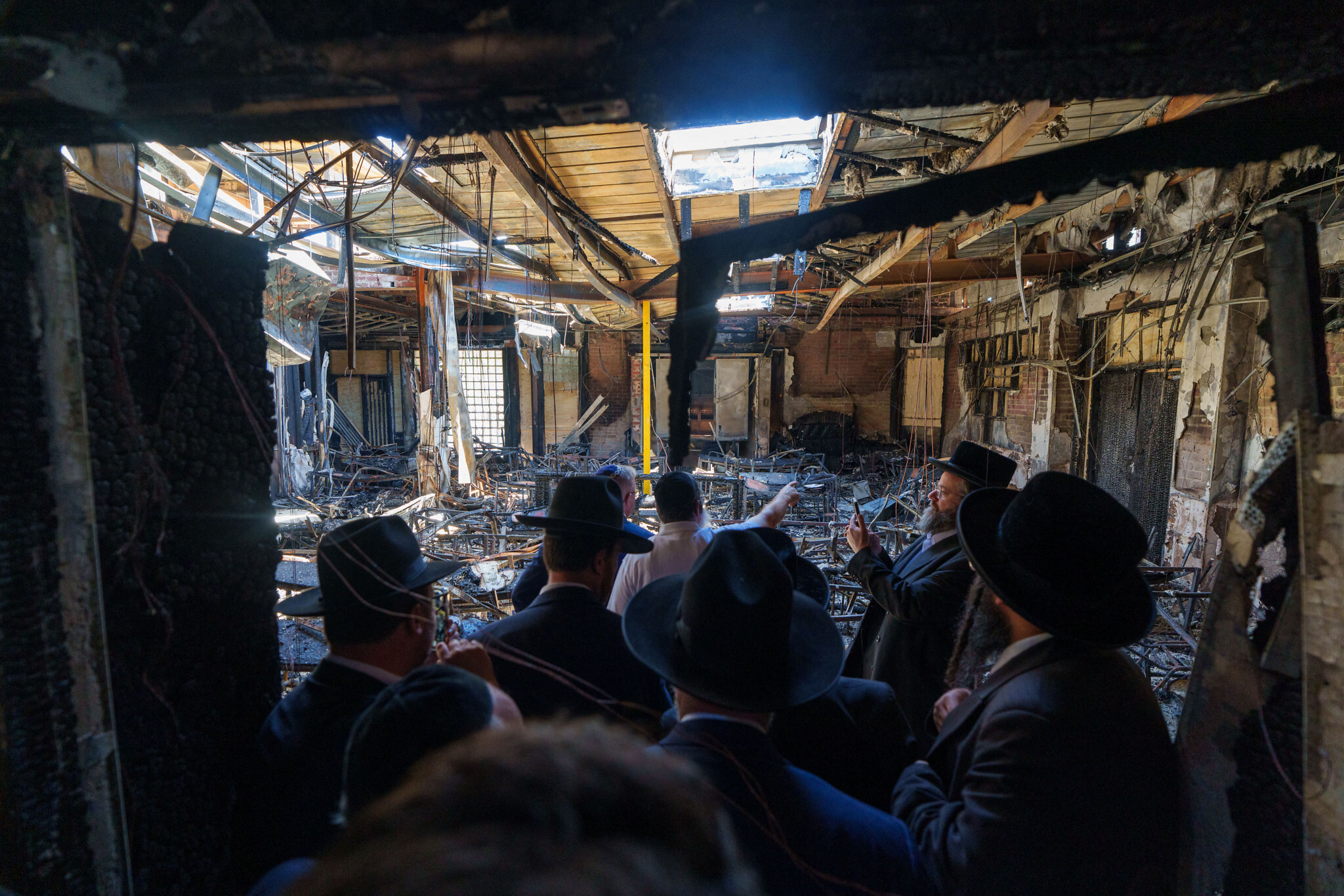
During the Kristallnacht riots, the Nazis killed at least 91 people, vandalized 7,500 Jewish businesses and set fire to more than 1,400 synagogues, according to Israel’s Yad Vashem Holocaust memorial.
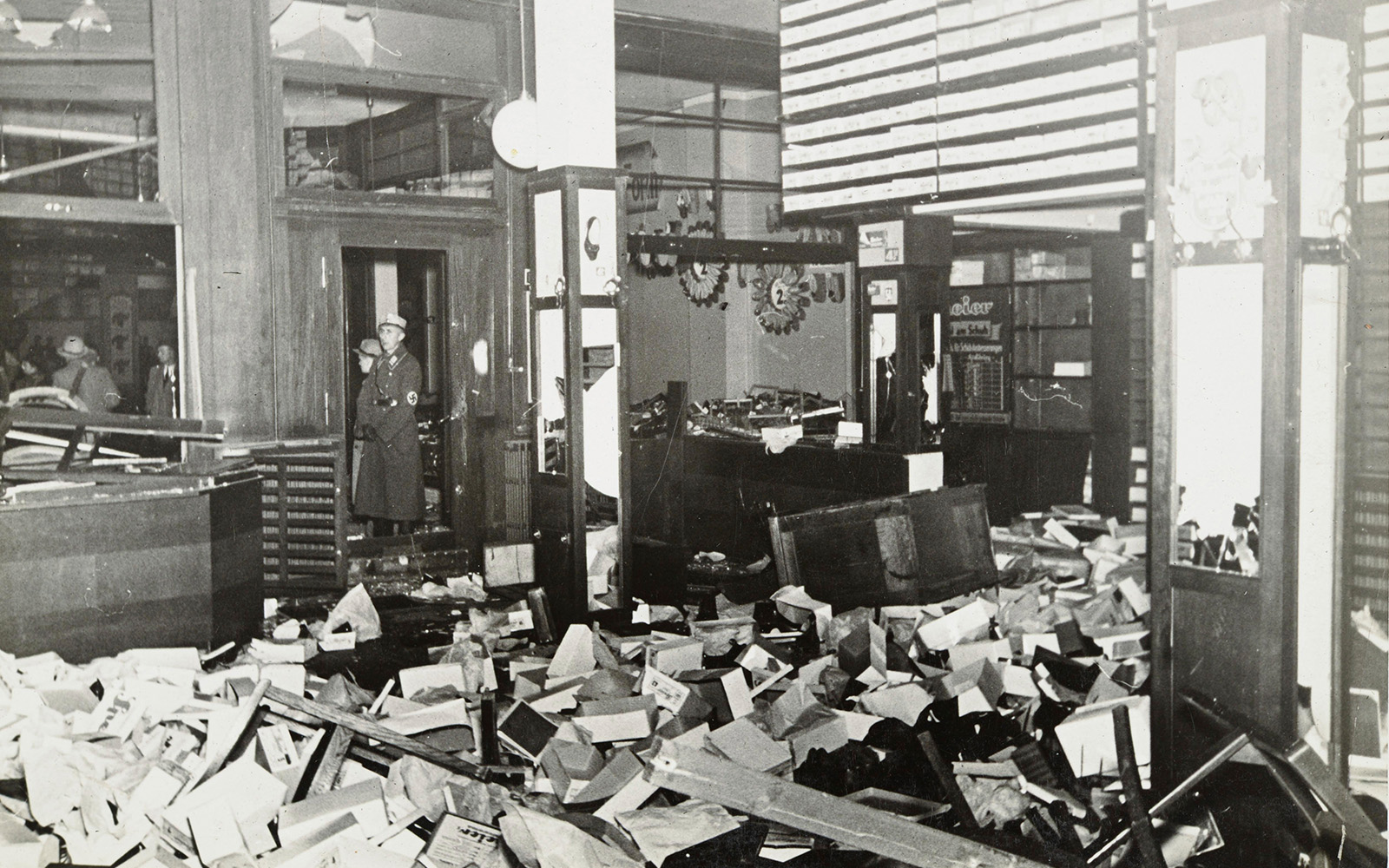
Up to 30,000 Jewish men were arrested, many taken to concentration camps such as Dachau or Buchenwald.
Synagogues smoldering, violent crowds in the streets
Bingham and two other Kristallnacht survivors shared memories of the destruction during an Associated Press interview last week in Jerusalem’s Great Synagogue, where light streamed through stained-glass windows at one of Israel’s most ornate synagogues.
The survivors, who often give testimony at the annual March of the Living at the site of Auschwitz, considered the location symbolic of the flourishing of Jewish houses of worship despite the Holocaust.
Though his memory sometimes fails as a centenarian, Bingham said he can remember every detail of the aftermath of the Kristallnacht attack 87 years ago.
He was walking to school in Mannheim, south of Frankfurt, the morning after the riots, he said. When he got to the synagogue where his classes were held, it was a smoldering wreck.
He watched as firefighters let the synagogue burn while dousing neighboring properties to ensure the fire didn’t spread.
Months later he was put on a Kindertransport from Germany to England — among the nearly 10,000 children in Nazi-occupied Europe brought to safety by the 1938-1939 British rescue mission.
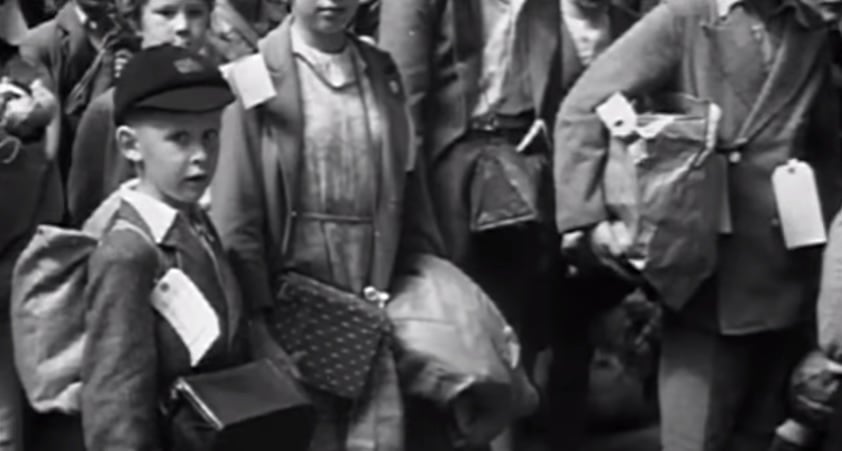
Bingham’s father had already been deported to Poland, where he would die in the Warsaw Ghetto, and Bingham never saw his mother again.
“Antisemitism, I don’t think, will ever fully disappear because it’s the panacea for all ills of the world,” Bingham said. But he believes that educating younger generations can help fight intolerance.
George Shefi agrees. The 94-year-old Holocaust survivor said he has spoken to more than 12,000 students in Germany and elsewhere, sharing his experience of antisemitism as a young boy in Berlin — the benches painted yellow where Jews were allowed to sit, and the chaos of Kristallnacht when, as a second grader, he wasn’t allowed out of the house for three days.
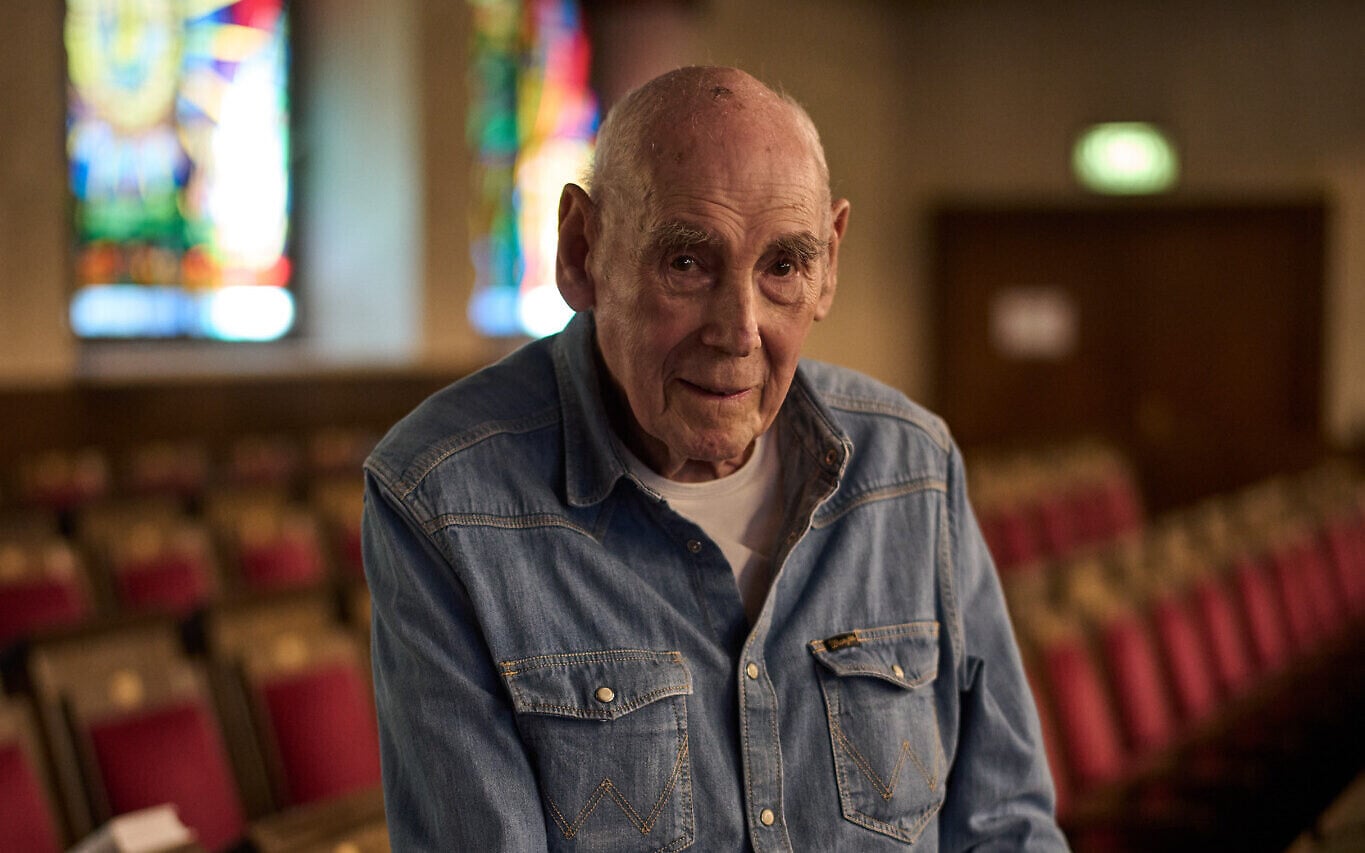
When he finally ventured out, he saw crowds intimidating those cleaning up the destruction of Jewish businesses and the synagogue. He traveled to England alone on a Kindertransport soon afterward. Shefi said he never saw his mother again; she perished in the Auschwitz concentration camp.
His message is younger generations of Germans aren’t responsible for the sins of their grandparents, but they are responsible to make sure it doesn’t happen again.
The Holocaust was preceded by more than six years of indoctrination, including increasingly harsh Nuremburg Laws targeting Jews, Shefi noted — a period when people could see the march toward antisemitism and attempt to stop it. His message has resonated, he said, with students who want to look forward and apply the lessons of history to their daily lives.
Paul Alexander, at 87, was less than a year old during Kristallnacht. Weeks later his parents sent him on a Kindertransport to England, where he spent time in a children’s home before being reunited with his parents in September 1942 — one of the few children who were.
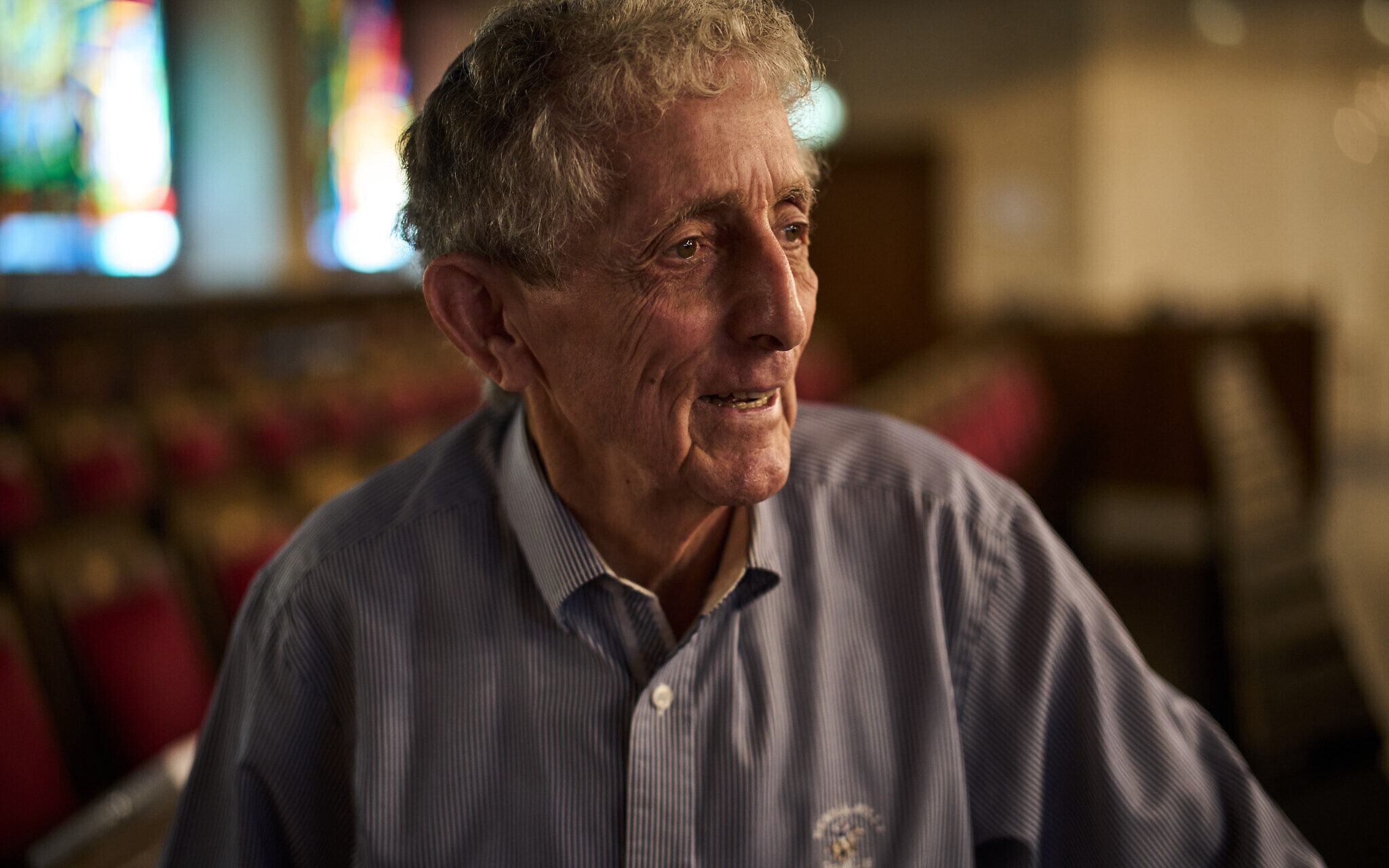
“It was because of Kristallnacht … that the Jewish people in England decided that they must save Jews, families from Germany and get them out as quickly as possible,” Alexander said.
“I was sent out on the Kindertransport in July 1939, exactly six weeks before the war broke out,” he added. “So it was because of Kristallnacht that I was lucky and fortunate to escape from Nazi Germany.”
Concerns over antisemitism grow
Antisemitic attacks have increased dramatically since the war in Gaza began, though the numbers declined slightly last year from a peak immediately after the Oct. 7, 2023, Hamas attack against Israel that started the war, according to an annual report about global antisemitism from Tel Aviv University released earlier this year.
Bingham said he feels like he’s living through the events of 1930s Germany again — but there is a difference.
“In those days, the Jewish mentality was apologetic,” he said. “Please don’t do anything to me, I won’t do anything to you.”
“Today, we have, thank God, the state of Israel, a very strong state,” he said. “And whereas antisemitism is still on the increase, the one thing that will not happen would be a Holocaust, because the state will see to it” that doesn’t happen.
Bingham spent the war years with a Jewish youth group in a derelict castle in Wales, then joined the British military, serving as an ambulance driver and an intelligence officer who interrogated high-ranking Nazi leaders after their capture. Today, he still contributes to Israeli news websites and radio, and has held the Guinness World Record for oldest working journalist since 2021.
There are approximately 200,000 remaining Jewish Holocaust survivors, but 70% are expected to pass away in the next decade. That makes their testimony and experiences even more important to pass on lessons about taking action against antisemitism to the younger generation, the survivors said.
“What we have to do… in addition to education, is to actually, literally, fight,” Bingham said of antisemitism. “If we see it, we have to hit back.”









The Times of Israel Community.