

‘It was a ruse’: High Court judge rails at transfer of funds to Haredi schools
At hearing on petitions against payment of NIS 1 billion to ultra-Orthodox institutions, judges slam ‘illegal’ release of cash before oversight committee gave required okay
 Add ToI as a Preferred Source on Google
The High Court of Justice on Thursday tore into the state’s arguments over a recent transfer of funds to ultra-Orthodox schools that was implemented without the required deliberations and vote in the Knesset Finance Committee, with one judge calling the move “illegal.”
Petitioners, including the Yesh Atid party and the Hiddush religious freedom and equality group, initially argued that the transfer of NIS 1 billion ($315 million) was illegal due to information showing the ultra-Orthodox schools do not meet their legal obligation to teach the requisite number of hours of core curriculum subjects, such as math, science, and English.
However, during the hearing on the petitions, it also became clear from the response filed by the state that some 90 percent of the funds had already been transferred before the committee formally voted on and approved the measure, in late December.
Justice Yael Willner asked under what authority the funds had been transferred without the committee’s approval, to which state representative Neta Oren responded that it is a “practice” that is done occasionally.
Justice Ofer Grosskopf demanded to know if anyone gave legal authorization for such a “practice,” to which Oren said she was unsure.
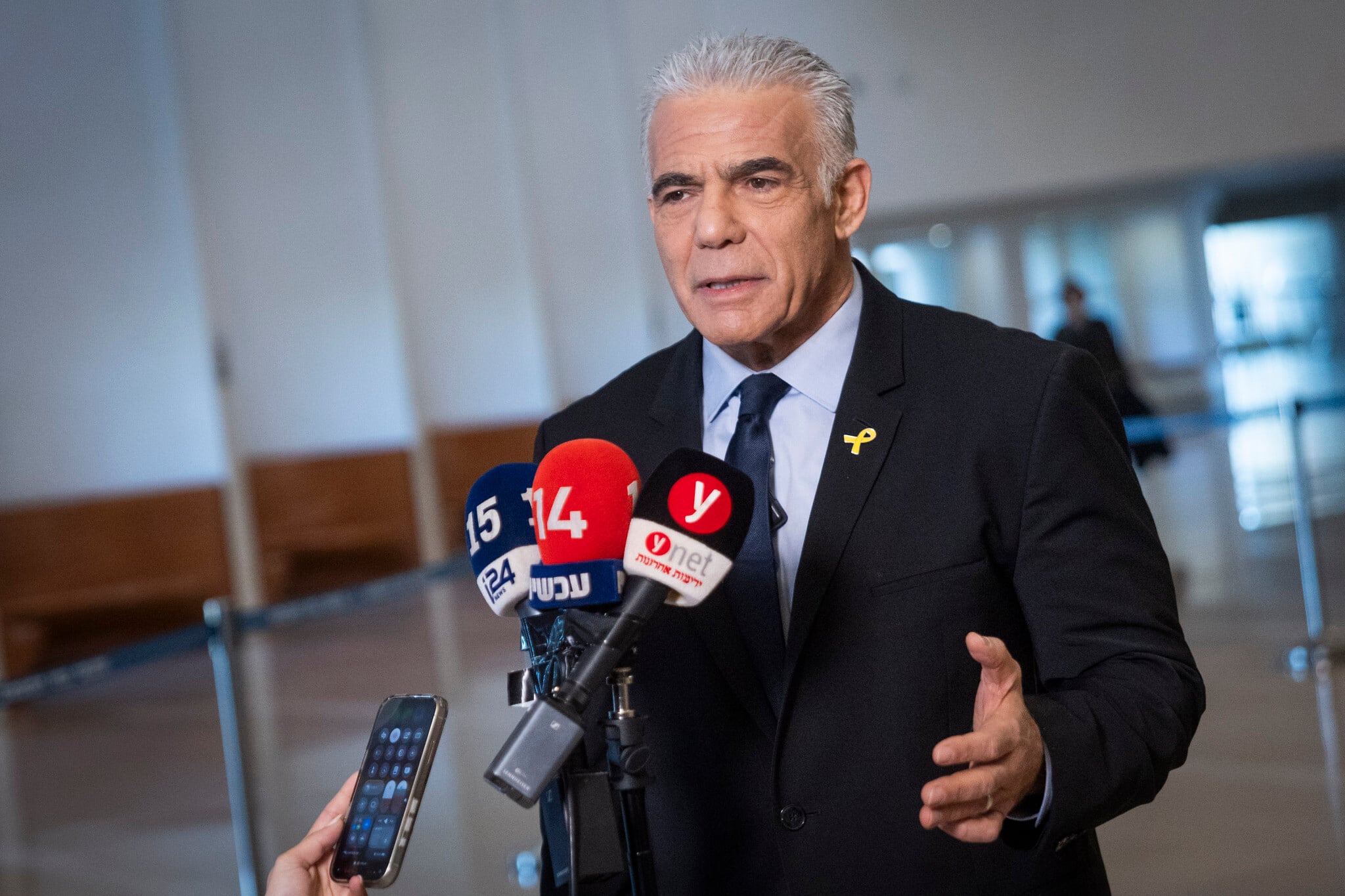
“This was a mock hearing,” declared Willner of the Finance Committee meeting in which a vote on the transfer of funds was held after the fact.
“What happened in the Finance Committee is that the committee members did not know that the hearing was a mock hearing. That it’s a game… It was a ruse. What is this?” she demanded.
A representative for the Knesset’s legal department said it was not familiar with any such practice and viewed the phenomenon “very gravely.”
Oren responded by saying that the state knows “this is an undesirable practice,” to which Willner countered: “It’s not ‘an undesirable practice,’ it’s an illegal practice. How can you transfer funds without a legal decision?”
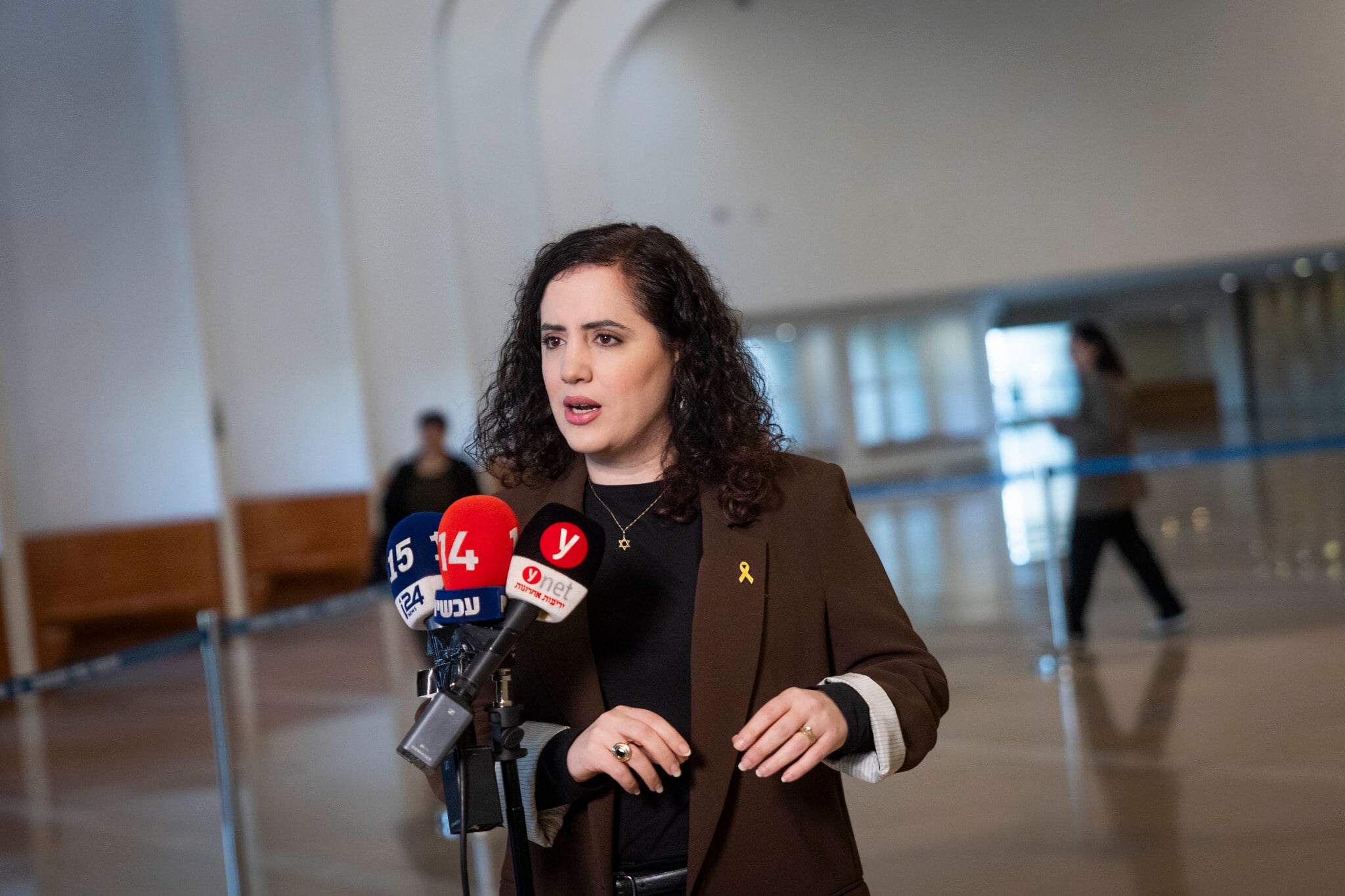
Yesh Atid party Opposition Leader Lapid, who was in court for the hearing, accused the government of stealing from Israel’s citizens “in the dead of night.”
“We came here today because if someone steals your money, you go to court,” he told reporters. Lapid said that since the transfer was “illegal,” the court should order the money returned.
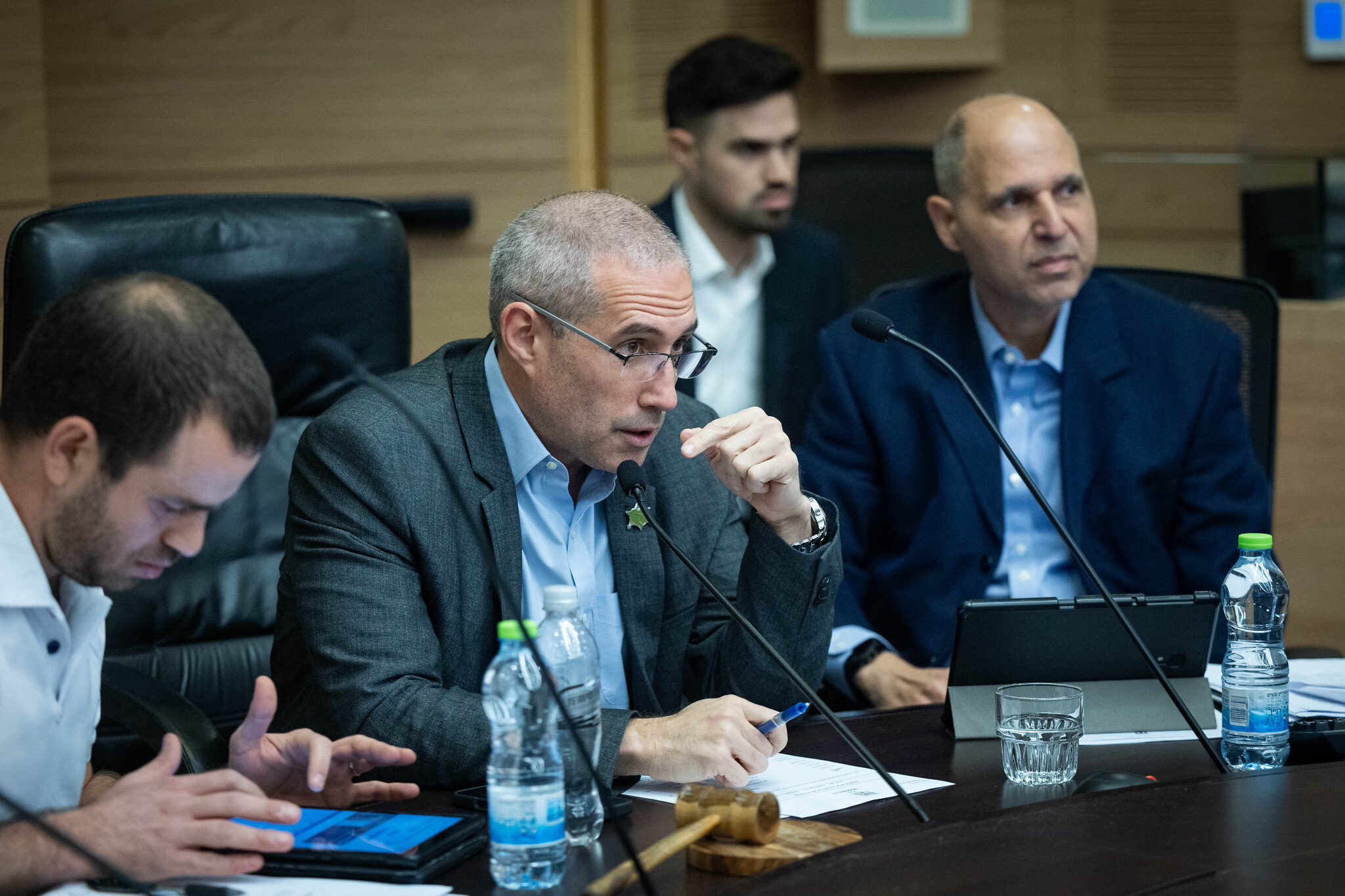
“Transfer of state funds without approval of the Finance Committee is a serious flaw that needs to be thoroughly checked,” Knesset Finance Committee chair Hanoch Milwidsky posted to X, though he noted that the money went to “legal destinations.”
Milwidsky, from the ruling Likud party, panned Lapid’s petition as “wicked” and the court intervention as “lacking authority.”
Democrats party MK Naama Lazimi, who filed the petition with Hiddush, said that holding the committee meeting “while deliberately hiding critical details makes these transfers illegal. This is a rotten fraud at the expense of the public.”
On December 31, the High Court issued an interim order freezing the transfer of funds, infuriating the ultra-Orthodox political parties.
In the state’s response to the petition filed late on Wednesday night, Attorney General Gali Baharav-Miara argued for the interim order to be canceled since the broader issue of state funding for ultra-Orthodox schools not teaching core curriculum studies should be dealt with in petitions addressing the larger problem and not just the recent Finance Committee transfers.
The attorney general said that if it is decided that funds were transferred to institutions that did not meet their obligations, it would be possible to offset the transferred funds from future budgets.
Separately, Baharav-Miara wrote Thursday to Education Minister Yoav Kisch about internal oversight processes in the ministry regarding the failure of the ultra-Orthodox school networks to fulfil their obligations as fully funded state schools for teaching the requisite number of hours for core curriculum subjects.
The state cannot continue to fund institutions that do not comply with the legal requirement to teach the core curriculum, the attorney general told Kisch.
The Finance Committee approved the transfer of NIS 786 million ($247 million) to school networks affiliated with the ultra-Orthodox Shas and United Torah Judaism parties, and NIS 136 million ($43 million) to so-called “recognized but unofficial” schools, which commit to teaching 75 percent of the state-set core curriculum but in practice often do not. An additional NIS 151 million ($47 million) was also allocated to Talmud Torahs, which do not teach the core curriculum.
In its petition, Yesh Atid said that the committee “took advantage of and circumvented all existing restrictions that prevent the transfer of funding to institutions that are not supervised and do not teach core subjects,” condemning what it described as “a rotten, corrupt and wasteful government that… sees our money as a bargaining chip and as political bribery to solve coalition problems.”









The Times of Israel Community.