

Likud minister says latest West Bank measures amount to ‘de facto sovereignty’
German envoys to Israel and Palestinian Authority join international condemnation of policies extending control over West Bank, insisting area key part of future Palestinian state
 Add ToI as a Preferred Source on Google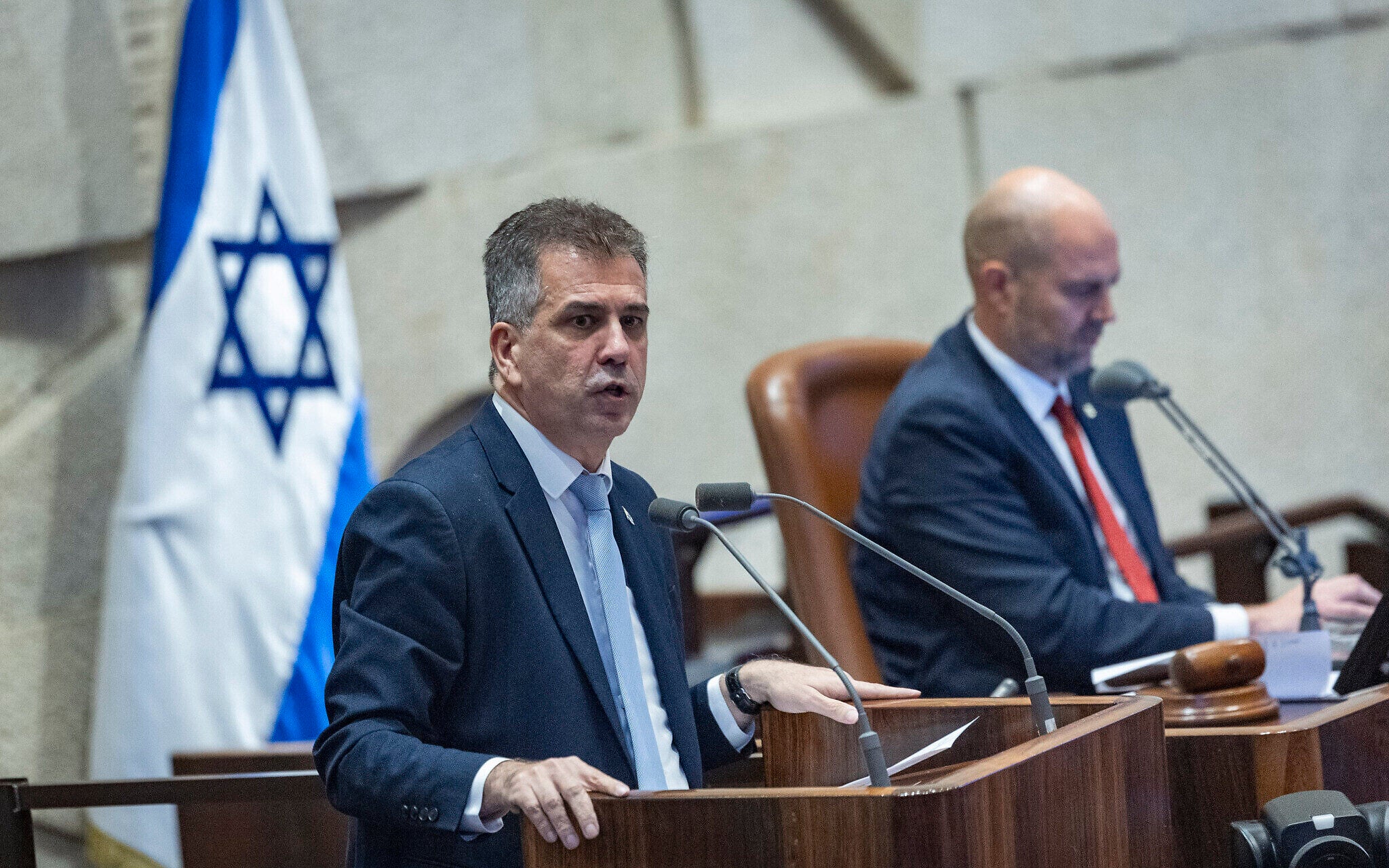
Energy Minister Eli Cohen said on Tuesday that measures adopted by the government that deepen Israeli control over the West Bank amount to implementing “de facto sovereignty.”
The steps “actually establish a fact on the ground that there will not be a Palestinian state,” Cohen, a member of the ruling Likud party, told Army Radio.
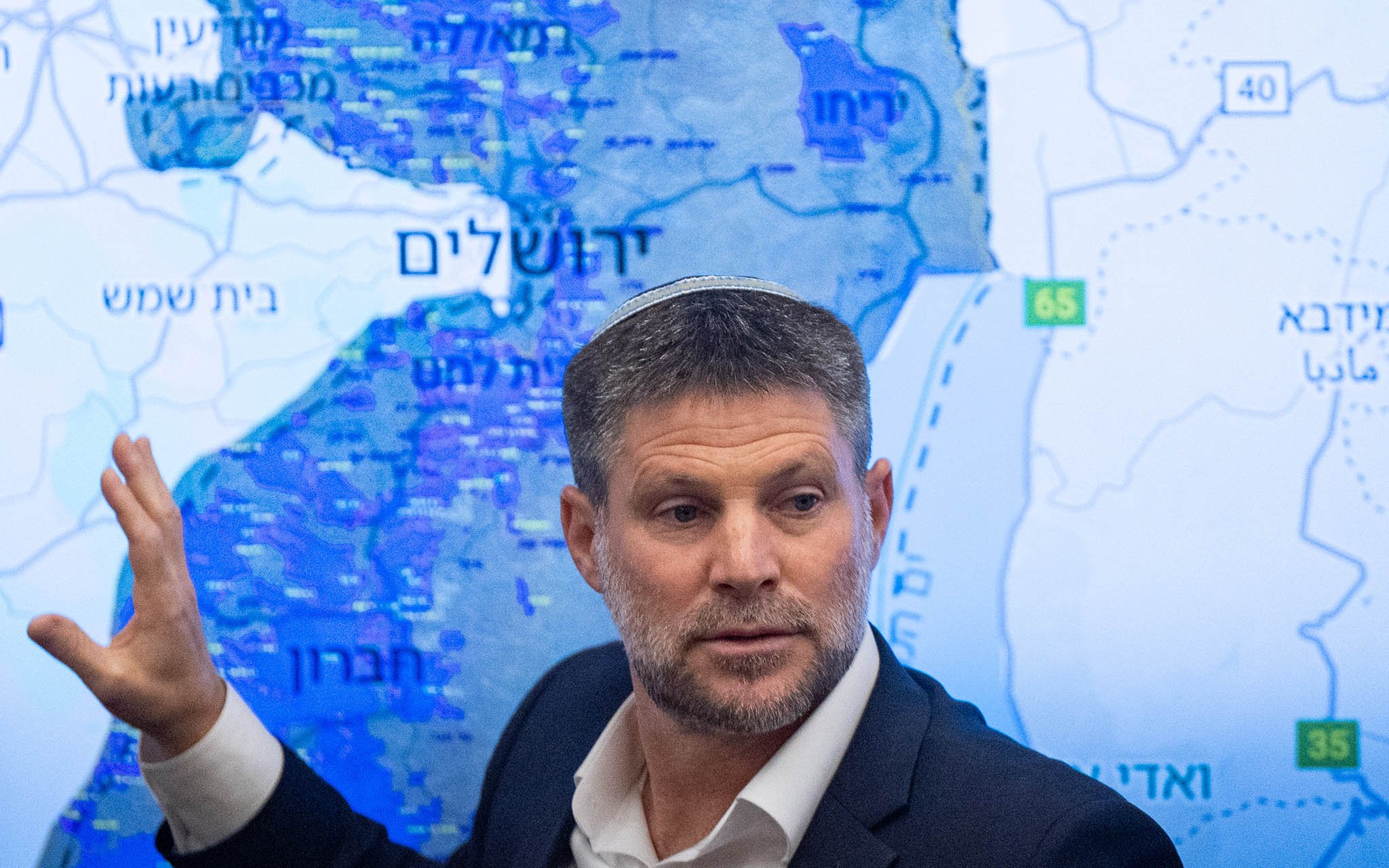
Cohen’s comments followed similar remarks by other members of Prime Minister Benjamin Netanyahu’s government, including Finance Minister Bezalel Smotrich and Defense Minister Israel Katz, who announced the measures.
The Palestinian Authority, Hamas, a group of Arab and Muslim countries, the European Union, and the United Nations have all condemned the measures. The US, meanwhile, issued a statement reiterating its opposition to Israel annexing the West Bank but not mentioning the new measures directly.
Last year, Trump said he wouldn’t allow Israel to annex the West Bank. The US-brokered ceasefire between Israel and Hamas that halted the war in Gaza also acknowledged Palestinian aspirations for statehood, though it did not lay out a pathway to that end.
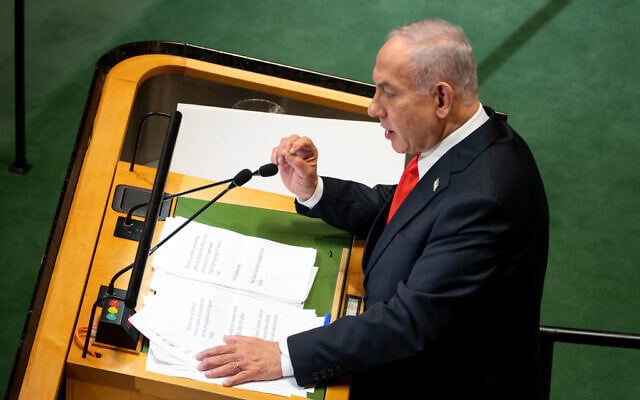
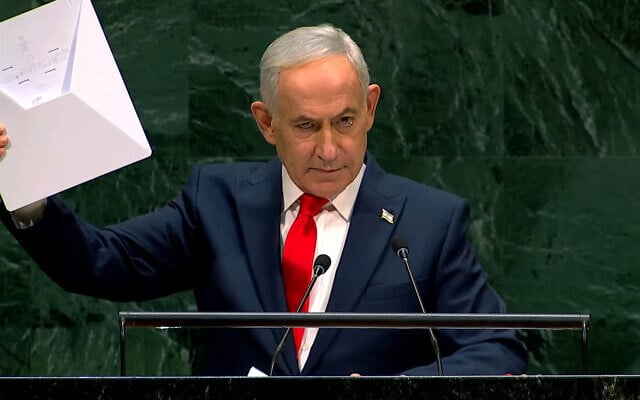
Prime Minister Benjamin Netanyahu is currently on his way to Washington to meet with Trump tomorrow, with Iran set to dominate the agenda. Netanyahu has long objected to Palestinian statehood and once pledged to annex parts of the West Bank, though he has not followed through.
German envoys to Jerusalem and Ramallah on Tuesday joined the chorus of rebuke over the West Bank policy overhaul.
“Israel’s decision to allow private land purchases and transfer parts of the administration in the West Bank violates international law and represents a further obstacle to a two-state solution,” wrote Anke Schlimm, the head of Germany’s Representative Office in Ramallah, on X, adding that “the West Bank is an integral part of a future Palestinian state.”
Reposting Schlimm’s statement, German Ambassador to Israel Steffen Seibert said he “fully agree[s]” with his colleague, adding, “The Security Cabinet’s decisions contravene Israel’s obligation under International Law.”
The plan adopted on Sunday tightened Israeli control throughout the territory and eased future settlement expansion. It transferred authority over building permits for the Jewish settlement in the largely Palestinian city of Hebron from the Palestinian Authority’s Hebron municipality to Israel.
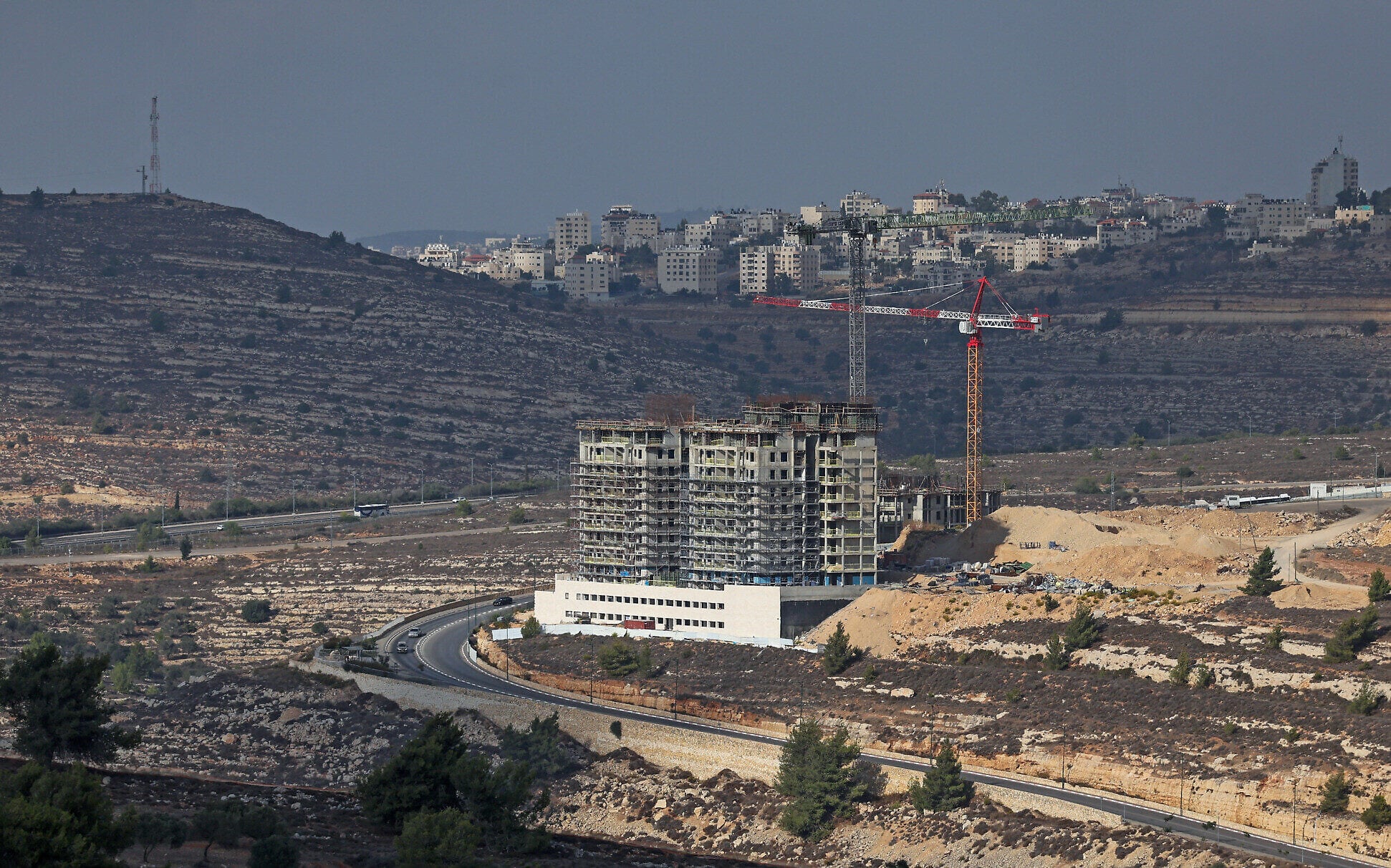
The changes also affect the Tomb of the Patriarchs, a site holy to Judaism and Islam that has been a flashpoint of conflict. The decision also affected the site of Rachel’s Tomb in Bethlehem by establishing “a dedicated municipal authority” responsible for cleaning and routine maintenance of the holy site, according to a joint statement by Katz and Smotrich.
The plan also ordered the publication of land registries in the West Bank, meaning that potential buyers will be able to identify landowners and approach them for purchasing. And it repealed a legal provision from when the territory was under Jordanian control that prevented non-Muslims from buying real estate in the area, easing property purchases in the West Bank.
In addition, it expanded Israeli oversight and enforcement activities into Areas A and B, which are both meant to be under Palestinian Authority civil control under the 1990s-era Oslo Accords, with regard to water violations, damage to archaeological sites, and environmental hazards that pollute the territory, according to the statement.





The Times of Israel Community.