

 From the Liveblog of
Tuesday, February 3, 2026
From the Liveblog of
Tuesday, February 3, 2026
Defense Ministry refuses to release committee protocols on Army Radio closure
 Add ToI as a Preferred Source on Google
Stav Levaton is a military reporter for The Times of Israel
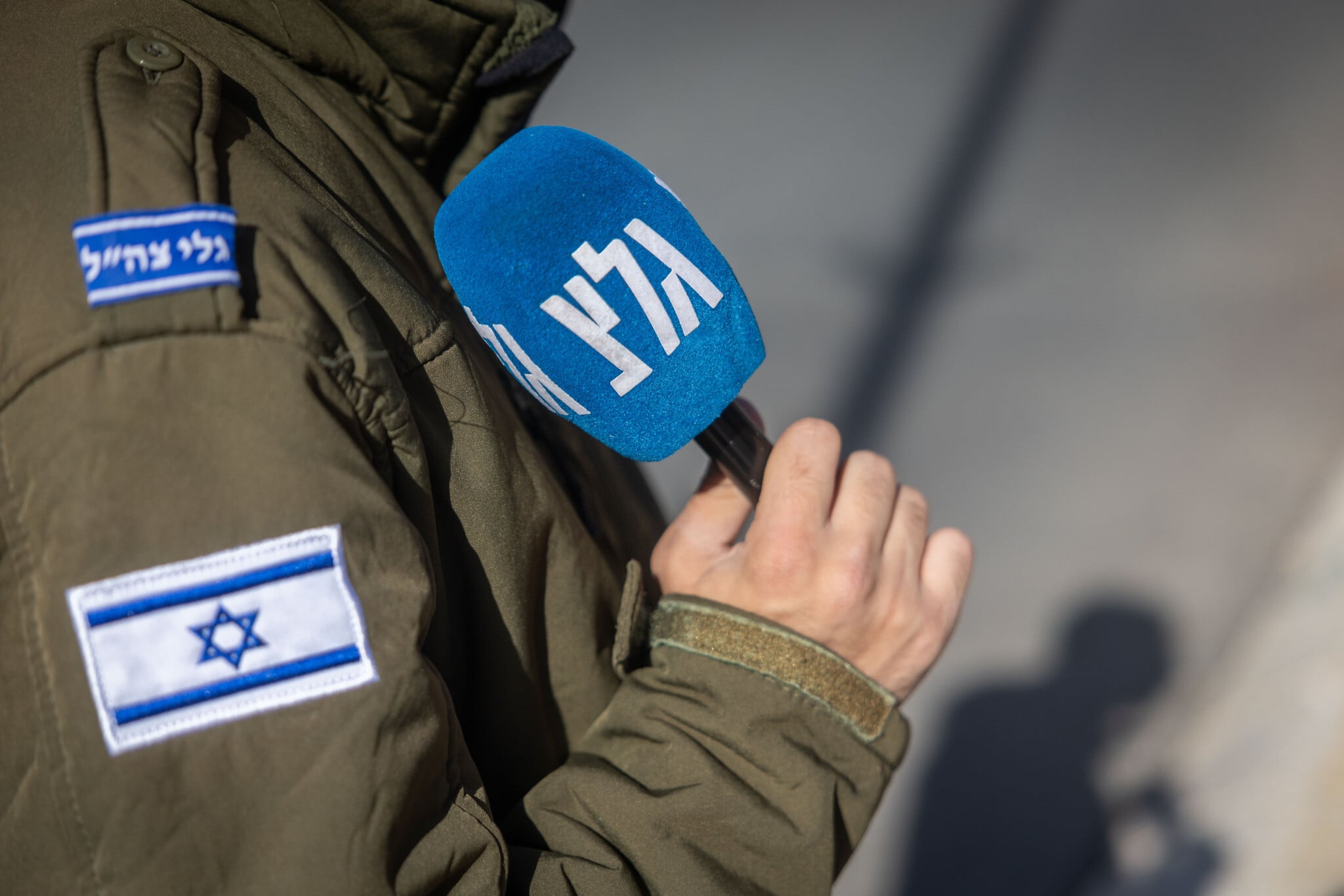
The Defense Ministry says that it will not provide the full protocols of an advisory committee that recommended closing the IDF-run Army Radio station, arguing that doing so would require an unreasonable allocation of resources.
In a limited response to a freedom of information petition by the Hatzlacha consumer advocacy group, the ministry claims the committee’s records span hundreds of pages and would also require consulting numerous third parties before any material could be disclosed.
Citing Section 8 of the Freedom of Information Law, the Defense Ministry says “a public authority is not obligated to process a request for information if it requires an unreasonable allocation of resources.”
The response comes after Hatzlacha filed the petition in August seeking documents related to the committee’s work, including appointment materials, conflict-of-interest arrangements, minutes and professional opinions presented to the panel.
After the ministry did not respond within the legally required timeframe, the group petitioned the Tel Aviv District Court in December, arguing the information is vital for public oversight as Defense Minister Israel Katz advances concrete steps toward shutting down Army Radio.
“The partial decision delivered today indicates that the Defense Ministry does not intend to allow scrutiny of, or disclose, the decision-making infrastructure that led to the recommendation to close the public radio station,” Hatzlacha says about the ministry’s limited response. “Instead, it is choosing to hide behind exemption clauses in the law in a way that will keep the protocols broadly classified and withheld.”
In December last year, the cabinet unanimously approved Katz’s controversial proposal to shut down Army Radio by March 1, 2026, arguing that the station’s political and current affairs programming “creates a fundamental difficulty for the IDF, stemming from the IDF’s involuntary involvement in political discourse,” and that its content “harms the Israel Defense Forces, its soldiers and its unity.”
The High Court issued an interim order at the end of December freezing implementation of the decision until it issues a final ruling.







The Times of Israel Community.