

 From
From Eisenkot says he couldn’t reach Netanyahu for 2 hours in 2018 after Syria downed an F-16
 Add ToI as a Preferred Source on Google
Stav Levaton is a military reporter for The Times of Israel
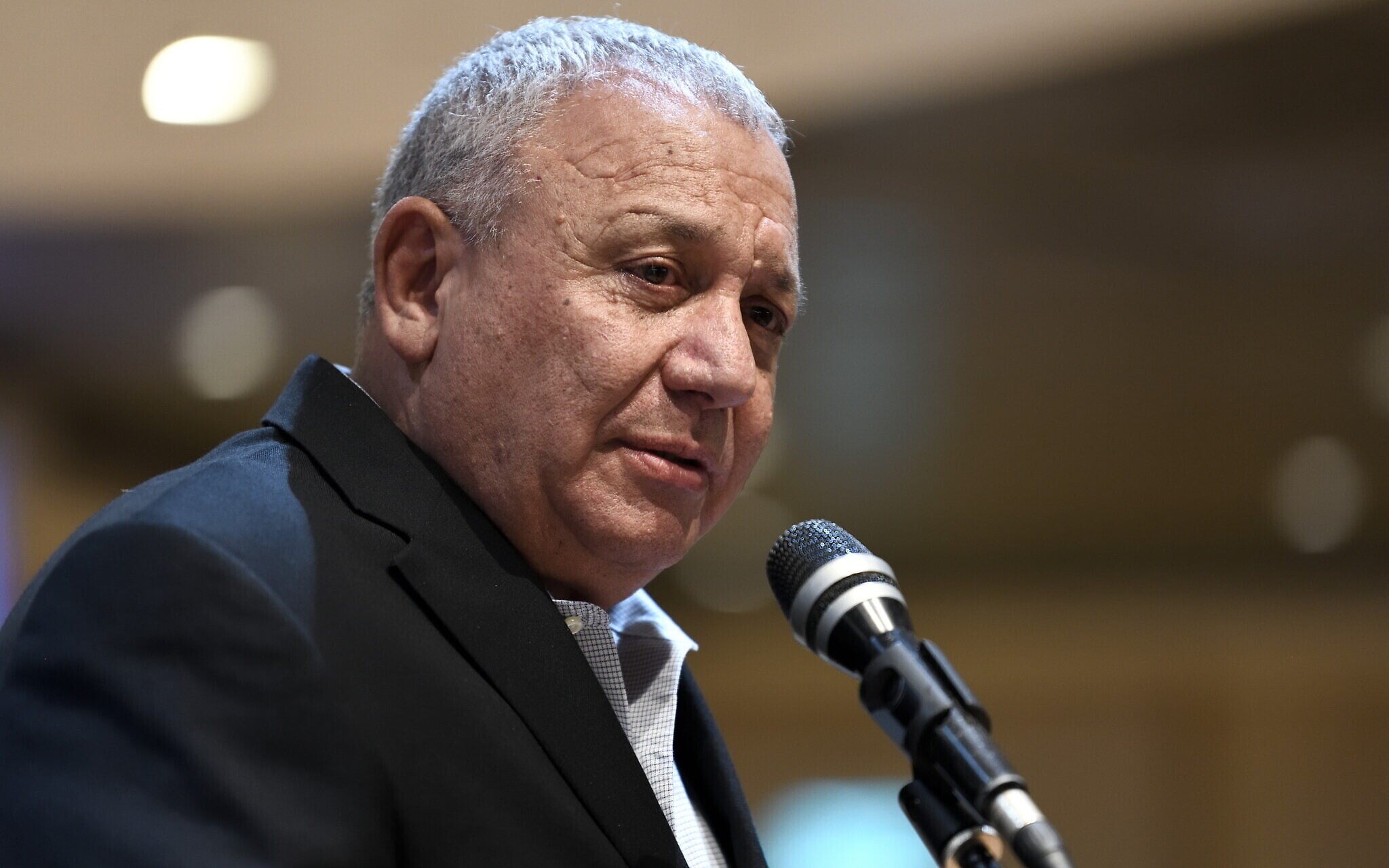
Yashar party leader Gadi Eisenkot recalls being unable to reach Prime Minister Benjamin Netanyahu for approximately two hours in 2018, when, as IDF chief, he decided to launch a large-scale attack against Syrian air defenses after an Israeli F-16 was downed by Syrian fire.
“I viewed [the downing] as a very serious incident. I was chief of staff, and together with the head of Military Intelligence and the air force commander, I decided to carry out a very extensive strike and destroy Syrian air-defense batteries,” Eisenkot says in an interview with Ynet at a conference hosted by the news outlet.
“I sought to update and consult with the prime minister, but I could not reach him for an hour or two. So I made the decision to carry out very extensive strikes to destroy Syrian anti-aircraft batteries and Iranian targets,” he says.
At the time, Israel was already conducting regular strikes in Syria in an effort to thwart Iranian entrenchment in the country.
“The military secretary said he could not reach [Netanyahu] and told me, ‘Do what you think is right,'” Eisenkot recounts, adding that the prime minister backed his decisions upon arriving at the air force command center several hours later.
“Although there were plans to continue striking, he stopped the attacks before a very important strike,” adds Eisenkot, Netanyahu’s main rival in the upcoming election.
In the same interview, Eisenkot also directly contradicts Netanyahu’s account of the hours preceding the October 7, 2023, onslaught, saying the premier’s office began receiving intelligence about unusual activity in Gaza at 3:30 a.m., hours before the Hamas-led attacks.
“Unequivocally. I am saying this based on direct knowledge,” the former IDF chief of staff says. “His office receives the intelligence details as they accumulate, once they are presented to the chief of staff and the head of the Shin Bet.”
“He should ask himself how he built an environment that does not update him on important information, and he can blame himself for why he wasn’t updated,” Eisenkot adds.
The remarks come after Netanyahu alleged this week that senior defense officials deliberately chose not to wake him before the attack because they feared he would have “given the order to put the entire military on alert” and thus triggered an escalation with Hamas.
Eisenkot accuses Netanyahu’s associates of “cultivating the conspiracy theory to explain how the greatest failure since the establishment of the state occurred,” saying the catastrophe amounted to “profound negligence that occurred on his watch.”









The Times of Israel Community.