

 From the Liveblog of
Thursday, October 9, 2025
From the Liveblog of
Thursday, October 9, 2025
Experts caution that released hostages expected to suffer significant health problems
 Add ToI as a Preferred Source on Google
Reporter at The Times of Israel
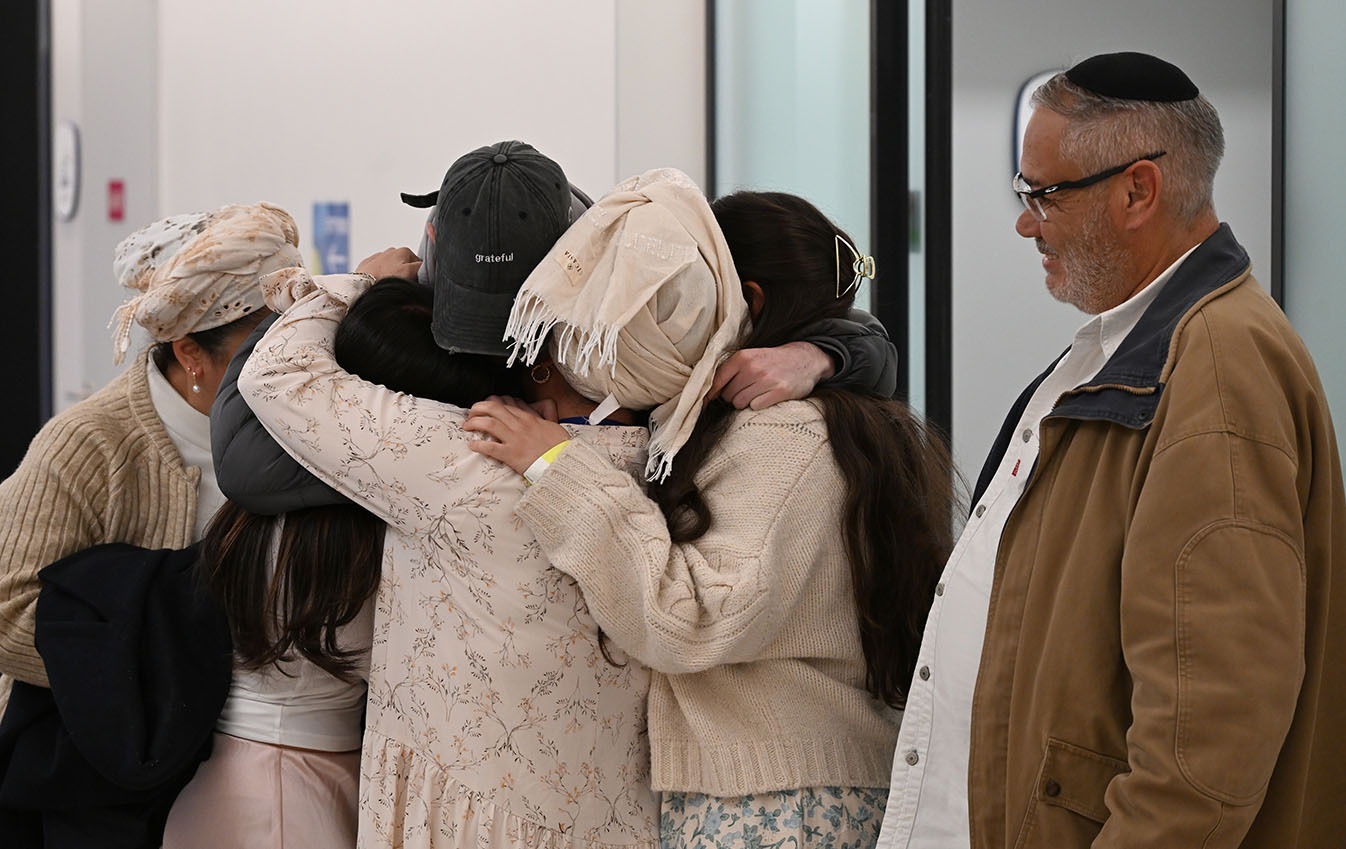
At a teleconference panel organized by the Hostages and Missing Families Forum, Prof. Hagai Levine, head of the group’s health team, says regarding the hostages that “the more time [they spend] in captivity, the more damage, psychological and physical,” they will suffer.
He says that following the last release of hostages from Hamas captivity in February, “in the first days, people think that because the hostages are walking, they are speaking, maybe the situation is not so bad.”
But, he continued, “We realized over time that there are internal injuries like renal problems, neurological problems and cardiac problems that may be increased, including accelerated aging.” He added that family members of hostages have “endured two years of hell,” and may also have health problems.
Levine describes how the released hostages need to be able to go from “being dehumanized by Hamas terrorists to become humans in terms of autonomy and control, individuals who can make their own decisions, which is a complex process, but we have some experience from the previous releases.”
Einat Yehene, the group’s Senior Rehabilitation Psychologist, says that she is “very happy that President [Donald] Trump really stressed the need to have all hostages released at one time, because we have learned the adverse impact of sequential releases, not only on the hostages themselves, but also on the families and on their ability to recover.”
She adds that there is also the “necessity and the urgency to bring the deceased hostages back to proper burial, and this is another painful topic that we will have to address and really think carefully about.”
Yehene adds that there are “differences between a family who opens champagne in the middle of the night at the Hostages Square, and at the same time, other families of deceased hostages “who are really losing their minds and don’t know what to do with themselves.”
Speaking about “massive hostage taking,” Levine concludes that “this is a public health emergency of international concern. We see the great impact of this terror action on public health.”








The Times of Israel Community.