

 From the Liveblog of
Tuesday, May 5, 2026
From the Liveblog of
Tuesday, May 5, 2026
Green groups welcome move to allow public access to Sea of Galilee trail
 Add ToI as a Preferred Source on Google
Sue Surkes is The Times of Israel's environment reporter
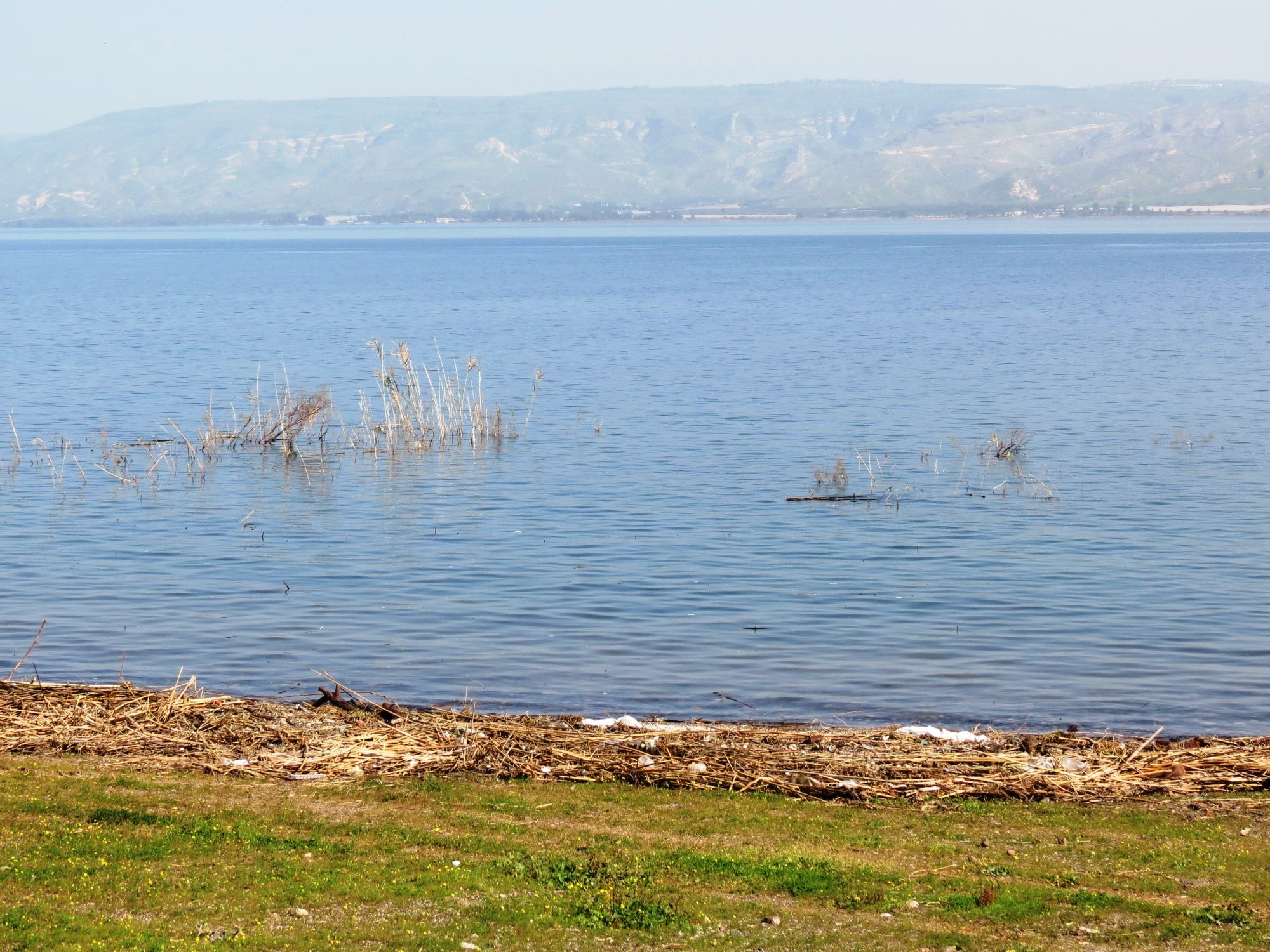
Environmental groups welcome a decision by the National Planning and Building Council to walk back some of its proposals to limit public access along the Sea of Galilee Circular Trail.
Four kibbutzim, operating right up to the shore, had asked to keep strangers out by fencing themselves off and operating gates that would be locked for several hours every evening and night. Having originally agreed to this, the council reversed its decision. Instead, it will allow them to fence up to three meters (10 feet) from the shore to allow free passage beyond.
Requests by various churches for fences, gates and alternative routes will, however, be met. There will be a diversion around the Sapir water pumping station.
The Sea of Galilee Circular Trail received general planning approval in 2007. Since then, public access to 32 kilometers (20 miles) of uncontentious segments has been approved. Of these, around seven kilometers (4.35 miles) of the trail have been built.
The decision reached today proposes a trail route as close as possible to the water line, with tourism hubs along the way, ranging from shaded stopping areas and rest corners to complexes that allow for day or night stays, all maintaining measured development that respects the environment.
The plans for these stretches will now be formally deposed and made available for public comment.
The final area to be discussed by the council will be the nine-kilometer (5.6-mile) stretch through the city of Tiberias.
Adam Teva V’Din says in a statement that the council’s about-face marks a “significant achievement for the public and for future generations, who will gain freedom of movement in the coastal space that belongs first and foremost to all of us.”
The Society for the Protection of Nature in Israel says the council “took an important step today in its decision to open the Sea of Galilee shores to the general public… In doing so, it upheld the principle that the seashores are public property and that the public has a basic right to access the shores and natural resources.”









The Times of Israel Community.