

 From the Liveblog of
Saturday, January 4, 2025
From the Liveblog of
Saturday, January 4, 2025
Hezbollah chief warns Lebanese terror group’s ‘patience may run out’
 Add ToI as a Preferred Source on Google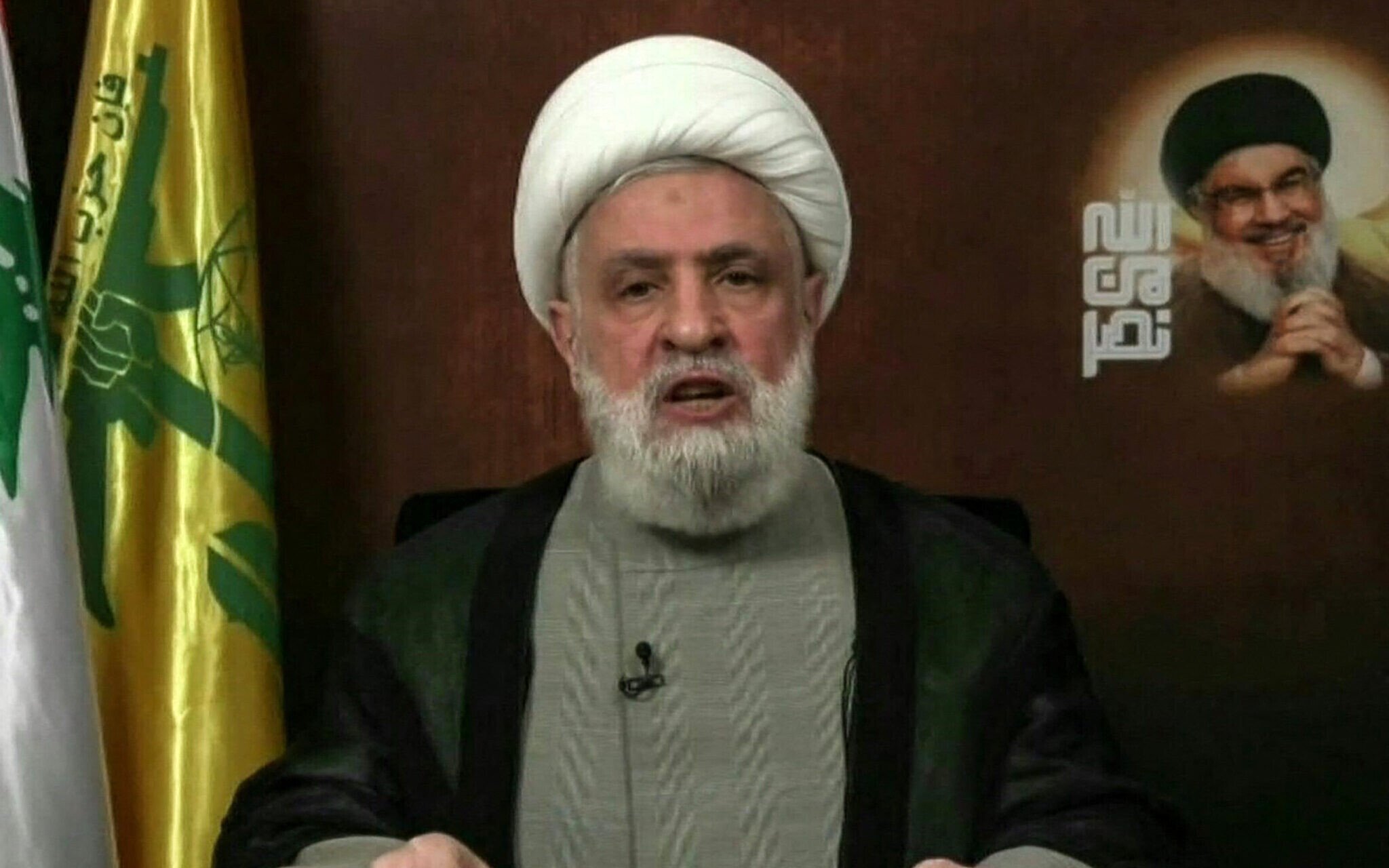
Hezbollah chief Naim Qassem has warned that the Lebanese terror group’s “patience may run out” as Israel continues to conduct some operations and airstrikes amid the ceasefire.
Israel has said it only acts to enforce the truce and hits Hezbollah operatives or sites violating the terms of the ceasefire. According to the agreement, Israel is to fully withdraw from Lebanon by the end of January, with the Lebanese military taking over and ensuring Hezbollah does not once again gain a foothold near Israel’s border.
“There is no timetable that specifies the resistance’s work, and our patience is linked to the appropriate timing to confront the enemy,” Qassem says in a speech. “Our patience may run out before or after the 60 days, when we decide to do something that you will see directly.”
Hezbollah and Israel reached a ceasefire after the Jewish state decimated the terror group’s leadership — including the elimination of Qassem’s predecessor Hassan Nasrallah — and its fighting capabilities in a two-month offensive between September and November.
“In the past, Israel reached Beirut within days, but in the 2024 aggression, it was unable to advance more than a few hundred meters at the front edge. Israel was unable to advance because the resistance fighters stood firm and stood firm in the face of it,” he says.
Israel did not seek to move beyond the border area in its recent ground campaign, saying it was acting only to eliminate Hezbollah infrastructure threatening communities in northern Israel.
“The enemy was forced to request a ceasefire because of the resistance’s capabilities, and we agreed through the Lebanese state,” he says.










The Times of Israel Community.