

 From the Liveblog of
Friday, June 26, 2026
From the Liveblog of
Friday, June 26, 2026
Israeli official: IDF withdrawal will only be from 2 areas beyond original borders of south Lebanon buffer zone
 Add ToI as a Preferred Source on Google
Jacob Magid is The Times of Israel's US bureau chief
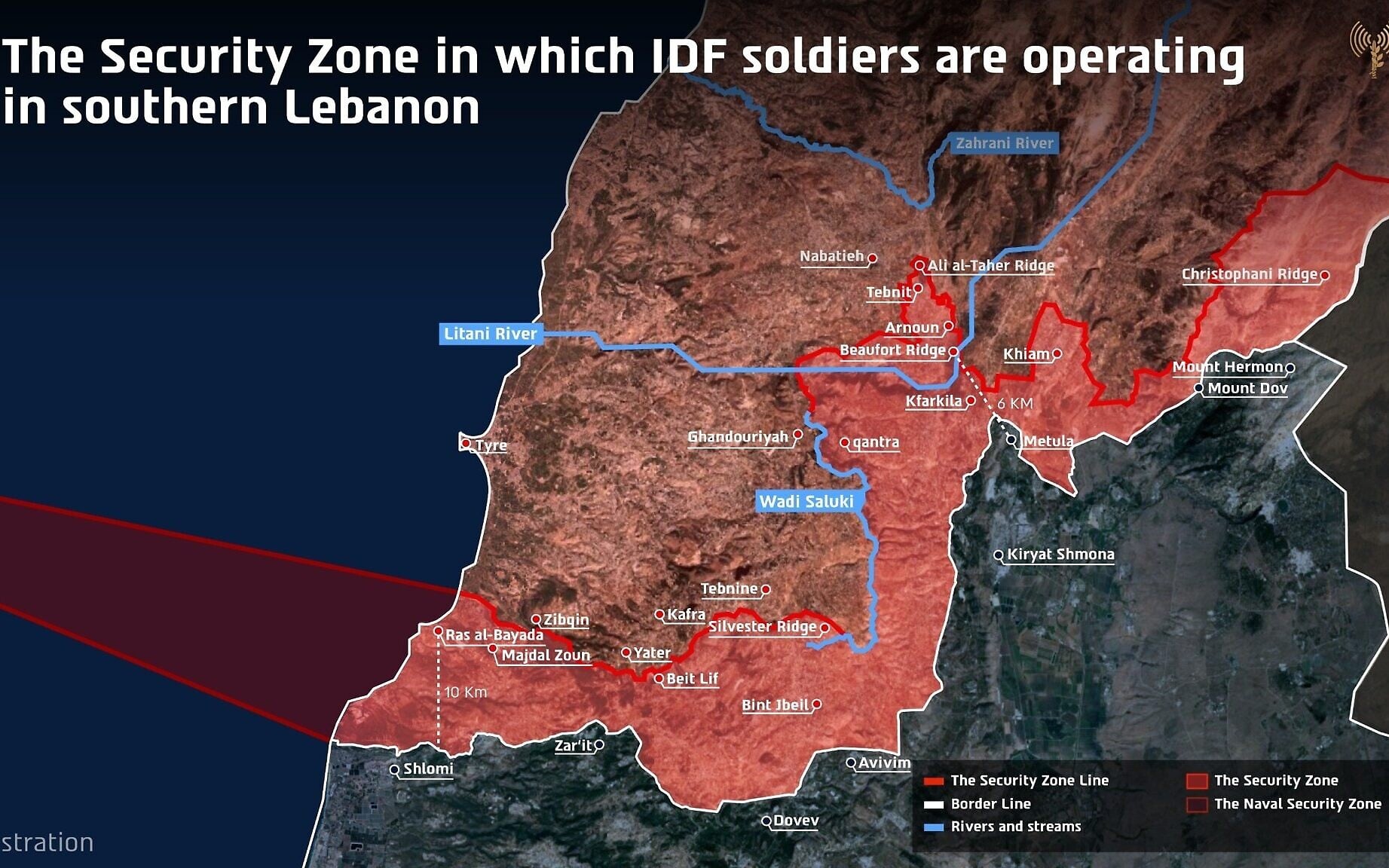
Explaining just how minor the planned IDF withdrawal from south Lebanon will be, an Israeli official says that troops will only be pulling back from two areas that are located beyond the original borders of the buffer zone that was established in April.
In the two-plus months that followed, the IDF pushed further north, adding additional territory to the buffer zone. It is from two of those areas that Israel has agreed to withdraw in today’s agreement with Lebanon, and they do not include the Beaufort Castle, which Israel recaptured in May.
That lookout point was seen as a symbol of Israel’s previous south Lebanon occupation, which lasted for 18 years until the government decided to withdraw its troops in 2000, determining that they weren’t actually providing significant security to residents of the north, even while suffering regular casualties.
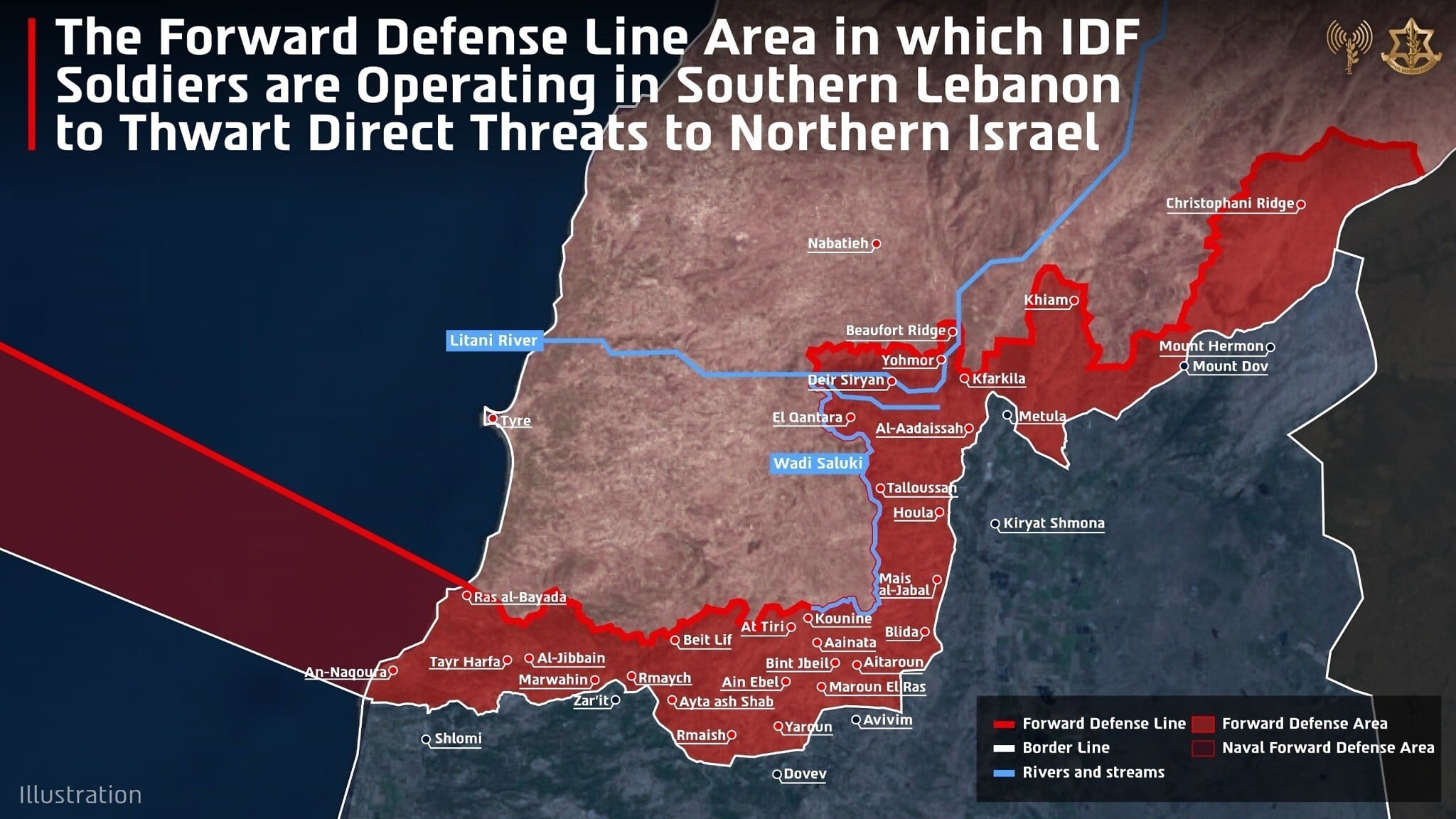
Israel, in this week’s talks, insisted on maintaining the original borders of the buffer zone, arguing that that amount of territory is needed inside Lebanon in order to ensure that northern border towns aren’t within the range of Hezbollah missiles.
It appears unlikely, though, that such a limited withdrawal will satisfy Iran or its Hezbollah proxy, who argue that Israel is violating the memorandum of understanding signed last week, which required a permanent end to military operations in Lebanon.
Israel maintains that it is not a party to that agreement and is refusing to dismantle its south Lebanon buffer zone. Consequently, Iran has apparently refrained from reining in Hezbollah, which has continued to target troops in southern Lebanon, harming what has been an extremely porous ceasefire that has also risked collapsing the MOU between the US and Iran, which Washington has been working to maintain.


The Times of Israel Community.