

 From the Liveblog of
Wednesday, October 21, 2026
Italian firm becomes 5th foreign company to withdraw from contentious Jerusalem cable car project
 Add ToI as a Preferred Source on Google
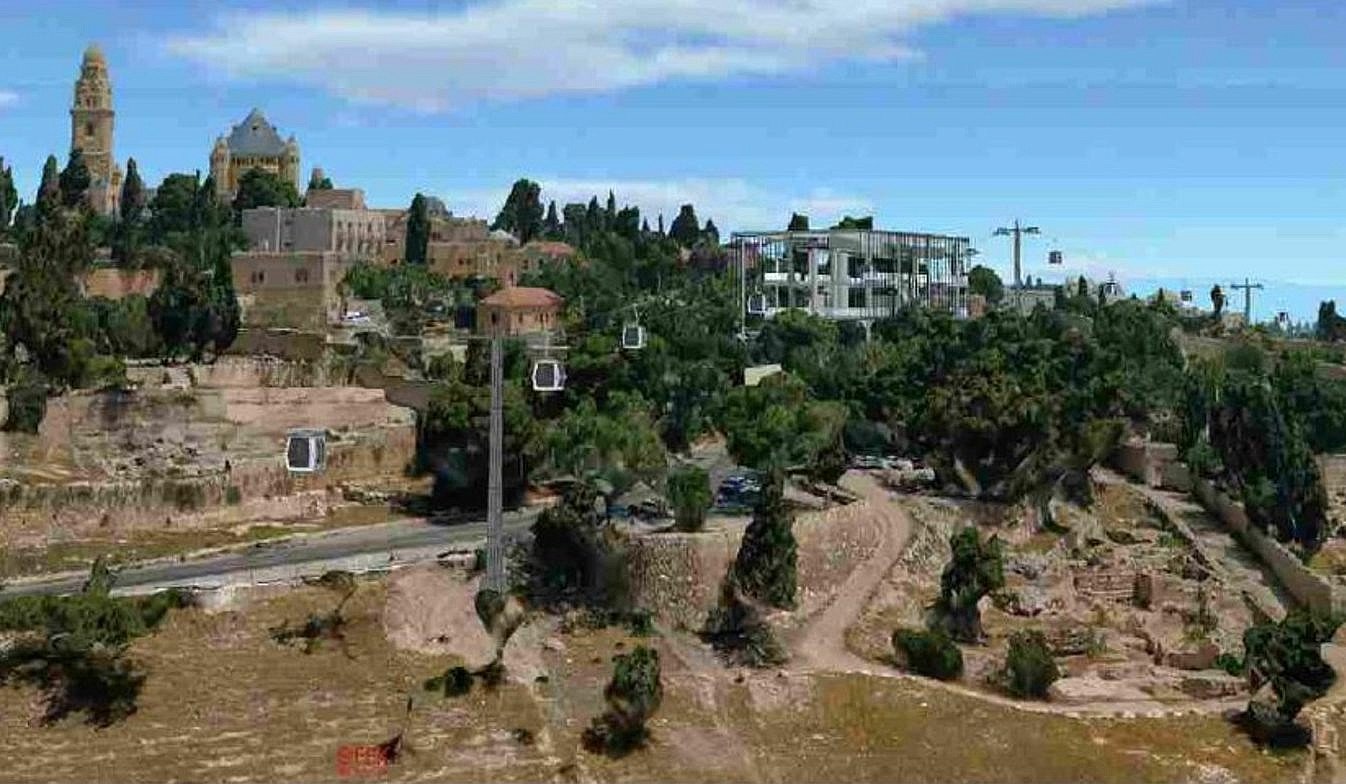
A fifth foreign firm has pulled out of a controversial plan to build a cable car to Jerusalem’s Old City, The Guardian reports.
Last month, the Jerusalem Development Authority (JDA) issued a notice of intent to award a contract without a public tender to Italian cable car engineering consultancy ROPES, the report says.
The company’s CEO Stephan Obexer tells The Guardian that it would not be taking the job due to another commitment in India.
Haaretz, citing Rome newspaper La Repubblica, says the company’s owner admitted accepting the offer to consult on the project, but later regretted the decision.
There is no formal statement from ROPES.
Proponents of the cable car say it’s the least disruptive — and most financially responsible — way to get up to 3,000 visitors per hour from West Jerusalem to the the Western Wall. Those in favor include the Tourism Ministry and the Jerusalem municipality.
But opponents say the plan is obtrusive and culturally and politically irresponsible, and will not solve traffic issues.
The plan has faced opposition from rights organizations, heritage professionals, archaeologists and internationally renowned architects.
In 2019, the Israel Association of Architects and Town Planners decried the plan to locate the final station for the cable car within the controversial Kedem complex being planned by the right-wing City of David Foundation (Ir David/El’ad). The project would also cause visual and acoustic damage to the residents of the crowded Palestinian village of Silwan, over which the cable car is set to pass on its way to the Old City’s Dung Gate, it said.
The association also decried the lack of preservation activities associated with the plan, and said the cable car would be an eyesore.
Earlier this month, the Emek Shaveh organization warned that the apparent renewal of the project after it had stagnated for a number of years “threatens the Palestinian communities of Silwan and the timeless landscape of Jerusalem’s historic core.”
“Over the years, its planners have failed to demonstrate that the cable car will meet any transportation need,” the statement says. “It is clear that the project’s central motivation is to consolidate the settlers’ hold on Silwan and adjacent areas as part of an effort to displace Palestinians from the Historic Basin and reshape Jerusalem’s cultural landscape.”
“More specifically, the project aims to reroute tourism away from the established routes through the Muslim and Christian Quarters, bypassing the historic approaches through Damascus and Jaffa Gates and seeks to funnel visitors through the settler-controlled City of David site,” says the watchdog.










The Times of Israel Community.