

 From the Liveblog of
Monday, July 27, 2026
From the Liveblog of
Monday, July 27, 2026
Likud approves Netanyahu plan expanding control over party slate
 Add ToI as a Preferred Source on Google
Ariela Karmel is a political correspondent at The Times of Israel. She previously reported for Calcalist and Haaretz. She holds an MA in Middle Eastern and African History from Tel Aviv University and a BA in Political Science from the University of British Columbia.
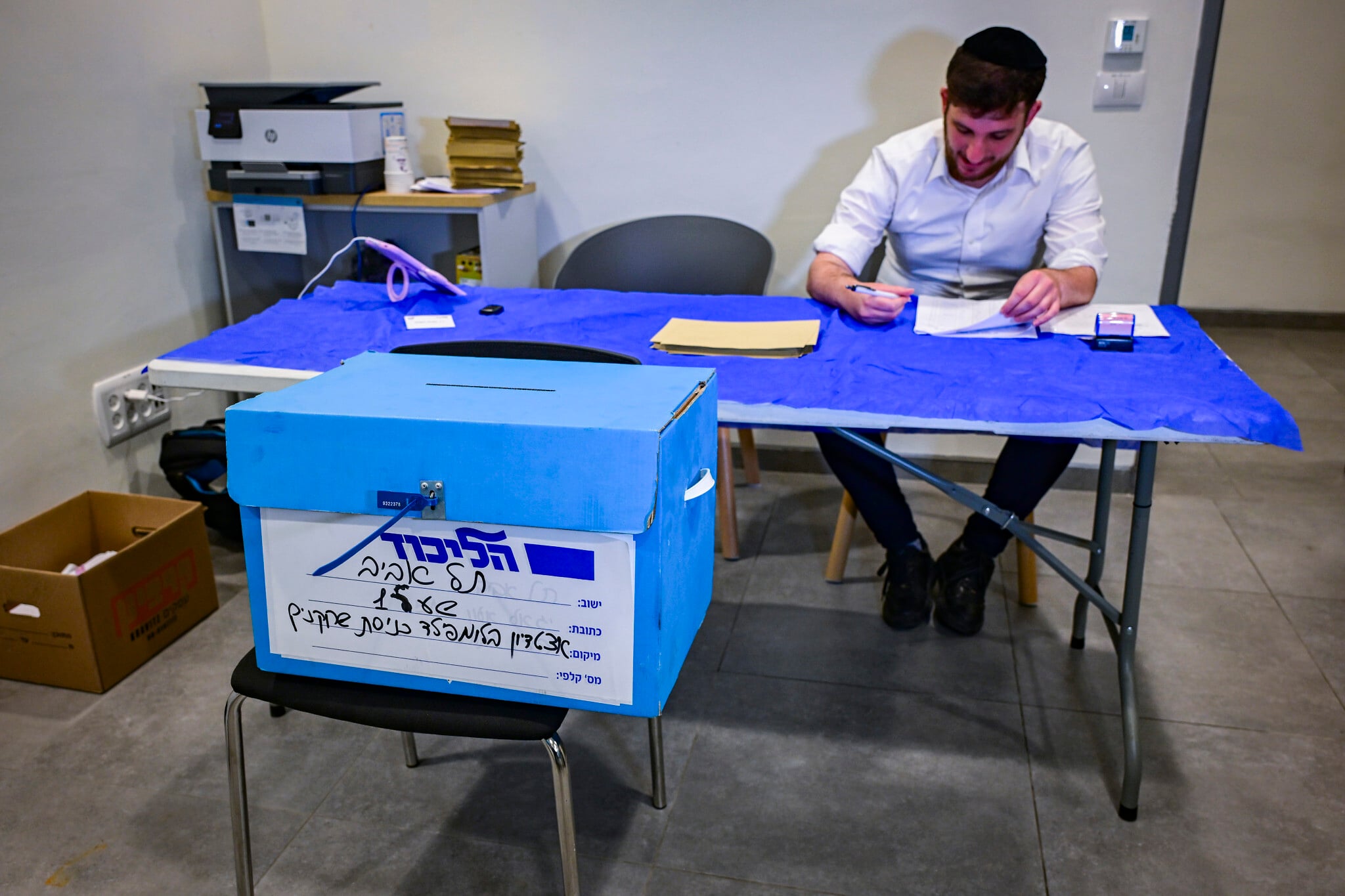
Likud’s roughly 4,500-member Central Committee approves a proposal significantly expanding Prime Minister Benjamin Netanyahu’s control over the party’s Knesset slate, granting him eight reserved slots in the top 29 places on the list ahead of the October 27 election.
After some 73 percent of the Central Committee members voted, three Netanyahu-backed changes to the party primaries pass.
One of them is a measure allowing sitting lawmakers for the first time to compete for spots reserved for districts, which until now had always been reserved for new candidates. That proposal passed by only six votes, which will likely prompt legal challenges to the vote.
The main measure gives Netanyahu unprecedented influence over more than a third of the party’s expected spots in the next Knesset, with Likud currently polling at 21-23 seats.
It passes despite rare public dissent from within Likud, led by MK David Bitan, who argued it would push incumbent lawmakers down the list in favor of Netanyahu’s handpicked candidates.
Bitan has said several of the reserved slots are expected to go to politicians outside Likud, including Foreign Minister Gideon Sa’ar, whose New Hope faction merged with Likud last year, members of Finance Minister Bezalel Smotrich’s Religious Zionism party, and members of National Security Minister Itamar Ben Gvir’s Otzma Yehudit faction.
The identities of the candidates Netanyahu intends to place in the reserved slots have not been announced.
The vote comes a day after Likud’s internal court struck down Netanyahu’s bid to allow the party to cancel its August 17 primary in the event of a “wartime situation” and instead select candidates through an appointed committee controlled by the premier.







The Times of Israel Community.