

 From the Liveblog of
Friday, April 17, 2026
From the Liveblog of
Friday, April 17, 2026
Most Israelis think Netanyahu should not be country’s next prime minister — poll
 Add ToI as a Preferred Source on Google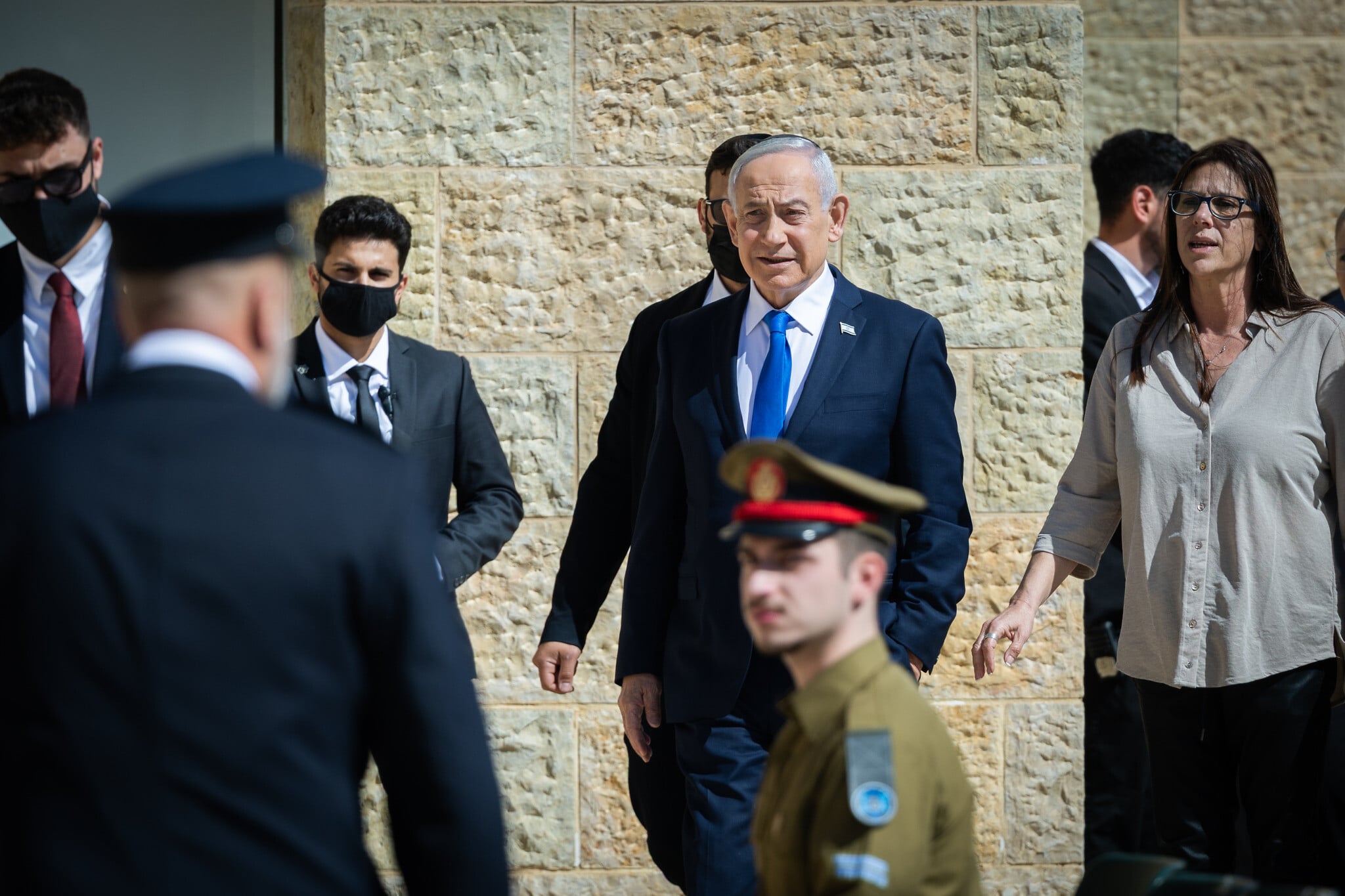
Most Israelis think Prime Minister Benjamin Netanyahu should not be the country’s next prime minister, according to a new poll aired on Channel 12.
At the same time, Netanyahu would defeat all four of his top political rivals in head-to-head matchups, the poll indicates.
The specific findings, while indicative of current levels of support, are essentially academic since Israel’s prime minister is not directly elected. Rather, the party leader deemed by the state president to be best able to form a majority coalition in the 120-seat Knesset after election votes are counted is tasked with doing so. Israel’s next elections must be held by late October.
When asked to choose between Netanyahu and former prime minister Naftali Bennett, 41% of respondents said Netanyahu should be the next premier, while 34% said Bennett should be the next premier and 25% said someone else or that they’re unsure.
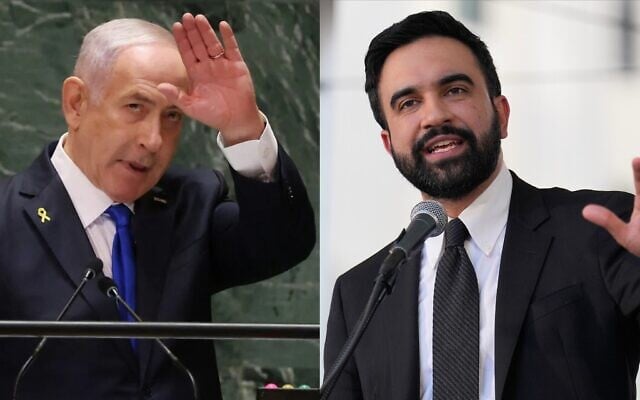
When matched up against Yashar chief Gadi Eisenkot, 42% say Netanyahu should be the next prime minister, compared to 36% who said Eisenkot and 22% who said someone else or that they’re unsure.
When matched up against Yesh Atid chairman Yair Lapid, 42% said Netanyahu should be the next premier, 27% said Lapid and 31% said someone else or that they weren’t sure.
When matched up against Yisrael Beytenu chief Avigdor Liberman, 42% said Netanyahu should be the next premier, 24% said Liberman and 34% said they’re not sure.
But when separately asked whether Netanyahu or someone else should be the next prime minister, 56% said someone else, 36% said Netanyahu and 8% said they weren’t sure.
Fifty-three percent of Israelis are fearful for the future of Israeli democracy, while 42% say they’re not fearful and 5% say they’re not sure, the poll finds.
Fifty-six percent of Israelis think internal divisions are the biggest threat to Israel’s independence, compared to 39% who say security threats are the biggest threat and 5% who said they’re not sure.
Forty-five percent of Israelis say the government’s Independence Day torch lighting ceremony is political, compared to 32% who say it is nationally unifying and 23% who are unsure.
Forty-six percent of respondents say the Israelis selected by the government to light torches at the ceremony aren’t representative of them, compared to 20% who say they are and 34% who say they’re not sure.






The Times of Israel Community.