

 From the Liveblog of
Sunday, September 14, 2025
From the Liveblog of
Sunday, September 14, 2025
Over 20,000 wounded IDF soldiers treated since Oct. 7, half for mental health
 Add ToI as a Preferred Source on Google
Emanuel (Mannie) Fabian is The Times of Israel's military correspondent
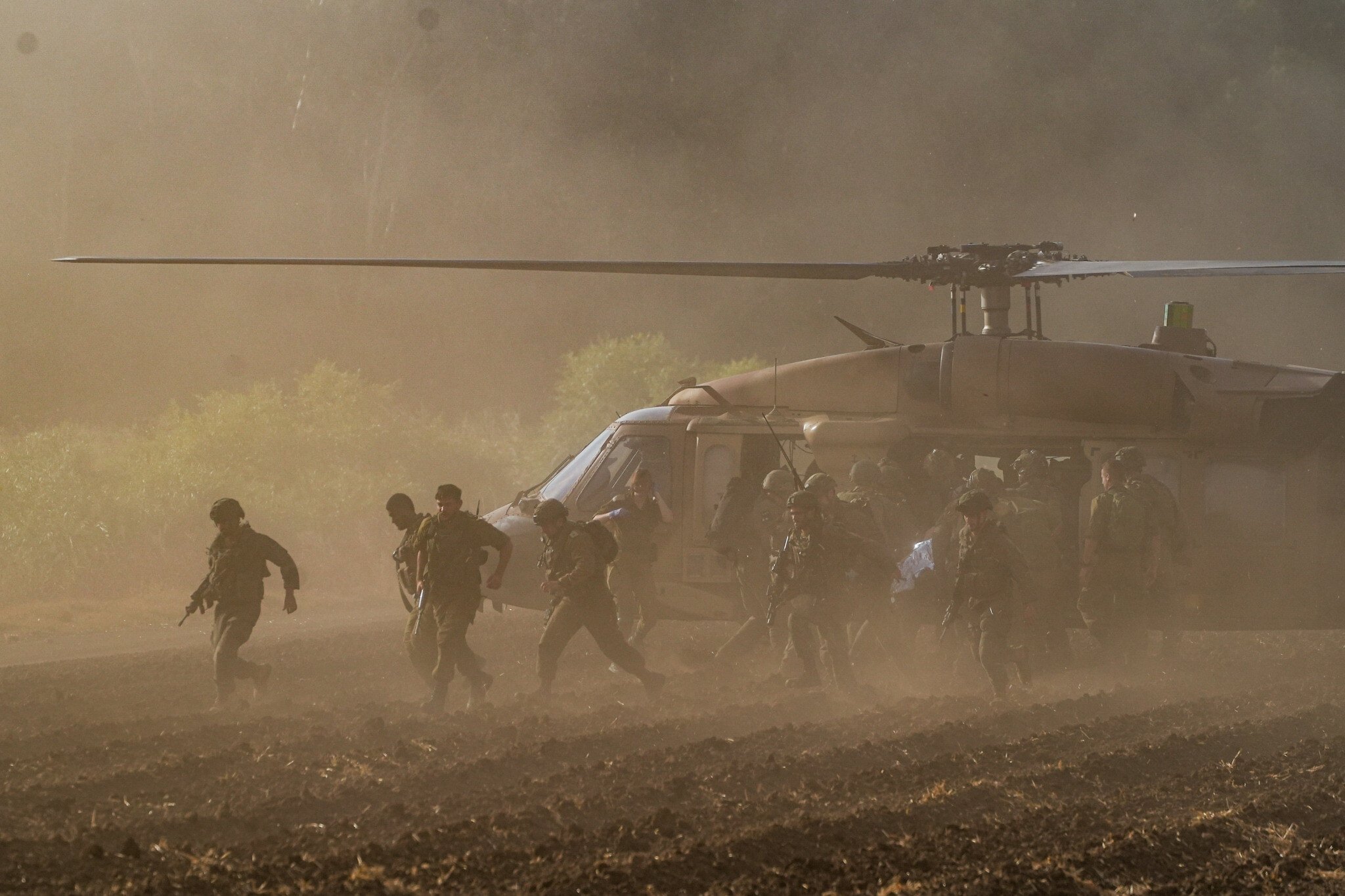
The Defense Ministry’s Rehabilitation Department says it has treated some 20,000 wounded soldiers since the beginning of the war, which began on October 7, 2023, more than half of whom are suffering from mental health conditions.
According to the Defense Ministry, some 56 percent of those treated by the rehab centers amid the war are suffering from post-traumatic stress disorder and other mental health conditions.
Some 9% of the wounded are defined as having moderate-to-severe injuries; 56 wounded are classified as having over 100% disability — the most severe level of injury; 24 wounded have 100% disability; 16 wounded are paralyzed; and 99 are amputees who received prosthetics, the ministry says.
The ministry says some 45% of the 20,000 are physically wounded; some 35% are suffering PTSD and other mental health conditions; and around 20% are suffering both physical injuries and mental health conditions.
Among the 20,000 soldiers, around 64% are reservists.
Each month, around 1,000 wounded soldiers from the war are treated by the rehab department, in addition to around 600 requests from previous wars.
Including previous wars, the ministry says the rehab department is caring for a total of 81,700 wounded veterans, including 31,000, or 38%, suffering from mental health conditions. It forecasts that by 2028, the center will be treating some 100,000, with at least half of them suffering from PTSD and other mental health conditions.
The rehab department’s budget stands at NIS 8.3 billion, NIS 4.1 billion of which is dedicated to treating those with mental health conditions, the ministry says.
Officials at the rehab department say they have identified that “in the coming years, alongside the national challenges of the increase in the number of wounded, the continuation of the war, the treatment of those dealing with mental health conditions, the concern about suicidality, and the shortage of therapists, there are challenges that require immediate response.” The challenges include “a shortage of staff, with a ratio of 1:750 patients per rehabilitation worker; the need to simplify bureaucracy; new and unique needs required for the newly wounded,” it says.
In light of the challenges, Defense Minister Israel Katz and Finance Minister Betzalel Smotrich recently announced the establishment of a public committee headed by Prof. Shlomo Mor-Yosef, chairman of Leumit Health Services, to formulate recommendations to expand Israel’s national response for treating and rehabilitating wounded IDF soldiers.




The Times of Israel Community.