

 From the Liveblog of
Tuesday, February 24, 2026
From the Liveblog of
Tuesday, February 24, 2026
State comptroller finds Israel didn’t have an up-to-date evacuation plan on Oct. 7
 Add ToI as a Preferred Source on Google
Stav Levaton is a military reporter for The Times of Israel
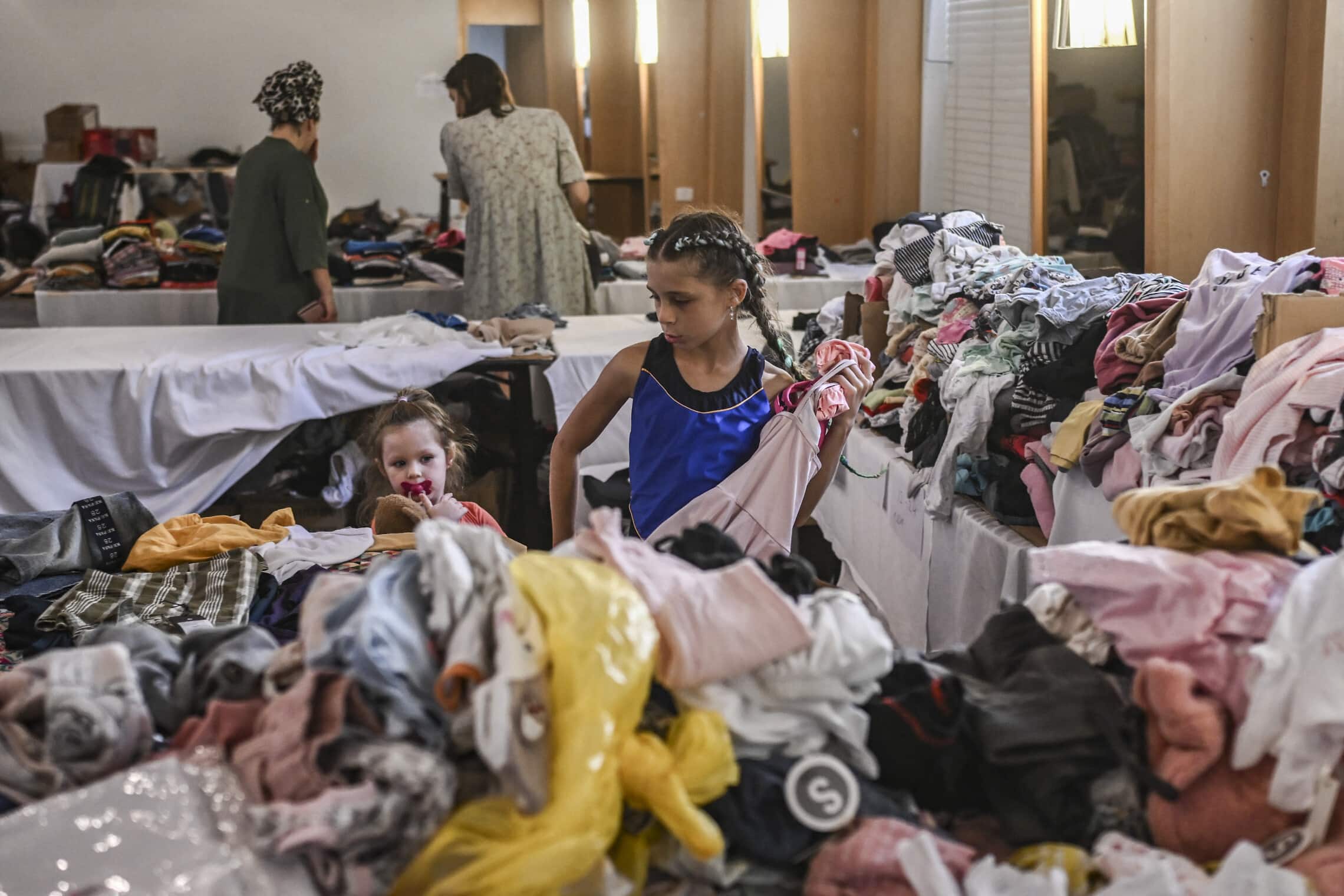
A state comptroller report finds that Israel did not have an approved, updated national plan for the mass evacuation and relocation of civilians when Hamas launched its shock assault on southern Israel on October 7, 2023, sparking the war in Gaza.
The report reviews the evacuation and relocation of roughly 200,000 residents from southern and northern communities in the war’s opening weeks.
It finds that although a revised version of a 2012 evacuation framework had been formulated in 2022, it was not approved due to a budgetary dispute, leaving no up-to-date national plan in place when the war began. Instead, large-scale evacuations relied on ad hoc government decisions made during the crisis, with most evacuees housed in hotels rather than public facilities as envisioned in the original framework.
The report also cites disputes between the Defense Ministry’s National Emergency Authority, the Interior Ministry and the IDF over responsibility for managing evacuation and absorption, and found that only 41 of 317 facilities used to host evacuees had been pre-designated for that purpose.
In the north, the comptroller noted that Kiryat Shmona was not included in the national “Safe Distance” evacuation plan — a framework for evacuating residents of communities located within 0-5 kilometers of the border with Lebanon during wartime — and that some 10,000 residents left their homes in the city independently before a formal government decision was issued.
Across both regions, the report found that evacuation drills conducted before the war did not simulate scenarios on the scale of October 7 and that there was no unified system for managing real-time data on evacuees’ locations.
In response, the Defense Ministry says the National Emergency Authority “acted and continues to act with an expansive approach since the beginning of the war,” and led inter-ministerial coordination for the treatment of evacuees from the south and later from the north.










The Times of Israel Community.