

 From the Liveblog of
Monday, February 24, 2025
From the Liveblog of
Monday, February 24, 2025
State comptroller finds some communities targeted on Oct. 7 haven’t received state support, tells PM to find solution
 Add ToI as a Preferred Source on Google
Sue Surkes is The Times of Israel's environment reporter
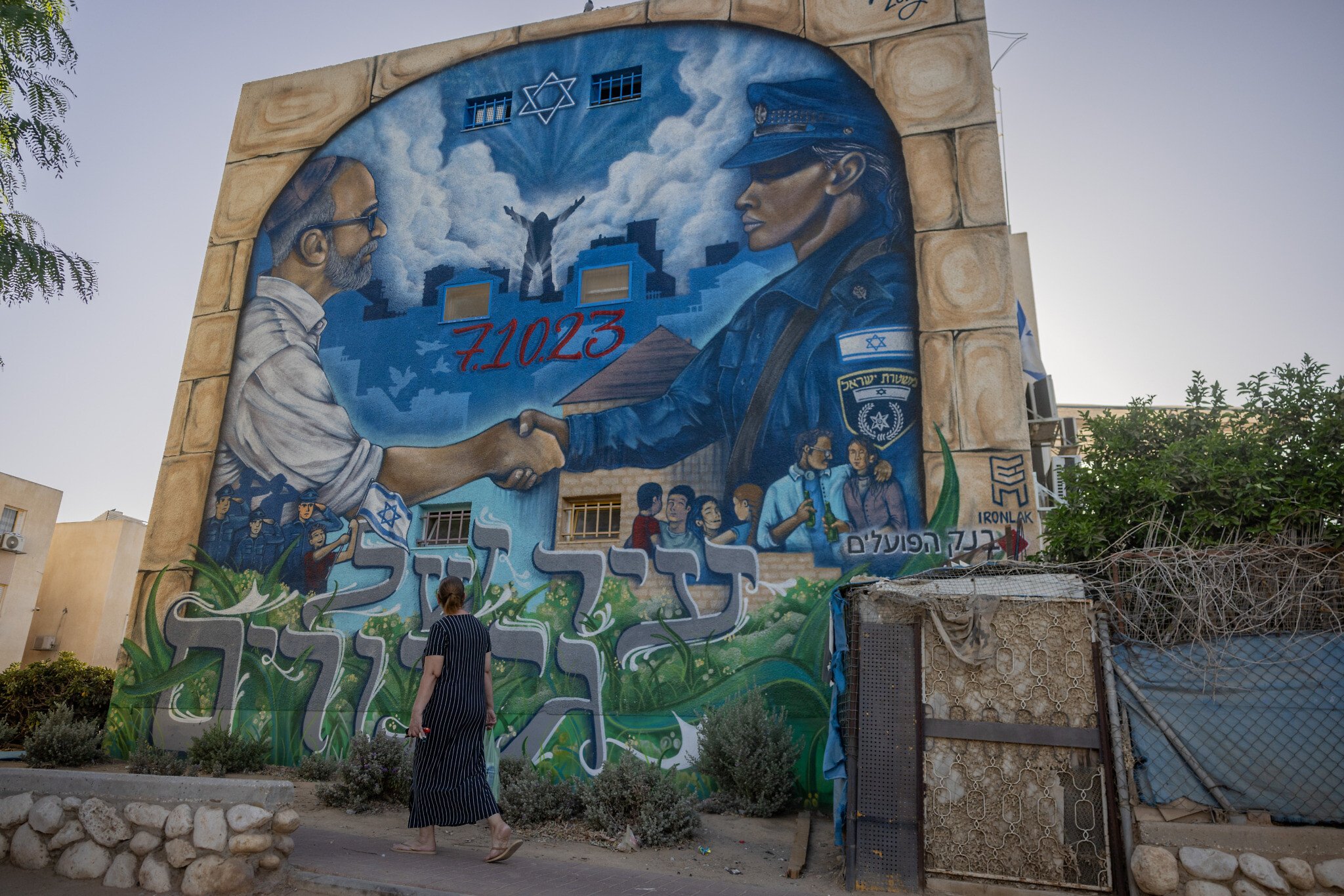
An interim report by the State Comptroller on the rehabilitation of Gaza border communities following the October 7, 2023, Hamas invasion finds that communities badly hit on that day but located more than seven kilometers from the Gaza border — thus making them ineligible for special state support — are suffering and in need of assistance.
These include the city of Ofakim, where 27 civilians and six members of the security forces were murdered in a single neighborhood, and 16 further residents were gunned down in the city’s south.
By December last year, some 500 residents were waiting to begin therapy at Ofakim’s Resilience Center and new referrals were averaging 30 per week, the report says. The average waiting time was 60 days, with social workers saying they had triple the workload without the resources.
The comptroller says the Prime Minister’s Office and the Finance and Defense ministries have not met their commitments to review and decide on an updated geographical boundary within which to focus support. The decision should have been brought for government approval by February 10, 2024.
This failure, says the State Comptroller, has led to a freeze on NIS 5 billion ($1.4 billion) of development funding for the region and is holding up major projects, such as the creation of a southern Wingate sports facility for the city of Sderot.
The report criticizes the government for leaving the Tekuma Directorate — tasked with rehabilitating the region — without a full-time director and deputy director since August, saying it has impeded progress.
It also describes problems getting temporary housing sites ready on time for three of the kibbutz communities hit the hardest — Be’eri, Kfar Aza, and Holit.
It says that if the government had a plan in hand for establishing temporary sites to accommodate evacuees in emergency events, with a single coordinator, work could have proceeded more quickly.







The Times of Israel Community.