

 From the Liveblog of
Sunday, March 2, 2025
From the Liveblog of
Sunday, March 2, 2025
IDF’s Southern Command chief: We treated Gaza threat with utmost seriousness, but with incorrect conclusions
 Add ToI as a Preferred Source on Google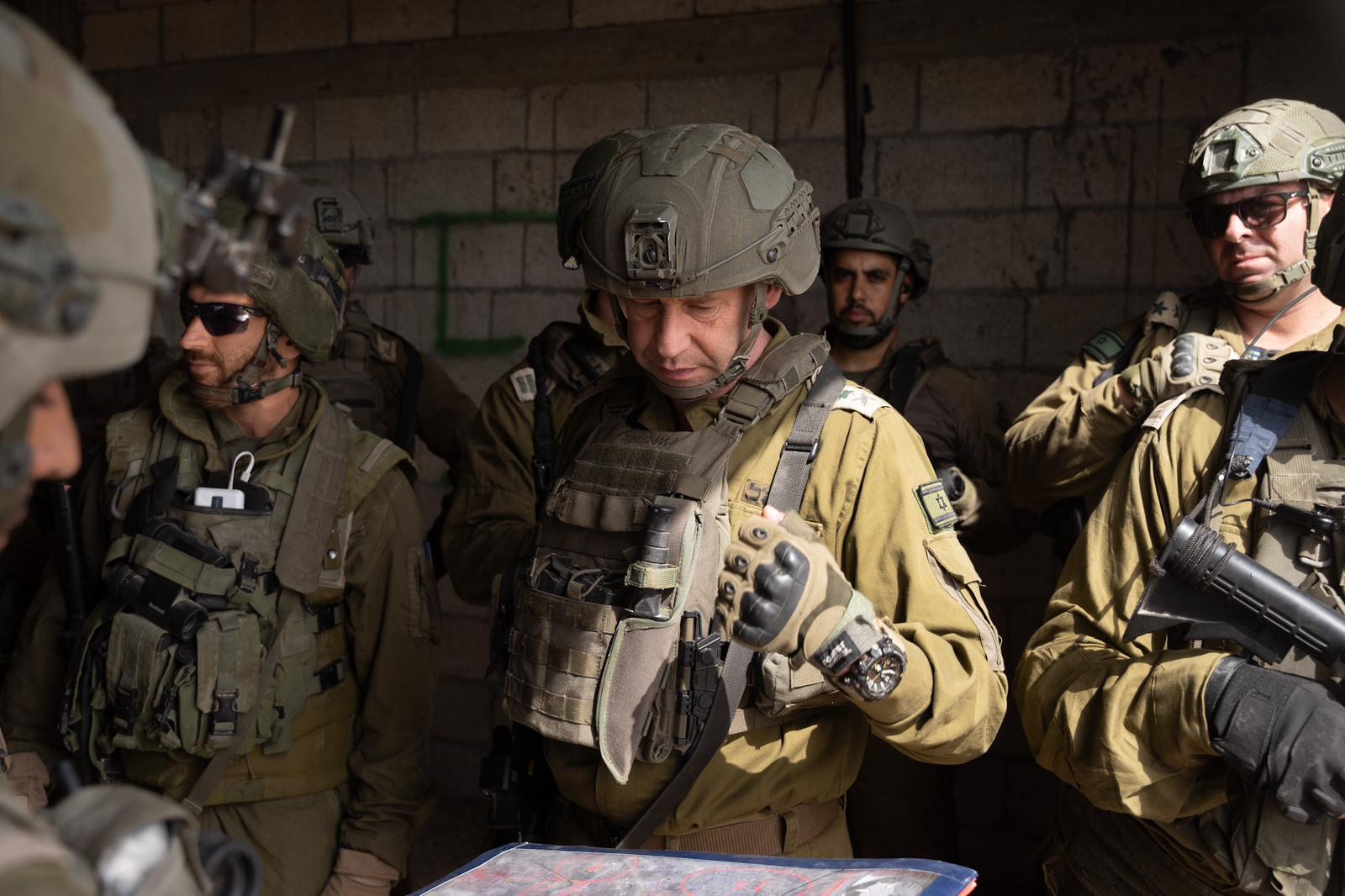
Channel 12 also airs recordings from remarks made by Head of Southern Command Maj. Gen. Yaron Finkelman at the same meeting with local councils heads.
Finkelman says that the night before the attack was “a sleepless night” for him, as he reviewed the odd intelligence signals coming from Gaza, which the IDF famously decided were concerning but not exceedingly urgent, thus missing its chance to prevent the Hamas-led onslaught.
“I stayed up all night conducting ongoing situational assessments,” Finkelman tells local leaders in the recording. Finkelman insists he was not blasé about the troubling signs. “I challenged and questioned intelligence officials, four different independent officials. The picture they presented to me consisted of two key elements: first, that this was not something imminent in the immediate timeframe. Second, that Hamas’s offensive force, the Nukhba, was operating as usual — it was not in any emergency state.
“These were the intelligence realities I received. By the way, regardless of that, the commander is responsible for everything, including intelligence,” he adds, apparently referring to his ultimate responsibility.
“We took several actions, which in hindsight were of course insufficient. We redeployed commanders to the sector, though not all of them, and that is how it caught us at 6:29,” he says.
Finkelman stresses that the conversations were ongoing throughout the night. “This wasn’t just one or two discussions, it was an entire sequence. We treated it with utmost seriousness. Of course, with incorrect conclusions, but with utmost seriousness.”
Finkelman also defends the conduct of the troops who responded to the attack as it unfolded. Though communities were left defenseless as marauding terrorists spread throughout the region, murdering and committing atrocities, the insufficient forces who were there fought bravely, he said.
“Everyone sought to engage [the enemy],” he says. “We had exceptional cases where they didn’t, and we also investigated and examined those, and we can point them out. I think this was a terrible day in terms of its outcomes. But… the people of Israel and the security forces sought engagement. They ran into gunfire to save civilians.”
He adds that he “made a mistake in something related to you, the civilians. I think the way we handled your evacuation from the communities — both in terms of speed, method, and even attitude — was not good enough, and I see this as my personal mistake.”





The Times of Israel Community.