

 From the Liveblog of
Wednesday, June 12, 2024
From the Liveblog of
Wednesday, June 12, 2024
WHO says many in Gaza facing ‘catastrophic hunger and famine-like conditions’
 Add ToI as a Preferred Source on Google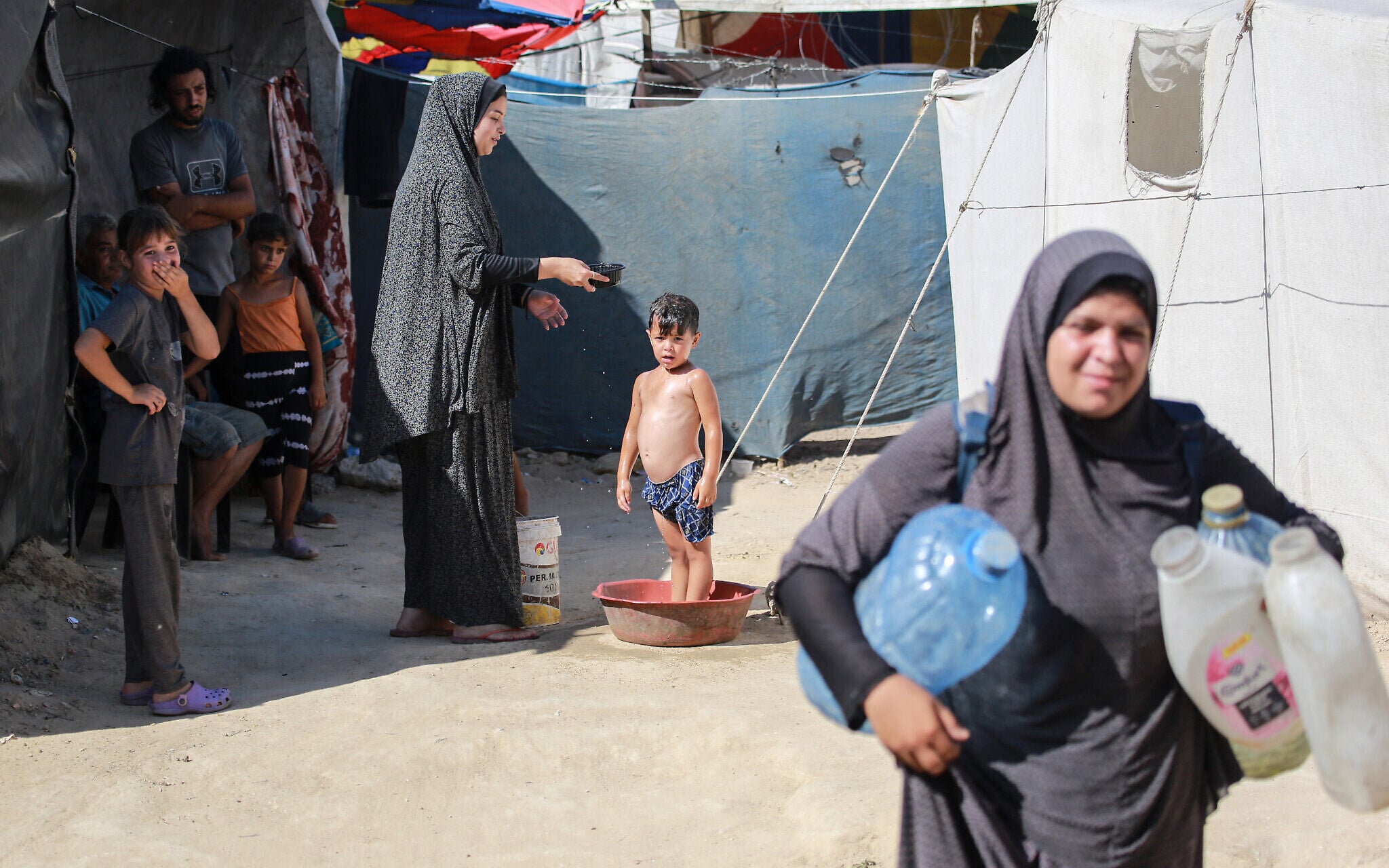
GENEVA, Switzerland — The head of the World Health Organization (WHO) says that many people in Gaza were facing “catastrophic hunger and famine-like conditions.”
“A significant proportion of Gaza’s population is now facing catastrophic hunger and famine-like conditions,” WHO Director-General Tedros Adhanom Ghebreyesus says.
“Despite reports of increased delivery of food, there is currently no evidence that those who need it most are receiving sufficient quantity and quality of food.”
Tedros says there were more than 8,000 children under five years old who have been diagnosed and treated for acute malnutrition, including 1,600 children with severe acute malnutrition.
“However, due to insecurity and lack of access, only two stabilization centers for severely malnourished patients can operate,” he adds.
“Our inability to provide health services safely, combined with the lack of clean water and sanitation, significantly increases the risk of malnourished children.”
Coordinator of Government Activities in the Territories (COGAT), a Defense Ministry agency, has long insisted that the humanitarian aid entering the Gaza Strip is sufficient and that the UN and aid agencies have failed to increase distribution capacity.
Last month, the World Central Kitchen aid organization said it has ongoing communications with COGAT and that it has succeeded in supplying its numerous kitchens in Gaza with aid brought in through the crossings which it has managed to deliver to its operation centers.
Tedros also highlights a separate health crisis in the West Bank, where he said healthcare had been targeted by nearly 500 attacks since October 7.
“While the world’s focus has been on Gaza, there is also an escalating health crisis in the West Bank, where attacks on healthcare and restrictions on movement of people are obstructing access to health services,” he says.
“In most areas of the West Bank, clinics are only operating two days a week and hospitals are operating at about 70% capacity.”








The Times of Israel Community.