

For the ‘lost children’ of the Holocaust, a lifelong quest to be found
New York’s Museum of Jewish Heritage displays post-WWII photographs used by refugee center Kloster Indersdorf to reunite kids separated from their families
 Add ToI as a Preferred Source on Google
Reporter at The Times of Israel
NEW YORK — Josef Lichtenstajn was one of the earliest of the children and teenagers to arrive at Kloster Indersdorf, a former convent near Dachau that then served as a UN-sponsored refugee center in the American zone.
Born in Romania in 1929, Lichtenstajn had been in Auschwitz, Birkenau and finally Buchenwald. When the US forces closed in he was sent to Flossenbürg.
“For days and days we marched, without food, without anything… I don’t know how I stayed alive,” he recounted.
A few days later, Lichtenstajn was on another death march before his ultimate liberation. By the time he reached the refugee center, Lichtenstajn was a shadow of the boy he’d once been, but within a few weeks he started to regain his health.
Lichtenstajn was just one of hundreds of Jewish and non-Jewish children and teenagers who had survived concentration camps, forced labor, life in hiding, and the devastating loss of family members before finally arriving at Kloster Indersdorf.
‘You could almost imagine they are school photos’
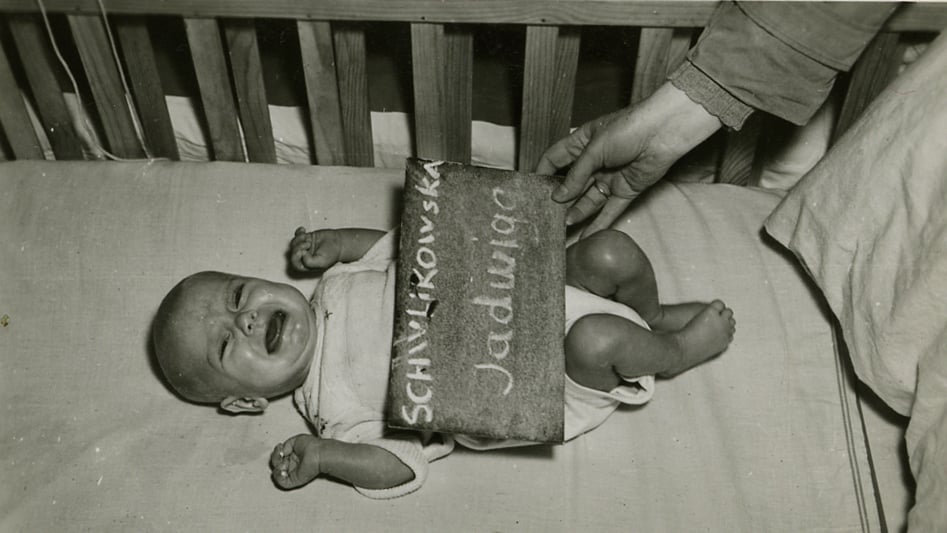
“The Lost Children of Kloster Indersdorf,” is a new exhibition at the Museum of Jewish Heritage, showcasing the photographs and stories used by the refugee center after the war in an attempt to reunite the children who had been separated from their parents between 1939 and 1945.
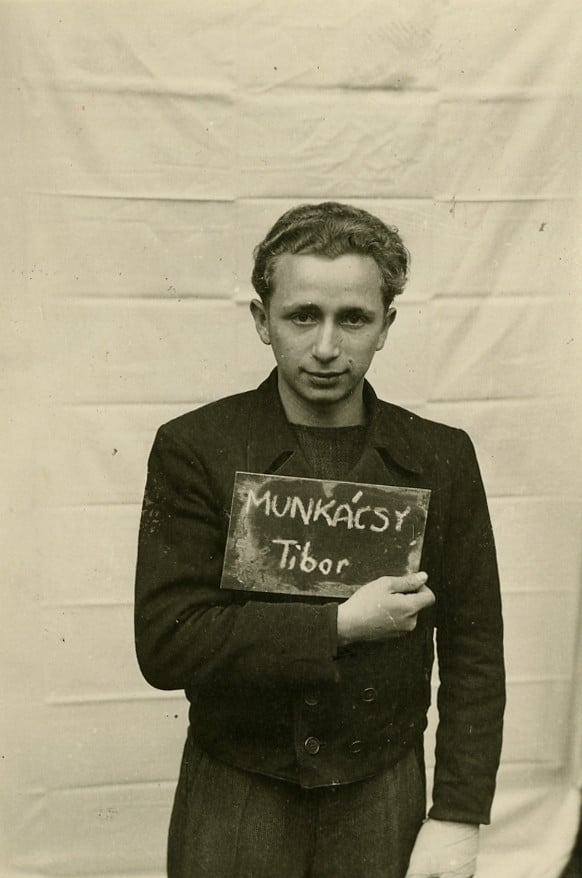
“When you look at the photographs you have no idea what these children have been through a few weeks prior. It’s amazing to see the resilience in their faces. You could almost imagine they are school photos,” said Melissa Martens Yaverbaum, the exhibit’s curator.
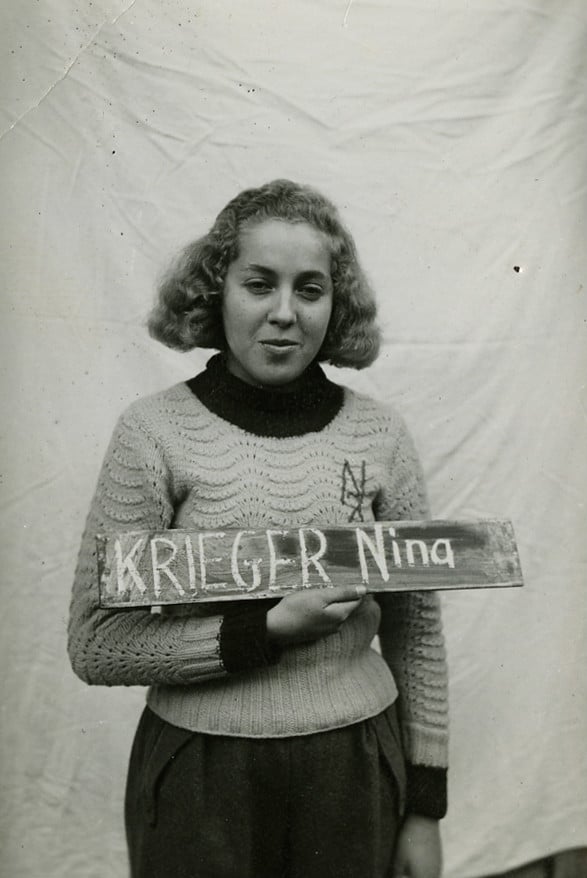
“Then you realize the traumas of the war, and see their ability to survive and regain their health. You see they are caught between war and home. They are never going to be able to go back to the past. They are going toward their future.”
Inside the former convent, 11 international volunteers with the UN Relief and Rehabilitation Administration, UNRRA tried to help non-German children found in the American zone of Germany. With so many children in need, the team soon enlisted the help of adult displaced persons as well as nuns who once worked at the convent.
Apart from providing shelter, nourishment, clothing, and medical care, Kloster Indersdorf also offered education, recreation, and a place for its young charges to begin healing emotionally.
But the staff’s chief mission was to reconnect the children with relatives. It proved a Herculean task.
Almost all the children had changed so much physically they were unrecognizable. And some, like Sinaida Grussman, were too young to be able to tell the volunteers who they were, or where they came from.
‘You see they are caught between war and home’
Arriving at Kloster Indersdorf in August 1945, the little girl spoke a bit of Romanian, a smattering of Lithuanian. No one knew her age, religion or nationality. In time she bonded with a member of the staff from Latvia and confided that she too spoke Latvian. Eventually Grussman told the teacher her sister was dead and that her father had joined the army. Unable to find any living relatives, Grussman was sent to England in 1945.
“This exhibition tells an incredibly moving and important story about the effects of the Holocaust and World War II on children. The photographs and biographies reveal how vulnerable and resilient children are and their powerful yearnings to find family,” said museum president and CEO Michael Glickman.
The photographs were the work of Charles Haacker, an American photographer. The center brought him to photograph each child starting in the middle of October 1945.
One by one the children posed for their photographs in front of a bed sheet. They held a nameplate, upon which Salek Benedikt, a teen resident at Indersdorf, had carefully written their name. Some of the photographs served as passport pictures as the children departed for new homes.
Parents came to the relief center to look for their children, but some Jewish teens, equipped with backpacks, food and paperwork left the former convent, embarking on their own searches. While some reunions took place, many returned without ever finding a living family member.
“Even when the war is over the path to recovery can be long,” said Yaverbaum. “These children capture the knowledge they survived and the hope that there is life after war.”






The Times of Israel Community.