

MKs push to end hospital stays for terror detainees, suggest they be given worse care
Officials paint issue as marginal, with only one security prisoner out of over 9,000 currently hospitalized; doctor warns expanding prison medical facilities may harm treatment elsewhere
 Add ToI as a Preferred Source on Google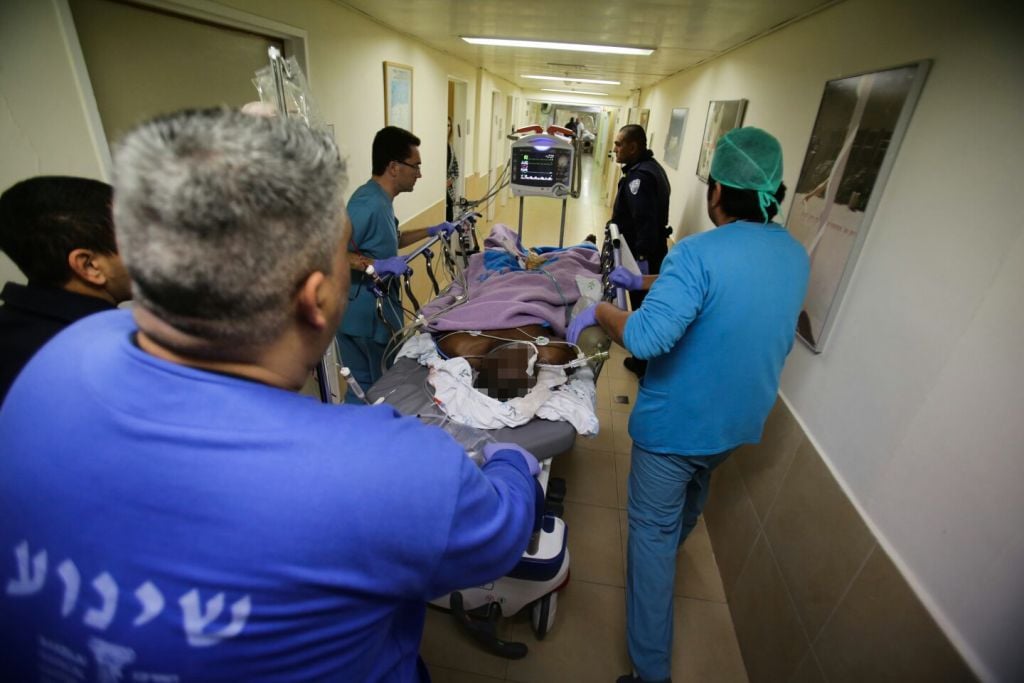
Lawmakers are pushing to end the practice of allowing Palestinian security detainees to receive treatment in Israeli hospitals, proposing instead to keep them in prison-run medical facilities to prevent them from mixing with civilian patients.
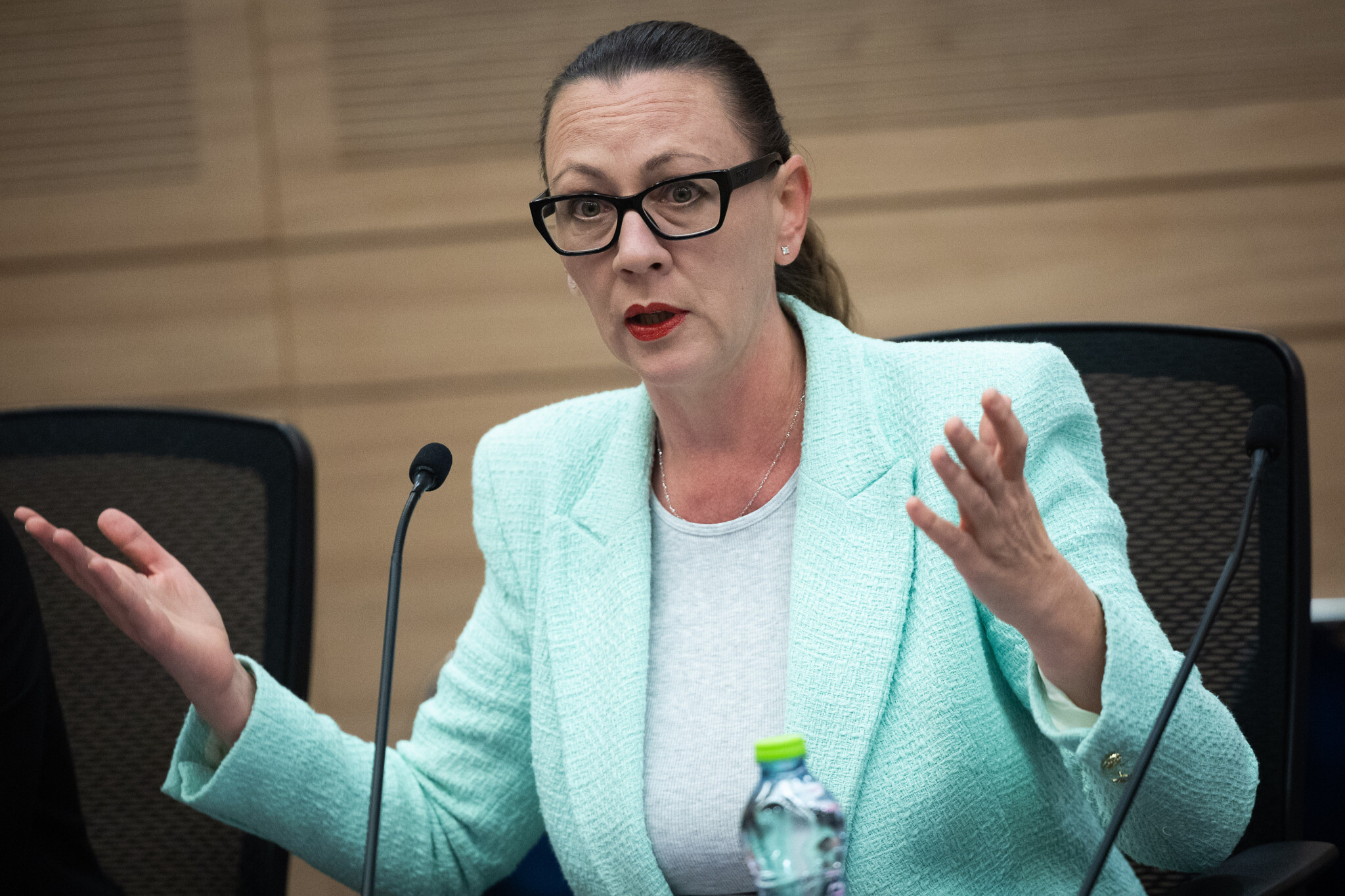
Speaking to the Knesset National Security Committee on Monday, Yisrael Beytenu MK Yulia Malinovsky, who initiated the discussion, said the presence of detainees accused or convicted of terror offenses in public hospitals poses a danger to patients and an unexpected challenge for doctors and nurses.
“What has been cannot go on,” she declared in the meeting, citing stories of hospitals admitting security prisoners for treatment without being aware of their status.
“We want imprisoned terrorists in need of medical treatment to receive it within the prison walls, so they won’t be brought into a civilian environment,” said committee chairman MK Zvika Fogel, a lawmaker for Otzma Yehudit.
The issue briefly caught public attention last year after the bereaved father of a terror attack victim was filmed shouting at staff in Hadassah Hospital on Mount Scopus and demanding they kick out an unnamed security detainee.
The prisoner was subsequently transferred to the Sde Teiman detention facility, where Gazans suspected of terror activity or captured during the war are being held.
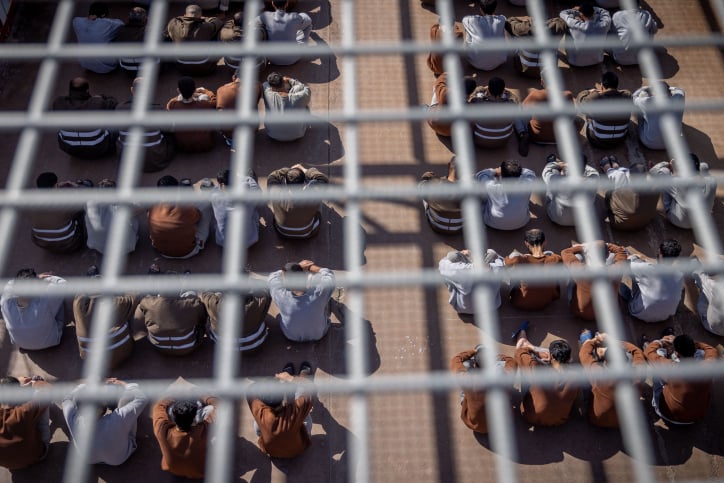
There have also been bouts of public anger over alleged perpetrators being transported to hospitals in the immediate aftermath of a terror attack, sometimes receiving treatment in the same facility as their victims.
However, the issue is complicated by the difficulty, at times, of distinguishing between assailants and victims in the chaos of an attack scene.
Politicians haven’t formulated a bill to address the matter, blaming the delay on a lack of data from the Israel Prison Service and Health Ministry about how many security prisoners are brought to hospitals each year.
The notion of keeping terror detainees out of hospitals was backed enthusiastically by lawmakers in the room, all of whom were on the right of the political spectrum. However, prison officials painted the picture of a relatively marginal phenomenon, saying they are brought to civilian hospitals only when there is no other choice.
There are currently 9,272 security detainees in the Israeli prison system, but only one of them was hospitalized as of Monday, Prison Service official Eylon Raz told the committee.
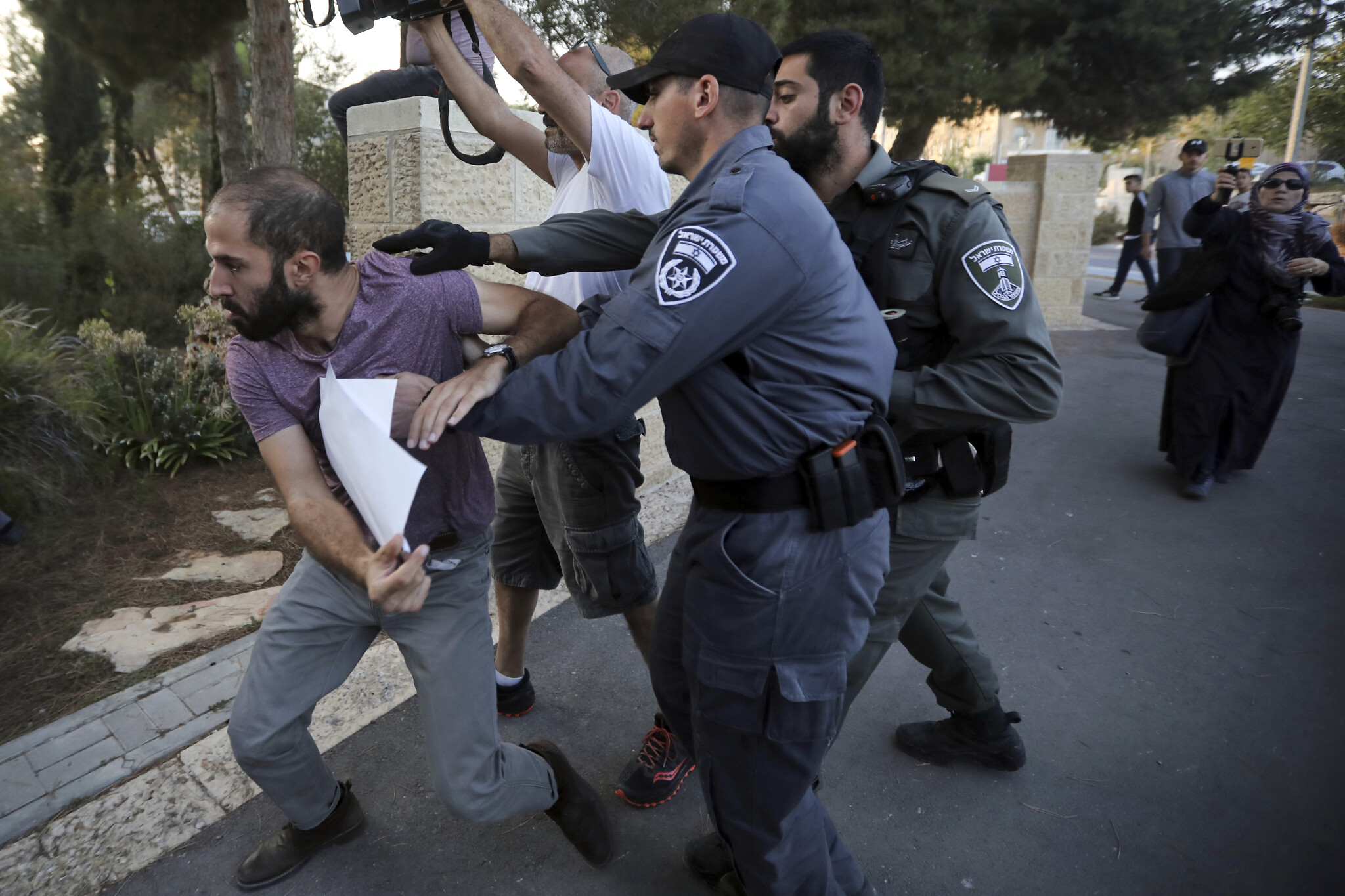
Raz added that security prisoners who are transferred for external treatment are always restrained with handcuffs and watched by at least three prison guards while in the emergency room.
“I haven’t heard of any instance of attacks on civilians or staff within a hospital, because the Prison Service does its job in an over-the-top manner, in my eyes,” said Yosef Walfisch, who chairs the Israeli Medical Association’s ethics board. “Every time they bring [a security prisoner] to the hospital, he is being watched by three guards, cuffed at the hands and feet.”
Shai Glickman, speaking on behalf of the right-wing activist group Btsalmo, said allowing terrorists to receive treatment in civilian hospitals could cause major distress to other patients in their vicinity, citing instances following terror attacks when assailants and victims were placed in the same ward.
“This is, in my eyes, causing harm to a patient,” he said.
Politicians and prison officials agreed on the urgency of expanding medical services within prisons; however, Malinovsky insisted throughout the meeting that treatment at prison facilities need not match the level of care Israelis receive at public hospitals.
“Sadly, [the state] needs to provide treatment to those detained in prisons because [it is] obligated to,” she said. “The question is, what kind of treatment?”
She urged that terror detainees receive the minimum care necessary to keep them alive, but not to ensure they necessarily “live well,” and suggested that doctors should amputate limbs, for instance, rather than putting in the extra time and effort to save their lives and keep their extremities intact.
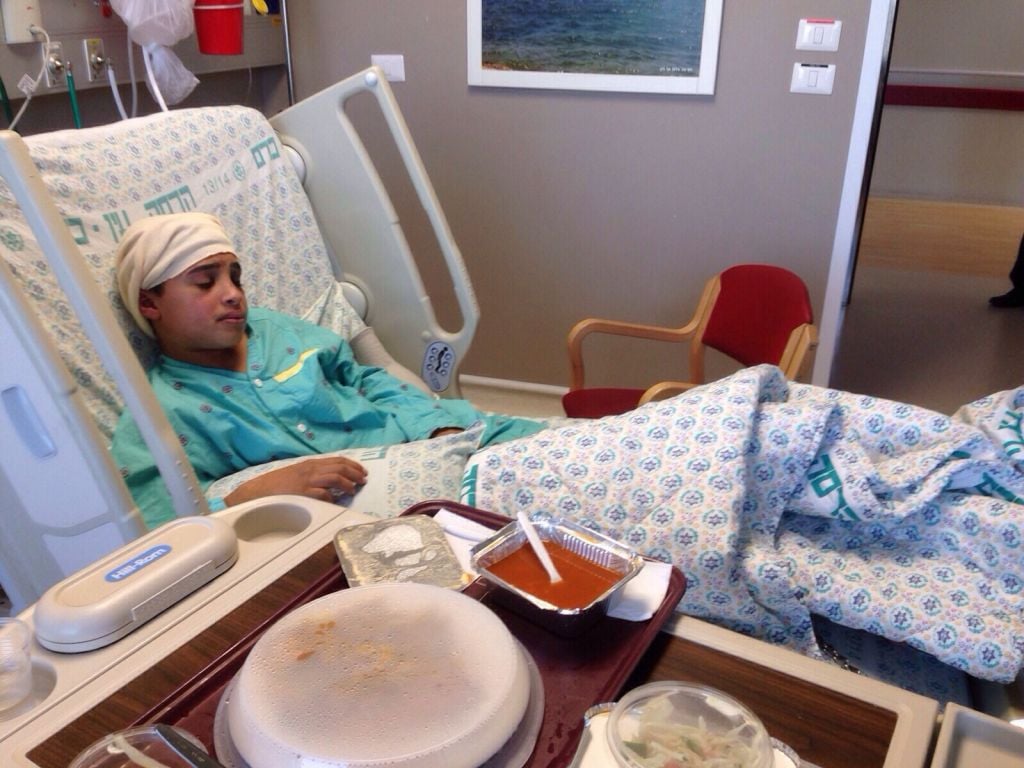
Following such a policy would contravene international law and standards of medical ethics, which obligate physicians to provide the same level of care regardless of a patient’s past deeds, said Walfisch, expressing deep misgivings over Malinovsky’s suggestions.
He was skeptical as well about investing in expanding treatment within prison-run medical facilities, warning it could worsen the shortage of doctors in the country.
“There is a major effort being made to increase the number of doctors right now,” noting that Israel is below the OECD’s average ratio of doctors per person. “What I’m hearing in this committee, and it’s fairly surprising, is that you want these doctors that we train to go and treat prisoners rather than [treat] my father, or yours,” he said.









The Times of Israel Community.