

Netanyahu’s appointment of David Zini as Shin Bet chief is fraught with obstacles
The IDF general was selected despite conflict of interest concerns, the AG’s explicit instructions to PM not to make appointment, and a problematic job interview

 Add ToI as a Preferred Source on Google
Jeremy Sharon is The Times of Israel’s legal affairs and settlements reporter

Just a day after Attorney General Gali Baharav-Miara told Prime Minister Benjamin Netanyahu he had a conflict of interest in appointing a new Shin Bet chief, Netanyahu went ahead and announced that he had selected Maj. Gen. David Zini as his pick to fill the position.
Senior cabinet ministers congratulated Netanyahu on defying both the attorney general’s directives and the High Court of Justice, on whose ruling she based her instructions. The move prompted immediate rebukes from the attorney general herself, government watchdog groups, and opposition parties.
Outgoing Shin Bet head Ronen Bar is scheduled to step down on June 15, meaning Netanyahu essentially has only three weeks to have Zini’s appointment confirmed by the government.
The High Court ruling, the attorney general’s instructions, and several other major legal obstacles mean, however, that it will be extremely difficult to get Zini’s appointment over the line by that time, if at all.
Appointing the head of the Shin Bet
According to the 2002 Shin Bet Law, the head of the security agency is appointed by cabinet vote, on the recommendation of the prime minister.
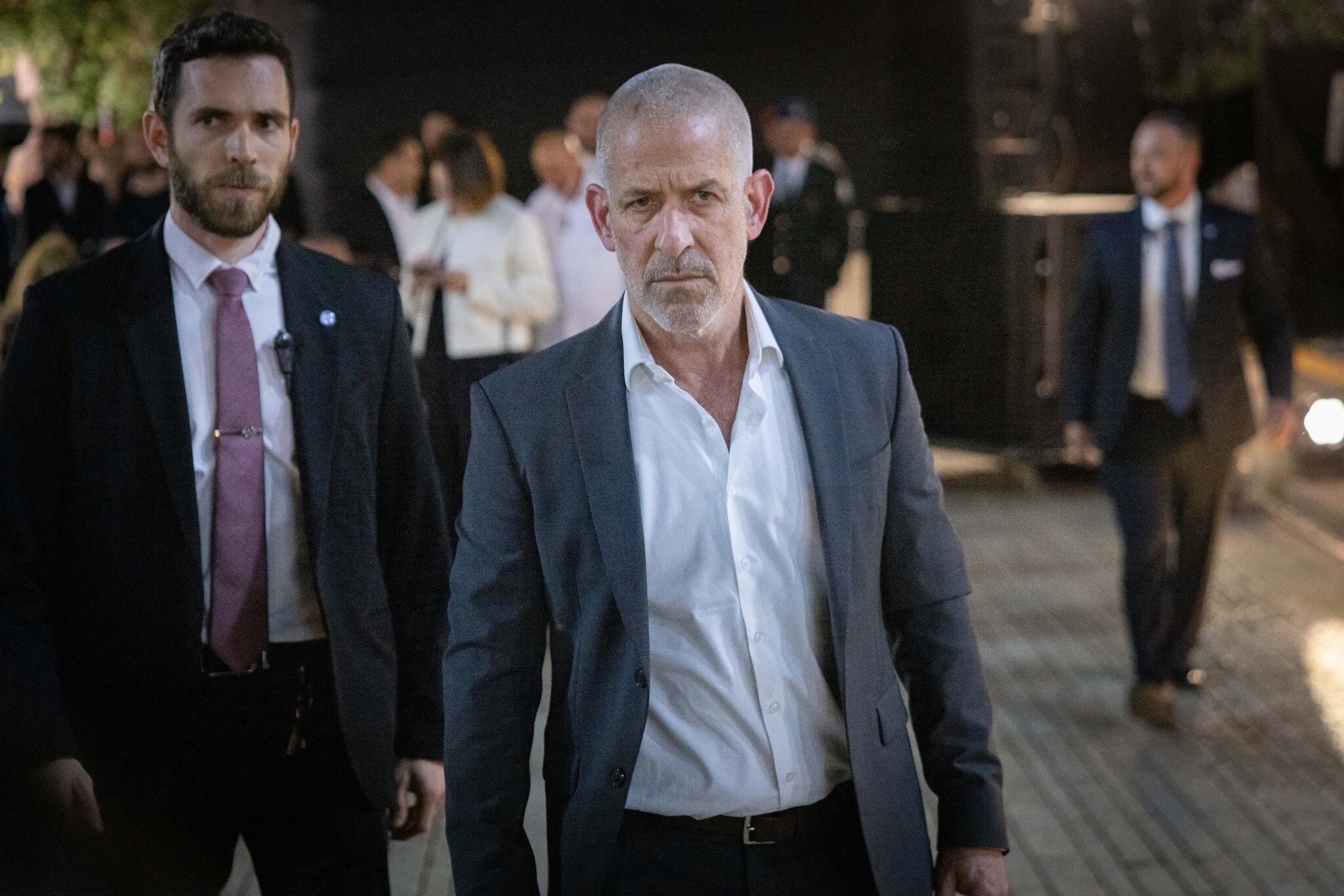
But the appointment must first be approved by the Senior Appointments Advisory Committee, currently headed by retired Supreme Court president Asher Grunis.
Conflict of interest ruling
Last week, the High Court found that Netanyahu had a conflict of interest in firing Bar back in March, since the Shin Bet is involved in criminal investigations into the prime minister’s close aides in the leaked documents case and the so-called Qatargate affair.
Following that ruling, Baharav-Miara immediately informed Netanyahu he was barred from appointing a new Shin Bet chief while she worked out the implications, but Netanyahu announced he was choosing Zini to fill the position anyway.
Several prominent good governance watchdog organizations have already threatened to file petitions to the High Court if Zini’s appointment is approved. The chances of the appointment surviving a High Court challenge in light of the court’s ruling and the attorney general’s explicit instructions appear thin, to put it mildly.
Ignoring the attorney general
Not only does Netanyahu’s selection of Zini appear to contravene the High Court ruling, it also clearly defies the attorney general’s explicit instructions.
Had Netanyahu waited for Baharav-Miara to issue her instructions for how to go about appointing a new Shin Bet chief in the wake of the court ruling, it might have been possible to get Zini appointed.
But now that Netanyahu has publicly nominated Zini in contradiction of the attorney general’s directives, it is hard to see how that decision can be remedied to enable the appointment, since Baharav-Miara told the prime minister explicitly he cannot be involved in the decision, according to Prof. Amichai Cohen, a senior fellow at the Israel Democracy Institute and an expert in national security law in Israel.
Of course, the conflict of interest only exists as long as the leaked documents and Qatargate investigations are ongoing, but it seems unlikely they will both be concluded by the June 15 deadline.
The day after his announcement, Netanyahu’s office said that Zini would not be involved in the investigations against the prime minister’s aides, in an apparent effort to ward off the conflict of interest allegations.
But it is far from certain that this concession to the court and the attorney general will help.
“The major problem with Netanyahu firing Bar was that he cannot choose who is investigating those close to him,” said Cohen. “But by saying Zini won’t be involved in the investigation, he is still involving himself in who is investigating his advisers.”
Cohen also pointed out that Netanyahu as prime minister does not have the hierarchical authority within the Shin Bet to determine which of its officials carries out a particular investigation.
Delegating authority
The 2002 Shin Bet Law allows the prime minister to delegate a cabinet minister to fulfill his functions for appointing a new Shin Bet chief. If Netanyahu were to delegate the authority to choose a new Shin Bet chief, he could, in theory, avoid the conflict of interest problem.
But Cohen pointed out that, should the delegated minister pick Zini to head the security agency, it would be extremely difficult to claim in court that Netanyahu was not involved in the decision.
Proper process?
Further complicating the appointment are reports that Netanyahu’s decision to choose Zini to head the Shin Bet was made after one, impromptu meeting.
During a recent visit to the Tzeelim military base on May 8, Netanyahu held a five-minute conversation with Zini in his car and asked the IDF general how he would feel about being appointed Shin Bet chief.
All administrative decisions, such as appointing a Shin Bet chief, must be based on proper procedure, and a five-minute car chat appears unlikely to meet that standard, Cohen said.
In response to the allegations, Netanyahu issued a video message on Friday in which he said that in addition to the meeting, he had followed Zini’s career for 18 years and met him on numerous occasions.
Senior Appointments Advisory Committee
Another obstacle is the fact that there are currently two members missing from the Senior Appointments Advisory Committee, which is tasked with vetting the appointment of the Shin Bet chief.
Legal scholar Prof. Talia Einhorn was one of the committee members, but the police are seeking to question her son Yisrael over his involvement in both the secret documents and Qatargate investigations, so she has said she will recuse herself from participating in the committee’s hearings on the next Shin Bet head.
Her position would be easy to fill, but more problematic is the fact that there is currently no Civil Service commissioner due to a separate fight between the High Court, the attorney general, and the government.
There is no chance a new commissioner can be appointed in time for the committee to review Zini’s appointment before June 15.
Cohen pointed out, however, that there are solutions to that problem.
In 2022, the advisory committee lacked a permanent chairman to confirm the appointment of Herzi Halevi as the new IDF chief of staff. But the High Court allowed the government to select a temporary chair in order to vet Halevi’s appointment, a process that was successfully completed.
Solutions?
Should the government go ahead and approve Zini’s appointment, petitions to the High Court against that decision are inevitable.
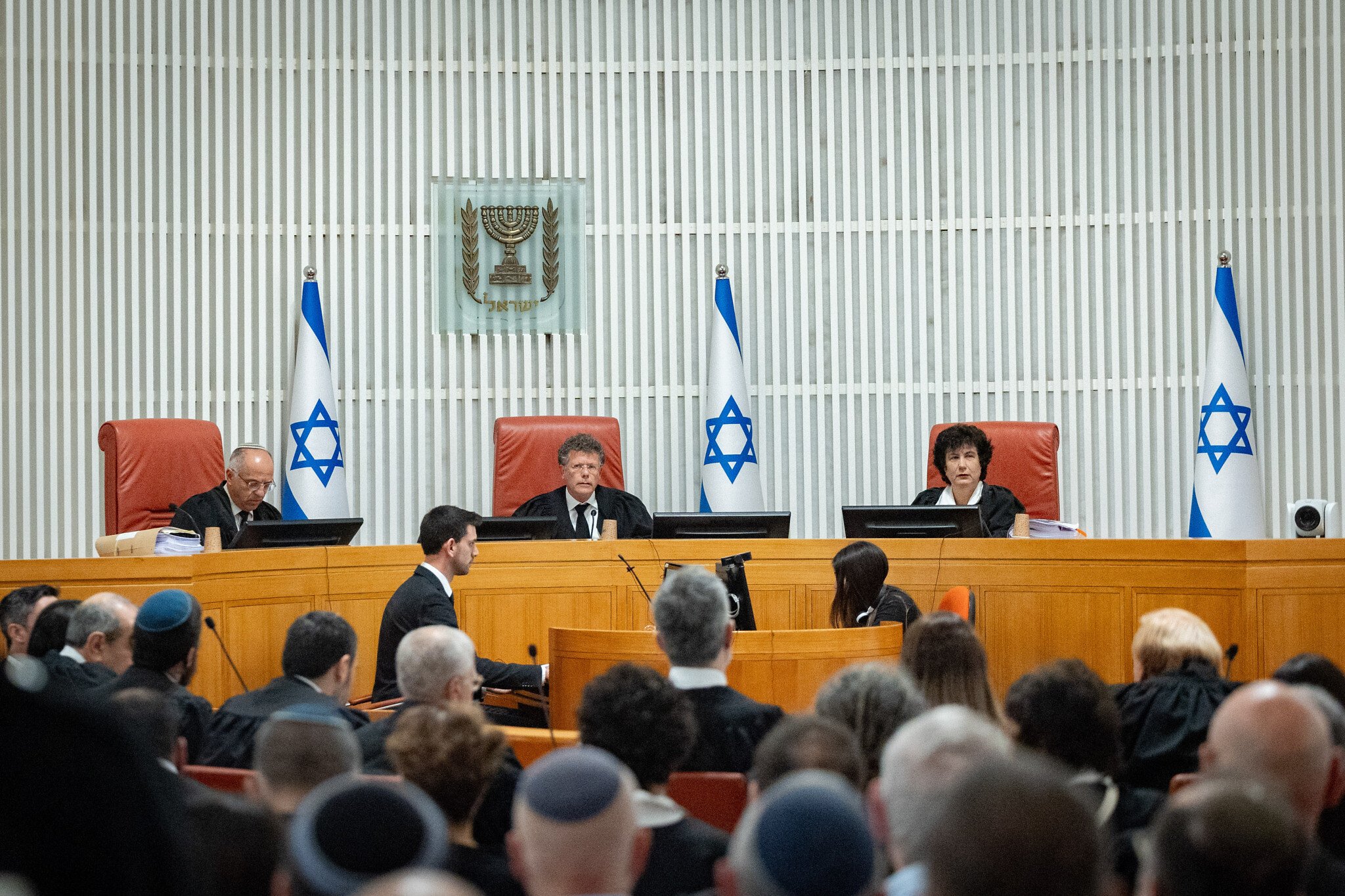
Although it is almost inconceivable that the court would not find Netanyahu to have a conflict of interest, the judges may try to find a creative solution, since filling the position of Shin Bet chief is an urgent matter of national security. They would also seek to avoid a full-blown constitutional crisis.
Such a solution could involve a court-approved conflict of interest arrangement for Zini regarding the investigations into Netanyahu’s aides, which could resolve the major sticking point for the High Court.
“Netanyahu has ticked every box to make the appointments process for a new Shin Bet chief more problematic,” said Cohen of the manner in which the prime minister has gone about filling the position.
“It is very unfortunate, because making the appointment properly did not require a massive effort, but the choice was made not to do so.”








The Times of Israel Community.