

No rockets but no relief: Nahariya residents see no end to war despite Lebanon ceasefire
After six weeks of relentless Hezbollah attacks, residents of northern Israeli city feel bewildered and betrayed by the government’s seemingly sudden decision to stop fighting

 Add ToI as a Preferred Source on Google
NAHARIYA — Less than an hour before a 10-day ceasefire between Israel and Hezbollah went into effect at midnight Thursday-Friday, Hezbollah fired a barrage of rockets into northern Israel.
In the city of Nahariya, fragments falling from an interception damaged a community center and moderately wounded one man in his 40s. In the city of Karmiel, 31 kilometers (18 miles) away, rockets fired by the Iran-backed Lebanese terror group resulted in serious wounds to a 17-year-old girl and a 25-year-old motorcyclist. In addition, 20 more people were lightly injured, including seven children.
Friday morning dawned sunny, windy and quiet, with the ceasefire holding – as of now.
Nahariya resident Shimmy Levy, who lives a few streets away from the community center, stood on the sidewalk with his two sons, aged 6 and 10, looking at the damage from the previous night’s strike.
“Luckily, the rockets were shot at night, and children weren’t in the kindergarten,” Levy told The Times of Israel, pointing to the kindergarten across the street from the community center, where his youngest son had attended for two years.
There was still the smell of burnt rubber in the air. City workers were cleaning up debris and shattered glass. Drivers slowed down in their cars, pointing at the wall surrounding the center, used for classes and activities, where gouged-out holes were visible.
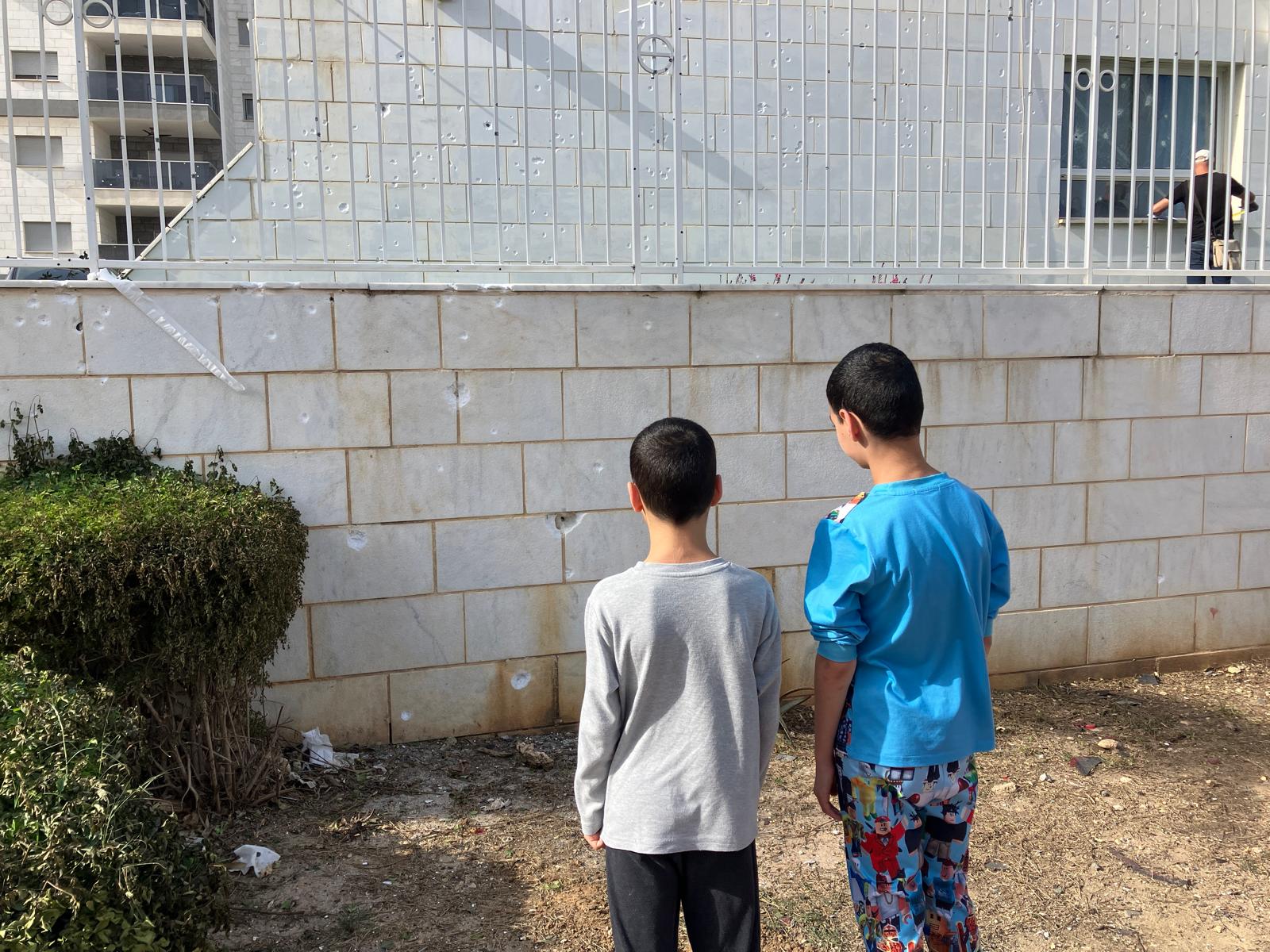
“I went to that kindergarten,” said six-year-old Amit Levy, staring through the fence at the playground, which received minor damage.
The ceasefire appeared to largely hold throughout the night, though Lebanon’s army accused Israel of violating it by intermittently shelling several southern Lebanese villages.
Since the war began on February 28, when Israel launched its campaign against Iran, alongside the US, to degrade the Iranian regime’s military capabilities, Hezbollah has relentlessly fired thousands of rockets at northern Israel.
Moshe Davidovich, chair of Mateh Asher Regional Council, which borders Nahariya in the Western Galilee, charged that the ceasefire agreement was “signed in Washington” but “paid in blood, in destroyed homes and in dismantled communities here.”
Nahariya Mayor Ronen Marelly did not reply to a request for comment.
“I hope Hezbollah acts nicely and well during this important period of time. It will be a GREAT moment for them if they do. No more killing. Must finally have PEACE!” Trump wrote in a Truth Social post not long after the truce began.
“We hope this is a true sustainable ceasefire and not temporary,” said Levy. “We don’t want to wait for the next round and the one after that.”
More than relief, without sharing Trump’s jubilation, northern residents expressed their frustration, fears and sense of bewildered uncertainty at the sudden ceasefire.
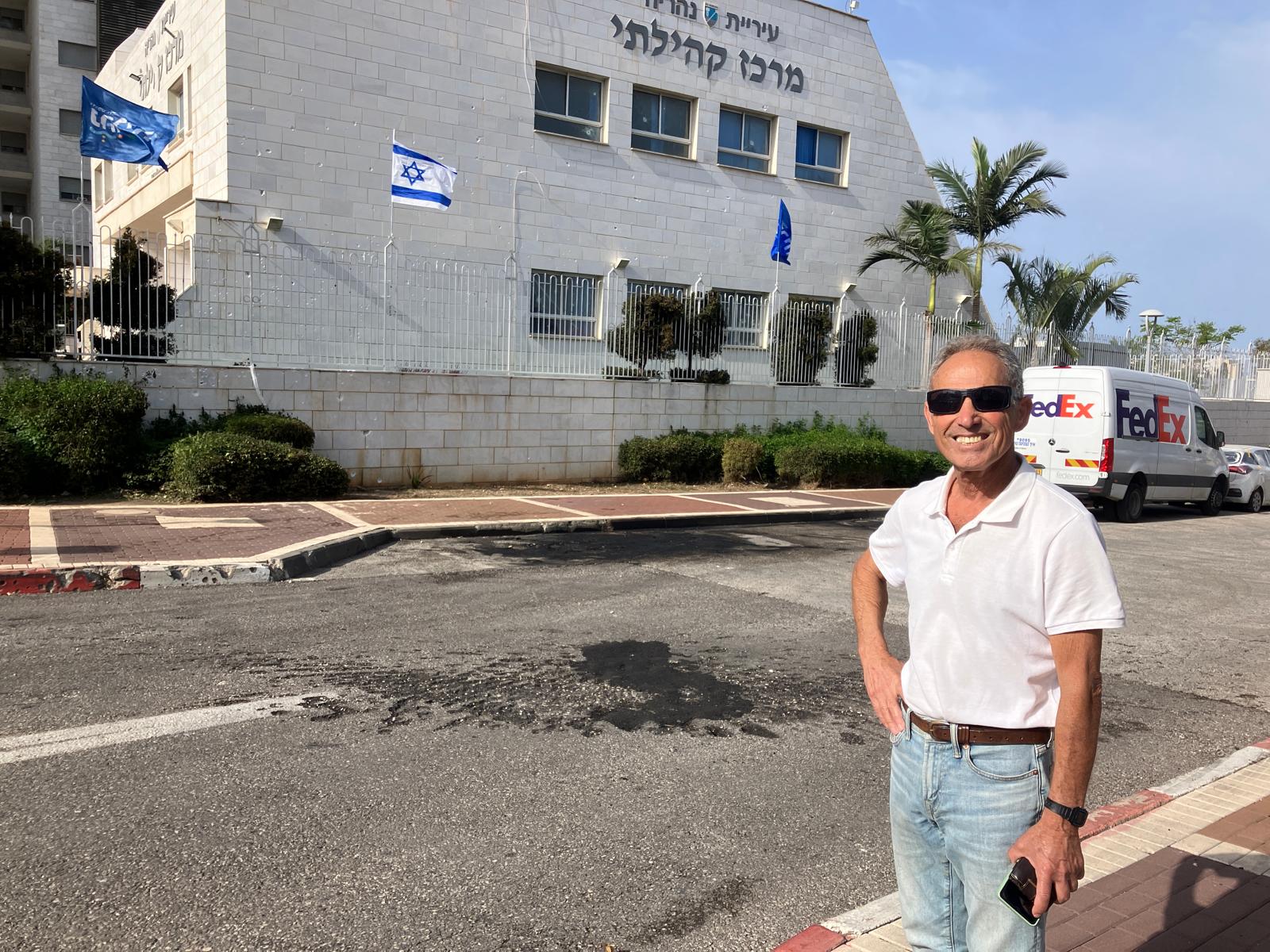
Yechiam Konsker stood on the sidewalk with a bemused smile on his face.
“This is the sixth time I’ve seen places that were bombed in Nahariya,” he said, shaking his head at the damage. He believes that the government’s move to agree to the ceasefire was “wrong.” Then he paused and added: “What’s that word in English? It’s indubitably wrong.”
In downtown Nahariya, less than a mile away, people were out in greater numbers than they had been during the war, when many Hezbollah-fired rockets had rained down upon the city.
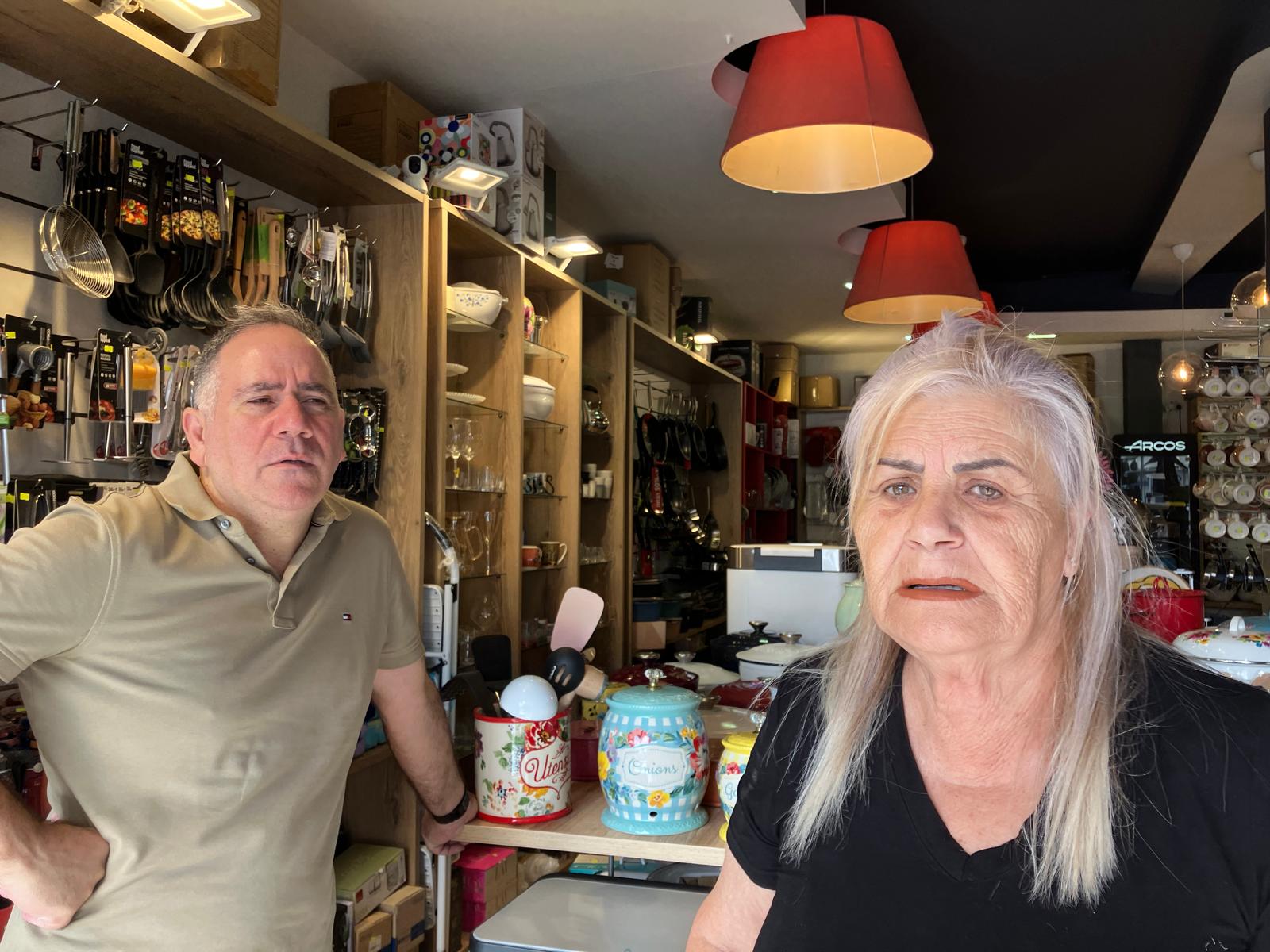
Sima Haziza was shopping at Home and Kitchen to buy placemats, and then going to buy bread from the bakery next door for her Friday night dinner.
When she heard the rocket barrage the previous night, she said she thought, “That’s it, this is the end of our building.”
“I had a panic attack and started to scream,” Haziza said.
When asked about the ceasefire, she said it won’t last.
“Soon we’ll go back to suffering,” she said. “Soldiers are still fighting, and their mothers will go back to not sleeping at night.”
Haziza said pointedly that “America shouldn’t decide for Israel.”
But shop owner Eli Guetta observed: “Israel didn’t have a choice once America asked for a ceasefire.”
A shopper, Itzik Kobi, who was picking out a Kiddush cup, reluctantly joined in the conversation.
“What ceasefire?” he said, raising his eyebrow, before leaving the store.
Guetta related that Itzik’s son, Idan Kobi, had been a medic in the Paratroopers who was killed fighting in southern Lebanon during the Israel-Hezbollah war of 2006.
There was a moment of heavy silence.
“We’re not naïve,” said Guetta, whose parents immigrated to Israel from Libya. “This isn’t the end of this war or the end of the wars. As long as we’re here, there will be war.”
He then picked up his phone to show The Times of Israel a photo of his daughter, a teacher in Herzliya, wearing a costume in school for a Purim party being held that morning.
“It’s Purim on delay,” Guetta said with an irrepressible laugh, referring to a Jewish festival that was marked a month and a half ago.
Around the corner, Yossi Attias stopped at Social Justice, a café once owned by his son’s friend, Uri Peretz, who was killed during a Hezbollah rocket attack on Nahariya on March 26.
The cafe is now closed, but people stop by the spot to bring flowers and look at the photo of Peretz, a father of four.
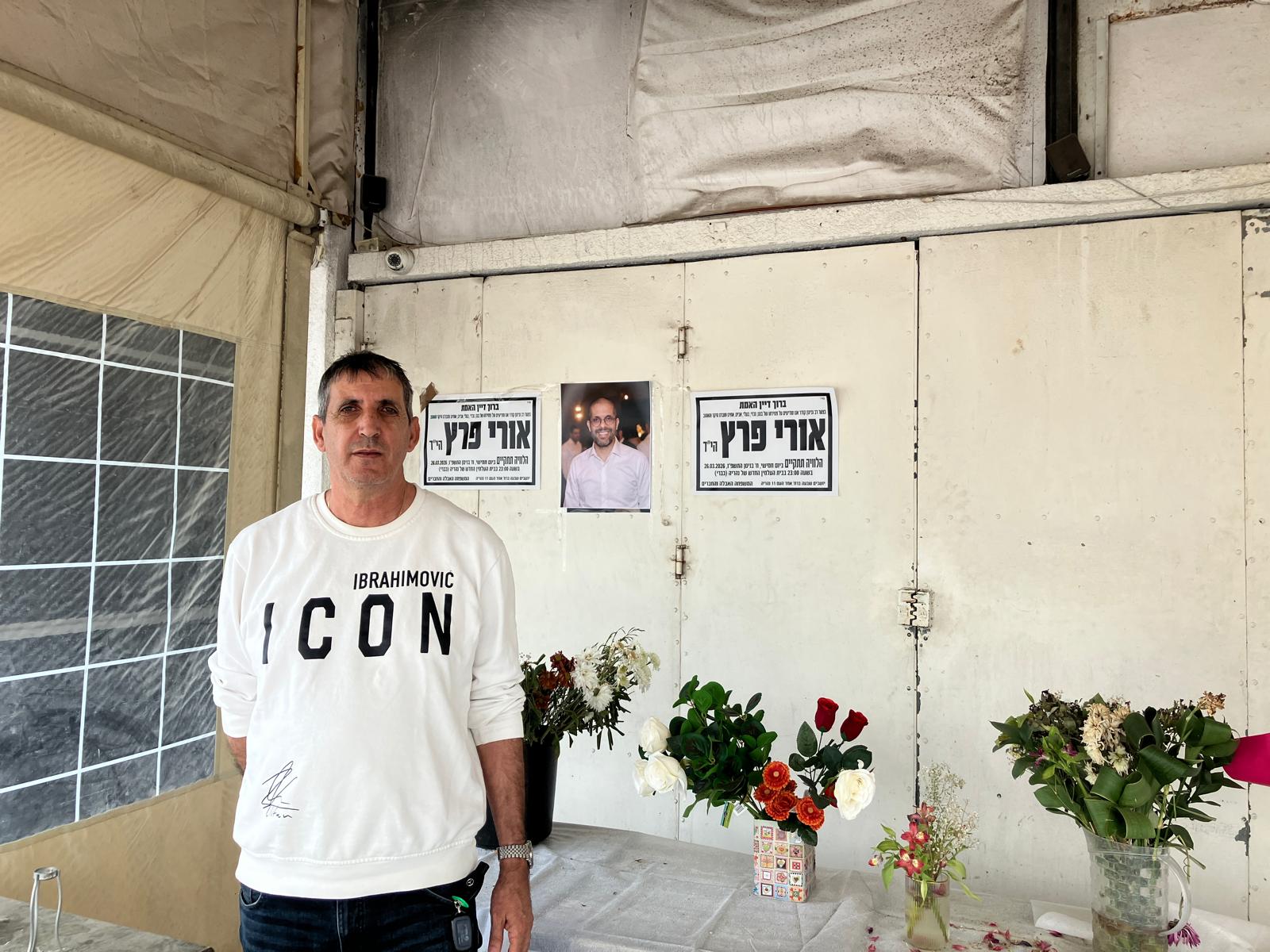
“The government capitulated to Iran and the United States,” Attias said glumly. “The Iranians say, ‘Yes, yes,’ but they do what they want.”
Yet a few paces away, Gil Kohen, Gal Arnon and Eliya Leizer, who are doing a Shnat Sherut (year of civic service) program, had set up a table on the sidewalk where they were handing out free Israeli flags to passersby in honor of next week’s Independence Day.
“I’m very optimistic,” said Kohen, 18, as he placed a sticker that said, “We’ll get through this together,” on a flag package.
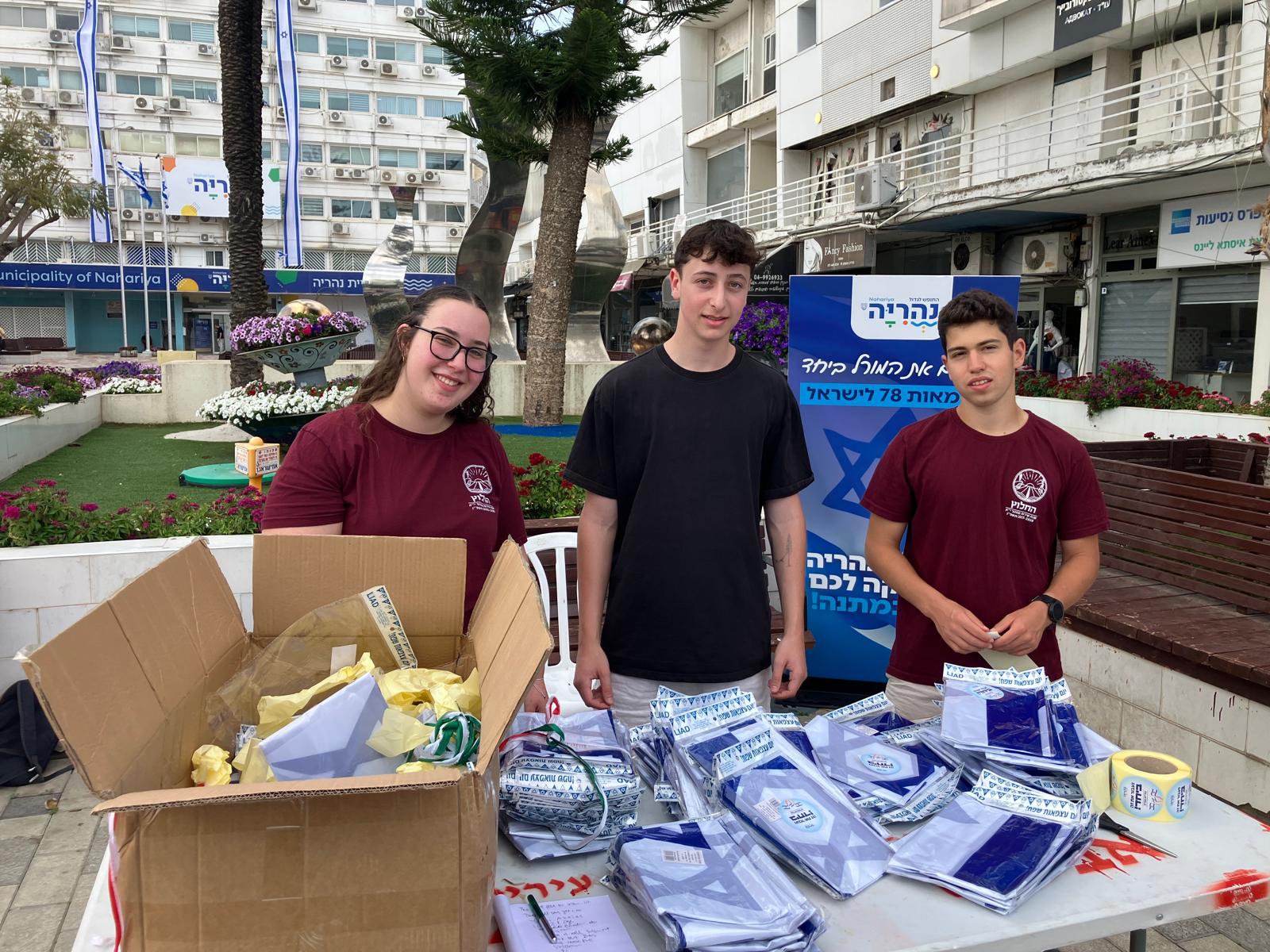
The three said they have been doing a year of voluntary service, working with children and youth in community centers and schools in Nahariya. Both Kohen and Arnon said they hoped to join combat units in the IDF in the fall.
Just then, the owner of a nearby restaurant came over to bring them free drinks and invited them to have lunch “on the house.”
The sidewalk seemed to be filling with people. Suddenly, there was a festive air in a city that had been under rocket fire since the end of February.
“At last we can say, ‘happy holiday,’” said Leizer, passing out a flag. “I hope it will last.”




The Times of Israel Community.