

On first Israel visit, Joyce Carol Oates laments family’s denial of Jewish roots
In Jerusalem, prolific writer says her Jewish grandmother fled persecution in Germany to upstate New York in the late 19th century and kept secret of her ancestry until her death
 Add ToI as a Preferred Source on Google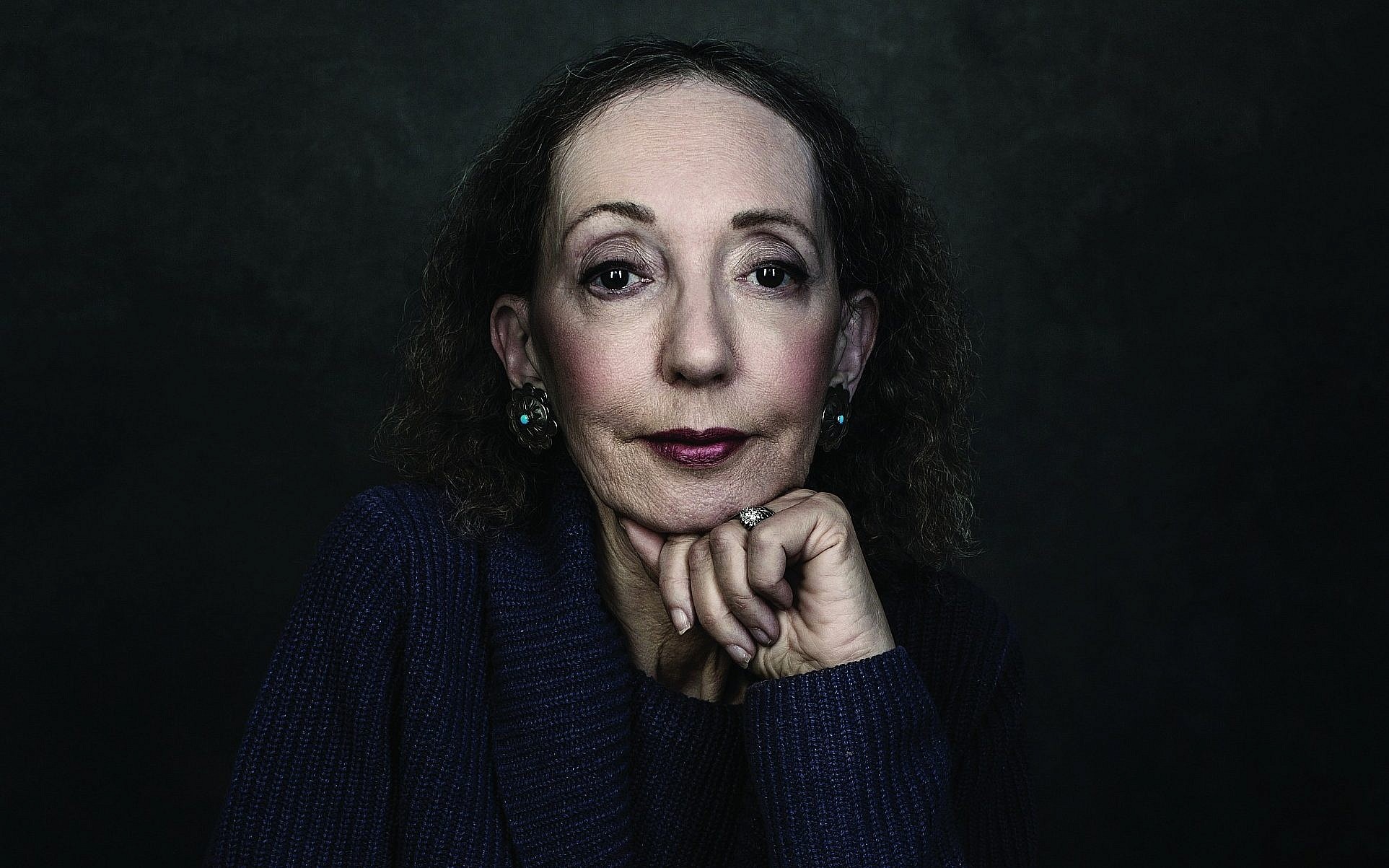
AP — American author Joyce Carol Oates says her family’s denial of its Jewish roots haunted her for decades and has shaped her into the famously prolific writer she is today.
Oates, who is making her first-ever trip to Israel to receive the prestigious Jerusalem Prize, said that her Jewish grandmother fled persecution in her native Germany to rural upstate New York in the late 19th century. But she repressed her trauma and Jewish heritage for the rest of her life.
Oates, who was raised nominally Catholic yet disconnected from religion, said she learned of her grandmother’s secret only after her death in 1970, when a biographer began digging into her ancestry.
“I felt an immense loss and sympathy because I never really knew that my grandmother was Jewish, so my whole cultural inheritance was lost,” Oates told The Associated Press in an interview at the Jerusalem International Book Fair on Sunday. “But it’s the Jewish respect for culture and art that I inherited from my grandmother … so that’s actually beautiful.”
Oates said her grandmother played an instrumental role in her career choice, giving her a copy of “Alice and Wonderland,” a library card and a typewriter when she was a teenager, inspiring her to pursue writing.
“No one else in my Hungarian and Irish family had any interest in books,” she said. “There’s a tragedy at the loss of my grandmother’s history but then a joy in this connection.”
At 80, Oates is still writing novels, expanding a vast and varied oeuvre that has brought her wide acclaim.
Her political thriller “Hazards of Time Travel,” published last winter, represented her first real foray into dystopia, imagining America’s grim future as a totalitarian surveillance state. Reviewers called it reflective of the Trump presidency, but Oates said it was more about how the “future looks like global control through enormously wealthy corporations.”
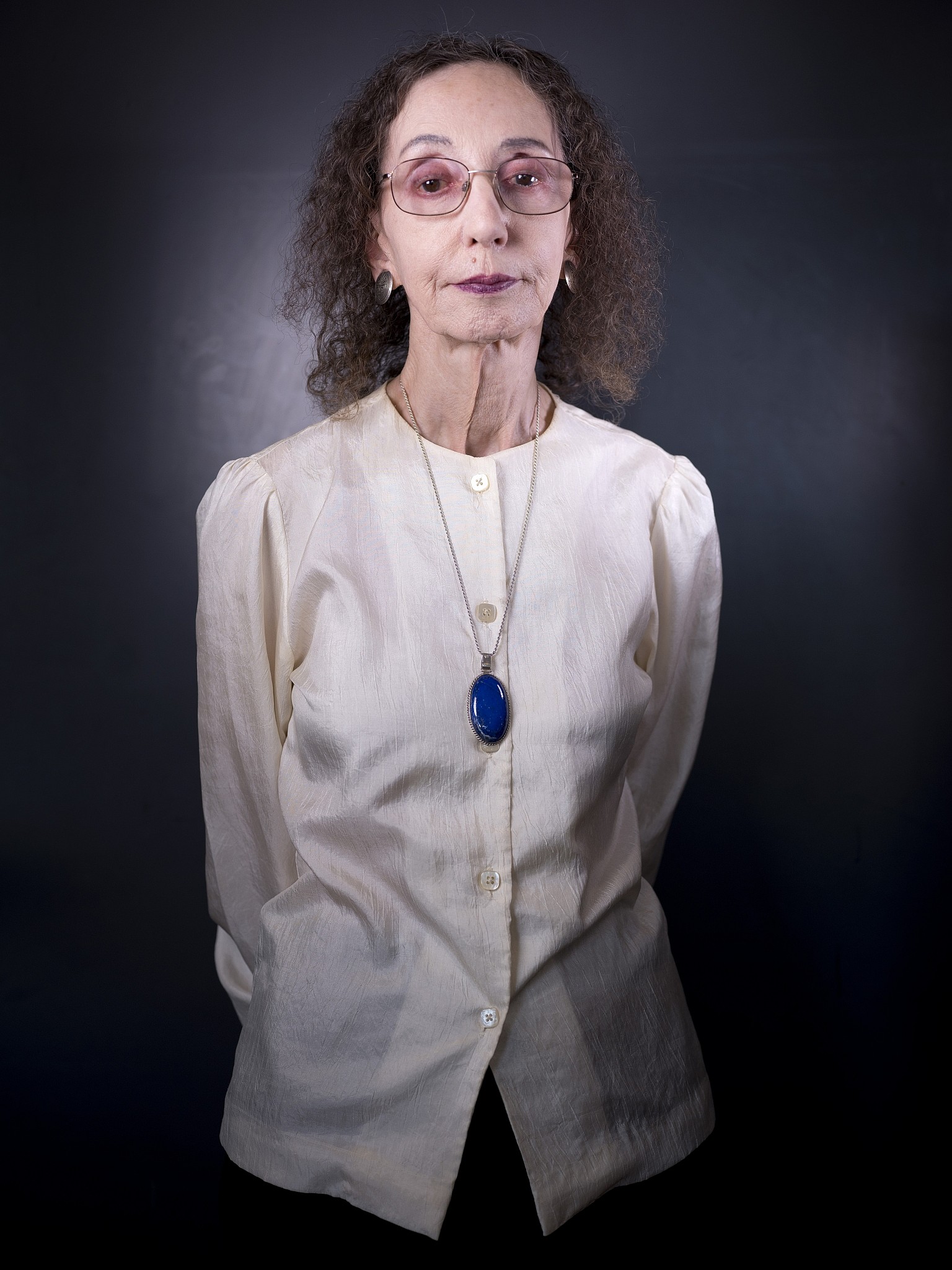
Her upcoming novel, “My Life as a Rat,” which comes out next month, grapples with the personal repercussions of a racist hate crime. Oates described the new book as familiar territory for her, dealing with her trademark theme of painful family dynamics and set in rural New York, where she grew up in a working-class family with a severely autistic sister.
Oates says her writing is “motivated by social justice,” and she often tackles timely topics such as the abortion debate and sexual violence, in addition to criticizing US President Donald Trump’s policies on Twitter. But she rejects the label of political writer.
“I’m not writing political novels. I’m writing about people,” she said. “You can be concerned with a society in which you live without being aware of a larger political structure.”
Oates also steered clear of the Israeli-Palestinian conflict, saying that Jerusalem was “obviously a city of great diversity” but that she “can’t make any judgment.”
She said that being in Jerusalem would likely influence her next project. “I’m excited to be here, listening to the Hebrew language,” she said. “I’m very interested in that culture and identity… and trying to see how I could write about it.”
The most recent upheaval in her life was the death last month of her second husband, professor of neuroscience Charles Gross. She said it was too soon to discuss her grief.
The death of her first husband, the editor and literary publisher Raymond Smith, motivated her to memorialize him in her celebrated 2011 memoir, “A Widow’s Story.”
Oates has written nearly 60 novels, won the National Book Award and received five Pulitzer nominations, among other honors. But she called the Jerusalem Prize “the high point” in her career.
The prize is awarded every two years to an author who expresses the ideal of human freedom in society. It has gone to some of the world’s most revered writers, including Bertrand Russell, Octavio Paz, V. S. Naipaul, Susan Sontag and J. M. Coetzee.









The Times of Israel Community.