

Once a bargain, Carmei Gat is transforming into Israel’s newest Anglo boomtown
Filled with new homes going for less than they might in Modiin or Beit Shemesh, the swanky national religious Kiryat Gat neighborhood is attracting more and more English-speaking immigrants
 Add ToI as a Preferred Source on Google
Zev Stub is the Times of Israel's Diaspora Affairs correspondent.
When Joel and his family moved to Israel from New York in 2021, they decided to put down roots in a new neighborhood on the outskirts of Kiryat Gat, a working-class former development town on the northern edge of the Negev desert not known for having a large population of English-speaking immigrant.
The neighborhood was Carmei Gat, which was attracting growing attention among young families, including many from the Anglo community, but was still relatively off the radar. Joel, who asked that his last name not be used, and his family found a comfortable penthouse for just NIS 1.9 million (around $590,000 at the time), a bargain compared to similar homes on the market in popular immigrant strongholds like Modiin or Beit Shemesh.
Buying in a neighborhood few of their friends had even heard of involved some risk, Joel recalled. “It was met with a lot of skepticism,” he said. “But we quickly realized we had made the right decision and fell in love with the neighborhood.”
Established in 2017 on former farmland separated from Kiryat Gat’s urban core by Route 35, the neighborhood is now home to more than 30,000 residents, according to municipal data, and has become one of Israel’s fastest-growing destinations for national religious families seeking affordable housing.
The neighborhood has become particularly attractive for English-speakers, with an estimated 300 immigrant families now living there, real estate agents say. According to Nefesh B’Nefesh, more than 100 English-speaking families have moved there in the past year alone, and more are expected to join in the near future as additional residential projects near completion.
“We’re like the ‘Buchman’ of the Negev now,” said Deborah Michael, a real estate agent specializing in Carmei Gat, referring to a high-end Modiin neighborhood that has become a magnet for English-speaking immigrants.
“For less than the price of a place in Beit Shemesh or Modiin, you can buy a much larger apartment in a community that already has Anglo [immigrants], shuls, schools, shopping malls, and English-speaking professionals,” she said. “It feels like a yishuv — a close-knit community — with the amenities of a city.”
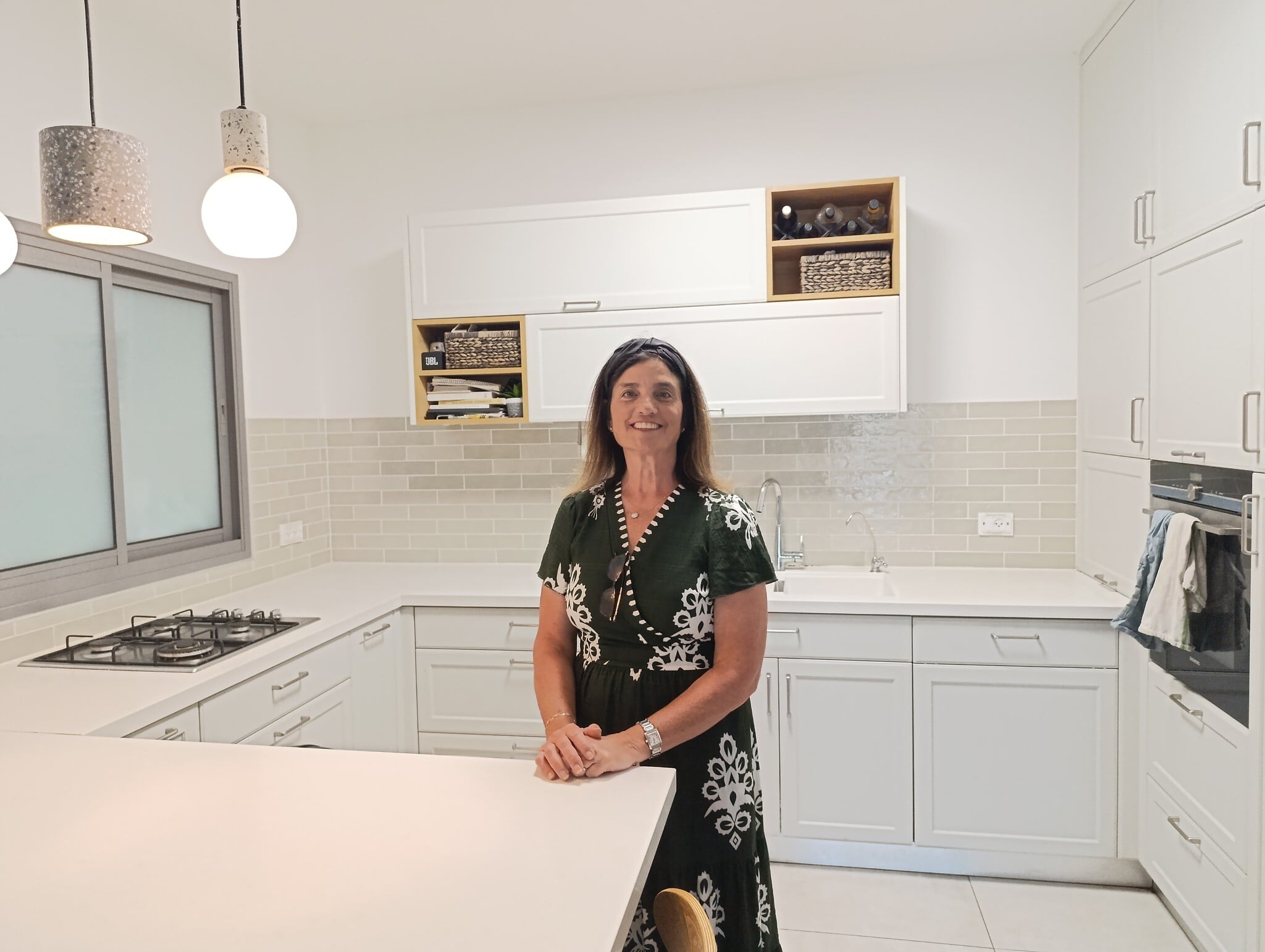
For early buyers like Joel and his family, it has also proven to be a wise investment. As the family grew, Joel decided last year to sell the apartment and move into a larger home nearby. Demand had grown so quickly that he was able to sell for nearly double the price he paid just four years earlier, he said.
“There is no beating the value one gets for the money in our neighborhood,” Joel said.
Built from scratch
Things didn’t always look this way in Kiryat Gat. When it was founded in 1954, the city was a remote desert outpost that struggled with poverty and high unemployment as it absorbed large numbers of North African Jews. As new roads and factories — including a massive Intel chip plant that employs thousands — were built in the coming decades, and a wave of Russian immigrants arrived in the 1990s, it gradually evolved into a growing working-class city.
But the development of Carmei Gat as an expansion neighborhood north of the city represents a completely new chapter in Kiryat Gat’s story.
In 2013, the neighborhood was the first in the country to be designed using a comprehensive “umbrella agreement” model in which housing, shopping, schools, transportation and parks were all planned together. The model, which is designed to ensure that residential infrastructure is available as soon as residents start moving in, has since been replicated in over 30 municipalities. Government officials have praised the neighborhood as a “great success.”
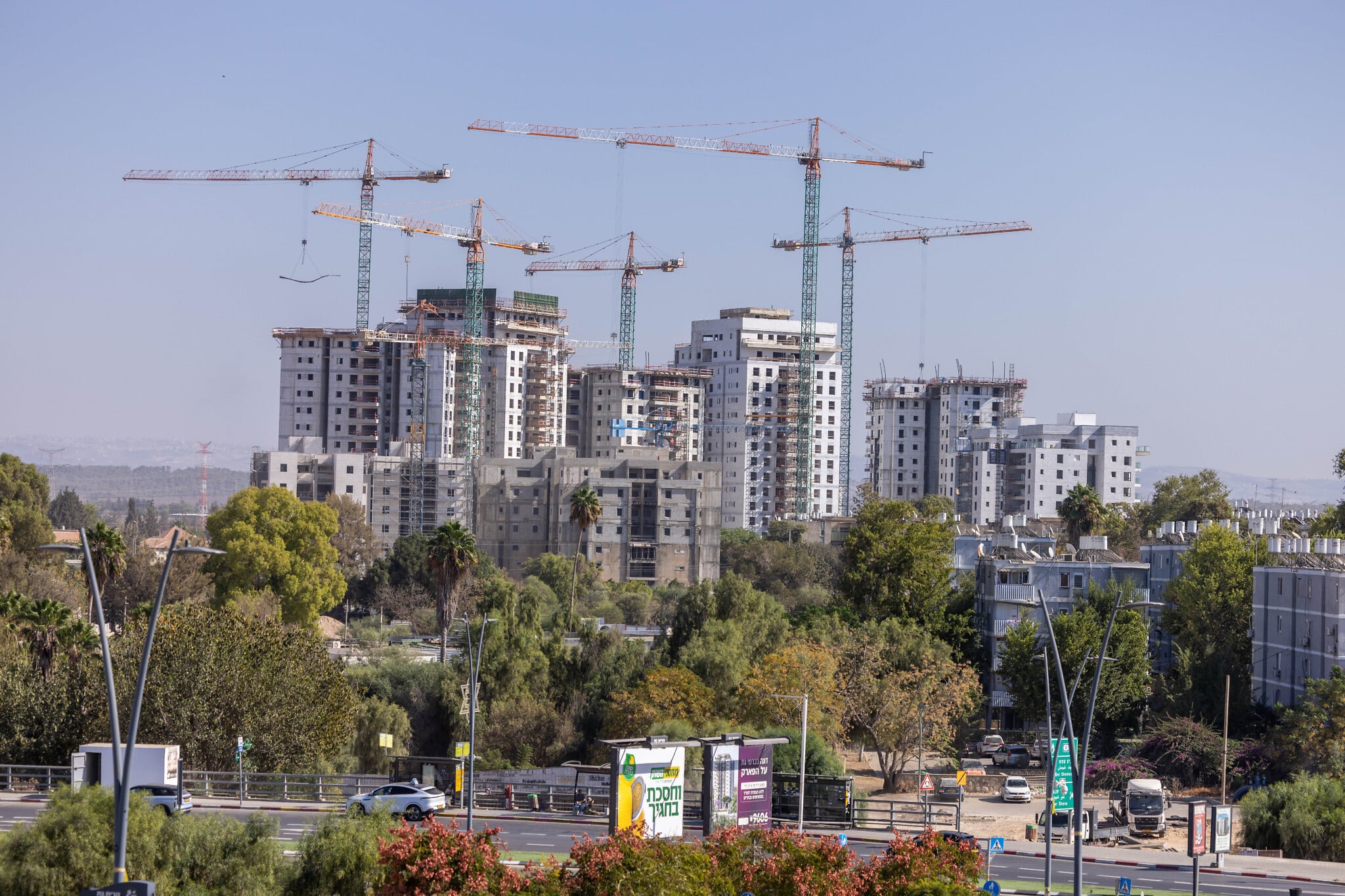
Because of its distance from Israel’s largest population centers — the neighborhood is about 45 kilometers (28 miles) north of Beersheba and 45 kilometers south of Tel Aviv — land in Carmei Gat was sold cheaply to developers willing to take the risk. But the potential for growth was evident from the beginning, Michael said.
“Early on, there was a core group of savvy young English speakers that saw the opportunity and started to buy homes in the center,” she said. “They met with the mayor and got the city to provide land for an Ashkenazi synagogue that helped center the community.”
That synagogue, Carmei Tzion, soon became an anchor for many immigrant families, following the lead of other communities around the country that have solidified around English-speaking houses of worship. Like many immigrant communities, English-speakers tend to gravitate toward neighbors who share a common language and cultural background, easing their acculturation process.
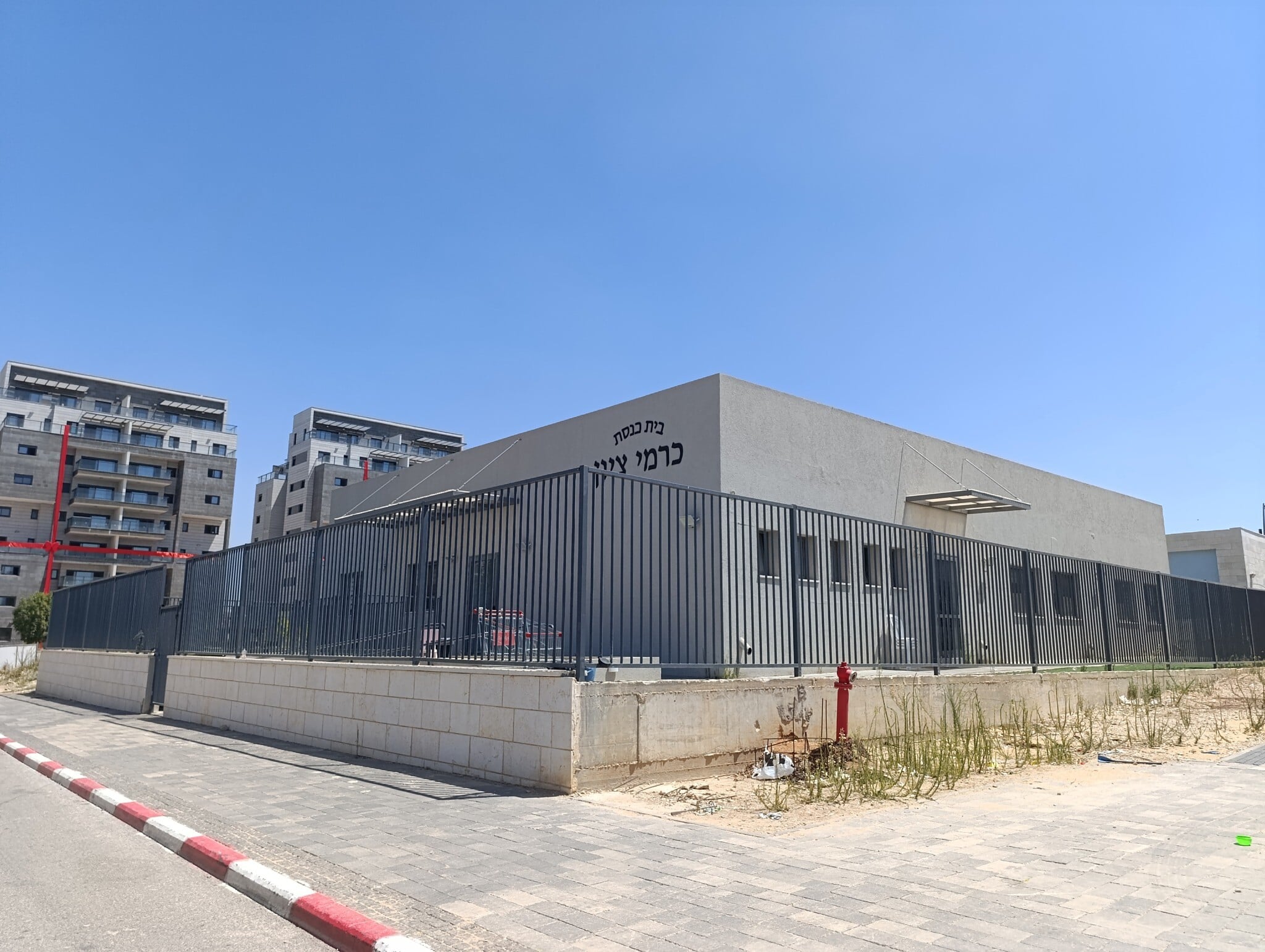
“You build a community around the shul, and the rest follows,” Michael said, noting that a number of other congregations have since opened nearby. “It’s gotten to the point where people are choosing smaller apartments near Carmei Tzion over bigger apartments further away at the same price.”
Organizations geared toward North American immigrants, like Nefesh B’Nefesh and the Orthodox Union, also offer programming and resources within the community. And there are countless English-language WhatsApp and Facebook groups connecting residents.
“Anglos like it here because they have a strong presence, but they don’t feel like they are just living with other Americans,” said Bracha Miriam Geller, a real estate agent working in the area. “It’s a 20-minute walk from one side of town to the other, and everyone mixes together.”
Today, almost all the residents of Carmei Gat identify as national religious, Michael said, with people from across the spectrum of religious observance. And the neighborhood, once primarily young families, has matured as its original residents have grown and older relatives have followed them.
“When we moved here, it felt like everyone here was in their twenties,” Michael said. “Now, most people are in their late twenties to late thirties, and there is a growing number of parents and grandparents following their kids to live here as well.”
Some members of Kibbutz Nir Oz are believed to still be living there as well, nearly three years after they were evacuated from their homes in the aftermath of the October 7, 2023, Hamas attack on southern Israel.
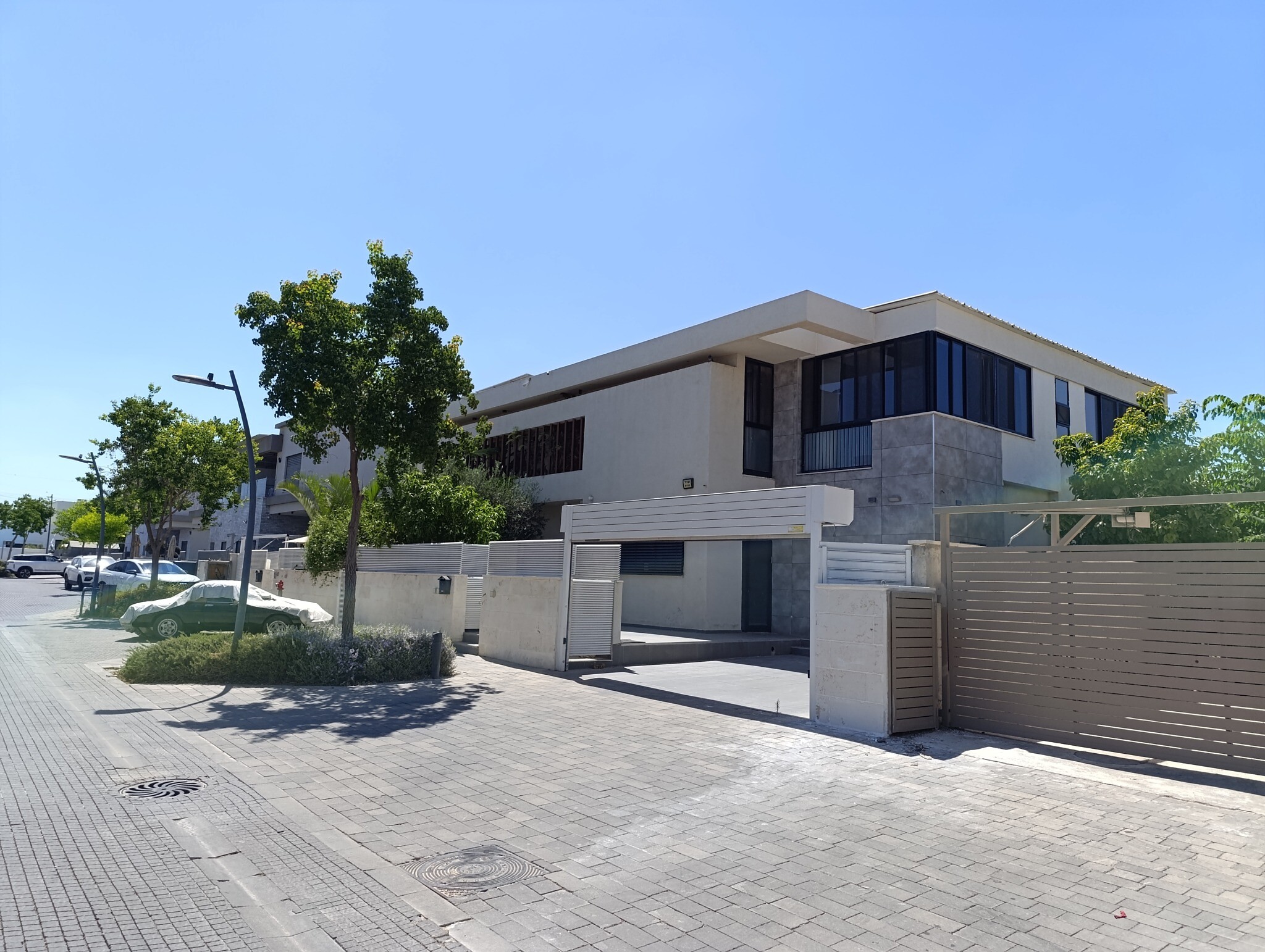
Prices in Carmei Gat are still quite low compared to similar immigrant communities, Geller said. The average price of a three-bedroom secondhand apartment is about NIS 2.2 million ($720,000), with prices going up to NIS 3 million ($978,000) for a large five-bedroom or NIS 3.5 million ($1.1 million) for a garden apartment, she said.
That can be 20-40% of the price for comparable homes in Beit Shemesh and Modiin, and significantly less than half the price of those in popular immigrant neighborhoods in Jerusalem like Katamon and Rehavia.
Most are apartments in high-rise buildings, but there are plenty of other options, including duplex and triplex homes. Larger single-family homes in Carmei Gat, some rivaling the stately villas of Herzliya Pituah, typically go for around NIS 7 million ($2.3 million), Michael added.
A neighborhood that’s its own city
Because the neighborhood’s umbrella agreement laid out a vision for its commercial and cultural evolution, Carmei Gat already offers many of the amenities typically found in much larger cities.
Lachish Street, the main commercial strip, is lined with large shopping centers, supermarkets, restaurants, offices, health centers, and other essentials. The open-air BIG Fashion, one of the three malls in the neighborhood, is home to a Rami Levy supermarket, two floors of shops and cafes, and a fountain kids can play in.
Schools, parks and synagogues are spread throughout the neighborhood, Michael noted. The massive Sportek park in the center, with sports fields, playgrounds, a skate park, ninja park, climbing walls, and other facilities, serves as “Carmei Gat’s answer to New York’s Central Park,” she added.
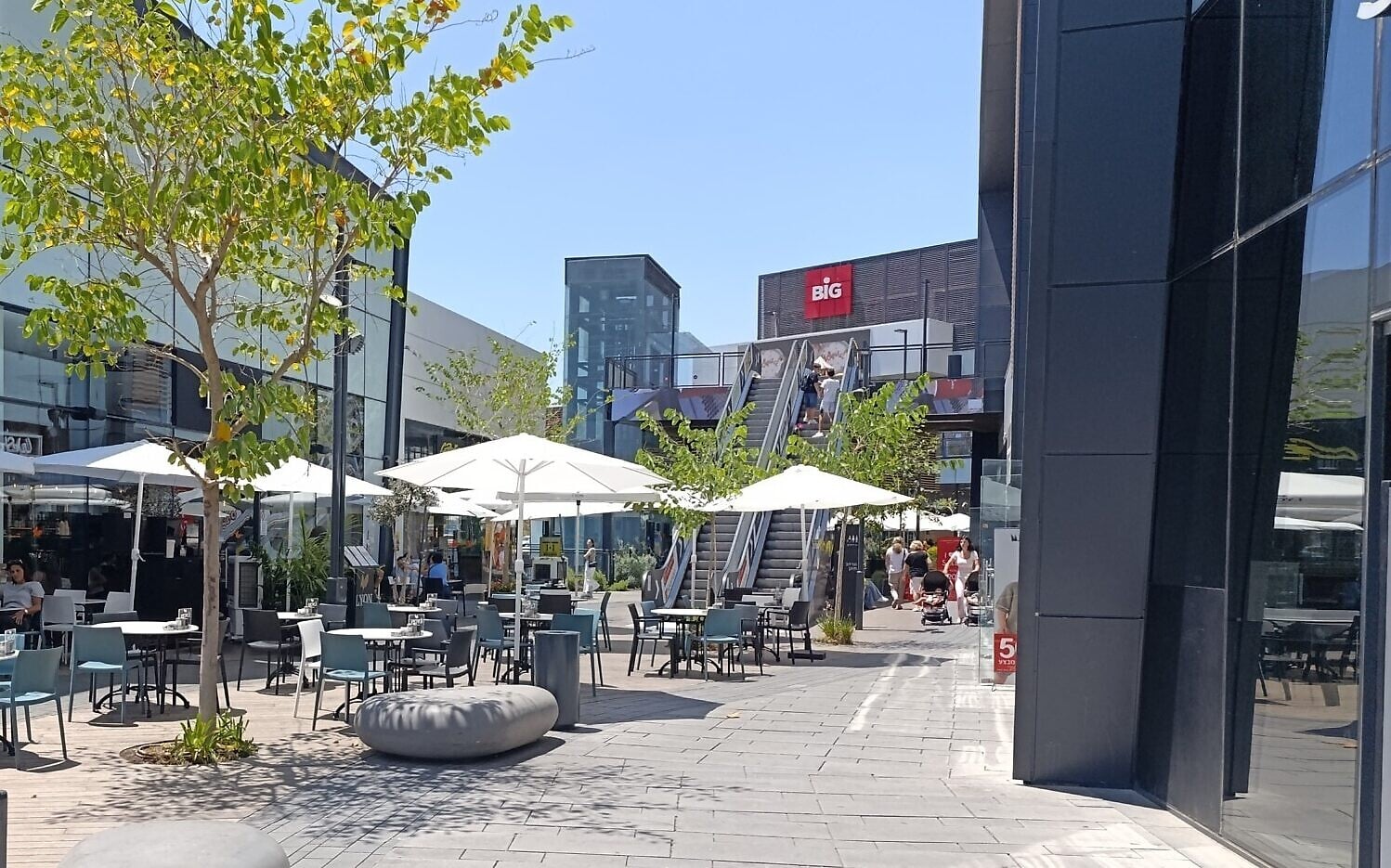
Walking and biking paths are everywhere, and residential buildings are well-spaced to avoid a sense of crowding. Electric cables are buried underground, and the streets are wide and lined with trees. There’s a sense that the streets are well-kept and maintained, Michael said.
Though technically part of Kiryat Gat, Carmei Gat’s sparkling streets and gleaming new buildings stand in stark contrast to the rest of the city, which has older homes and fewer shopping centers and other amenities. Homes in the rest of Kiryat Gat typically command prices 25% to 35% lower than those of Carmei Gat, according to public data compiled by the Madlan real estate website, and Carmei Gat has a higher socioeconomic ranking than most of the rest of the city, according to the Central Bureau of Statistics, which classifies neighborhoods based on quality of life, schools, income levels and other factors.
The neighborhood is separated from the rest of Kiryat Gat by Route 35, a major highway, and a swath of green space, with only three roads connecting them, making it feel like a separate entity. Real estate ads for Carmei Gat will often list only the name of the neighborhood, not the city it’s in, reflecting the neighborhood’s tenuous link with the rest of Kiryat Gat.
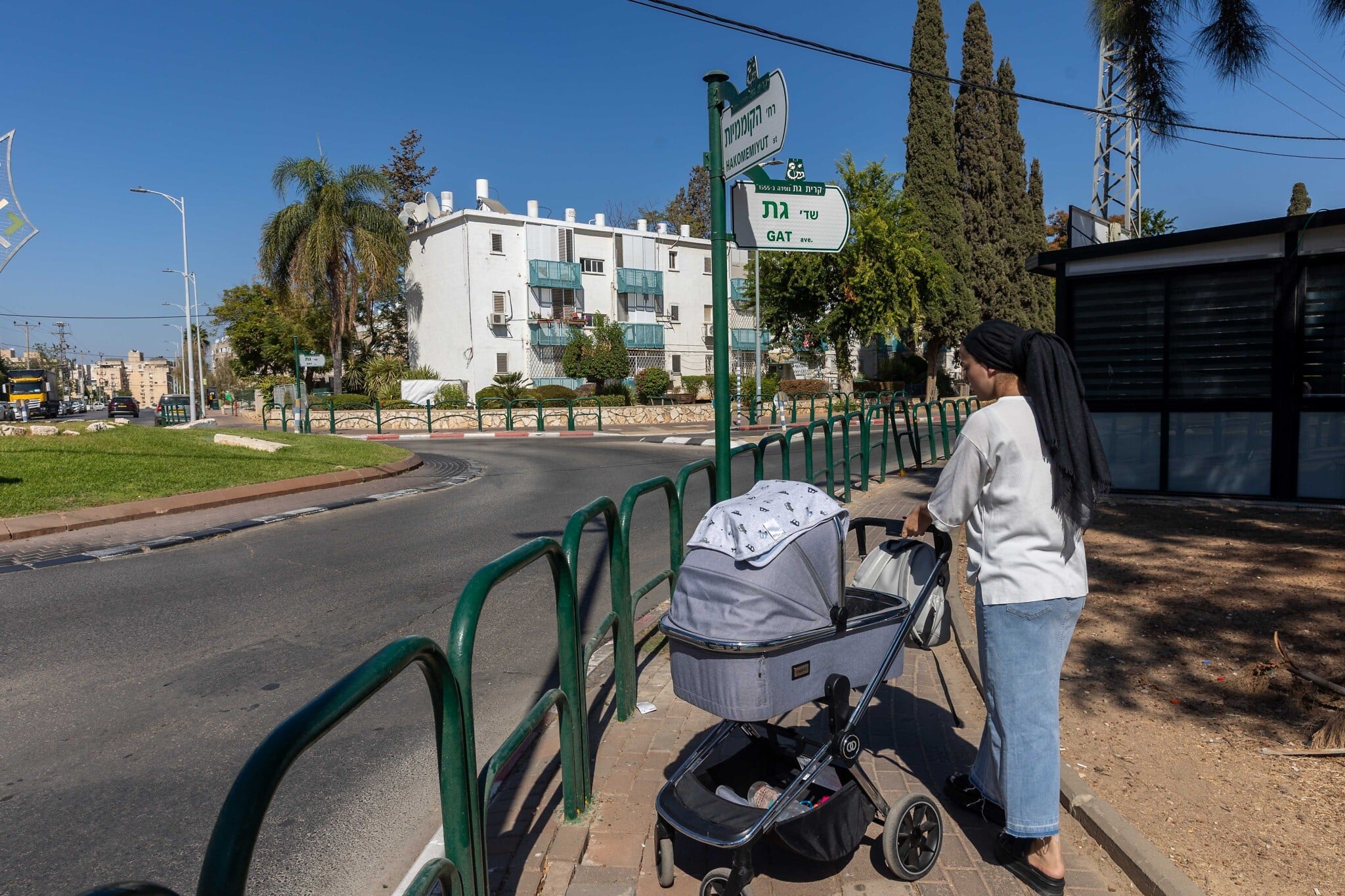
With so much available locally, residents of Carmei Gat have little need to connect with the older, less modern parts of Kiryat Gat, Michael said.
“Our bank is there, and some municipal offices, but that’s about it,” she said. “Culturally, it’s a different place.”
Given Carmei Gat’s distance from the population centers of Jerusalem and Tel Aviv, location is a sensitive point for residents. Michael insists, however, that a strong network of roads and public transportation options — planned in the umbrella agreement from the beginning — takes a lot of the pain out of commuting.
“Nothing is too far,” she said. “We’re under an hour to Tel Aviv, an hour from Jerusalem, about 30 minutes from the beach in Ashkelon, and 35 minutes by train to Beersheba.”
While there is no train to Jerusalem, a railway offers easy links between Kiryat Gat and employment centers in Tel Aviv and Beersheba, Michael noted. A new train station is being constructed in the northern part of the city that will make commuting even easier, she added.
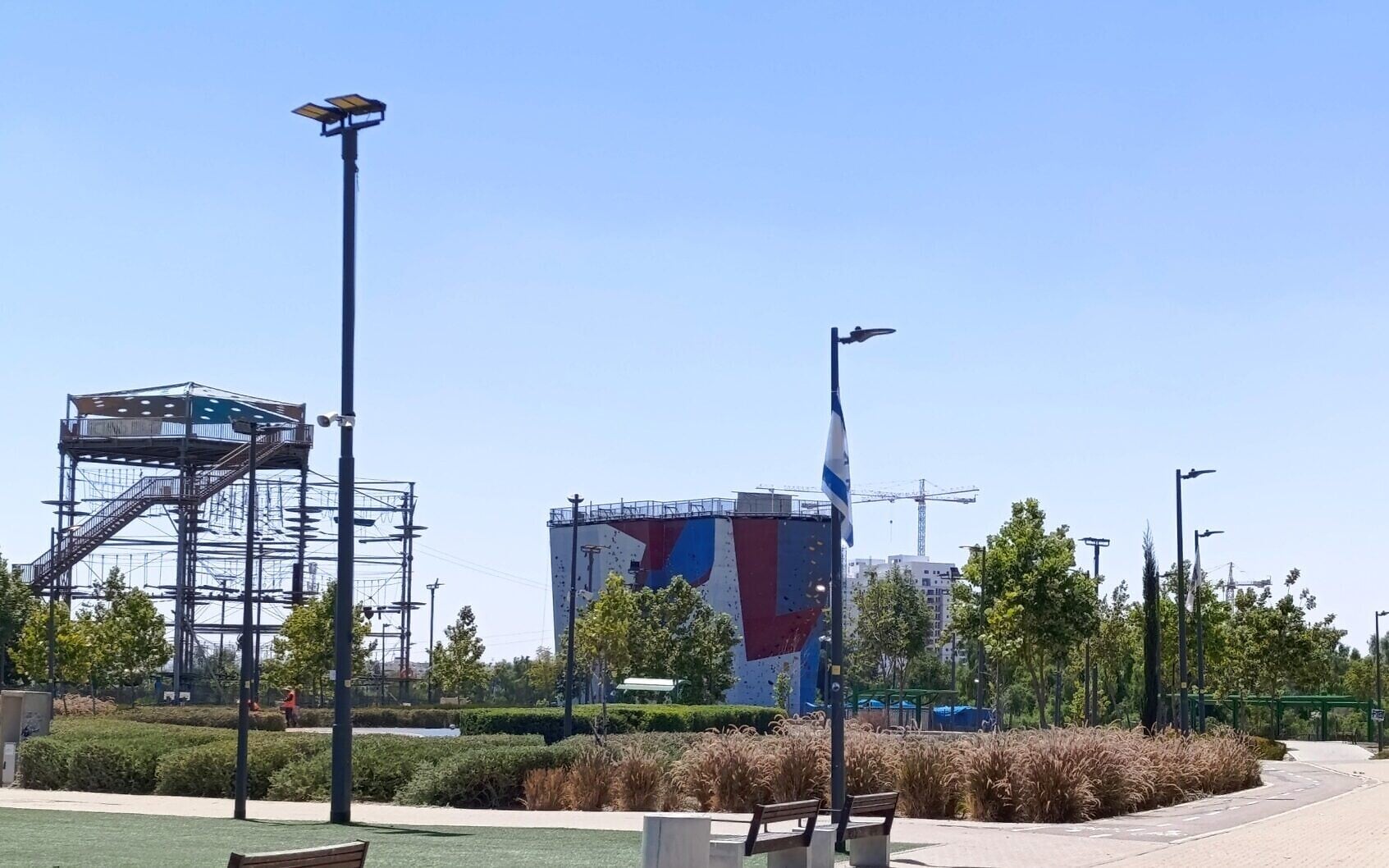
Meanwhile, developers are already at work building a new area of Carmei Gat farther to the north. Vacant tracts of dirt north of the existing neighborhood are already being transformed into the next phase of development, some 6,000 new apartments set to be built in the coming years.
These homes are already being marketed aggressively, although Michael, who has lived in Carmei Gat for four years, warns that buyers should not assume that the new section will have the same communal feel of the existing neighborhood.
“Maybe one day it will see the same kind of growth, but it’s not fair for someone to promise customers that people in the far north will be in the middle of the Anglo community here,” Michael said.
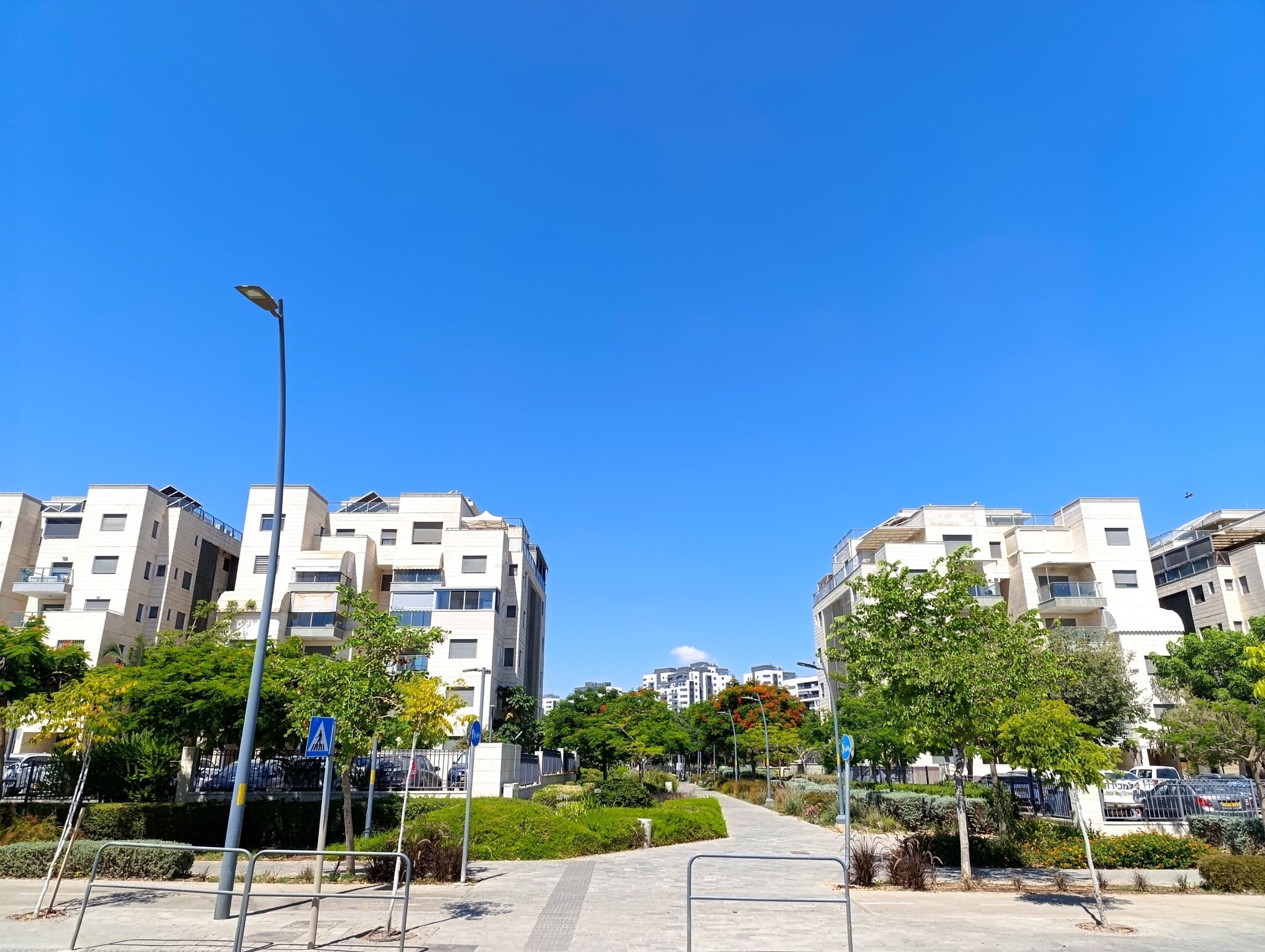
Looking towards the future, plans for additional neighborhoods to the east and west are already being advanced by the Israel Land Authority as well, potentially adding as many as 30,000 more residential units.
For now, Carmei Gat is developing as one of the most significant immigrant communities in the Negev. Whether it can maintain that sense of community as it continues to grow may be the next test in its rapid evolution.
“People originally came here for the prices,” Michael said. “Now, they’re staying for the community.”







The Times of Israel Community.