

Outgoing chief justice rejects attempts to reform judiciary
Miriam Naor blasts politicians for attacking the Supreme Court, says her relationship with the justice minister is good, despite appearances
 Add ToI as a Preferred Source on Google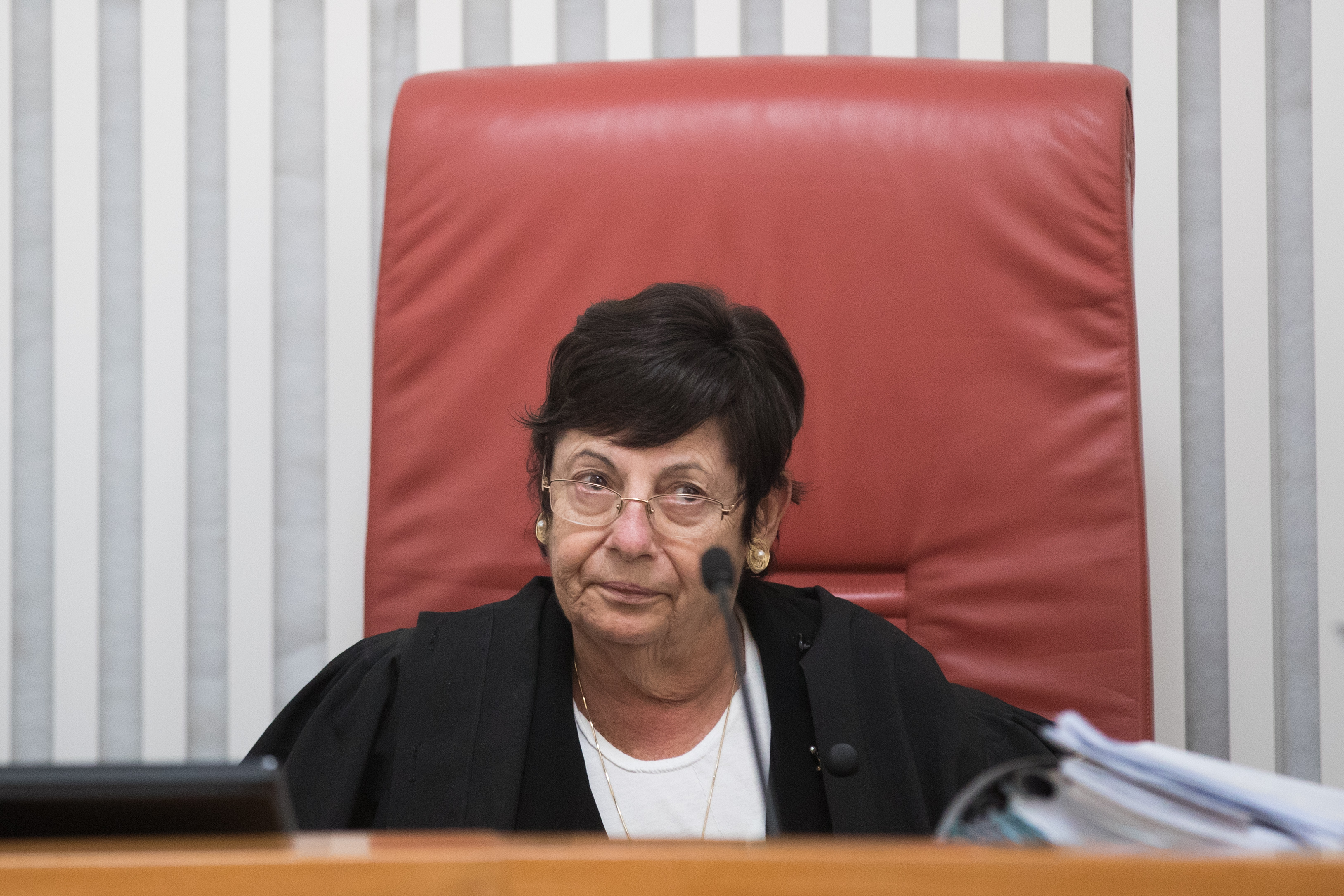
The outgoing chief justice of the Supreme Court rejected politicians’ efforts to hobble the judiciary, which she said is sufficiently robust to withstand attempts to exert influence over it.
In an article published this week in the Israel Bar Association’s journal, Miriam Naor discussed the relationship between the court and politicians during her years in office, especially in light of efforts to curb the court’s power to review legislation.
Naor, who is set to retire on Thursday, said there were unnecessary outbursts by politicians against the court and attempts to sway judges, “but they didn’t influence us.”
“There is no option to give in to threats and slander — that is how I educated generations of judges,” she said. “The Supreme Court is strong… [and] cannot be threatened.”
On Monday, Education Minister Naftali Bennett vowed to advance a constitutional Basic Law that would rein in the Supreme Court, accusing the justices of overstepping their mandate in rejecting Knesset legislation in a series of recent rulings.
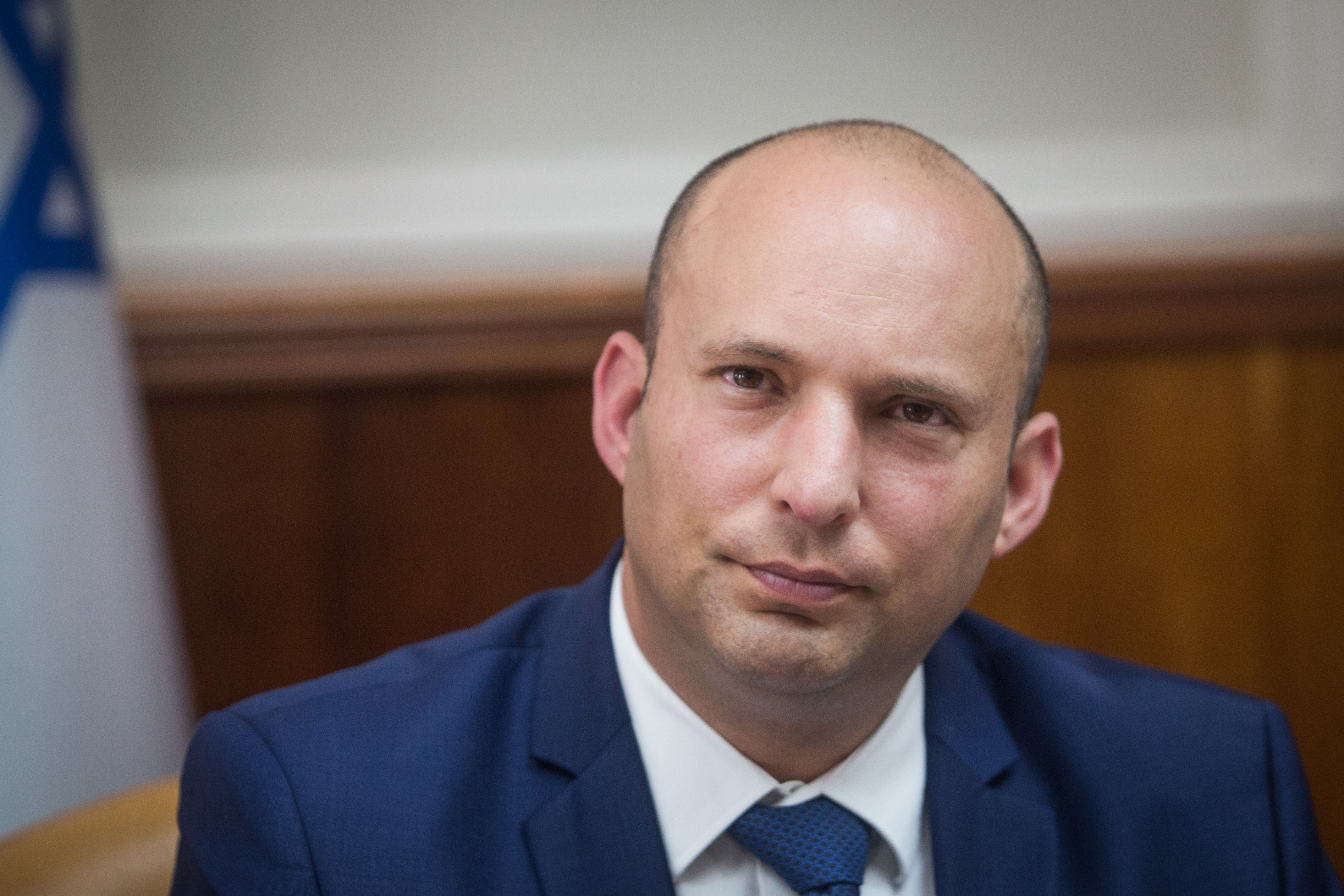
Speaking at the weekly faction meeting of his Jewish Home party, flanked by Justice Minister Ayelet Shaked, Bennett accused the Supreme Court, which doubles as the constitutional High Court of Justice, of “forgetting” its role and placing the judiciary above the legislative branch.
In her interview with the bar journal, Naor denied that the Supreme Court has been overstepping its authority.
“The judiciary respects the legislative branch and the executive branch,” she said. “Contrary to the way things are sometimes made to appear, we rule according to the law. Thus, I think that during my time in office unnecessary statements were made that should not have been voiced.
“There was a lot of talk against us, such as the statement that the Supreme Court should be destroyed with the blade of a D-9 bulldozer,” she said, referring to comments in 2015 by Jewish Home MK Moti Yogev, who appeared to call for the Supreme Court to be razed after the High Court of Justice upheld a decision to demolish two illegal buildings in the West Bank settlement of Beit El.
Still, Naor said, and despite external appearances, she maintained an excellent relationship with Shaked.
“There is dialogue between us, both during frequent meetings and also via text messages in the framework of which we resolve problems. It’s true that there were some things that seemed to the public like saber rattling but each of us has our role in the system, and each one of us wants to protect the system,” she said.
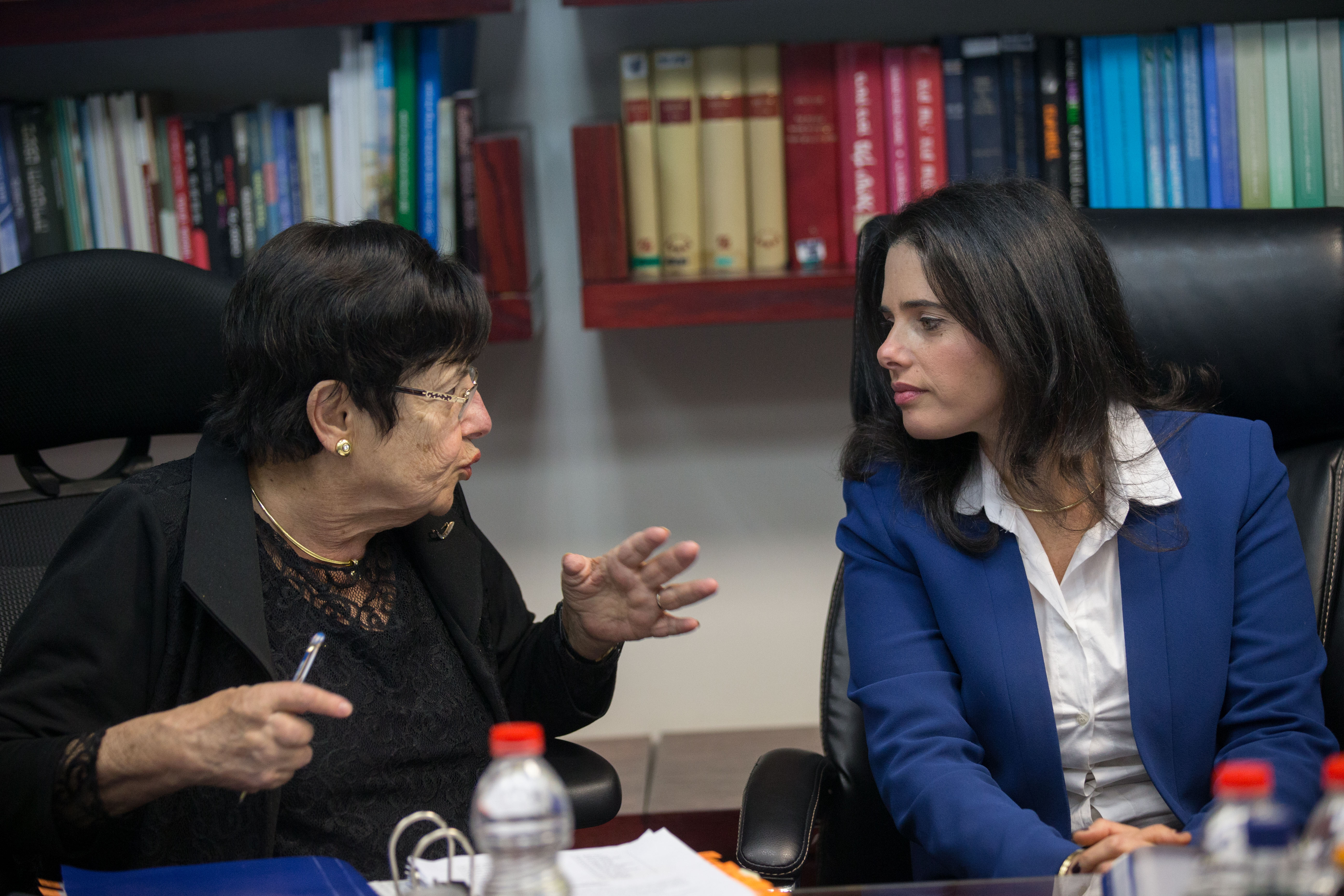
Shaked and Noar clashed publicly last month after the latter bucked protocol by refusing to send a representative of the Supreme Court to an official state ceremony marking 50 years of the settlement enterprise.
The Supreme Court has frequently irked right-wing and Orthodox politicians with an interventionist ethos pioneered by Aharon Barak, court president from 1995 to 2006. Barak expanded the range of issues the court dealt with, viewing both the need to protect individual rights against other arms of the law, and to keep a watchful eye on government, as key.
While right-wing lawmakers accused the justices of judicial activism, the court’s defenders say its powers have developed to fill the void left by a Knesset that is famously unable to settle key questions of law and society and that frequently avoids deciding on issues of religious freedom, civil liberties or the rights of Palestinians.
Naor, 70, was elected to the Supreme Court in 2003 and assumed the position of chief justice in 2015. After her retirement Esther Hayut will become the 12th head of the Supreme Court.









The Times of Israel Community.