

Palestinians in Egypt torn on returning to battle-scarred Gaza with ‘no future’
With Rafah Crossing’s limited opening, Gazans stuck outside of Strip during war express longing to return home, though some are reluctant due to dire conditions in territory
 Add ToI as a Preferred Source on Google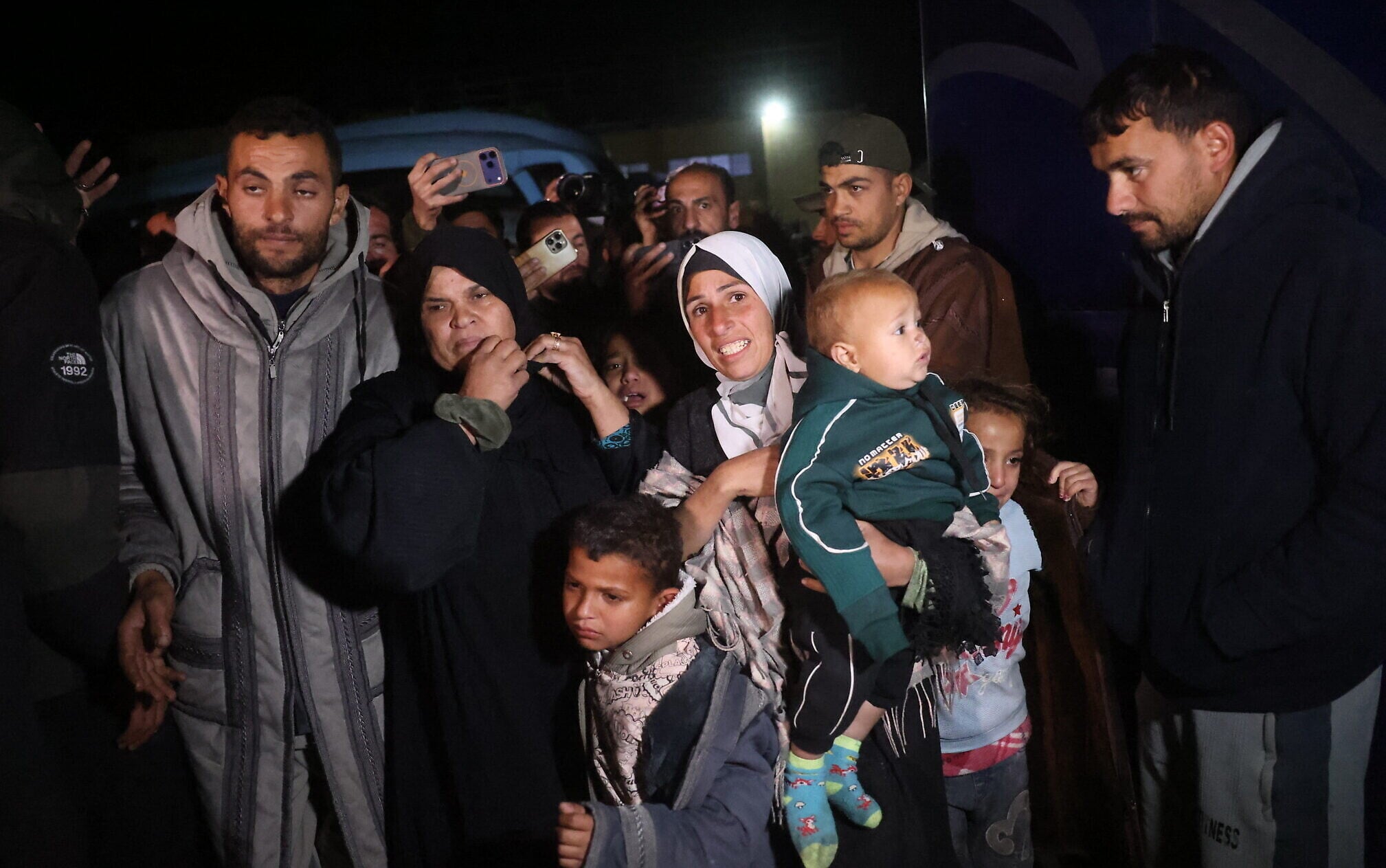
CAIRO, Egypt — As Israel begins to allow a trickle of Palestinians through the Rafah Crossing, Gazans stranded in Egypt are torn between staying in exile without formal status or returning to a land in ruins.
“Return to Gaza for what? To live in a tent?” demanded Mohamed, a 78-year-old poet from Beit Lahiya in northern Gaza.
“We have not turned our backs on Gaza; we will return. But right now, we cannot go back under these conditions,” he told AFP, asking to be identified only by his first name.
Some 80 percent of Gaza’s buildings have been destroyed or damaged, according to the United Nations.
While food security in Gaza has improved since the ceasefire came into place in October, the humanitarian situation in the Strip remains dire, and there are not yet detailed reconstruction plans.
Mohamed is among an estimated 80,000-100,000 Palestinians who came to Egypt through the Rafah Crossing, before it was captured by Israeli forces and shut by Egypt in May 2024 amid the war in Gaza, which was sparked by the Hamas-led October 7, 2023, massacre of some 1,200 people in southern Israel.
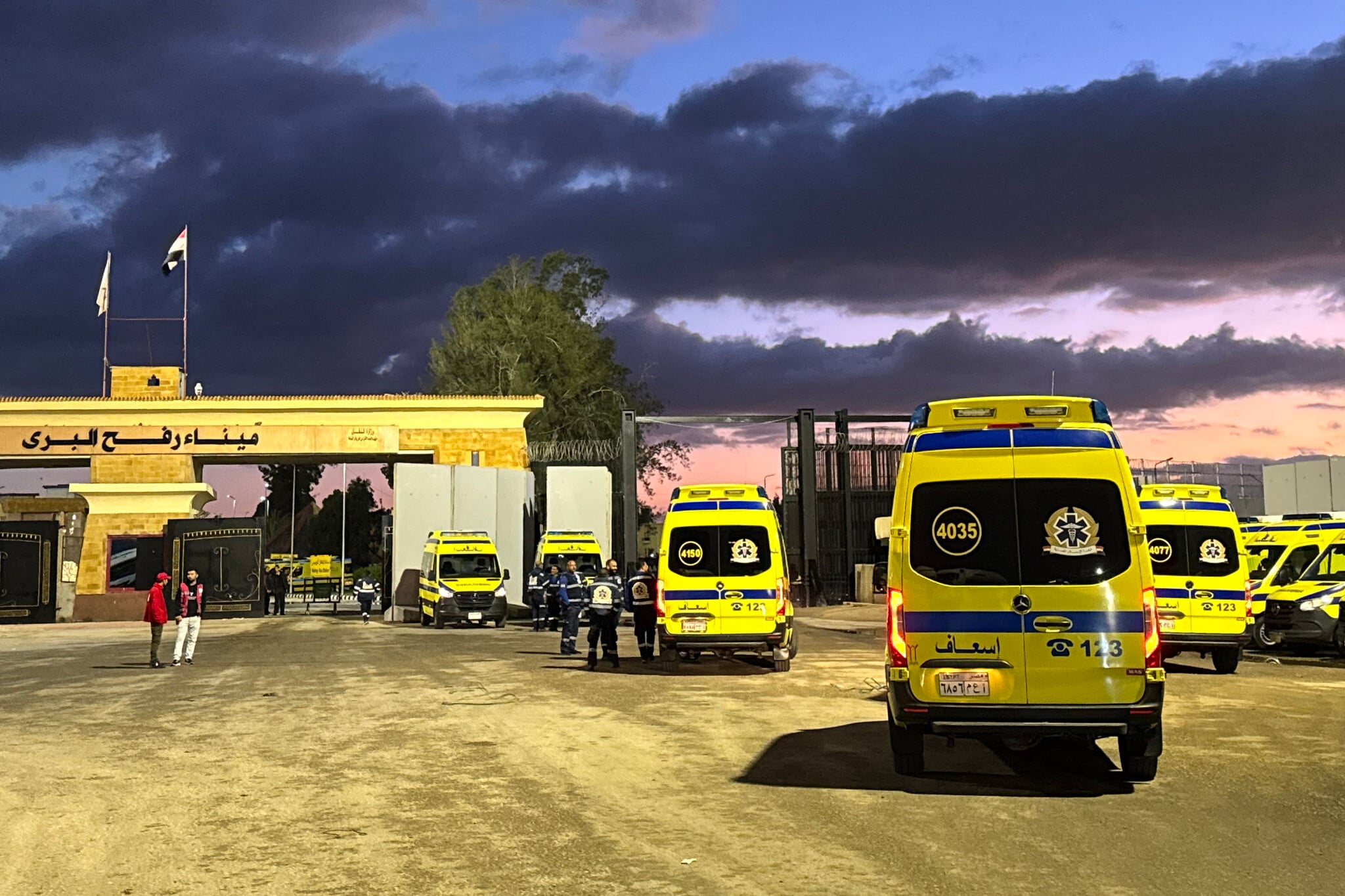
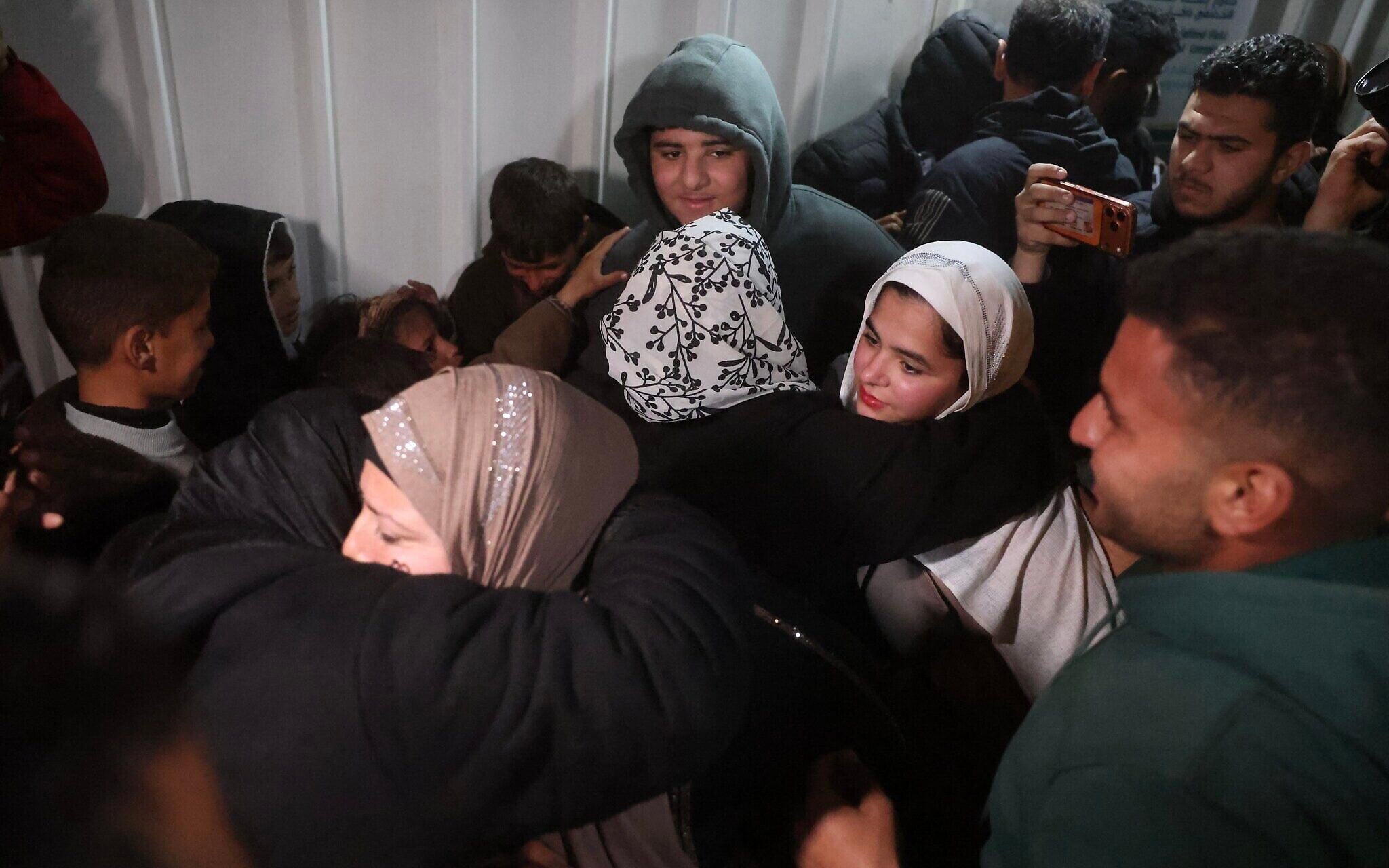
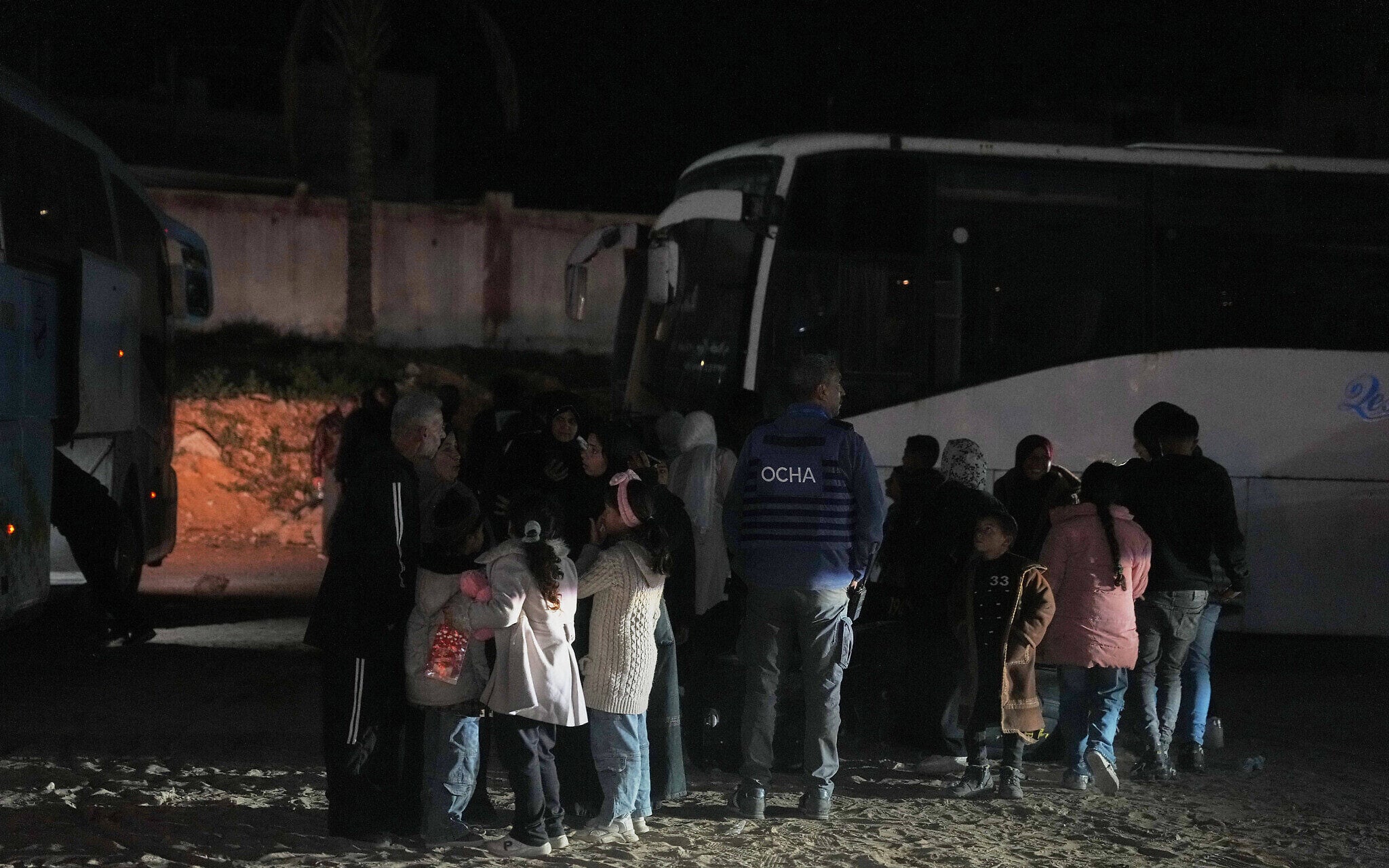
Returns are tightly controlled, and by Wednesday, only a few dozen Palestinians had been allowed back, describing to AFP a humiliating journey through Israeli checkpoints.
Asked about the alleged mistreatment on Tuesday, the Israeli military said, “No incidents of inappropriate conduct, mistreatment, apprehensions, or confiscation of property by the Israeli security establishment are known.”
Nothing to return to
Two years after their son, who lives in France, drained his savings to get them out, Mohamed’s wife, Sawsan, 72, said she could not imagine returning.
“The situation that pushed us out hasn’t changed. We lost our homes, our children, our livelihood,” she told AFP, heartbroken over her family still in Gaza: a daughter, a son-in-law, and three grandchildren aged three, seven, and nine.
Across town, Nadra, 37, is focused only on her son, Hakim.
She brought him to Egypt in January 2024, seeking medical treatment after he suffered burns in an Israeli strike early in the war, at eight years old.
“There is no future in Gaza now. No clean water, no safety, no school for Hakim, nowhere for us to stay,” she said.
Two years on, she lives off monthly transfers from her sister abroad that barely cover rent for her studio apartment.
Skyrocketing rent prices and a state of limbo are among the many struggles of Gazans in Egypt, which has repeatedly warned against any mass displacement of Palestinians into its territory.
Egypt offers a measure of safety, but Gazans who arrived in recent years lack legal status, cannot work formally, and are often denied access to public hospitals, schools, and banking.
On the eastern outskirts of Cairo, Mahmoud Abdelrahman Rabie counts the days until he can return to Gaza.
He knows he may not be able to even find the remains of his former home and chicken farm in Jabalia, much of which has been bombed to the ground. The IDF operated in Jabalia several times throughout the war in order to dismantle Hamas capabilities in the area
“I know what life is like in a tent. I lived like that for a year. But I still want to return to Gaza,” the 65-year-old told AFP from his cramped studio, a keffiyeh draped over his shoulders.
Rabie tried to make a living as a driver, but couldn’t get a license without a residence permit, and has since survived on help from friends and relatives.
“Here I am alive only in name. My heart and soul are in Gaza,” he said.
But he has little hope, with only a handful of Palestinians allowed through the crossing.
At the current rate, “my turn will come in two years,” Rabie said. “I don’t even know how I’m paying next month’s rent.”
A year after he was medically evacuated by the UN, Rabie longs for his family, which includes 52 grandchildren scattered around Gaza.
“I cry myself to sleep every night… I just want to go back to my land.”
A tent over a palace
Yaela el-Beltagy, a 36-year-old former restaurant owner, has registered himself, his wife, son, and four siblings to return to Gaza.
“I want to go back, see my father and mother, even if there is nothing there but tents,” he told AFP by phone.
“We’re a people deeply connected to our land; we cannot stay away from it,” he said.
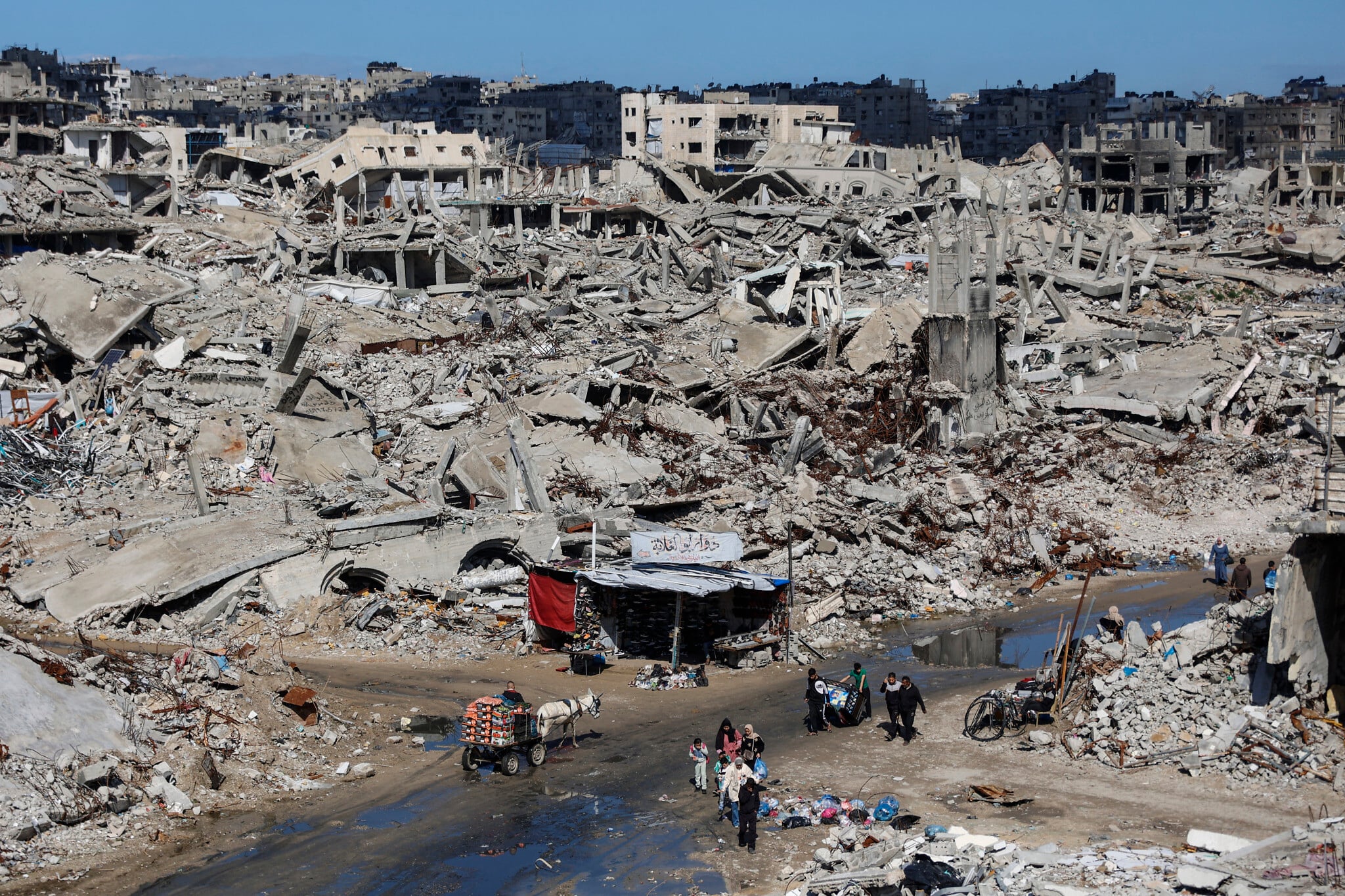
Palestinians have repeatedly warned of mass displacement from Gaza, and that those leaving will not be allowed to return.
“I would pick a tent in Gaza over a palace anywhere in the world,” Beltagy said.
But though they long for home, many are unprepared to risk their family’s health and safety.
Hala, a 40-year-old teacher’s assistant, left Gaza a few weeks before the Rafah Crossing shut.
She now lives with her parents, both of whom are in need of regular healthcare — impossible for most in Gaza.
“I can’t go back there, not with my parents, and not without them. They’re getting old; they deserve to live out their days in peace.





The Times of Israel Community.