

Poland’s chief rabbi leads effort to receive Ukrainian Jewish refugees
Michael Shudrich says dozens have been helped by ad hoc crisis group, as community prepares for many more displaced people fleeing Russian invasion

 Add ToI as a Preferred Source on Google
Lazar Berman is The Times of Israel's diplomatic reporter
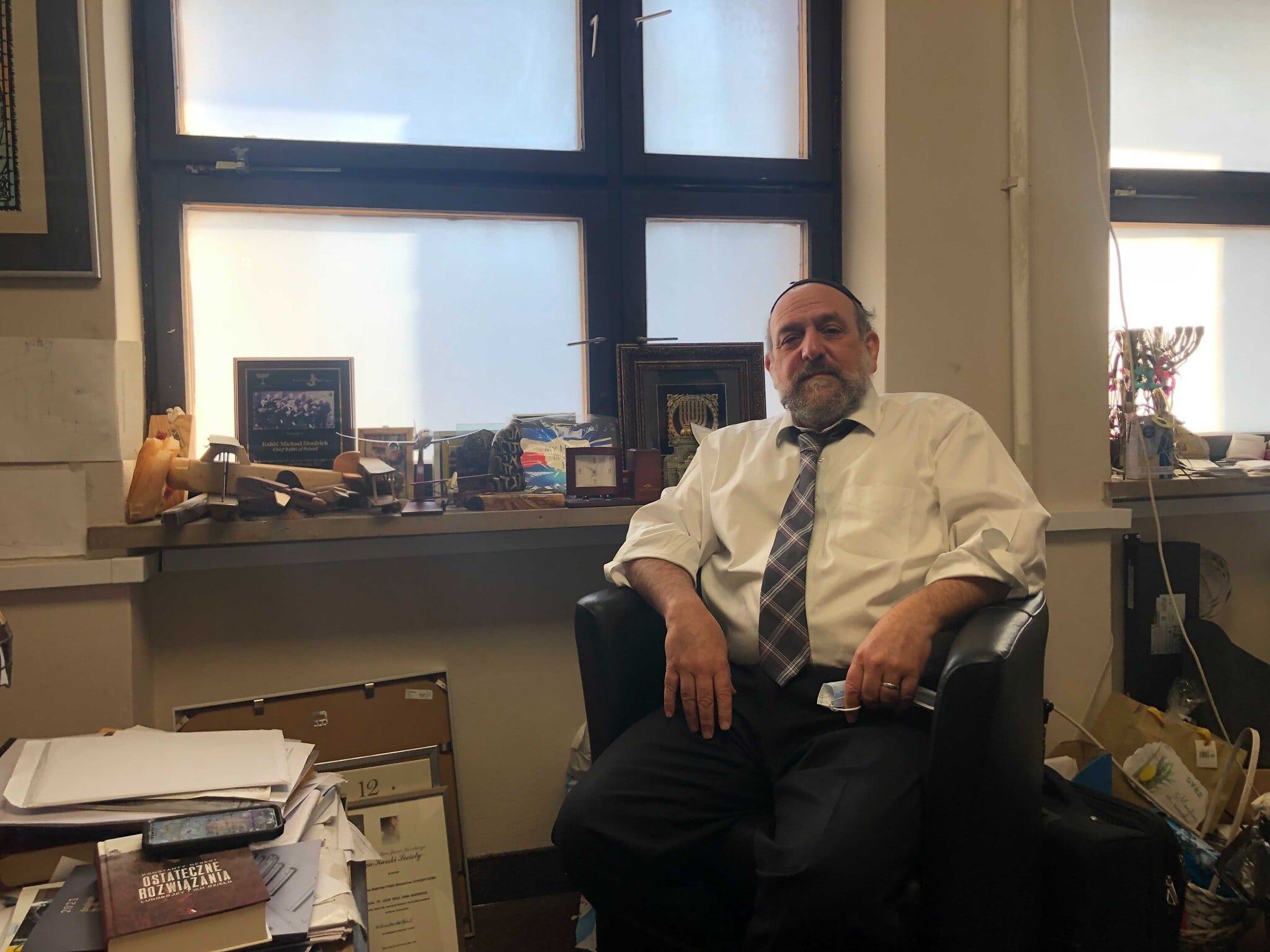
WARSAW — Rabbi Michael Schudrich had been preparing for an influx of Jewish refugees from Ukraine even before Russia invaded its western neighbor on Thursday.
As Russian troops gathered on Ukraine’s borders before the invasion, Schudrich began looking at possible sites to host Jews fleeing the fighting. Poland’s 66-year-old chief rabbi, who grew up in New York, drove to Jewish hotels and hostels, getting them ready to close and turn into temporary housing should hostilities break out.
“Some people looked at me and said, ‘Why are you doing this now? Nothing has happened,’” he told The Times of Israel on Monday in his second-floor study at Warsaw’s Nozyk Synagogue.
“In Judaism it says, a person who is on his deathbed, it’s better to say viduy [confession of sins] and not die, than die without viduy. So I said the same thing here. Better we should go through the whole preparation and no one comes, than the opposite,” he said.
Once the invasion started, Poland’s Jewish community kicked into action. By Friday, there was already a broad crisis management group, made up of activists from the local community, the Joint Distribution Committee, the Jewish Agency, Hillel, and the American Jewish Committee.
“Basically, we have the entire alphabet covered,” he joked.
The group is also coordinating closely with Israel’s embassy in Poland.
“This is the first time I’ve seen really the whole community — we’re always in good relations — but just all working on the same team,” Schudrich said, while his phone beeped every few seconds as the crisis group communicated on the Signal messaging app.
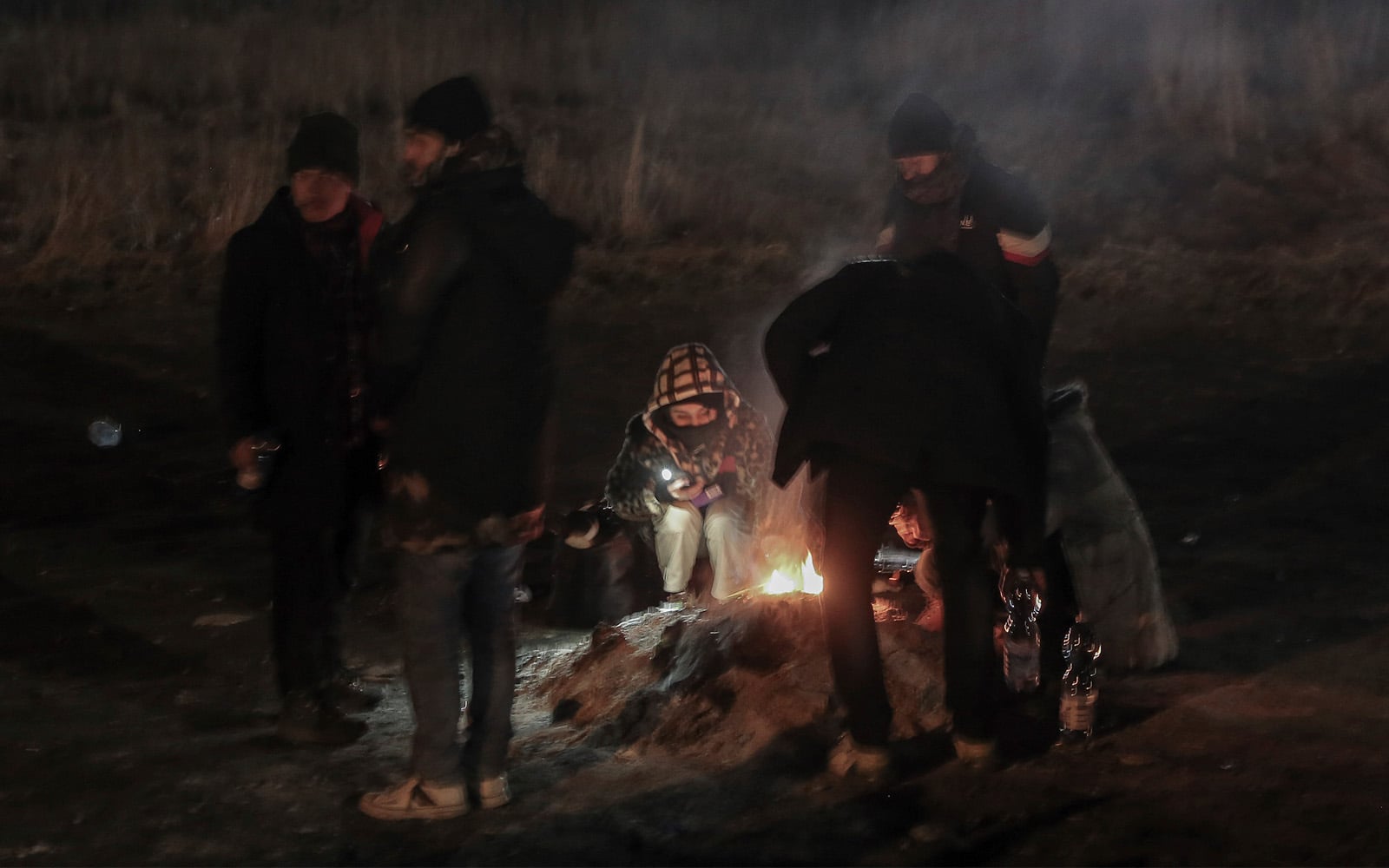
So far, the group has helped dozens of Ukrainian Jews, he said.
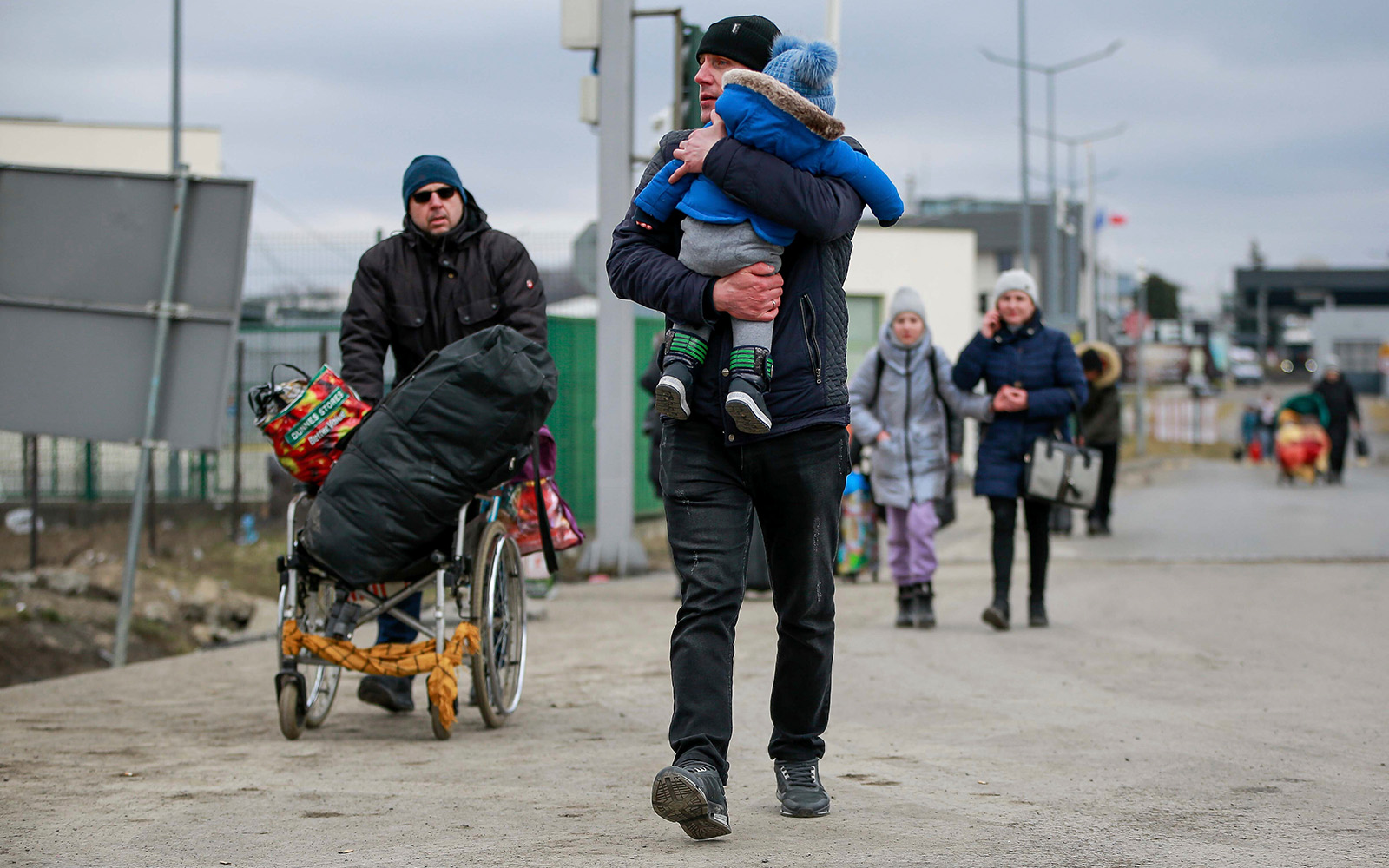
Currently, the crisis group has Russian and Ukrainian speakers volunteering at the border crossings with Ukraine to meet Jewish refugees as they cross.
The Jewish Agency representative, who grew up in Warsaw, has a booth at the capital’s main airport to help Ukrainian Jews immigrate to Israel directly from there.
There are also individual families in Lublin and Lodz taking refugees into their homes, said Schudrich. Other volunteers are preparing kosher food and bringing it wherever there is a need.
And more help is in the works. The crisis group is forming volunteer teams of lawyers, doctors, and psychologists to help the refugees set up their lives in Poland as long as they need to stay.
The community is ready to provide anything else that is needed, Schudrich said.
“You never know what comes up,” he said, “and whatever needs to be done, we do.”
Schudrich, who has been in Poland since 1990, explained that some of the refugees are actually quite wealthy, with influential backers in the United States.
“But they still need help,” he said. “There’s a limit to what money can do, in all of this.”
Poles in general have responded overwhelmingly to help their Ukrainian neighbors fleeing the fighting. Volunteers streamed to border crossing to offer free rides, and civic organizations have set up aid centers at train stations around the country.

Schudrich is not surprised by the response.
“There was never any love for Putin here. Russia and Poland have a certain history, and that was not positive,” he said. “There was immediately tremendous sympathy for Ukraine.”
Schudrich, who regularly meets with senior Polish ministers, said that the conflict in Ukraine could be key to ending the months-long diplomatic crisis between Poland and Israel.
Israel recalled its ambassador to Poland in August after Warsaw passed a law that severely restricts World War II era restitution claims.
Earlier this week, Foreign Minister Yair Lapid sent Israel’s designated envoy Yacov Livne to Poland to take up his post as ambassador.
“One of the very curious positive things that are coming out of this is that the Polish and Israeli governments are working together,” he said, calling the diplomatic tensions “frustrating and unnecessary.”
“We are two friends that don’t agree on one issue. We need to learn on both sides to express disagreement without blowing up the relationship,” Schudrich said. “Yes there was a disagreement, but there needs to be a maturity of diplomacy.”








The Times of Israel Community.