

Police ask to bar Qatargate suspect Urich from PM’s Office for another 60 days
Investigator tells Rishon Lezion court there are grounds to believe adviser’s presence would constitute a threat to national security
 Add ToI as a Preferred Source on Google
Jeremy Sharon is The Times of Israel’s legal affairs and settlements reporter
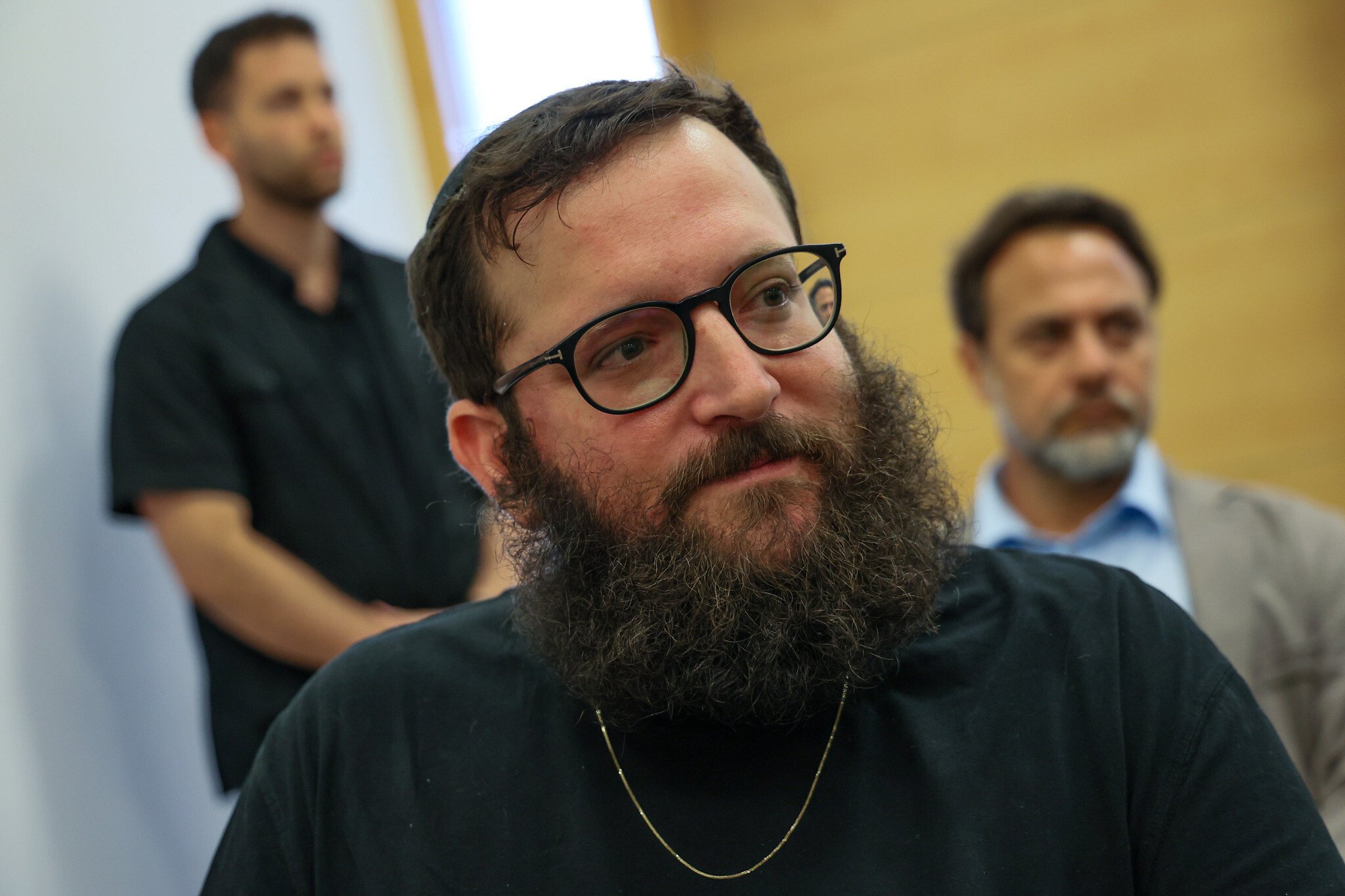
Police have asked the Rishon Lezion Magistrate’s Court to extend by a further 60 days the restrictions imposed on Jonatan Urich, the central suspect in the Qatargate scandal, banning him from contacting other figures linked to the affair as well as anyone working in the Prime Minister’s Office, including the premier himself.
During a court hearing on Wednesday, a police investigator told the court that the presence of Urich, a senior aide to Prime Minister Benjamin Netanyahu, at the Prime Minister’s Office could constitute a threat to national security, and that extending the restrictions on him was therefore necessary.
The investigator said that some but not all of the investigative actions that police had separately promised the Central District Court to complete before September 10 had been carried out. He explained that other actions “require the approval of the most senior officials in the Justice Ministry.”
The investigator was possibly alluding to a desire to question under caution cabinet ministers, and possibly the prime minister, over the affair and Urich’s role in it. The attorney general needs to approve such interrogations and investigations.
Urich, along with Netanyahu’s former spokesman Eli Feldstein, allegedly spearheaded a pro-Qatari public relations campaign to cast Qatar in a positive light for over a year after the October 7, 2023, Hamas attacks on Israel, despite the Gulf state’s strong ties to the terror group.
Urich is suspected of multiple offenses in the affair, including accepting a bribe from Qatar, contact with a foreign agent and breach of trust.
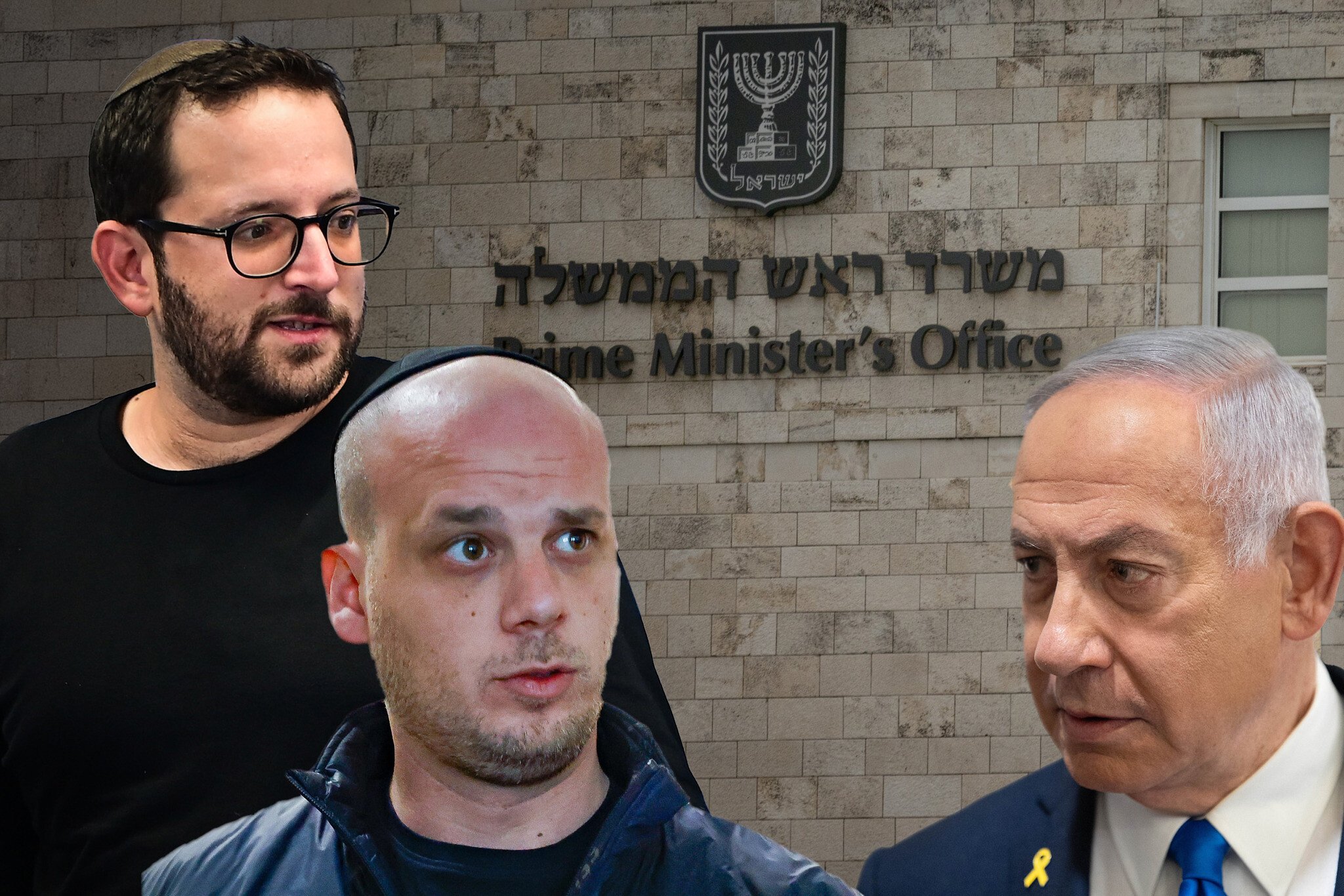
On August 15, Judge Menahem Mizrahi of the Rishon Lezion Magistrate’s Court ruled against a police request to extend the restrictions on Urich.
But the Central District Court ruled in favor of a police appeal against that decision the following week, extending those restrictions until September 10.
District Court Judge Amit Michles criticized Mizrahi’s decision, writing explicitly that he did not share his position that there was an absence of reasonable suspicion that Urich had committed the crimes he is accused of.
During the August 19 District Court hearing, police investigator Aviv Porat said that the Qatargate investigation had led to a “substantive suspicion” that following the October 7 Hamas atrocities, Israeli officials had worked to create for Qatar “an orchestrated plan…to change the negative narrative created against it” due to Doha’s funding of Hamas.
“This plan was approved by Qatari officials and was implemented. As part of the plan, many actions were taken to change Qatar’s image, including within the State of Israel, and the respondent [Urich], together with others, allegedly took an active part in carrying out that plan, all while working in the Prime Minister’s Office,” Porat told the court.









The Times of Israel Community.