

Police shut flooded roads as winter storm blows into central and southern Israel
Traffic blocked on Route 90 near Dead Sea, some highway lanes closed near Tel Aviv amid surging flash floods; major storm system forecast to taper off later Tuesday
 Add ToI as a Preferred Source on Google
Joshua Davidovich is The Times of Israel's Deputy Editor
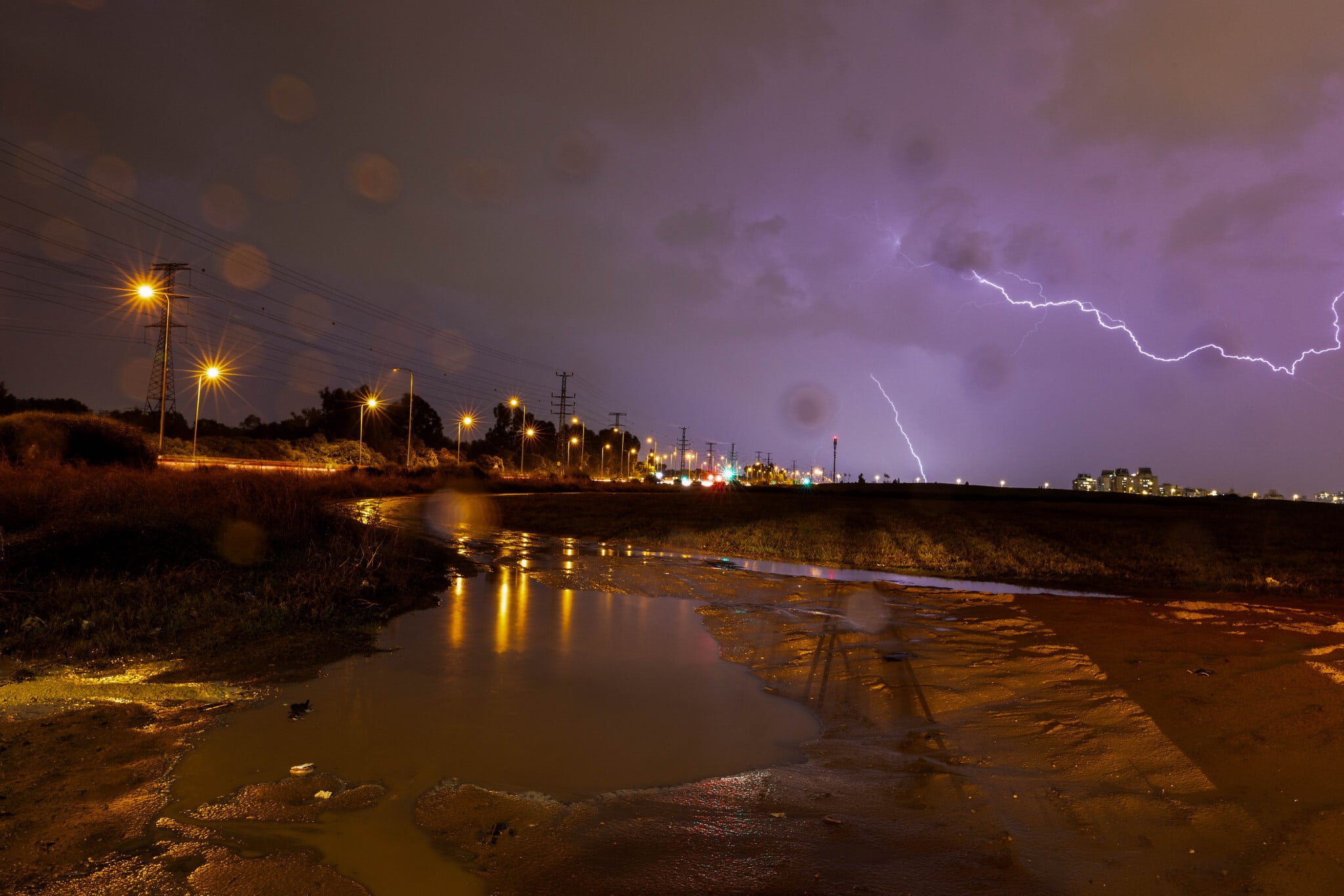
Winter rains lashing the region triggered flash floods and inundated roads Tuesday morning, forcing authorities to shut or restrict traffic on major highways near Ben Gurion International Airport and the Dead Sea. Heavy flooding was also reported in the coastal city of Ashdod.
The rainfall was expected to taper off toward Tuesday evening.
There were no reports of major injuries stemming directly from the stormy weather system.
In the Dead Sea area, including the West Bank, dry wadis were transformed into dangerous gushing rivers with enough intensity to sweep away hikers or cars, prompting police to shut down traffic on two sections of Route 90 at approximately 8 a.m.
The police traffic division said in a statement that all traffic on the two-lane highway was stopped from Metsuke Dragot to the Ein Gedi Junction in both directions, an approximately 15-kilometer (9.3-mile) stretch.
A separate statement from police said cars were being blocked from traversing a nine-kilometer (5.6-mile) section of the same road from the Lido Junction south of Jericho to the Ein Feshkha (Einot Tsukim) nature reserve “following flash floods and the erosion of the highway.”
Drivers were asked to avoid the area. Hikers had previously been advised that flash floods were probable.
ההצפות ברחבי הארץ: נחל דוד על כביש 90. גם באזור צומת הלידו נחסם לפרקעם בעקבות הצפות. נחלים ומפלים בדרום זורמים לאחר תקופה ארוכה של יובש. על המטיילים להיזהר לא להיכנס לאזור הנחלים עצמם. pic.twitter.com/ivkbhvh31b
— רחלי racheliy אבידר avidarms (@racheliy555555) December 31, 2024
לאחר הגשם הרב שירד הלילה בהרים, שטפונות גדולים כעת בערבה, תיעוד מנחל קומראן במדבר יהודה.
צילום צורי פיין pic.twitter.com/f4a6AIgCzN— שלמה ⛈️ מזג אוויר (@MezgAvirIL) December 31, 2024
In the center of the country, traffic police said they closed two eastbound lanes of the Route 1 freeway near Ben Gurion Airport.
One lane of the highway, the main artery connecting Jerusalem and Tel Aviv, remained closed off as of 11 a.m.
Police also closed one lane of Route 4, another major highway in the Tel Aviv area, near the Aluf Sade interchange, police said. A video shared online showed what appeared to be deep standing water on the side of the highway in Ramat Gan.
כביש 4 עכשו לא רחוק מהספארי@benikvodi pic.twitter.com/BTdoqKpf3d
— ????????Asaf Patay???????? (@AsafPatay) December 31, 2024
In Ashdod, several roads were shut as the city’s drainage infrastructure struggled to keep up with what the municipality described as a record-setting downpour, which dumped the wet stuff at a pace of 128 millimeters (5 inches) per hour.
טירוף גם בחופי הדרום ומערב הנגב, גשם שיורד ללא הפסקה, תיעוד מאשדוד המוצפת לגמרי. pic.twitter.com/feRzjjXw9g
— שלמה ⛈️ מזג אוויר (@MezgAvirIL) December 31, 2024
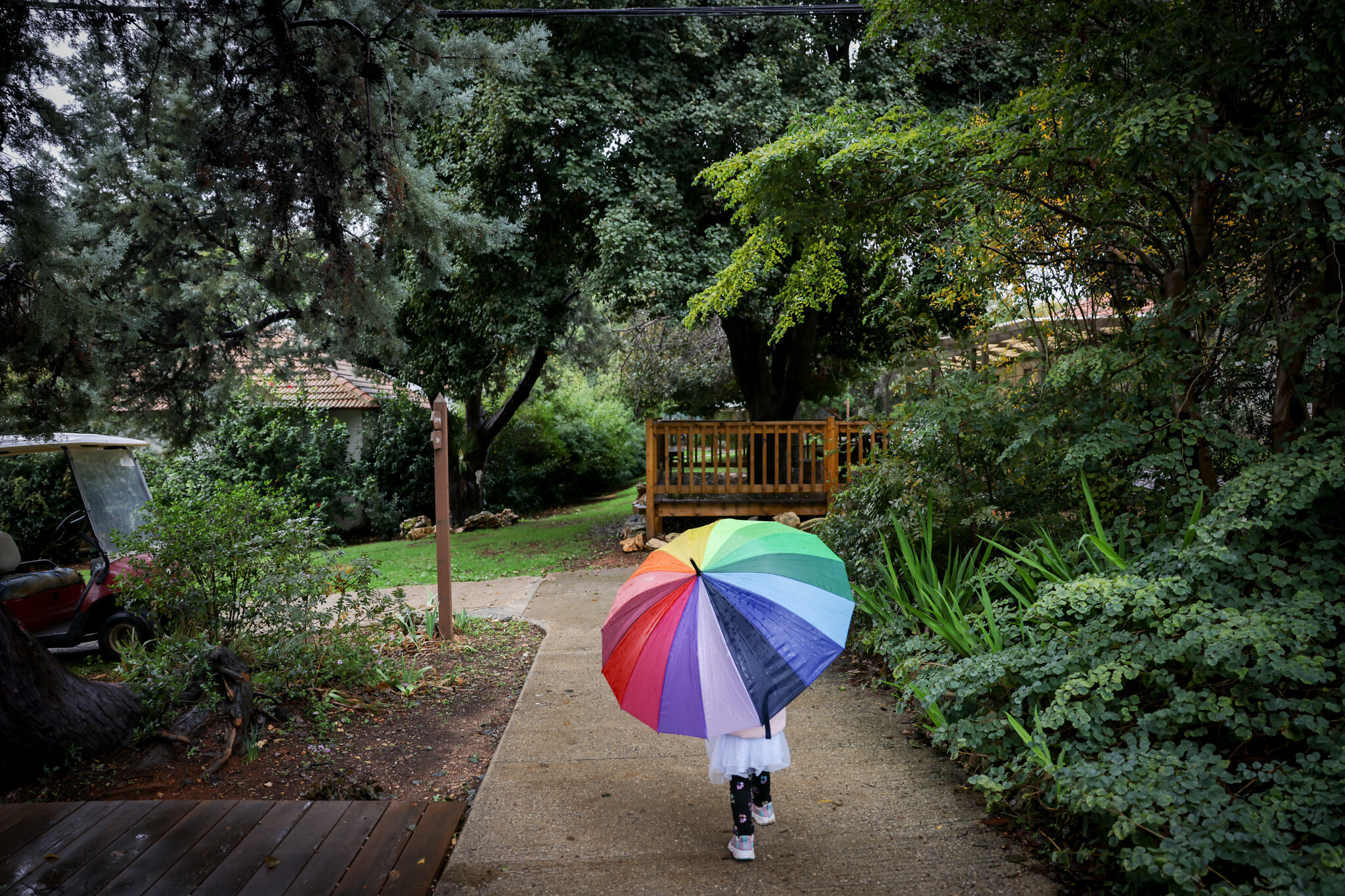
Rainy weather arrived in the region late last week and gradually strengthened before reaching its peak in the overnight hours between Monday and Tuesday. Winter floods have become almost a yearly occurrence in some Israeli cities, sometimes with deadly results.
Late Monday, lightning struck a home in Yavne, setting its roof on fire. The owners of the home told Channel 12 news that the home had previously been damaged by a rocket during the October 7, 2023, Hamas attack.
The Israel Meteorological Service said the storm would continue to buffet central Israel and inland for much of Tuesday before weakening toward the evening, though scattered showers were expected to continue in southern Israel into the first hours of the new year.
The system had been largely centered in the Lower Galilee and northern Sharon coast before Monday, bringing cold, blustery conditions and dropping as much as 200 millimeters (7.8 inches) on areas near Zichron Yaakov, which experienced record-setting rains earlier this year, according to the IMS.
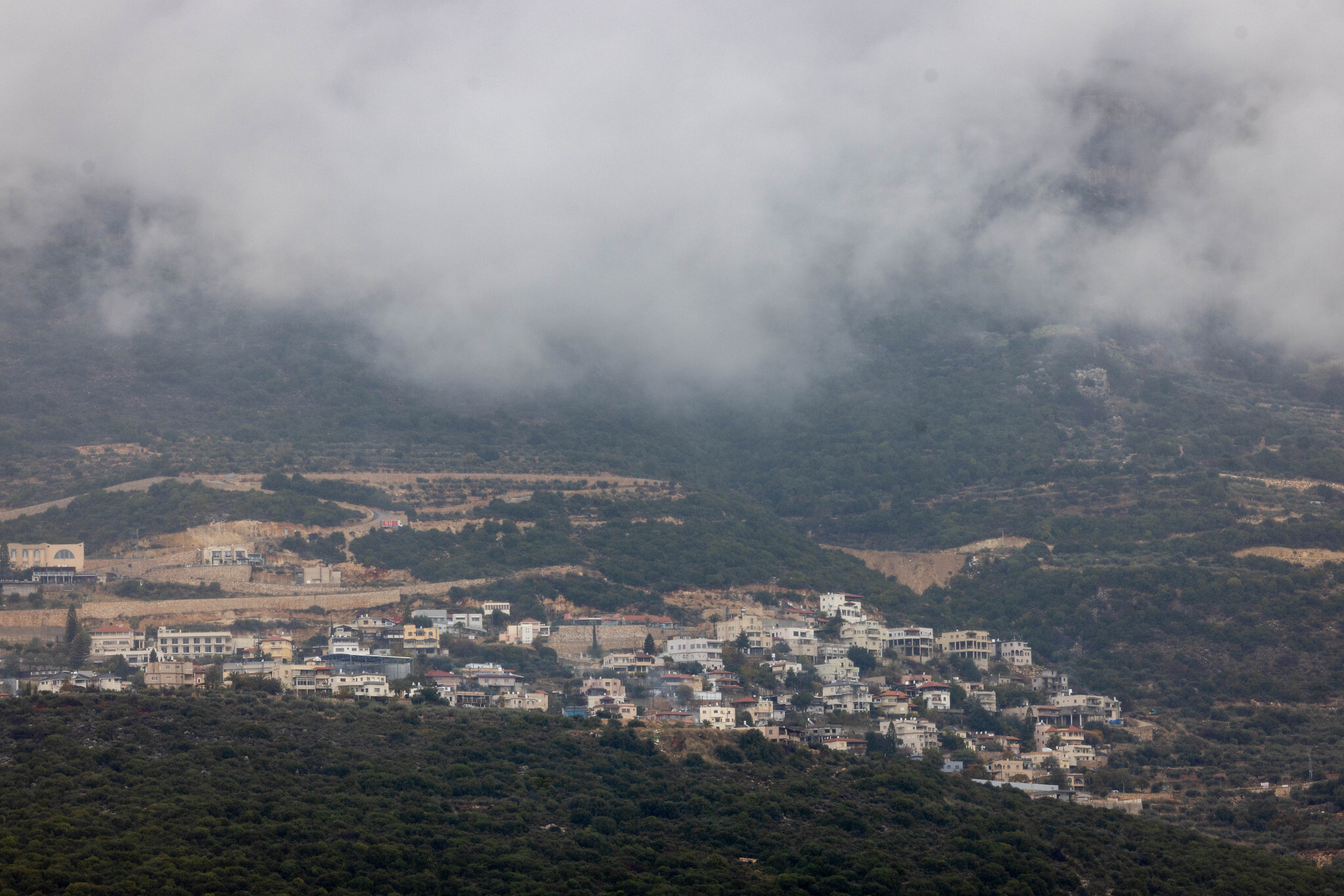
Last Thursday, rain totals in Haifa were the highest recorded since 1969, according to the IMS.
The weather has also been blamed for compounding misery in the Gaza Strip, where over 1 million people have been displaced by fighting, with many of them forced to weather the storms in poorly insulated tents.
Relatives and health officials in the Hamas-controlled enclave have reported four deaths of newborns in recent days from hypothermia, with a fifth infant in intensive care.
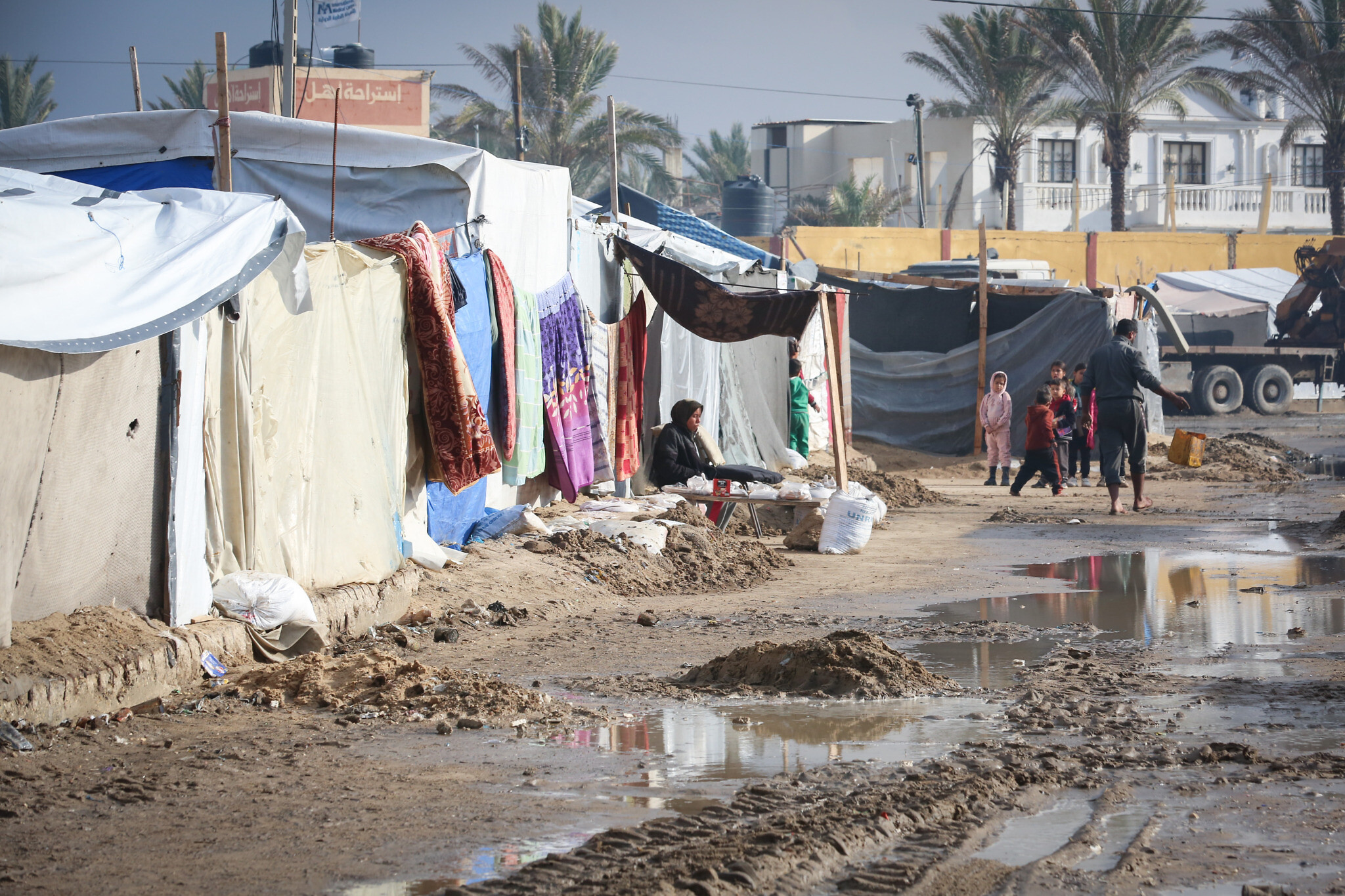
In encampments set up along Gaza’s coast, dozens of tents, many already tattered from months of use, have been blown away or flooded by the strong winds and rain, leaving families struggling to repair the damage, patching torn sheets of plastic and piling up sand to hold back the water.
“The water seeped inside and on the mattresses and my children’s clothes,” said Sabreen Abu Shanab, a mother of three whose tent was flooded. “They were sleeping and soaked wet to their underwear. …Everything is soaked, the blankets, the pillows, everything.”
Reuters contributed to this report.









The Times of Israel Community.