

Prominent environmental activist, academic hopes to be elected KKL-JNF chair
Parties, religious streams stay mum on chances of Alon Tal scooping political appointment in run-up to Zionist Congress in October
 Add ToI as a Preferred Source on Google
Sue Surkes is The Times of Israel's environment reporter

One of Israel’s most prominent environmental figures is challenging political and religious groups at the upcoming Zionist Congress to take seriously the KKL-JNF Jewish National Fund’s claim that it is Israel’s “top green organization,” by choosing him as its next chairman.
In his agenda for change, Prof. Alon Tal, chair of Tel Aviv University’s Department of Public Policy, says the organization has “lacked the leadership and vision to truly transform Israel into the international leader in sustainability that it could be.”
All major environmental organizations have signed letters to Blue and White party leader Benny Gantz and Yesh Atid head Yair Lapid asking them to publicly support Tal’s candidacy.
After co-founding the Green Movement, which ran in two Israeli elections, Tal joined Benny Gantz’s Israel Resilience party in 2019, taking 25th place on the Knesset list but dropping to the unrealistic 45th spot after Israel Resilience merged with Yesh Atid to form Blue and White (from which Yesh Atid has since split).

He was a key figure in drafting what became Blue and White’s green platform and is close to lawmaker and environmental activist Miki Haimovich.
Neither Blue and White nor Yesh Atid have been willing to publicly identify their preferred candidate, although it has been reported that the latter wants its lawmaker former IDF major general Elazar Stern to get the job. According to a report in the Calcalist newspaper, it could give Blue and White a Knesset seat in return if it agrees to back him as well.

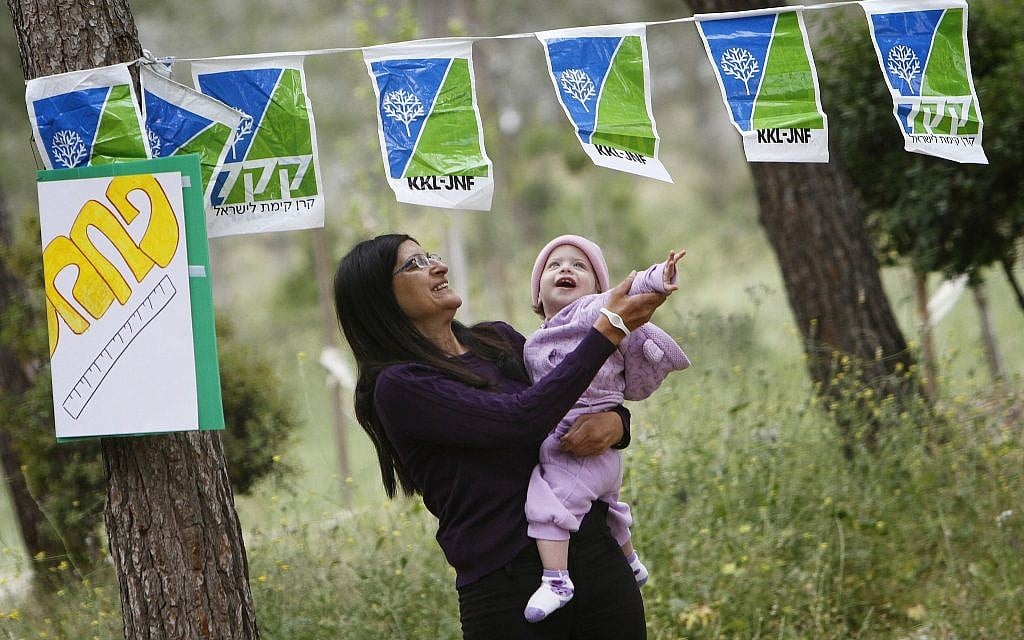
KKL, established in 1901 to buy and develop land for Jewish settlement and best known for the hundreds of millions of trees it has planted throughout Israel, serves as the Jewish people’s custodian for 13 percent of the land in the country, the management of which is carried out by the Israel Lands Authority. A kind of NGO, officially registered as a company, for the benefit of the public, it works in the fields of forestry, water, education, community development, tourism, and research and development.
Tal has presented a 10-point priority plan for the organization, which includes formulating a long-term strategy and updating legislation to sustainably save forests “that previous generations worked so hard to plant and nourish,” expediting Israel’s transition away from fossil fuels to renewable energy, expanding cycling path networks within KKL forests, increasing tree cover in urban areas to provide shade as the climate warms, and restoring KKL’s research budget to help ensure that Israel maintains its reputation as an international innovator in ecology, afforestation and agriculture.

Whether his environmental credentials will sway the vote remains to be seen, however. The chairmanship of KKL, as well as of the Jewish Agency, Keren Hayesod and World Zionist Organization, is a political appointment divvied up according to political considerations not necessarily related to specific experience, during negotiations between the political parties and religious streams represented at the World Zionist Congress in the run-up to its conference held every five years. This year, the confab is set for October 20 to 22.
“It’s nice to say that KKL is about green and afforestation,” said one informed individual. “But remember it’s actually a land development organization directed to purchase land on behalf of the Jewish people.” He said it was important to ensure that the organization could stand up to the politicians and maintain its independence.
As the biggest landowner in the country, KKL benefits from proceeds of the sale of land and from lease income. Its riches have made it a glittering temptation for politicians, and attempts have been made to nationalize it in the past.
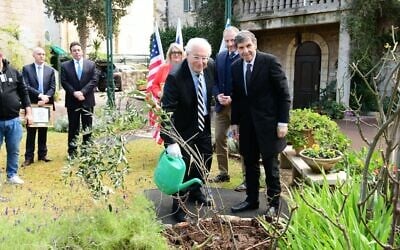
Over recent years, KKL has lost luster and support, alienating many Diaspora branches, which have split off and set up their own offices in Israel.
The current KKL chairman is Labor Party appointee Daniel Atar.
In his long career as an environmental activist and academic, Tal, who immigrated to Israel from the US 40 years ago, founded the legal advocacy nonprofit Adam Teva V’Din and the Arava Institute for Environmental Studies at Kibbutz Ketura in southern Israel, and has chaired the organization Life and Environment.
He has led KKL’s subcommittee on sustainability, which in 2005 drafted new policies for the organization’s forestry, reservoirs and streams restoration program. And he spent more than a decade, from 2006, chairing its Land Development Committee. In 2008 he received the Environment Ministry’s lifetime achievement award in honor of Israel’s 60th anniversary.









The Times of Israel Community.