

Prosecutors say they’ll indict settler accused of killing Palestinian activist
Yinon Levy to be charged with reckless homicide, with maximum sentence of 12 years, which family of victim Awdah Hathaleen says is insufficient as shooting appeared intentional
 Add ToI as a Preferred Source on Google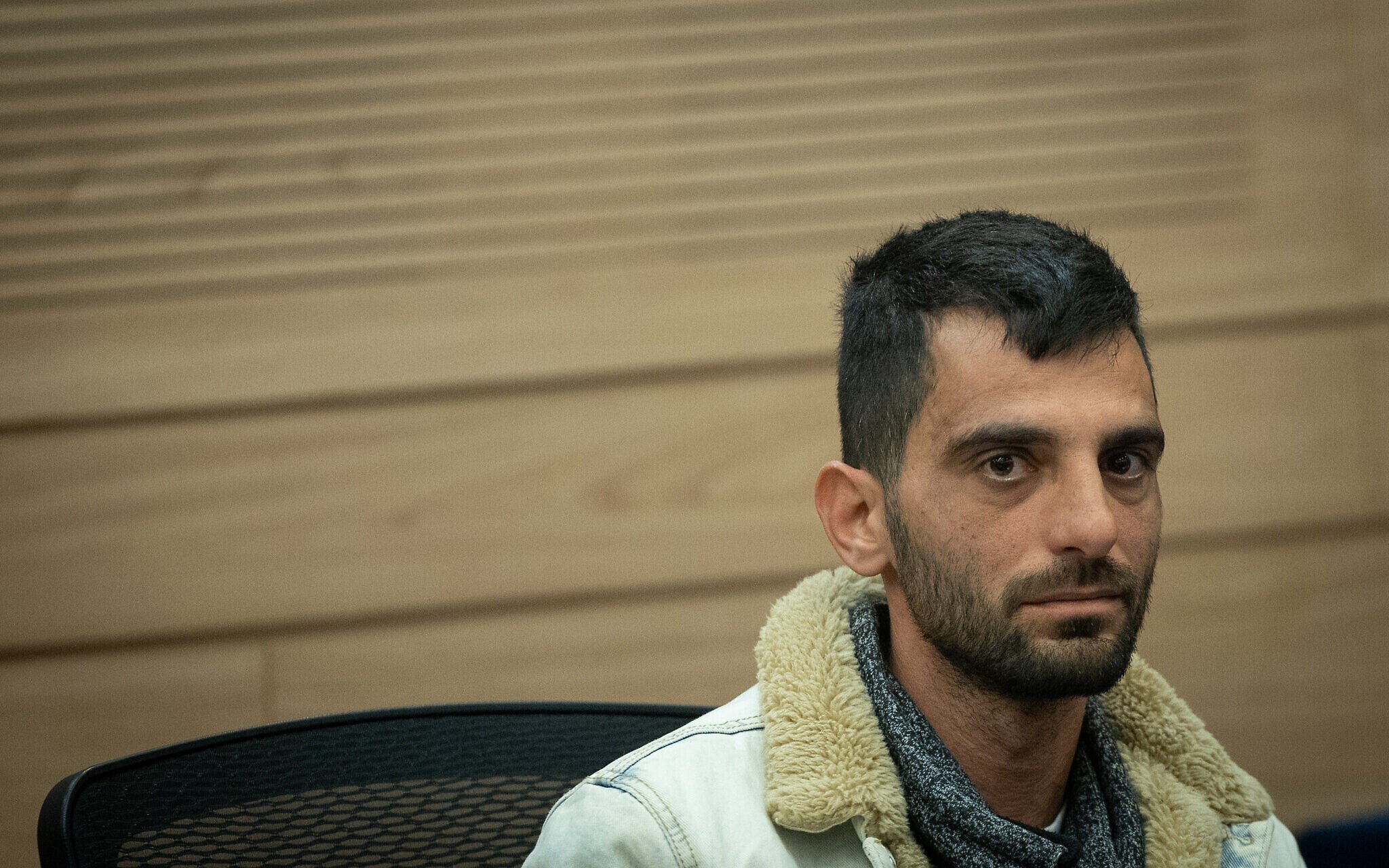
Prosecutors said Monday that they will file a reckless homicide indictment against extremist settler Yinon Levy for allegedly shooting and killing Palestinian activist Awdah Hathaleen during a confrontation in the southern West Bank village of Umm al-Khair on July 28.
If convicted, Levy faces a maximum prison sentence of 12 years.
An indictment against Levy would mark a rare instance of charges in response to settler violence, according to data from the Israeli rights group Yesh Din, which showed over 90 percent of cases in the years 2005-2025 did not result in charges and just 3% resulted in a conviction.
Instances of settler violence have soared since the Hamas-led onslaught of October 7, 2023, which sparked the war in Gaza. The Hathaleen family’s lawyer, Eitan Peleg, was quoted by Haaretz as saying he hoped the charges against Levi would serve as a “warning to all the criminals.”
“Enforcement in the West Bank, as far as crimes by Jews against Palestinians go, is practically non-existent,” he said. “In that sense, it’s a good decision.”
Khalil Hathaleen, Awdah’s brother, said the family was glad some measure of justice was being pursued but felt the charge of “reckless homicide” was insufficient.
“It was an intentional killing in broad daylight, with prior intent and premeditation,” he said.
Hathaleen, 31, was shot dead as Palestinians in Umm al-Khair faced off with Levi and other settlers who allegedly damaged trees and a water pipe while operating an excavator inside the village.
ינון לוי יורה לעבר פלסטינים בכפר אום אל־ח'יר, היום
קרדיט: שימוש לפי סעיף 27א' לחוק זכויות יוצרים pic.twitter.com/LMYTcPGufq— הארץ חדשות (@haaretznewsvid) July 28, 2025
Some locals threw stones at the settlers, but Hathaleen was not among them and was standing some 30 meters (33 yards) away from Levi, behind a fence, according to eyewitnesses cited by Haaretz.
In footage from the clash, Levi could be seen standing in front of the excavator, waving a gun. Separate footage, shot by Hathaleen himself, shows Levi pointing a gun toward the activist, who falls to the ground.
Levi has claimed in court that he was acting in self-defense and that Hathaleen was killed by bullets from another gun.
The settler was detained the day of the shooting and released a day later to a 72-hour house arrest that the court refused to extend, even as Hathaleen’s body and 17 residents, mostly male relatives of the activist, remained in Israeli custody.
ינון לוי, המתנחל שהרג את עודה הדאלין, טען בבית המשפט שזה לא הוא. השופטת, חוי טוקר, השתכנעה, ושיחררה אותו ממעצר בית. "העדר קשר סיבתי בין הירי שביצע לבין מות המנוח". זה בולשיט. עודה תיעד את מותו: בסרטון שמתפרסם כעת ינון נראה מכוון אליו את האקדח, יורה, והורג אותו בדם קר. > pic.twitter.com/CFATEvrRdq
— Yuval Abraham יובל אברהם (@yuval_abraham) August 10, 2025
Following the shooting, the IDF declared a closed military zone in Umm al-Khair, expelled mourners for Hathaleen and disrupted efforts to bury his body, demanding that Hathaleen’s family accept conditions such as limiting his funeral to 15 people before the army returned his remains.
The activist had been featured in “No Other Land,” a 2024 Oscar-winning documentary about Israel’s demolition of Palestinian homes in the Masafer Yatta enclave south of Hebron.
Levi is the founder of nearby illegal farming outpost Meitarim Farms. He also owns a construction and demolition company that is subcontracted by the IDF to carry out demolitions of illegal Palestinian construction in the West Bank. Levi has also performed demolition work for the army in Gaza City amid the war in the Strip.
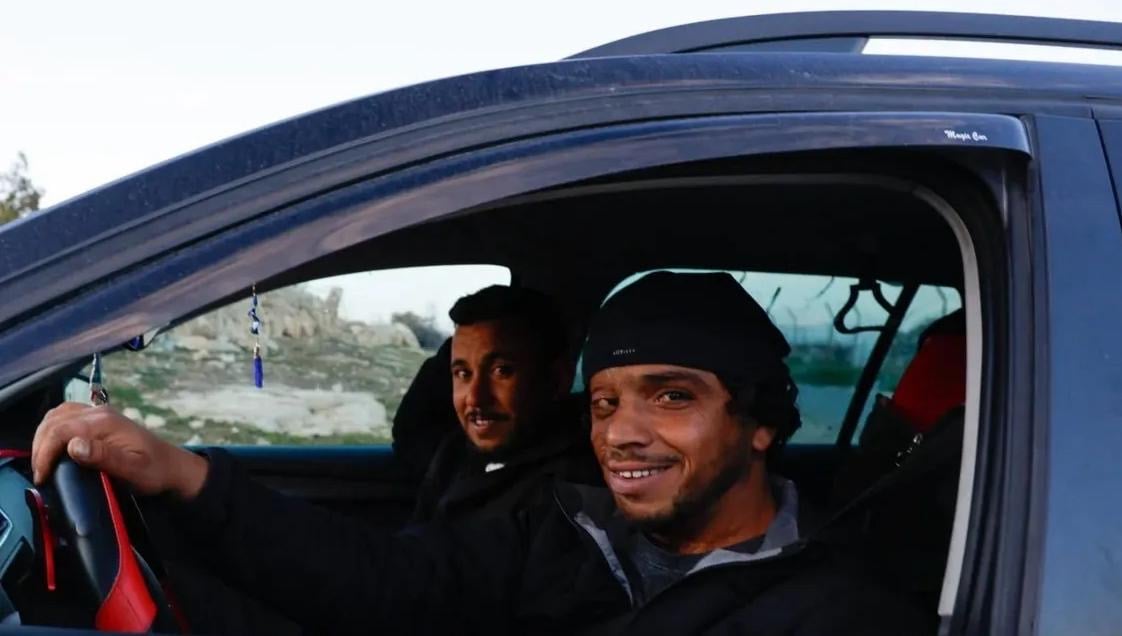
Civil rights organizations have repeatedly accused Levi of using Meitarim Farms as a base from which he and young settler extremists intimidate and attack local Palestinian communities such as Khirbet Zanuta, whose residents fled their homes in October 2023 in the face of such harassment.
Levi is under sanctions imposed by Canada, the United Kingdom and the European Union. He was also one of a group of settler extremists who were sanctioned by the administration of former US President Joe Biden, but those sanctions were lifted shortly after US President Donald Trump took office on January 20 last year.
Jeremy Sharon and Ariela Karmel contributed to this report.



The Times of Israel Community.