

Radical online content derails students hungry for info on Middle East conflict, study finds
Amid a sea of contradictory claims, high schoolers often believe whatever is most repeated in their social media feeds; better education is the answer, says Chapman University report
 Add ToI as a Preferred Source on Google
Zev Stub is the Times of Israel's Diaspora Affairs correspondent.
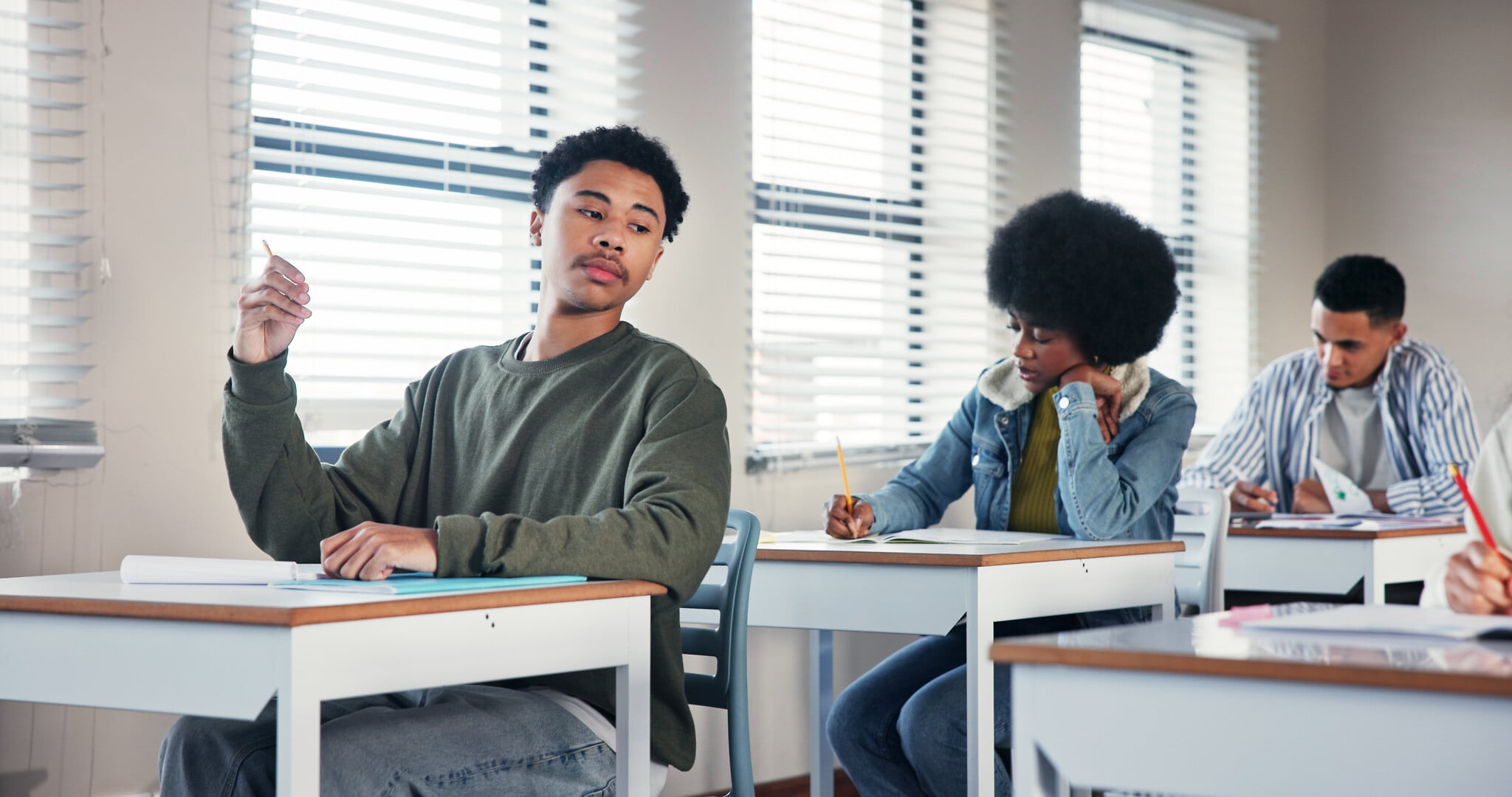
Exposure to radical online content, coupled with an educational system in which educators are wary to wade too deeply into politics, are impeding Jewish and non-Jewish teenagers across the United States as they’re pushed to forge political stances on the Israeli-Palestinian conflict before they have the knowledge or context to do so, claims a new report by the Or Initiative at California’s Chapman University.
The report, titled “Coming of Age in Polarized Times: Teaching Civil Discourse in a Digital Era,” paints a portrait of a generation that is technologically sophisticated but exhausted from misinformation, frequently concluding that “nothing is true” amid a sea of contradictory online claims.
The research, which included interviews with students, educators, and curriculum designers, found that teens today often encounter contentious news stories long before they have the context to process them.
“We begin with the Israeli-Palestinian conflict precisely because it is so hard,” said Vikki Katz, executive director of Or Initiative and the Fletcher Jones professor in Free Speech in the School of Communication at Chapman University. “For many students — especially those who are Jewish, Muslim, and Arab — this is not an abstract geopolitical story. It shows up in their feeds and friendships and affects their sense of belonging.”
Classrooms remain one of the last places where students can learn systematically, ask questions, change their minds, and see peers do the same, the report found. However, many teachers feel like they are in a “pressure cooker,” caught between a moral obligation to teach their students and a fear of political blowback from parents or school boards.
Meanwhile, the pervasiveness of extremist content on social media leads many teens to assume that their peers hold extreme views, even when that is not actually the case. As a result, many young people disengage from learning or self-censor at exactly the moment when they are most in need of opportunities to learn, question, and talk out ideas.
“Our findings suggest that combating antisemitism and building civic muscles requires more than condemning hate — it requires equipping educators to foster classroom climates where evidence matters, moral complexity is allowed, and students are not forced into false binaries,” Katz said.

The Or Initiative is a new project dedicated to helping young people and educators navigate civil discourse and learning in polarized times. Research for the report included interviews with 52 students in 8th and 11th grades from multiple schools in Southern California and New York City, along with teachers and leaders in their schools.
Researchers also conducted a comprehensive review of 84 organizations currently providing curricula in civil discourse, media literacy, peace/conflict education, and other related areas, and conducted in-depth interviews with course designers from 22 of these organizations, the organization said.
A vicious doomscrolling cycle
The study found that while social media has become the primary news source for many, its ephemeral nature makes it difficult for young people to verify claims or check sources. It described a phenomenon of “emotional whiplash” where students scroll seamlessly between lighthearted humor and harrowing footage of war.
“Posts disappear into the scroll, making it hard to return to sources, compare claims over time, or understand how ideas evolve,” the authors noted in the report. This environment has led some students to adopt a “majority rules” approach to truth, believing whatever is repeated most often in their feeds.
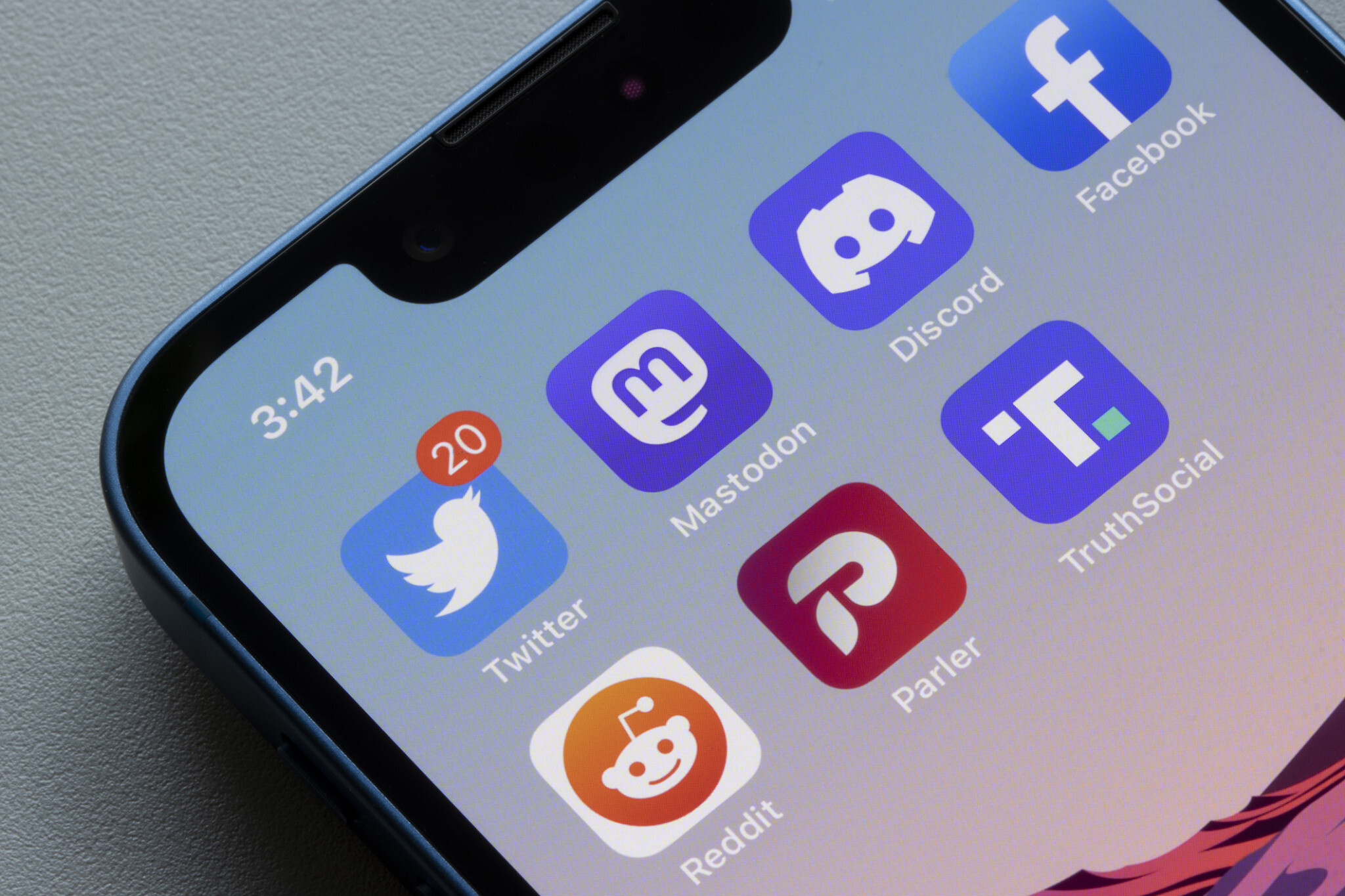
Many teens avoid asking adults for help navigating disturbing online content because they fear being met with criticism or device restrictions, the report added.
Many students see their classrooms as the only place they can learn and ask questions without prejudice. However, while they know that it takes courage for teachers to broach tough topics, students notice when teachers avoid discussion or cut conversations off abruptly, and that leaves them feeling more anxious and confused than before, the report found.
Educators, meanwhile, see talking about tough topics as core to their professional responsibilities, but they face a barrage of pressures from administrators and parents to meet academic standards and respect community beliefs. There is also a fear of saying something that will explode into “the next viral controversy,” it added.
Teachers who try to create “small sanctuaries” for thoughtful reflection and dialogue often find that, without institutional backing and curricular support, these efforts are isolated and fragile, the report noted.
Very few resources bring together content about the Middle East conflict, civil discourse and discussion, and work on digital literacy and information evaluation in an integrated way that would provide students with tools they could apply to future experiences. More work in this field is needed, the report concluded.









The Times of Israel Community.