

Refusing to face tough questions, Netanyahu blackballs media to public’s detriment
PM keeps reporters off his taxpayer-funded plane, doesn’t give briefings to the traveling press and access is increasingly politicized — all ahead of a critical election

 Add ToI as a Preferred Source on Google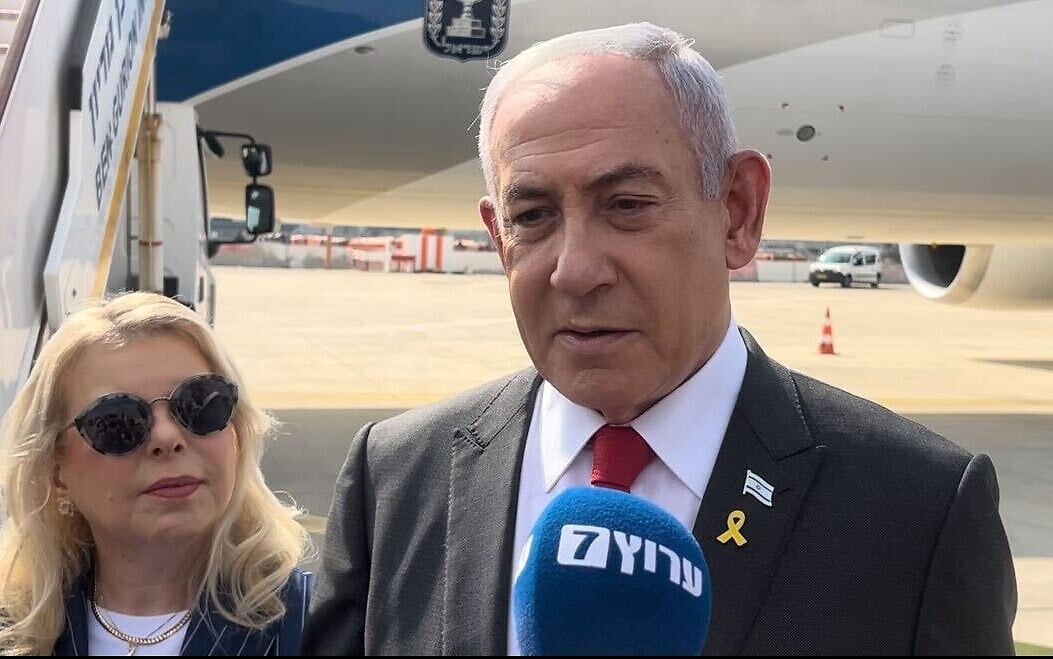
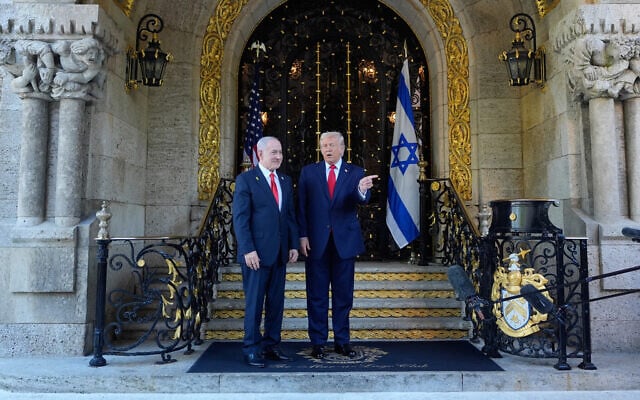
Through his five meetings with President Donald Trump in the US over the past year, Prime Minister Benjamin Netanyahu has deftly guided the bilateral relationship through substantive disagreements on Gaza, Lebanon, Syria and Israel.
He has also damaged Israel’s ability to achieve similar victories in the future by steadily undermining the ability of Israel’s traveling press corps to cover his taxpayer-funded travels.
No matter where one stands on Netanyahu — and the conversation around Israel’s longest-serving leader is nothing if not polarizing — the dwindling press access at his direction should dismay and worry those who care about Israel’s future.
The prime minister’s overseas trips are of utmost importance for the future and security of Israel. Netanyahu’s five flights to the US this year enabled him to cement a close and extremely productive relationship with the world’s most powerful man.
As the prime minister put it on Monday, the most recent trip “contributed to strengthening the dual relationship — both between Israel and the United States, and, of course, the personal relationship between us.”
Israel’s public and its supporters around the world have a right to know what is happening on these trips, and not just from the mouths of government spokespeople liable to spin the narrative in the prime minister’s favor.
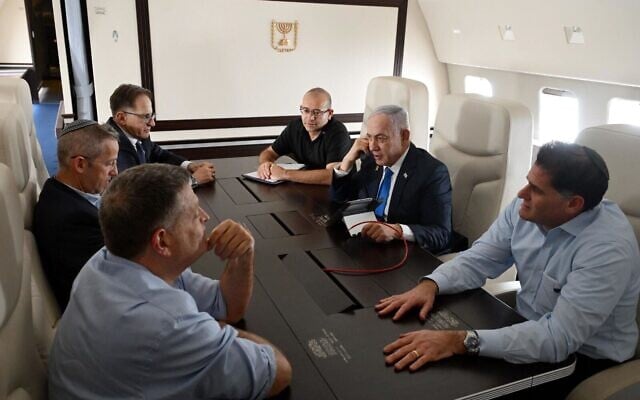
Netanyahu’s new official plane Wing of Zion, which cost the public over $200 million to purchase and outfit, and which costs taxpayers over $200,000 each time it makes a transatlantic flight, has a dedicated press section in the back for journalists covering official trips to ride along. As with the American Air Force One, the press delegation is meant to join these trips to let the voting public know how their elected representatives spend their time when traipsing abroad on the public’s dime.
Unfortunately, Netanyahu has decided not to bring the traveling press corps on Wing of Zion on the last two trips to the US, including the recent visit to Mar-a-Lago. Instead of receiving images and details of the trip from reporters with access, the Israeli public is instead forced to rely on whatever limited and curated information is released by government spokespeople.
Israel’s reporters scramble to find suitable flights at the last minute to cover the visits as best they can, and their effectiveness is limited.

Traditionally, prime ministers and other senior officials who fly abroad grant off-the-record briefings to the traveling press corps, giving them a chance to engage in an open and free-flowing conversation and grapple with the administration’s thinking on whatever issues are at stake.
But in the past year, that has stopped under Netanyahu, who has taken to avoiding the press corps, further limiting the voting public’s ability to gain understanding of and insight into these meetings.
What access is granted is increasingly reserved for outlets that provide positive coverage, rather than ensuring that there is a fair and transparent method of selecting the media pool that enters the various press conferences, as is done in the White House.
That’s not all. On his foreign trips, Netanyahu consistently avoids granting interviews with his traveling Israeli press corps. Instead, he sits for softball interviews with foreign outlets — almost always Fox News and another conservative channel — the ever-loyal Channel 14, and fawning podcasters.
Even when at home, the prime minister rarely grants sit-down interviews with the media that isn’t openly supportive of him.
Netanyahu’s most recent such interview was with Channel 13 in September, and with the Kan public broadcaster in June. He almost entirely avoided potentially critical Israeli media throughout the war that began with Hamas’s invasion on October 7, 2023, though he has given occasional press conferences.
The campaign to limit media coverage comes as Netanyahu’s government works to shut down Army Radio, a source of balanced coverage despite the outlet belonging to the IDF.
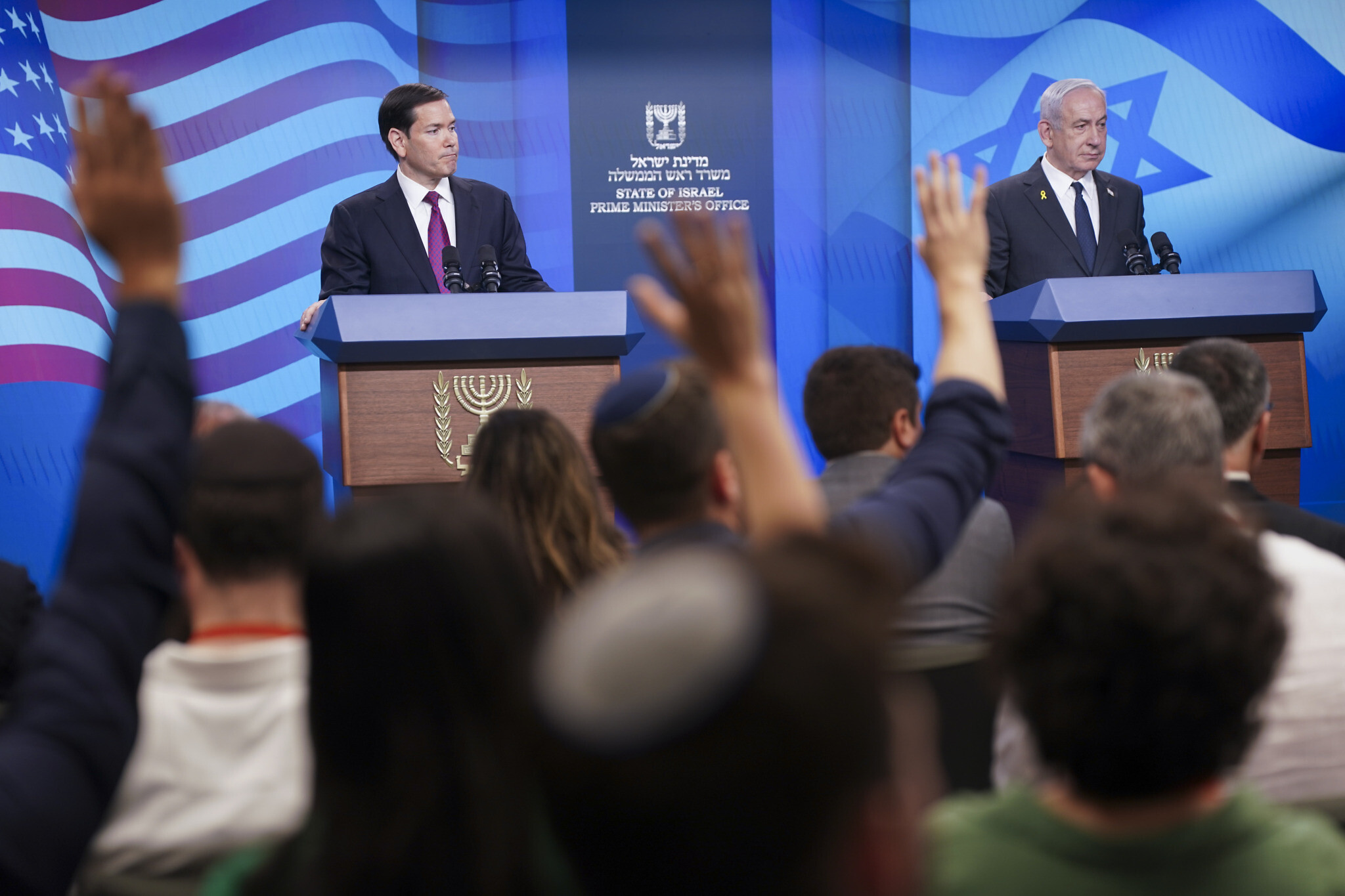
Obviously, there is a need for certain information to remain classified and for some limitations on the media’s access and the voting public’s right to know. But that is quite different than a blanket attempt to limit access and control coverage as much as possible.
This trend is even more surprising given Netanyahu’s ability to think on his feet and handle tough questions from the press. There are a few world leaders who should be less worried about navigating media pushback than Israel’s eloquent and highly intelligent leader.
Netanyahu’s approach to the press contrasts starkly with that of his frequent host. Trump, though prone to insulting outlets and individual reporters, basks in the attention, and will dedicate a half-hour before and after meetings until he feels that the reporters have asked all they have. He famously heads back to chat with the US traveling press corps on his plane.
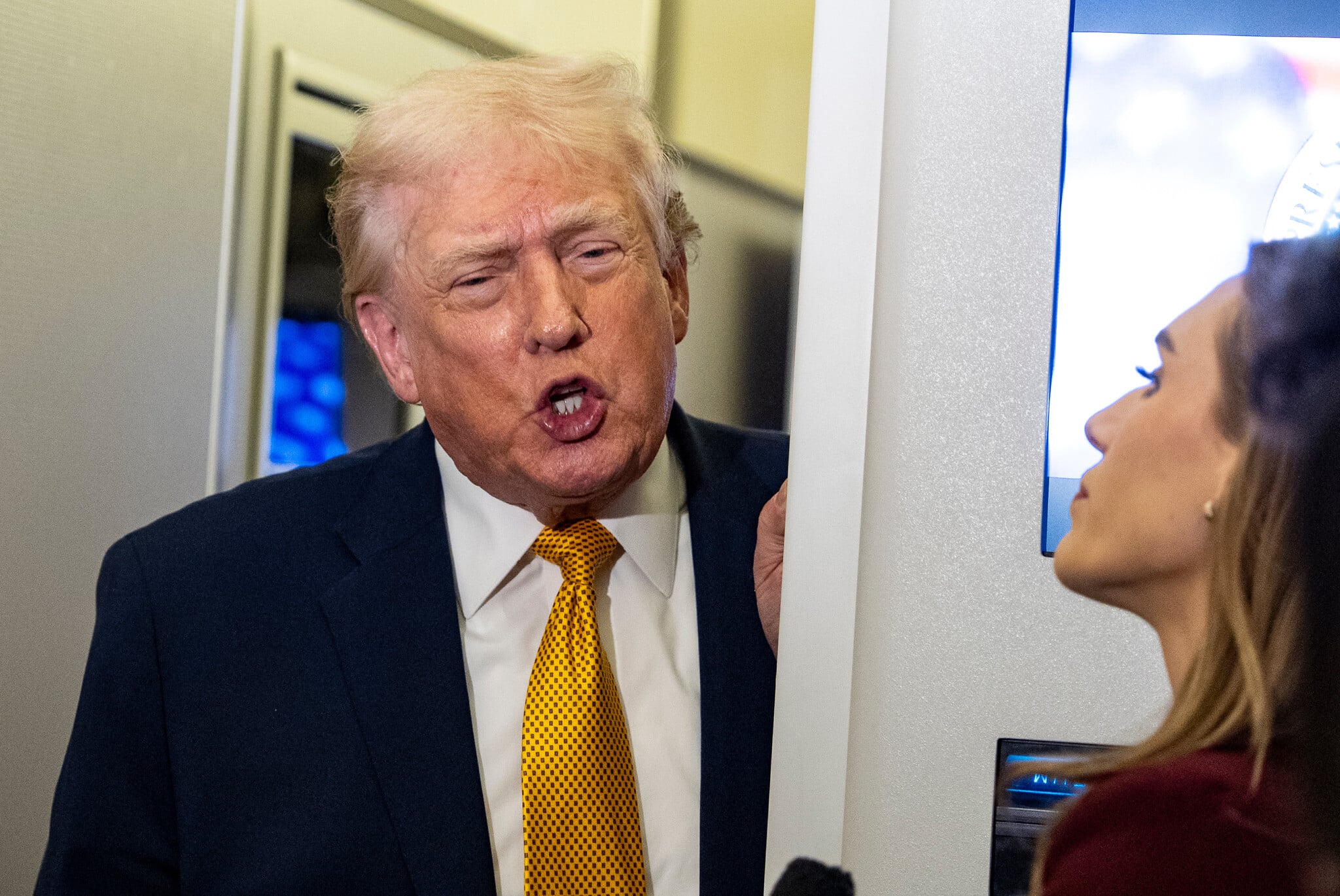
At Mar-a-Lago last week, Trump even invited the Israeli and American reporters into the club’s lavish dining room for a hamburger lunch served by the resort’s waitstaff while he and Netanyahu met.
Netanyahu’s avoidance of the press comes despite him having much to crow about, after a period that saw the premier lead military campaigns that left Israel’s most dangerous foes overmatched and demoralized. Press access is a fundamental aspect of Israel’s democratic character, without which those very achievements may not have been possible.
Because Israel has an energetic free press, incompetence, corruption and misguided philosophies can’t simply be hidden behind government propaganda. Identifying shortcomings, and holding elected officials accountable to their promises, creates a constant process of improvement that rigid autocratic countries can’t match.
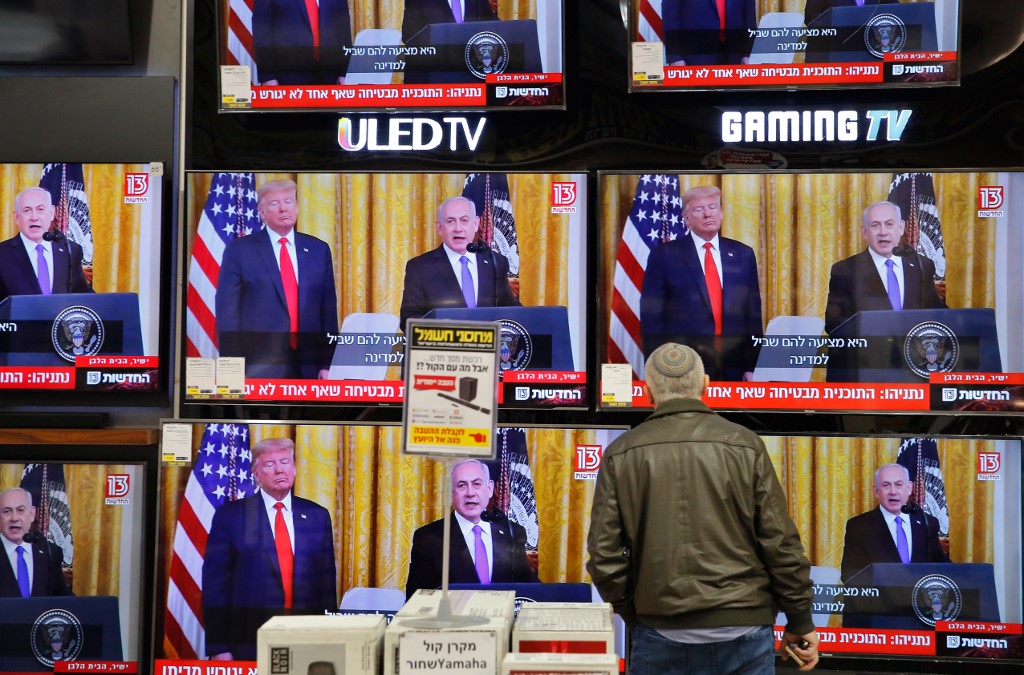
Without adequate press access — especially for outlets that aren’t afraid to criticize Israel’s governments, regardless of who is in power — Israel’s public is left with the inherently incomplete version of events put forth by official spokespeople, and the hollow impression of journalism done by the growing numbers of loyal outlets. Success in Israeli politics becomes not an issue of transparency or competence, but one of controlling information.
Israel’s public has some responsibility here too. Israelis don’t have many opportunities to express their complex political opinions — on the national level, their entire stance has to be distilled down to one voting slip every few years — so they would be well-served to insist that as much information be available to them as possible in order to make well-informed choices.
With a national election coming up this year, now is the time to demand that access. But because of those elections, it may be even less likely to be granted.








The Times of Israel Community.