

Report details further allegations that Gaza flotilla activists were abused by Israel
New York Times interviews some 2 dozen activists, most alleging physical, and in 1 instance, sexual, assault; Israel has repeatedly denied the claims
 Add ToI as a Preferred Source on Google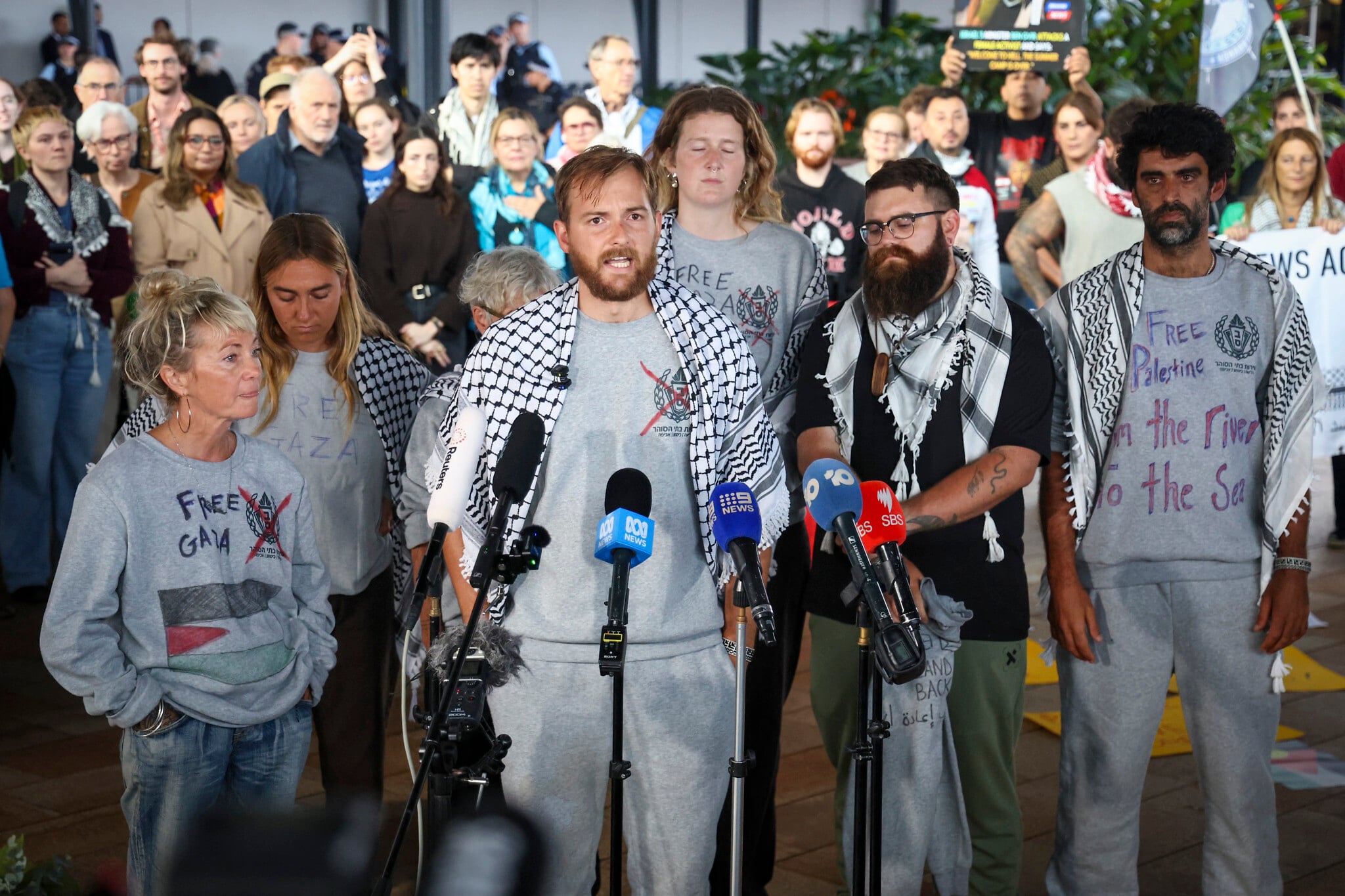
An investigation published Friday by The New York Times expanded allegations of physical and, in some cases, sexual abuse made by Gaza flotilla activists after they were detained at sea by Israeli forces and briefly jailed in Israel before being deported earlier this year. Israel has repeatedly denied the allegations.
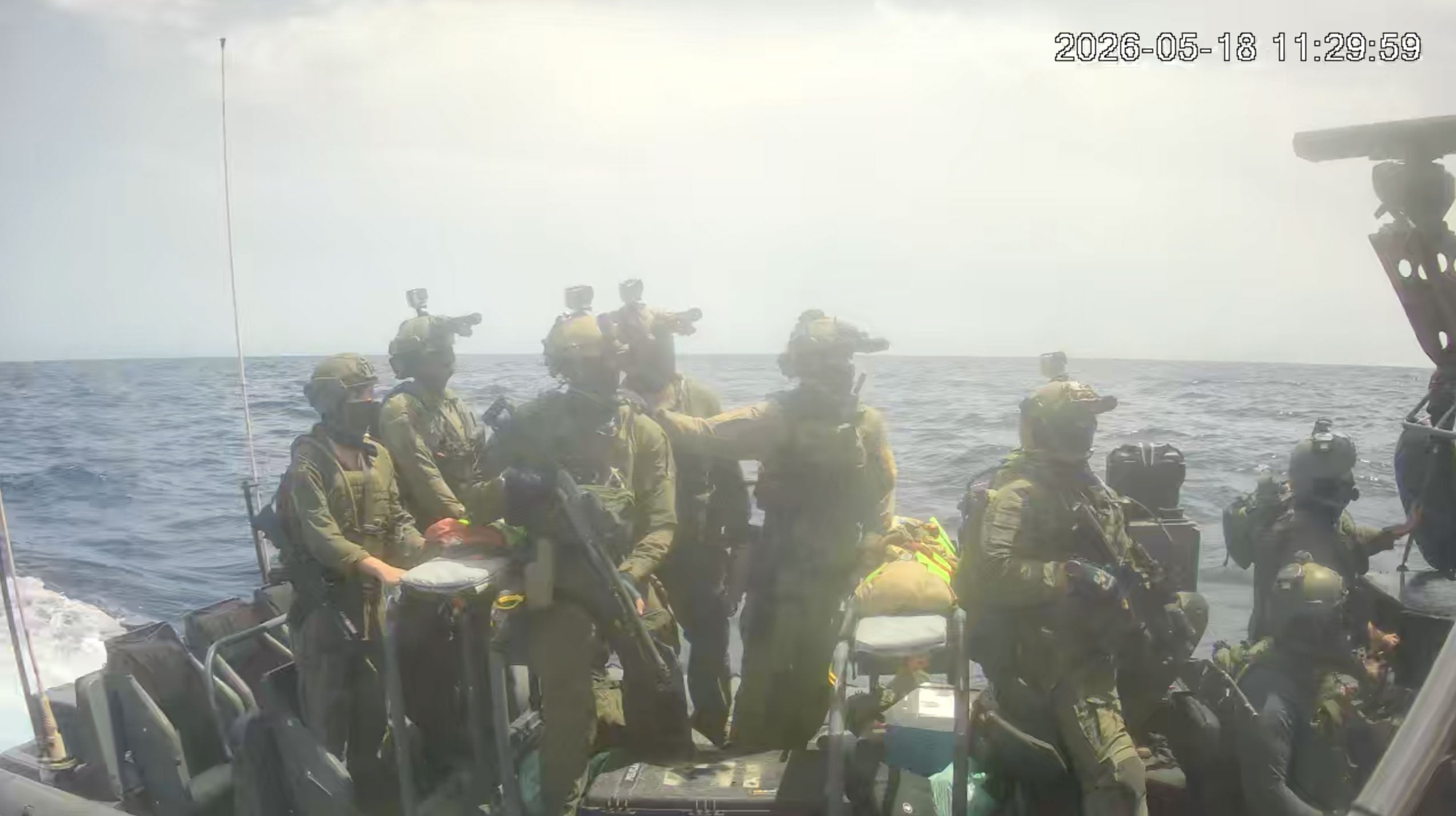
Israel detained more than 430 activists from countries around the world after intercepting them in international waters beginning on May 18 as they made the latest in a string of attempts to break Israel’s naval blockade of Gaza.
Activists immediately began alleging abuse in interviews with Israeli legal aid groups and then after returning home, fueling growing international outrage after far-right National Security Minister Itamar Ben Gvir posted a video in which he was seen taunting activists, who were forced to kneel on the ground, with their hands tied, at an Ashdod port facility.
The New York Times said that it had interviewed 24 activists, 23 of whom spoke on the record. They also said they reviewed the medical records with the activists’ consent.
Of those who spoke to the paper, 22 said they were physically assaulted, one person said she witnessed an assault, and the 24th, a doctor, said she had tried to treat the wounds of those injured.
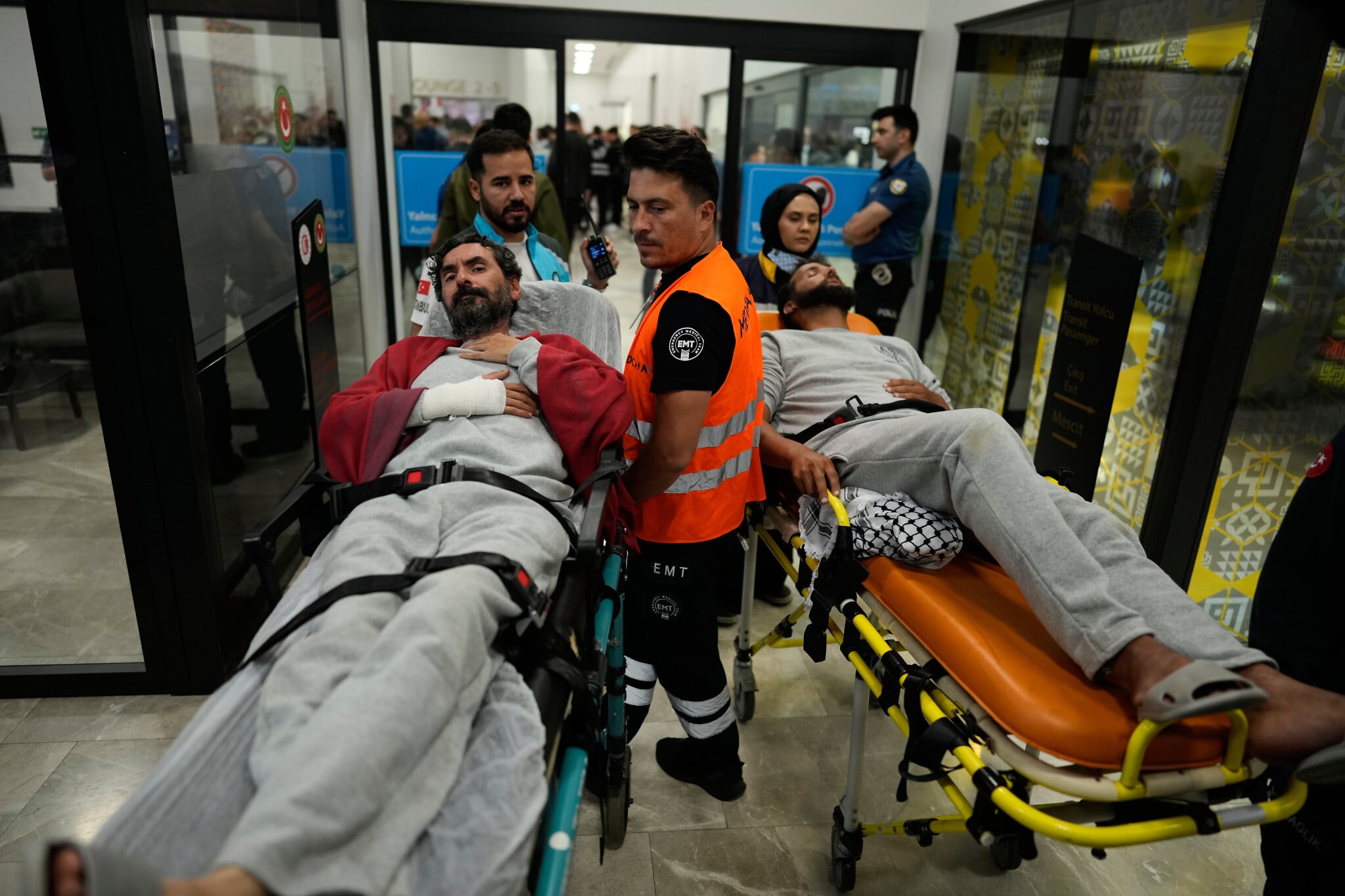
Among the allegations, activists said that they had been beaten, shocked with tasers and shot with what they described as rubber bullets or beanbag rounds.
The paper said that seven claimed to have been hospitalized, with six providing medical records indicating “they had variously suffered fractured ribs, a fractured vertebrae, a broken coccyx, a firearm wound and a collapsed lung.”
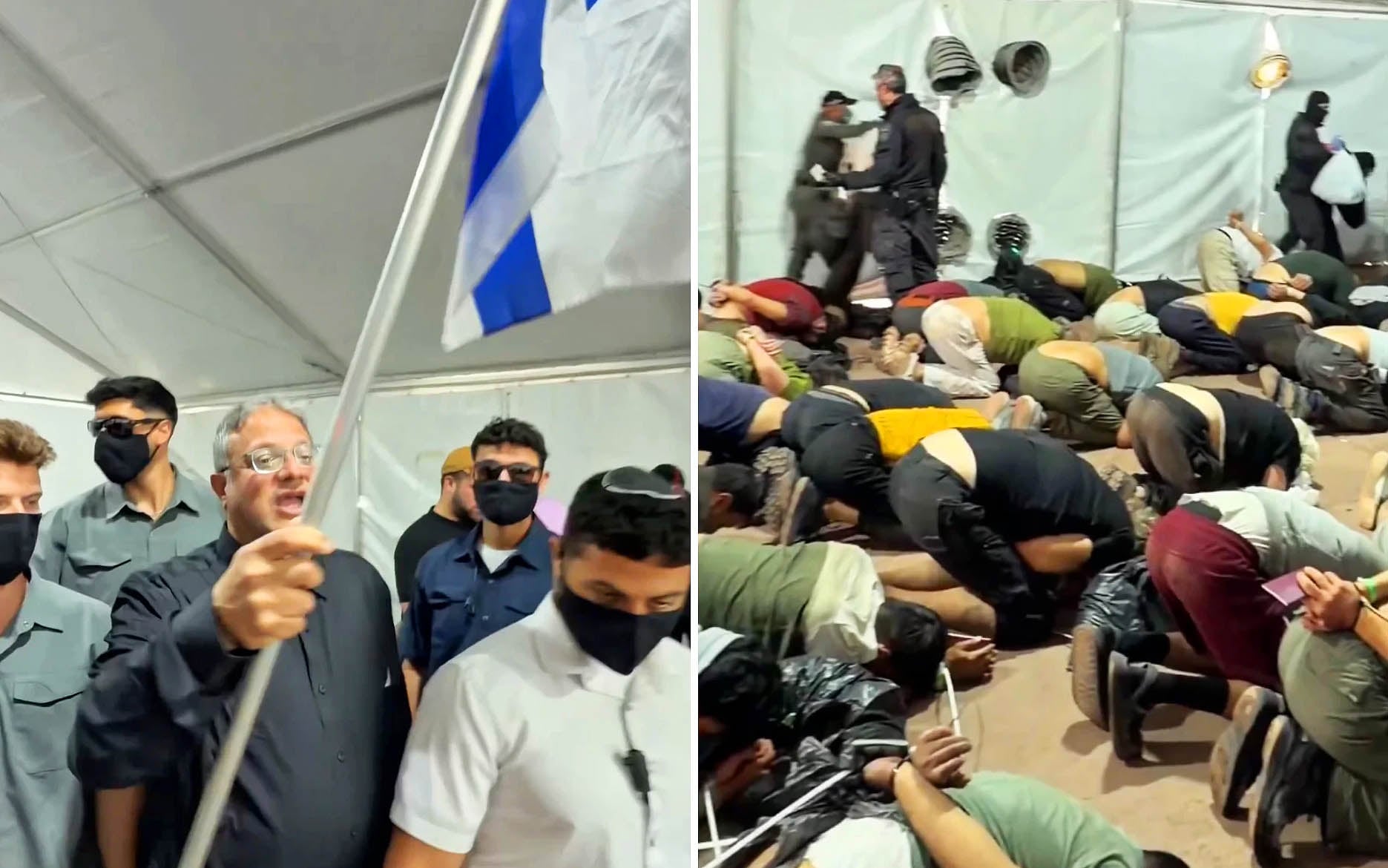
Many described being assaulted on a ship while being taken back to Israel. There, they described guards throwing stun grenades at the activists and shooting rubber bullets.
Others described being taken into a shipping container on the prison boat and being assaulted by guards, including being punched and kicked while bound.
Juliet Lamont, 55, an Australian activist and filmmaker, told the paper she was physically assaulted and raped in the container.
Lamont claimed she was taken into the container with her hands and feet bound. She said she was attacked by five men who punched her in the ribs and face and pulled out clumps of her hair.
She claimed that at one point her underwear was pulled down and something was inserted into her vagina. “It was big enough to be a hand,” Lamont told the paper. “It didn’t feel metallic enough to be a gun.”
The report said that Lamont had a rape test eight days later at an Australian hospital. The paper said it had received a letter from the local sexual assault service in New South Wales that confirmed it had provided her with an “acute response” at an emergency department, followed by “ongoing therapeutic support.”
The letter did not detail the results of the test, the paper said.
Lamont has previously made the allegations, which Israel’s foreign ministry have dismissed as “an outright lie.” Israel has said it would investigate the claims if it received an official complaint.
The Israel Defense Forces and the Israel Prison Service have denied the flotilla activists’ claims of abuse.
The prison service said that those detained were held “in accordance with the law, with full regard for their basic rights,” and received necessary and professional medical care.
Asked to respond to claims of physical and psychological violence, sexual harassment, assault and rape, the IPS has said the accusations were “entirely without factual basis.”
Israel has dismissed the flotilla as “a PR stunt at the service of Hamas.” It was led by Turkish aid organization IHH, which is designated in Israel as a terror organization and which organized the 2010 Mavi Marmara flotilla to Gaza. During that flotilla, 10 Turkish activists were killed in a violent confrontation with Israeli naval commandos, who were attacked with clubs and bars when they boarded the Mavi Marmara ship.
Both Italy and France have opened probes into the actions of Ben Gvir against their nationals, including allegations of torture and kidnapping of the activists.
Since Ben Gvir took over, the prison service has also faced widespread allegations that it abuses Palestinian security prisoners.
Organizers of the flotilla said they aimed to break Israel’s blockade by delivering humanitarian assistance, which aid bodies say is still in short supply, despite a US-brokered ceasefire between Israel and Hamas in place since October 2025 that includes guarantees of increased aid. Israel has said that the flotillas generally carry only symbolic quantities of aid, and that they refuse to hand it over for overland transfer into Gaza.





The Times of Israel Community.