

Saudis could have uranium enrichment with weapons potential under proposed deal with US, experts warn
Deal could be worth billions and give US nuclear industry an edge, congressional document says, but analysts fear Riyadh could use infrastructure for nuclear arms program
 Add ToI as a Preferred Source on Google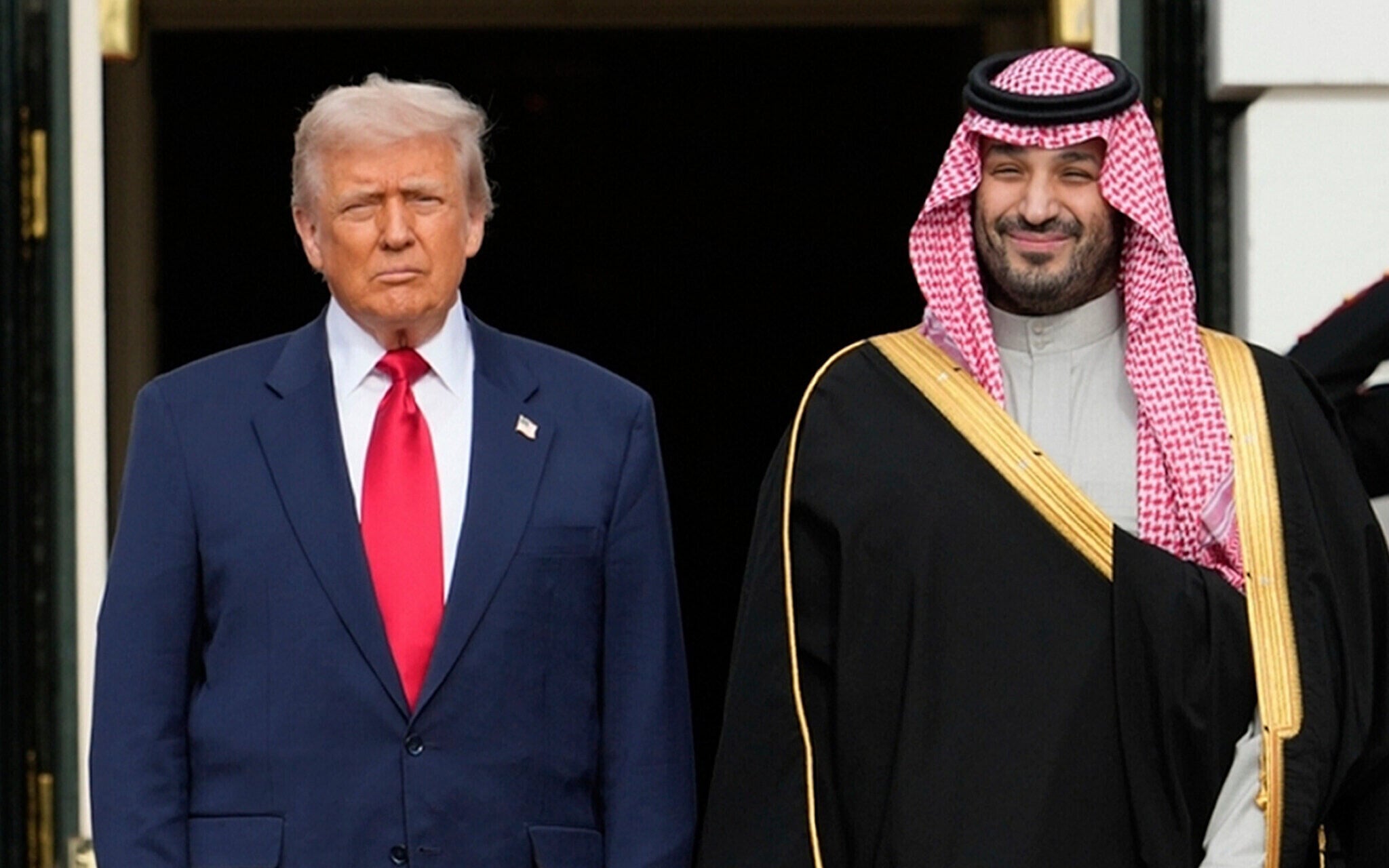
DUBAI, United Arab Emirates (AP) — Saudi Arabia could have some form of uranium enrichment within the kingdom under a proposed nuclear deal with the United States, congressional documents and an arms control group suggest, raising proliferation concerns as an atomic standoff between Iran and America continues.
US Presidents Donald Trump and Joe Biden both tried to reach a nuclear deal with the kingdom to share American technology. Nonproliferation experts warn that any spinning centrifuges within Saudi Arabia could open the door to a possible weapons program for the kingdom, something its assertive crown prince has suggested he could pursue if Tehran obtains a nuclear weapon.
Already, Saudi Arabia and nuclear-armed Pakistan signed a mutual defense pact last year after Israel launched an attack on Qatar targeting Hamas officials. Pakistan’s defense minister then said his nation’s nuclear program “will be made available” to Saudi Arabia if needed, something seen as a warning for Israel, long believed to be the Middle East’s only nuclear-armed state.
“Nuclear cooperation can be a positive mechanism for upholding nonproliferation norms and increasing transparency, but the devil is in the details,” wrote Kelsey Davenport, the director for nonproliferation policy at the Washington-based Arms Control Association.
The documents raise “concerns that the Trump administration has not carefully considered the proliferation risks posed by its proposed nuclear cooperation agreement with Saudi Arabia or the precedent this agreement may set.”
Saudi Arabia did not immediately respond to questions Friday from The Associated Press.
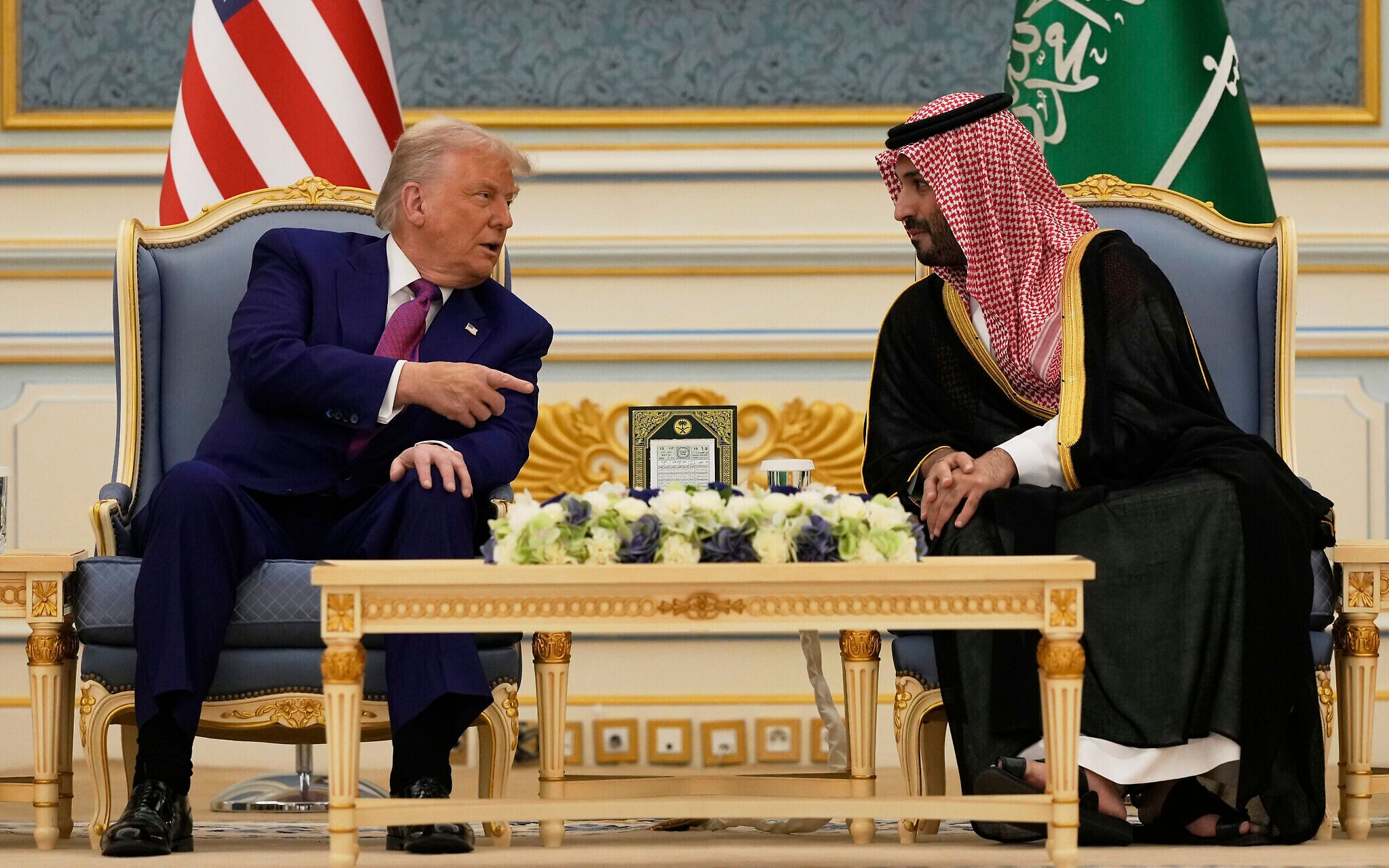
The Biden administration had sought to include a civil nuclear agreement with Saudi Arabia as part of a larger deal that would see the kingdom normalize relations with Israel.
However, the prospect of Israeli-Saudi normalization has appeared increasingly unlikely amid the war in Gaza and Israel’s rejection of Palestinian statehood.
Congressional report outlines possible deal
The congressional document, also seen by the AP, shows the Trump administration aims to reach 20 nuclear business deals with nations around the world, including Saudi Arabia. The deal with Saudi Arabia could be worth billions of dollars, it adds.
The document contends that reaching a deal with the kingdom “will advance the national security interests of the United States, breaking with the failed policies of inaction and indecision that our competitors have capitalized on to disadvantage American industry and diminish the United States standing globally in this critical sector.”
China, France, Russia and South Korea are among the leading nations that sell nuclear power plant technology abroad.
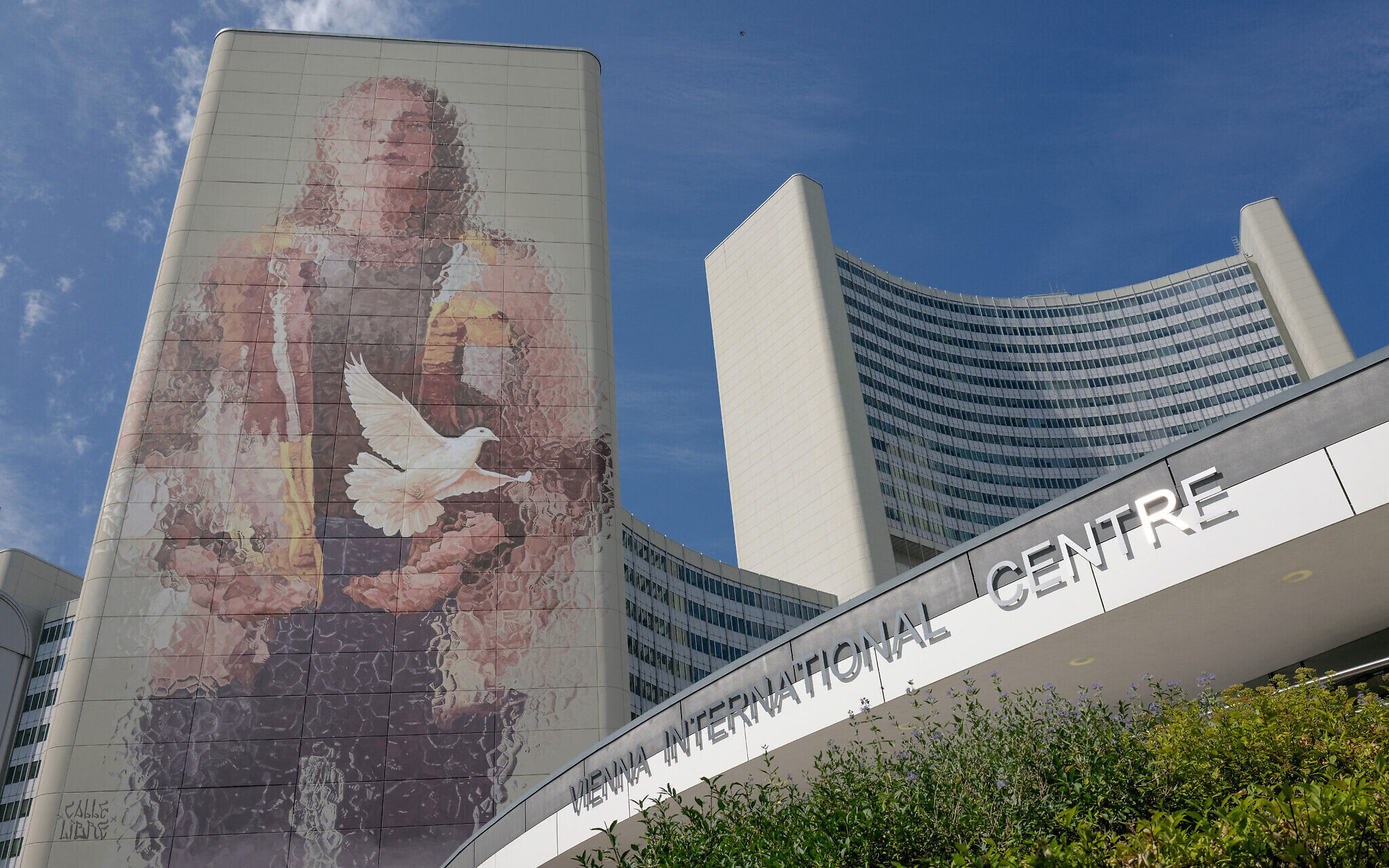
The draft deal would see America and Saudi Arabia enter safeguard deals with the International Atomic Energy Agency, the United Nations’ nuclear watchdog. That would include oversight of the “most proliferation-sensitive areas of potential nuclear cooperation,” it added. It listed enrichment, fuel fabrication and reprocessing as potential areas.
The IAEA, based in Vienna, did not immediately respond to questions. Saudi Arabia is a member state of the IAEA, which promotes peaceful nuclear work but also inspects nations to ensure they don’t have clandestine atomic weapons programs.
“This suggests that once the bilateral safeguards agreement is in place, it will open the door for Saudi Arabia to acquire uranium enrichment technology or capabilities — possibly even from the United States,” Davenport wrote. “Even with restrictions and limits, it seems likely that Saudi Arabia will have a path to some type of uranium enrichment or access to knowledge about enrichment.”
Enrichment isn’t an automatic path to a nuclear weapon — a nation also must master other steps, including the use of synchronized high explosives, for instance. But it does open the door to weaponization, which has fueled the concerns of the West over Iran’s program.
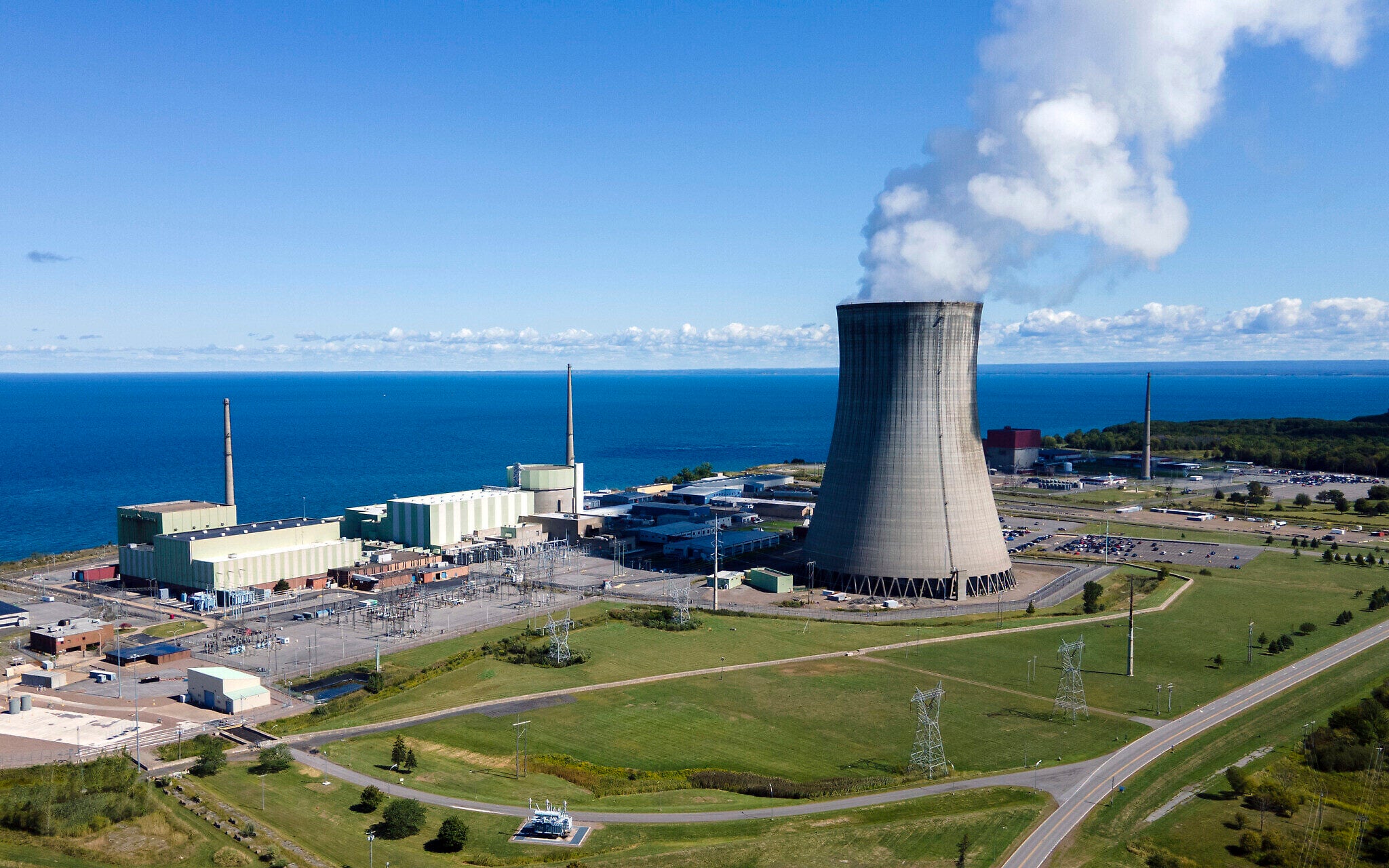
The United Arab Emirates, a neighbor to Saudi Arabia, signed what is referred to as a “123 agreement” with the US to build its Barakah nuclear power plant with South Korean assistance.
But the UAE did so without seeking enrichment, something nonproliferation experts have held up as the “gold standard” for nations wanting atomic power.
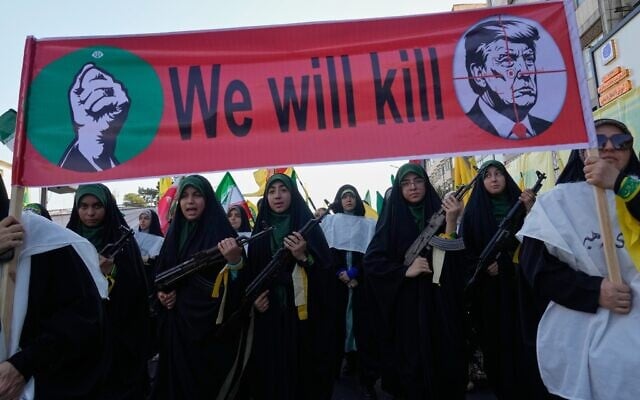
The push for a Saudi-US deal comes as Trump threatens military action against Iran if it doesn’t reach a nuclear deal that would end Iran’s uranium enrichment.
The Trump military push follows nationwide protests in Iran that saw its theocratic government launch a bloody crackdown on dissent that killed thousands and saw tens of thousands more reportedly detained.
While Iran, whose leaders are sworn to destroy Israel, denies seeking nuclear weapons, it has enriched uranium to levels that have no peaceful application, obstructed international inspectors from checking its nuclear facilities, and expanded its ballistic missile capabilities.
Saudi Crown Prince Mohammed bin Salman, the kingdom’s day-to-day ruler, has said that if Iran obtains the bomb, “we will have to get one.”
Times of Israel Staff contributed to this report




The Times of Israel Community.