

Stressed from war and urban congestion, Israelis take to city rooftops to garden
With construction and postwar trauma everywhere, non-profits and communities are mobilizing to create green spaces in unlikely places
 Add ToI as a Preferred Source on Google
Zev Stub is the Times of Israel's Diaspora Affairs correspondent.
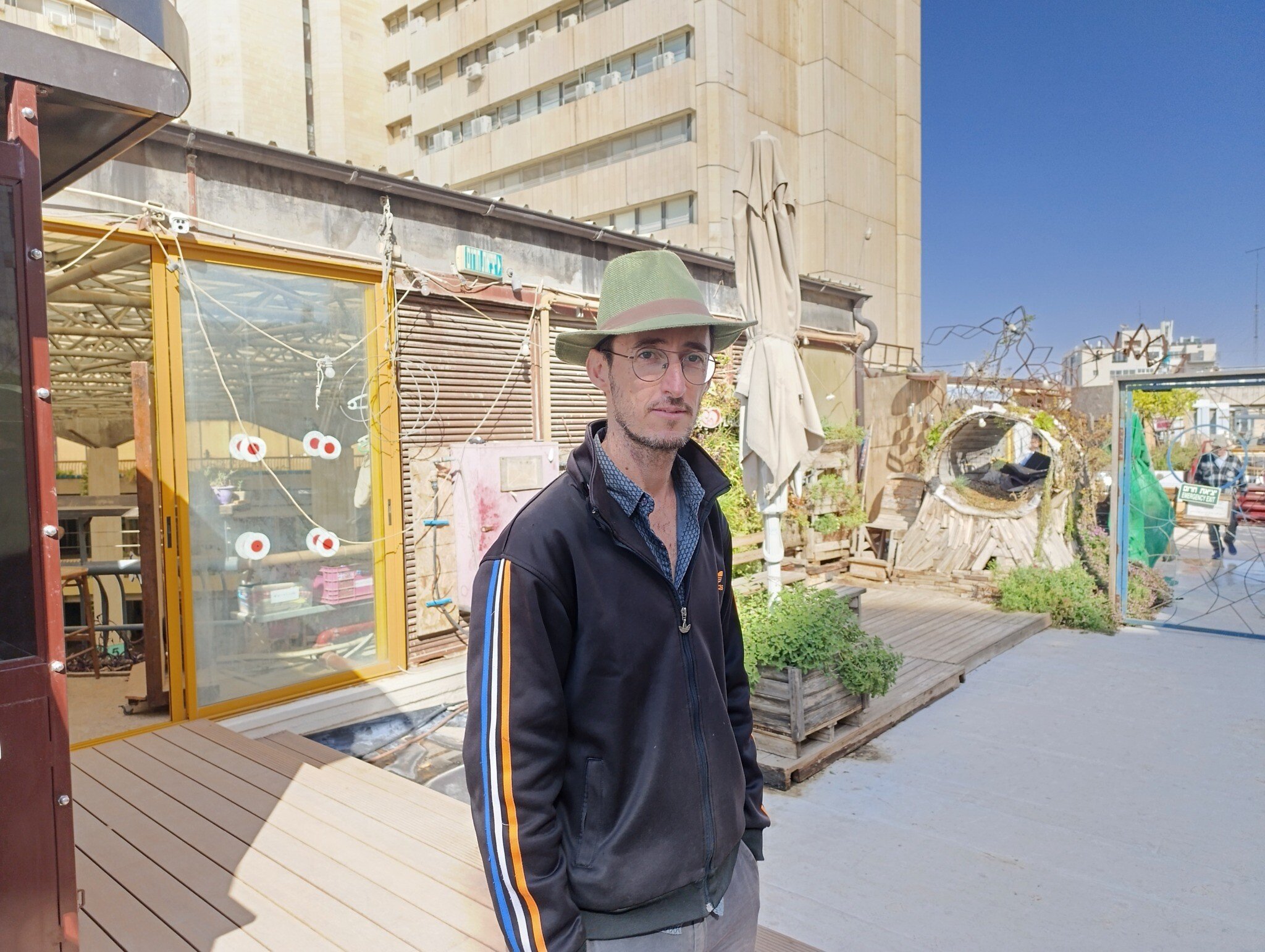
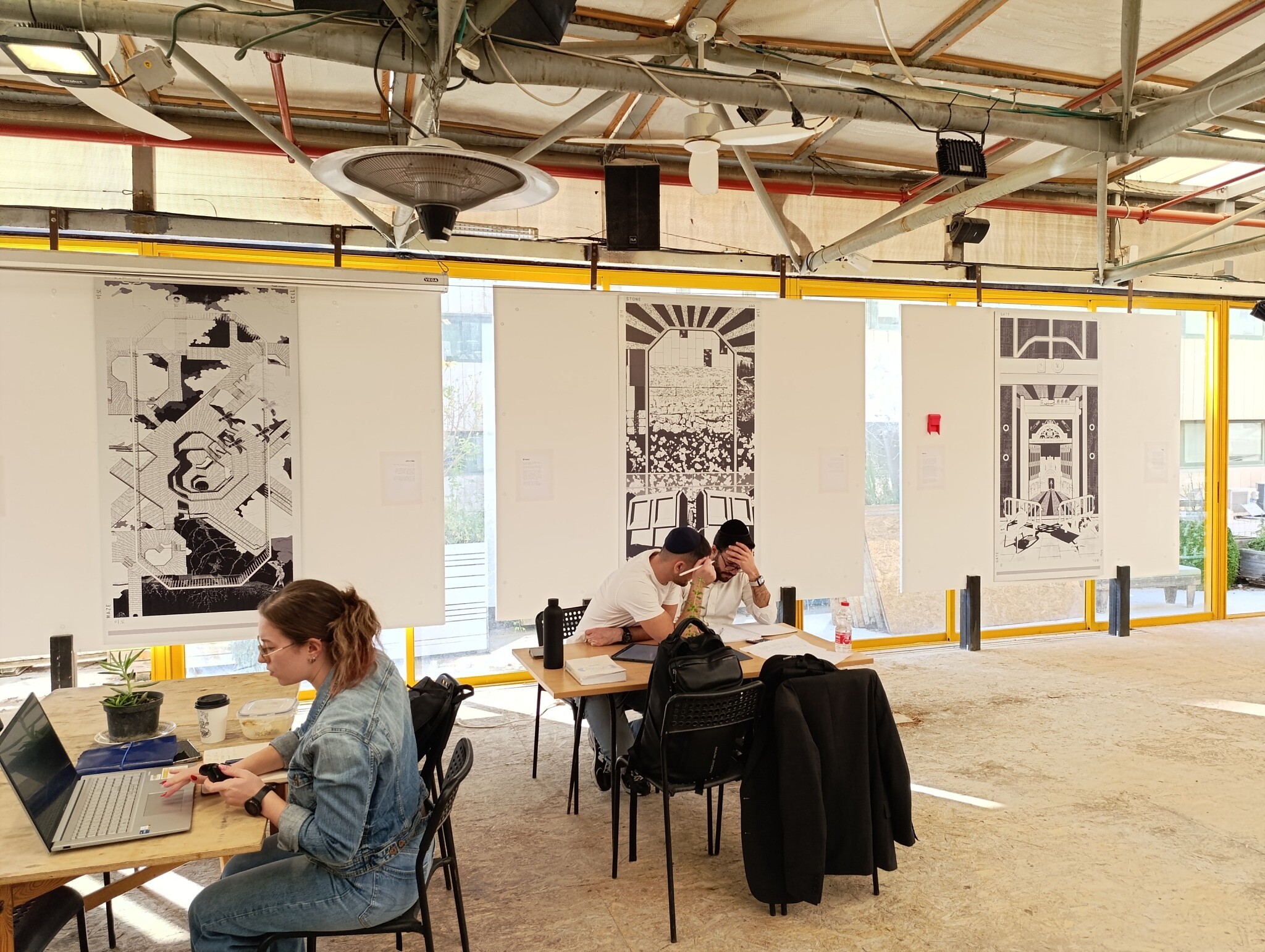
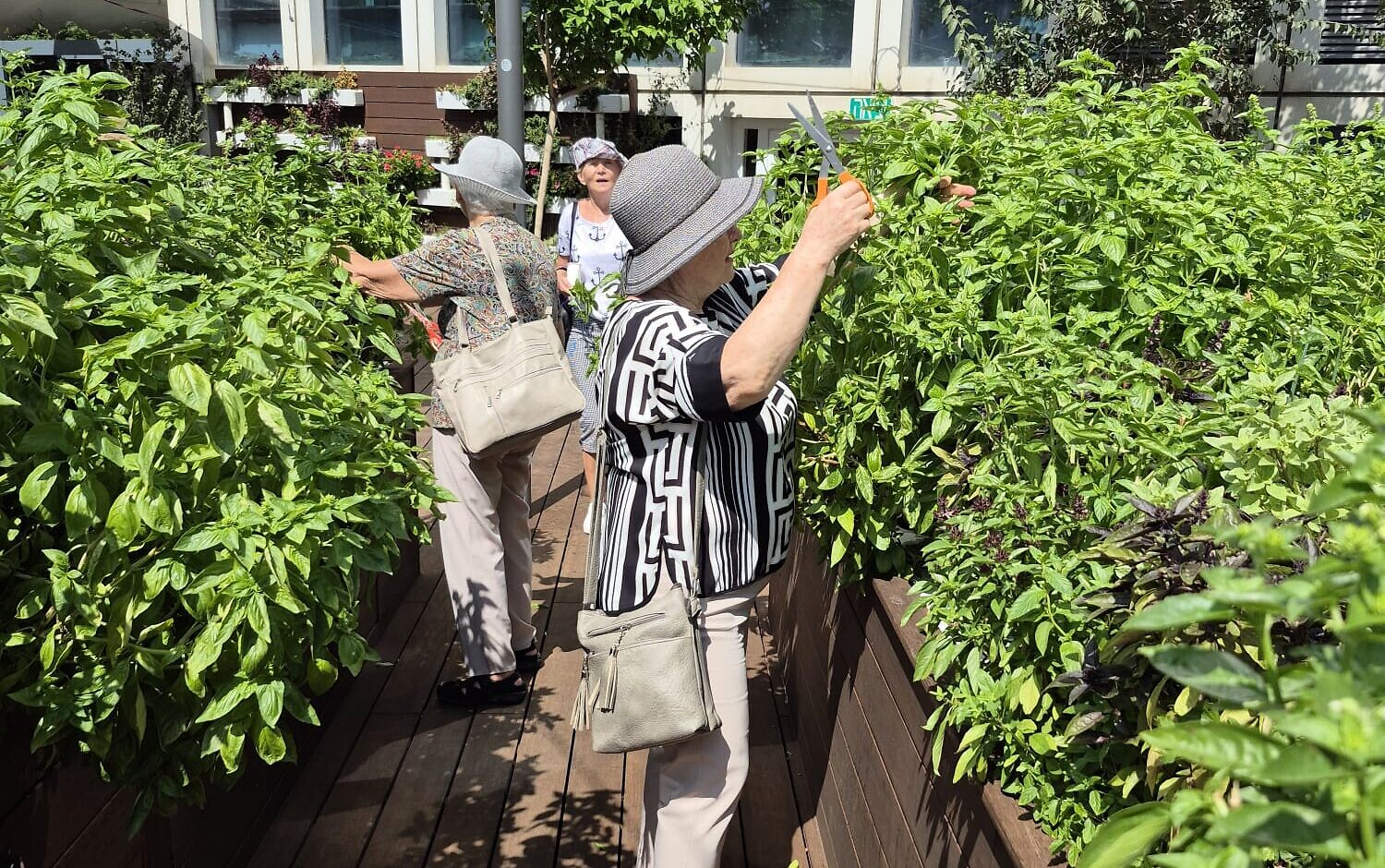
Above the Clal Building on Jaffa Road in the center of Jerusalem, a few stories up from the hustle and bustle of some of the city’s heaviest automobile and foot traffic, a handful of people sit in a lush, manicured garden, drinking tea and socializing in what feels like a different world from the urban jungle below. Inside, a small art exhibition graces the walls, while outside, visitors can wander the terraces housing an urban camping area, a meditation room, agriculture, and even beehives.
“This rooftop is a laboratory exploring different models of urban sustainability,” said Matan Israeli, founder of Muslala, a Jerusalem-based community dedicated to making the city’s urban spaces more livable. “City life feels like it is always a race, a battle for space, but if you use limited areas wisely, it can create very deep change in how we live.”
As Jerusalem and other cities around the country build at record rates, and urban areas become more congested, Israelis are increasingly looking for ways to create more green areas in public spaces.
Community gardens have been growing in popularity around Israel for decades, with a variety of communal models, but as Israelis confront the collective trauma of two years of war with Hamas in Gaza, and navigate a world where it seems like there is construction everywhere, many feel a new urgency to find places where they can easily escape to nature.
Construction in Israel has increased aggressively in recent years, driven by sky-high prices and strong demand. There were a record 183,000 buildings under active construction around the country at the end of 2024, according to Bank of Israel data. Tel Aviv has also been ranked as one of the most congested cities in the world for traffic by the TomTom Traffic Index. Municipal development projects, like the light rail network in Jerusalem and Tel Aviv’s Metro, have added to the sense of urban congestion that many feel.
In Jerusalem, Muslala is looking to teach people how to find more peace by creating green spaces in their own buildings. According to Israeli, Jerusalem has 30 million square meters of unused rooftop space, and his nonprofit offers training, tools and even starter kits to help homeowners create their own rooftop gardens.
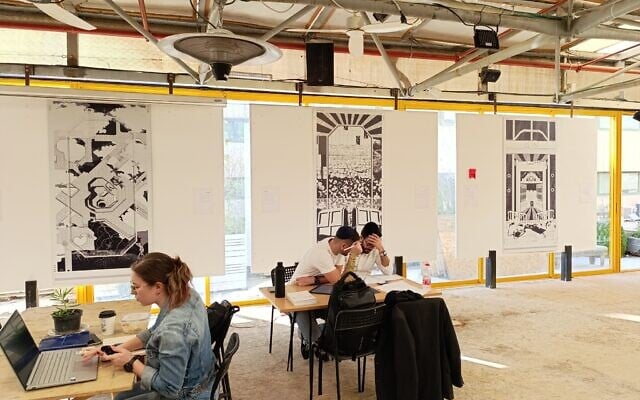
It also works with the municipality to manage a network of nine public rooftop gardens around the city, including the main one on the eighth floor of the Clal building, a shopping center built in the 1970s that has fallen into deep disrepair.
The “Mirpeset” (balcony) there includes some 2,000 square meters of indoor and outdoor space that Israeli says gets about 50,000 visitors per year. First created 10 years ago, the non-profit has created a diversified revenue model with multiple sources of income, including providing workshops and classes, hosting events, and offering urban camping in its “Gag Eden” facility. (The name is a play on words: “Gan Eden” refers to paradise; “gag” in Hebrew means roof.)
That’s not nearly enough to cover Muslala’s NIS 5 million in annual operating expenses, but it helps mitigate some of the challenges of constant fundraising and expands the boundaries of sustainable rooftop projects, Israeli said. The site also grows herbs and vegetables on the roof, but these are usually shared with volunteers, not sold.
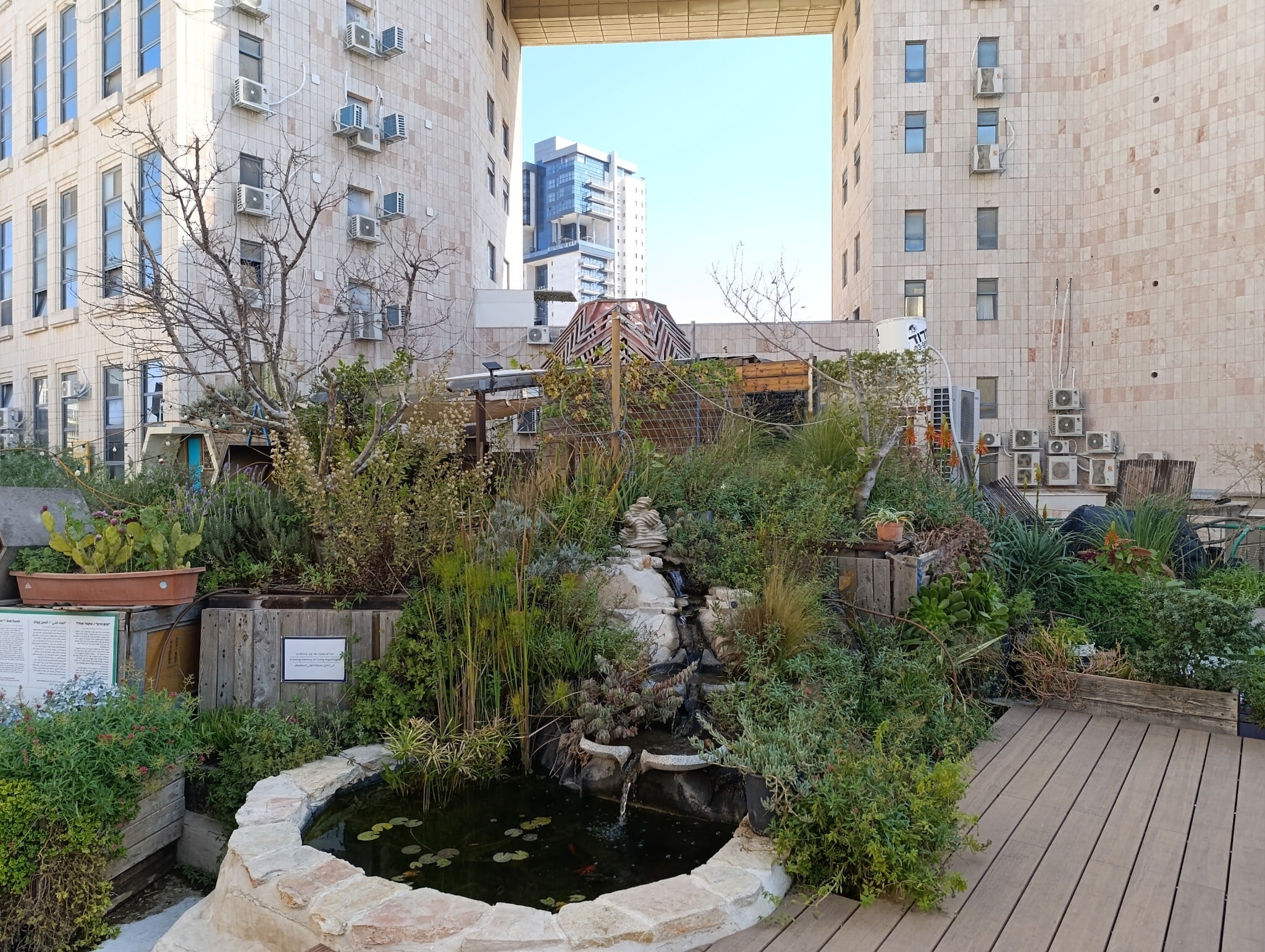
Next month, Muslala will be launching its newest project, a small cafe staffed by young adults with autism, where guests can order drinks, sandwiches, and pastries to enjoy in the serenity of the rooftop oasis.
“We’ve been here now for 10 years, and we’ve reached the point where we are done laying the groundwork and renovating, and feel like we are established,” Israeli said. “We’ve acquired a lot of knowledge in the field, and we are looking now to work with more partners and additional municipalities.”
Green horizon in the Big Orange
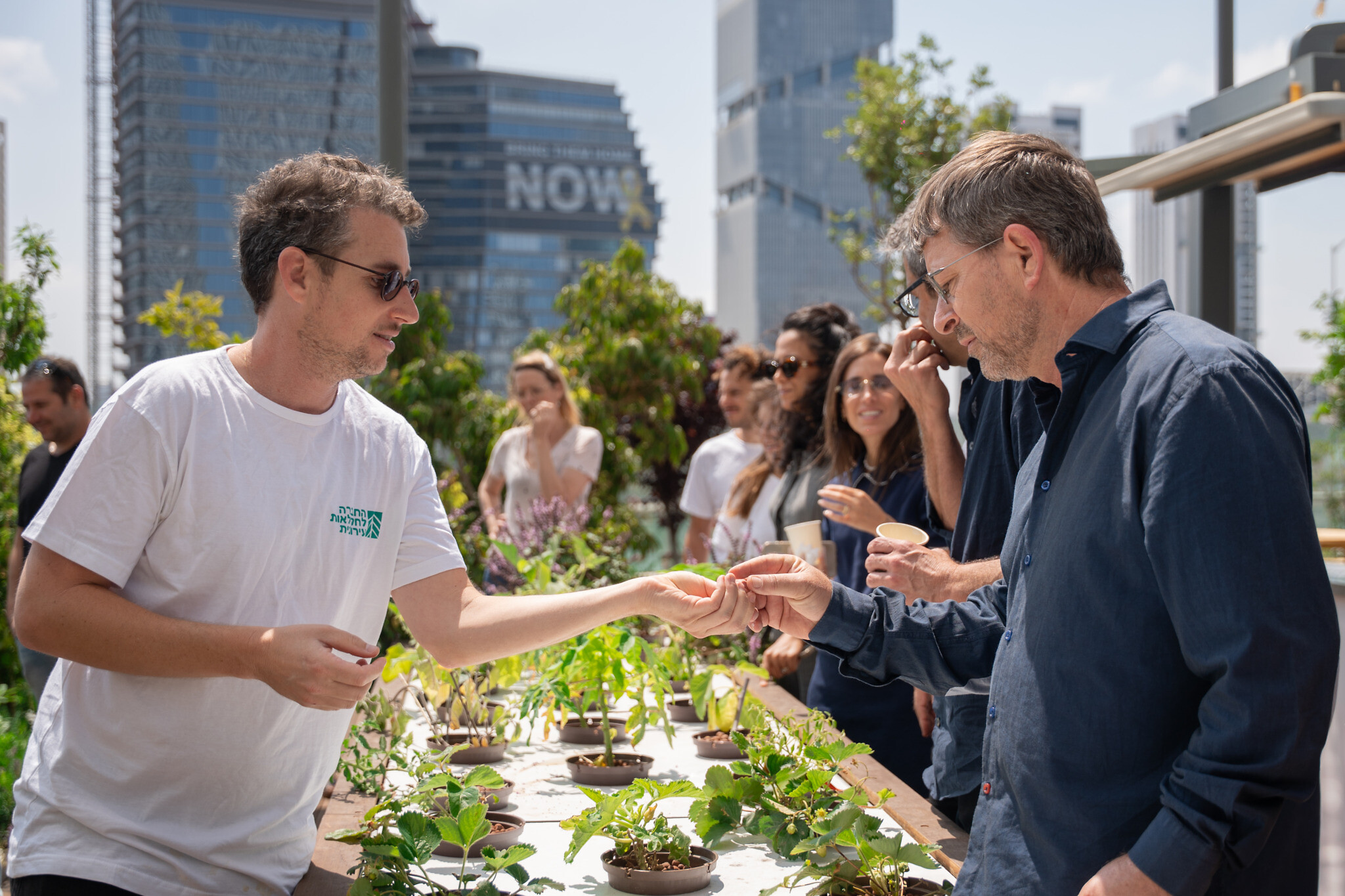
Meanwhile, in Tel Aviv, another green non-profit recently launched a similar type of rooftop venture. The new Azrieli Garden at the top of the Azrieli Mall offers a green oasis and courses on urban agriculture to individuals and groups, including the high-tech companies clustered around it, with a focus on helping people learn to eat better.
“Our focus is on improving food security in Israel, helping people discover how to change their eating habits to live healthier,” said Lavi Refael, founder & CEO of the Association For Urban Farming, which manages the project. “We run educational programs for schools and families around the country, teaching them how to create their own urban farms and rooftop agriculture where they can produce healthy, quality food.”
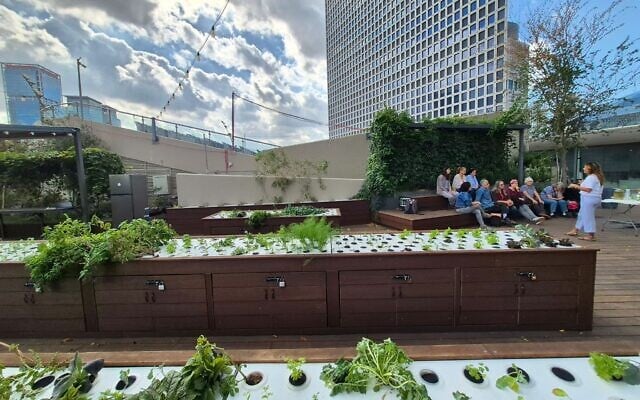
Refael’s organization runs a number of urban farming centers around the country, including a large one on Rothschild Street in Tel Aviv, but the new garden at Azrieli, opened in September, is one of the most sophisticated of its type in the world, he said.
“The Azrieli group sees this as a valuable philanthropic project, and has invested a lot of money in developing it,” Refael said. The 1,000-square-meter facility has a paid staff of 15 managing it, offering an intense schedule of workshops and events in the public garden.
“On a typical day, you might have a school come for a workshop, and then senior citizens come for their weekly class, followed by a visit from a high-tech company, followed by family activities at night,” Refael said. “It’s like an amusement park of agriculture.”
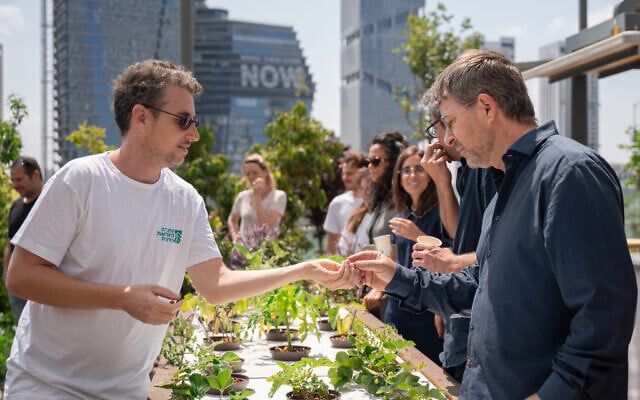
Refael’s organization also uses the space to offer agrotherapy to individuals coping with psychological symptoms of trauma, something that has become widespread since Hamas launched its war against Israel on October 7, 2023.
“After October 7, we started working with family members of hostages, and we’ve developed a model of agriculturally-based therapy that is tailored specifically for what Israelis have gone through,” he said. We’re trying to raise money to offer this all over the country for free, so we can help people who otherwise can’t afford therapy.”
There are other public rooftop gardens in Tel Aviv, including at Dizengoff Center, as well as numerous private gardens.
Gardening on the ground
For those looking to find nature closer to ground level, it is estimated that there are 400-600 community garden projects of different sorts around Israel, including dozens around Tel Aviv and approximately 70 in Jerusalem. These are each organized and managed by local residents, and follow several different models. Some allow residents to take stewardship of individual plots to plant their own produce, while others, like Bustan Brodi in the central Kiryat Shmuel neighborhood of Jerusalem, are fully communal, offering a shared space for personal and family activities.
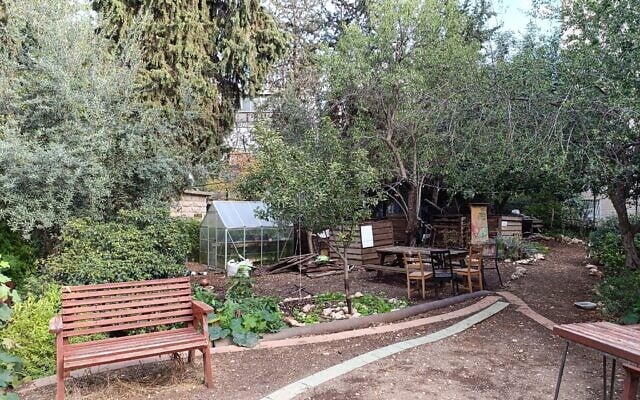
Bustan Brodi was one of the first communal gardens in Jerusalem, created in 2004 after neighbors petitioned then-mayor Uri Lupolianski, recalled Danny Brachia, the site’s primary caretaker. After the municipality offered an initial NIS 10,000 grant to get it going, volunteers from the area got to work clearing away debris from the abandoned lot, installing irrigation systems, and planting trees. Volunteers continue to develop the garden every week, and further donations from individuals have helped it to grow into one of the most successful such gardens in the city, Brachia noted.
Dispersed between the fruit trees, flowers and plants are a number of benches, chairs and picnic tables, as well as a small pergola, a communal bookshelf, and a well-used composting facility where neighbors’ organic refuse is converted to fertilizer. Events are hosted occasionally, including holiday gatherings and communal singing.
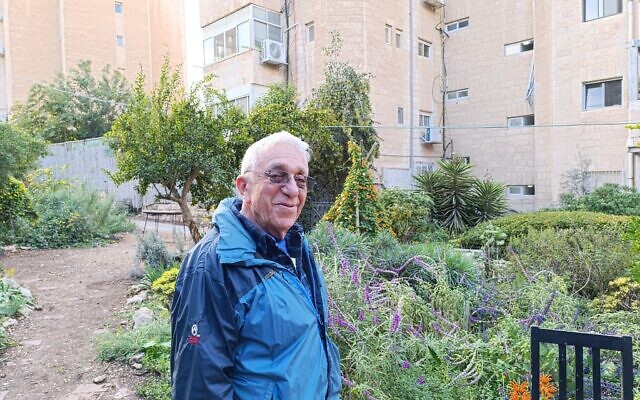
“The difference between this and a municipal park is that we, the residents of the neighborhood, are responsible for everything that happens here,” Brachia said. “We manage the planning, organize volunteers, and make sure it runs independently. It’s people from the community working to make sure we have something nice together here.”





The Times of Israel Community.