

‘Troubling and alarming’ report shows Jewish life declining in key areas
An annual assessment by Jewish People Policy Institute finds Jews’ resilience, cohesion and identity worsening under threats of war, antisemitism
 Add ToI as a Preferred Source on Google
Zev Stub is the Times of Israel's Diaspora Affairs correspondent.

The overall state of the Jewish people declined during the Jewish year that just ended, as the combined burden of Israel’s ongoing wars and global antisemitism harmed Jews’ resilience, cohesion and identity over the past 12 months, according to a report by the Jewish People Policy Institute (JPPI) think tank.
JPPI’s Annual Assessment of the Jewish People, published Thursday, found worsening or negative trends in almost all indicators regarding Israel and the Jewish people, in the aftermath of the October 7, 2023, attack by Hamas against Israel.
The report was presented to President Isaac Herzog and the Israeli government this week against the end of the Jewish year 5785 and the backdrop of Rosh Hashanah, the Jewish New Year.
The assessment focused primarily on six gauges of Jewish well-being: demography, cohesion, geopolitics, resilience, identity and the Israel–US relationship.
On the demographic front, Jewish communities around the world continue to grow, but Israel is losing more people to relocation abroad than it is gaining through immigration, the report said.
Regarding internal cohesion, the unity that prevailed at the beginning of the war has given way to sharp polarization over political issues related to the war. Public trust in the government is at an all-time low, and the system of government is perceived as weak and unstable, the report said.
In terms of geopolitics, the Jewish people face exceptional challenges. Israel has not presented a coherent political vision for its war in Gaza, and post-October 7 sympathy around the world has been replaced by harsh criticism and deepening diplomatic isolation, JPPI said.
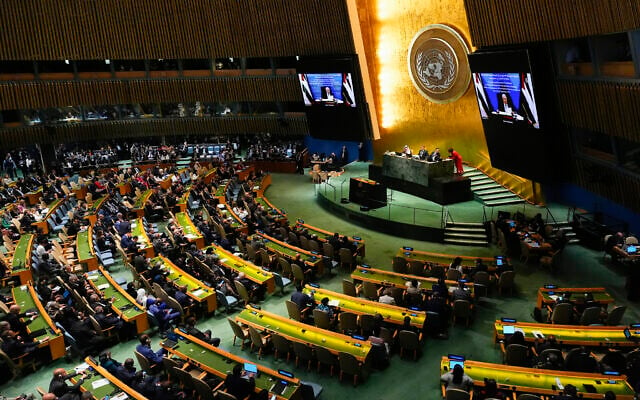
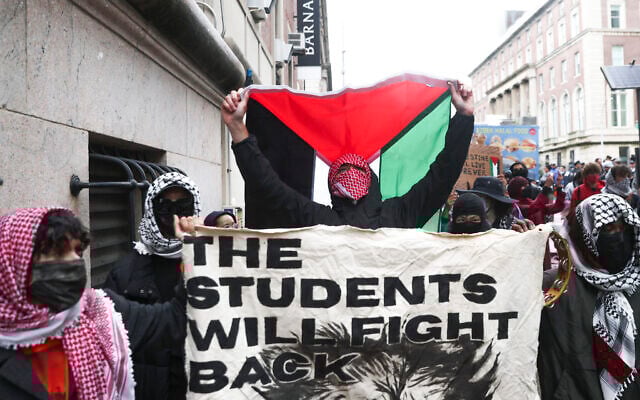
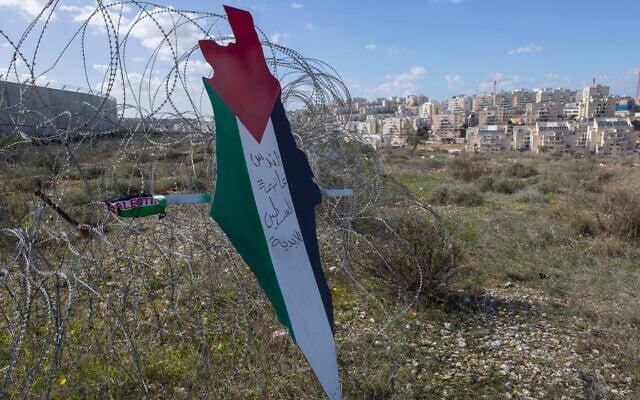
With antisemitism on the rise, the Jewish people face physical attacks, social exclusion and incitement on campuses and online at levels not seen in decades, JPPI said. International legal pressure, including International Criminal Court arrest warrants for Israeli leaders and moves by several countries to recognize a Palestinian state, represents a growing threat, the report noted.
Regarding Jewish identity, while many communities in the Diaspora have shown unprecedented levels of solidarity with Israel, among progressive youth, especially in the United States, there has been a noticeable distancing and even adoption of sharply critical, even anti-Zionist, positions towards Israel. Meanwhile, Israelis are strengthening their relationships with Diaspora communities, but tensions have increased around Israel’s political alliances with the far right.
Israel’s relationship with the US is stronger than ever, as demonstrated by the joint operation against the Iranian nuclear program in June, the report said. However, political polarization in both countries threatens bipartisan support for Israel. An anti-Zionist wing is growing in the Democratic Party, especially among young people on campuses, JPPI noted.
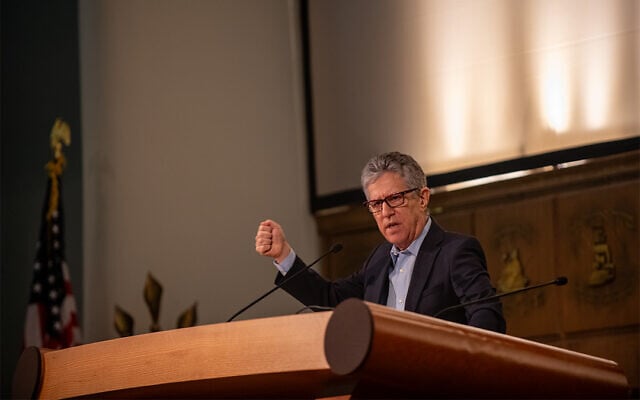
“This is a troubling and alarming report with many challenges definitely following October 7 and the impact on Jewish communities all over the world,” Herzog said upon receiving the assessment. “What’s most important for us is Jewish resilience, the ability of all communities to function and flourish amidst these challenges, and of course, keep the centrality of Israel in their heart and in their deeds, and most importantly, to see our hostages back home and an end to the war.”
JPPI offered a number of strategic recommendations for Israel to counter these trends. These include defining a clear political objective for the “day after” in Gaza, restraining extremist rhetoric in government, and reforming Israel’s system of government, including resolving the issue of ultra-Orthodox military conscription. Israel should also launch proactive diplomatic initiatives toward Europe, Asia, and moderate Arab states, and integrate Diaspora Jewry into Israel’s decision-making through regular institutionalized forums, JPPI said.
Additional recommendations include developing a national plan to combat antisemitism, fostering ties with the Israeli Diaspora through civil society, and creating international study tracks at Israeli universities to attract Jewish students.
“Israel stands at a crossroads: massive security achievements have opened a regional window of opportunity, but without a political horizon and without addressing the internal crisis, the country risks sliding into prolonged strategic isolation,” said JPPI president Yedidia Stern. “The key challenge is to restore public trust and create a new social compact, based on a fair distribution of burdens and pragmatic constitutional reform.”








The Times of Israel Community.